Jean Arnault, the U.N. Secretary-General's personal envoy, arrived in Tehran on April 8 to press for a comprehensive, durable end to the Iran conflict and will also visit Pakistan, a key mediator. He will listen to Iranian views and reiterate the U.N.'s push for a peaceful settlement. The U.N. welcomed the U.S.-Iran ceasefire but warned that fighting elsewhere could undermine regional agreements and emphasized the need to restore freedom of navigation in the Strait of Hormuz.
UN Envoy Jean Arnault Arrives in Iran to Press for Durable End to Conflict; Pakistan Visit Expected
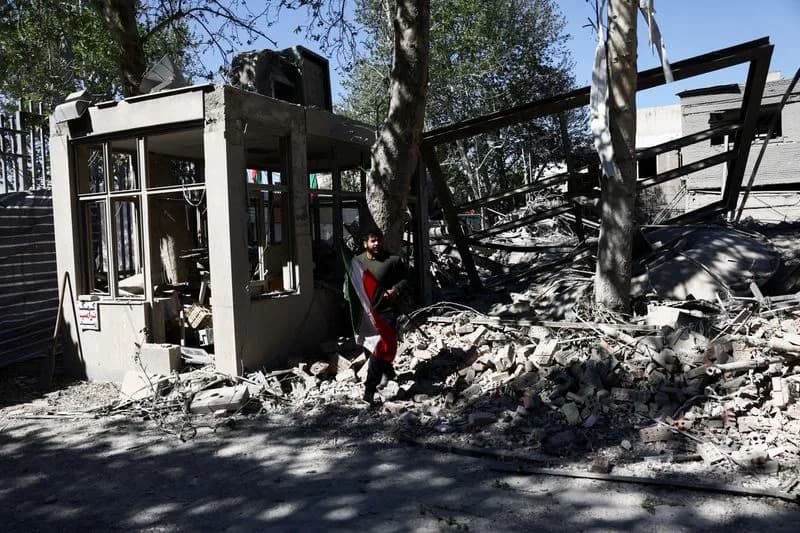
FILE PHOTO: A man carries an Iranian flag as he walks amidst the rubble of a building of the Sharif University of Technology, which was damaged in a strike, amid the U.S.-Israeli conflict with Iran, in Tehran, Iran, April 7, 2026. Majid Asgaripour/WANA (West Asia News Agency) via REUTERS /File Photo
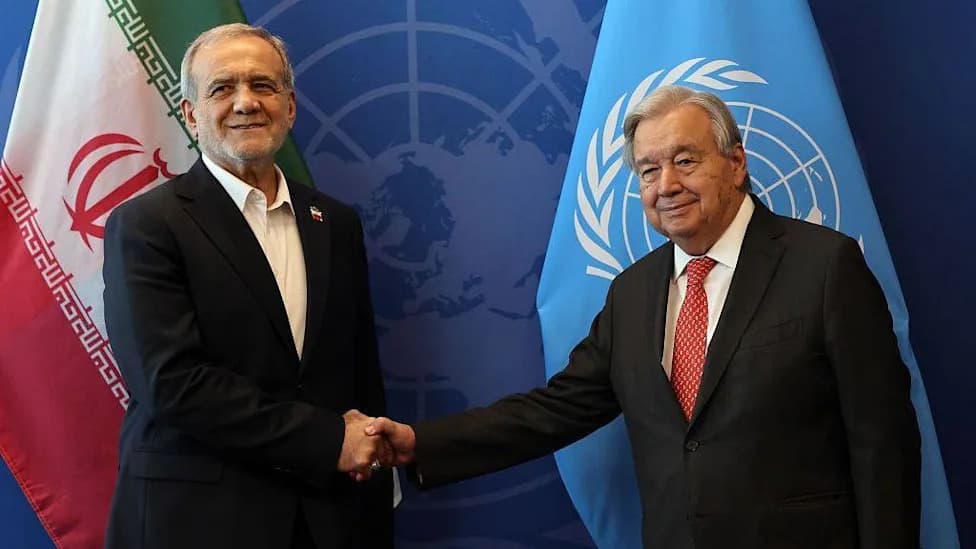
April 8 — Jean Arnault, the personal envoy of U.N. Secretary-General António Guterres, arrived in Tehran on April 8 as part of a regional mission aimed at advancing a "comprehensive and durable resolution" to the Iran conflict. The United Nations said Arnault will meet Iranian officials to hear their perspectives "on the way forward" and reaffirm the U.N.'s support for a peaceful settlement.
The veteran diplomat, appointed last month, is also expected to travel to Pakistan, a key mediator that helped facilitate the recent ceasefire between the United States and Iran. The United Nations has not released a full itinerary for the trip.
U.N. Deputy Spokesperson Farhan Haq said Arnault was in transit to Tehran and intended to meet government officials, adding that a Pakistan visit would follow in coming days. Haq welcomed the ceasefire between the United States and Iran but cautioned that the U.N. remained concerned about ongoing fighting elsewhere in the region.
"We urge all concerned to abide by the ceasefire," Haq told a regular U.N. briefing. "We are worried that any violence in part of the region may spoil agreements achieved for the rest of the region, so we want to make sure that all fighting, everywhere, is abated."
Haq said it would be for the parties to the ceasefire to agree on its terms and implementation. He stressed U.N. priorities: preserving the ceasefire, halting hostilities and restoring freedom of movement for commercial vessels in the Strait of Hormuz, a vital energy shipping route that Iran has previously blocked.
(Reporting by David Brunnstrom and Susan Heavey in Washington; edited by David Ljunggren and Cynthia Osterman)
Help us improve.