Researchers at the University of British Columbia found raccoons often continued to solve a multi-access puzzle box after consuming the single marshmallow reward. Trials lasted 20 minutes and used a box with nine entry points grouped by difficulty. The animals' continued engagement suggests intrinsic curiosity and information-seeking, which — together with sensitive forepaws — helps raccoons exploit urban food sources and thrive in cities.
Raccoons Keep Solving Puzzles for Fun — Even After the Treat Is Gone
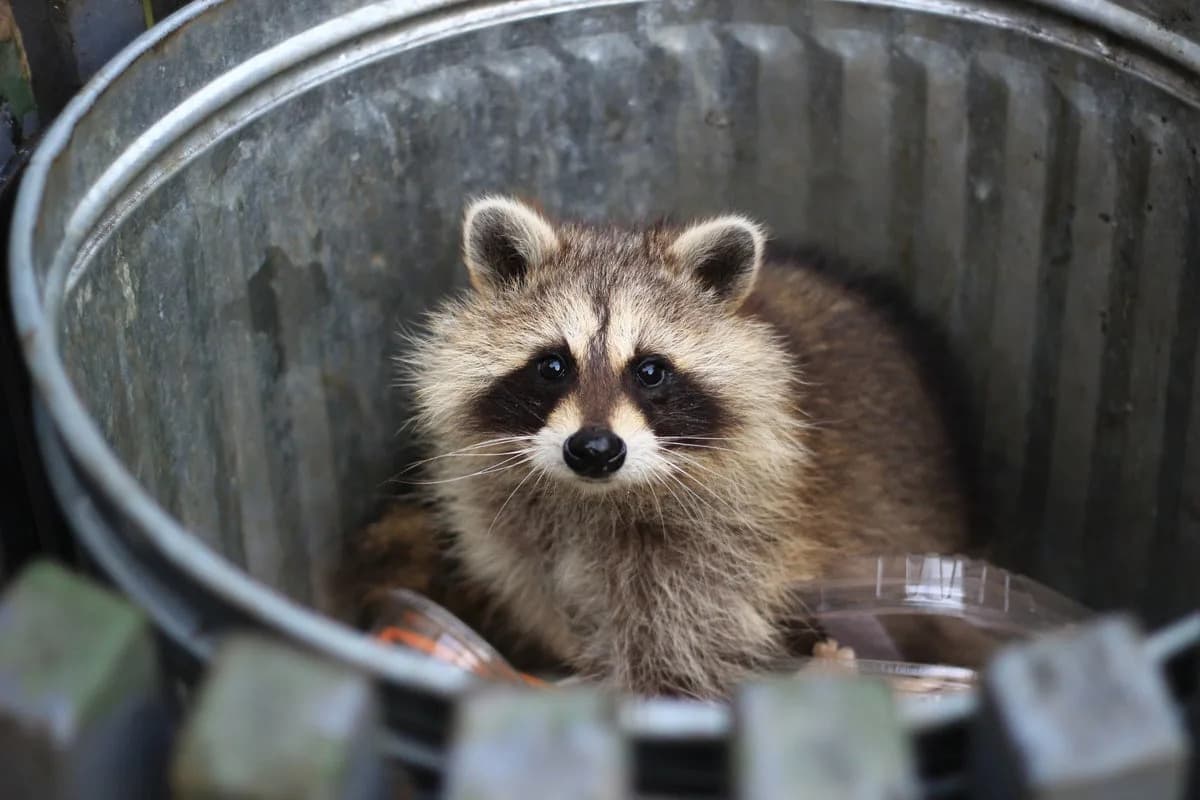
Racoon Roundworm infections are prolific which has raised concerns over their proximity to humans, say LA Public Health (Getty Images/iStockphoto)
Raccoons are famously curious, and a new study from the University of British Columbia shows they will continue solving puzzle mechanisms long after they have eaten the only food reward — suggesting their persistence is driven by information-seeking as well as hunger.
Study Design
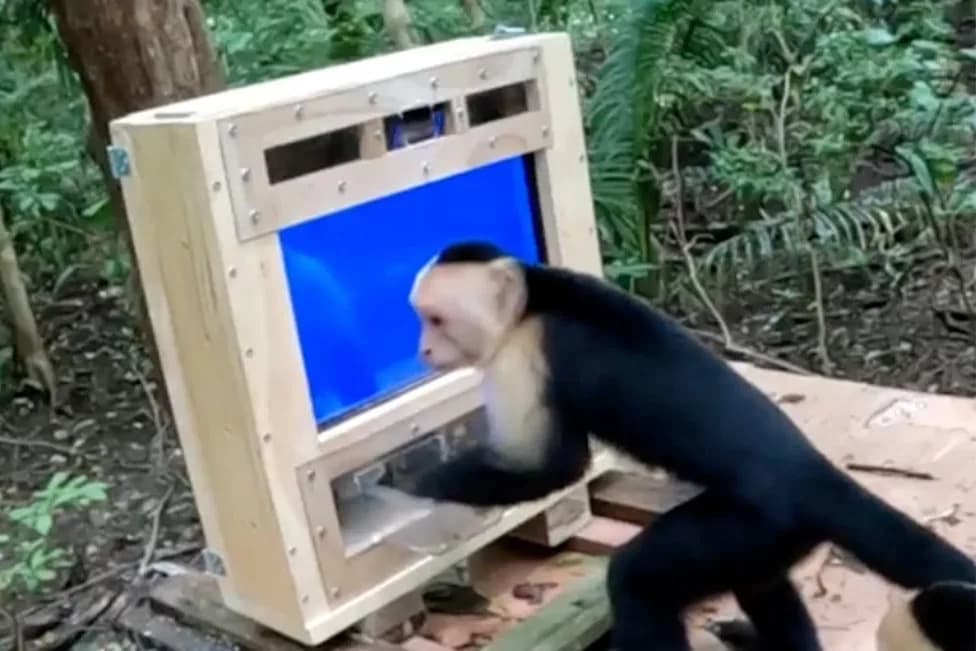
Researchers built a custom multi-access puzzle box with nine entry points grouped into easy, medium and hard categories. Each box contained a single marshmallow and a variety of mechanical challenges, including latches, sliding doors and knobs. Individual raccoons were given 20-minute trials during which their interactions with the box were recorded and analysed.
Key Findings
Many raccoons continued to open additional mechanisms after consuming the marshmallow, demonstrating behaviour consistent with intrinsic curiosity or information-seeking rather than purely food-driven persistence. When tasks were simple, animals often explored broadly and tried multiple openings in different orders. As difficulty or perceived cost rose, raccoons tended to favour reliable solutions while still sampling alternatives.
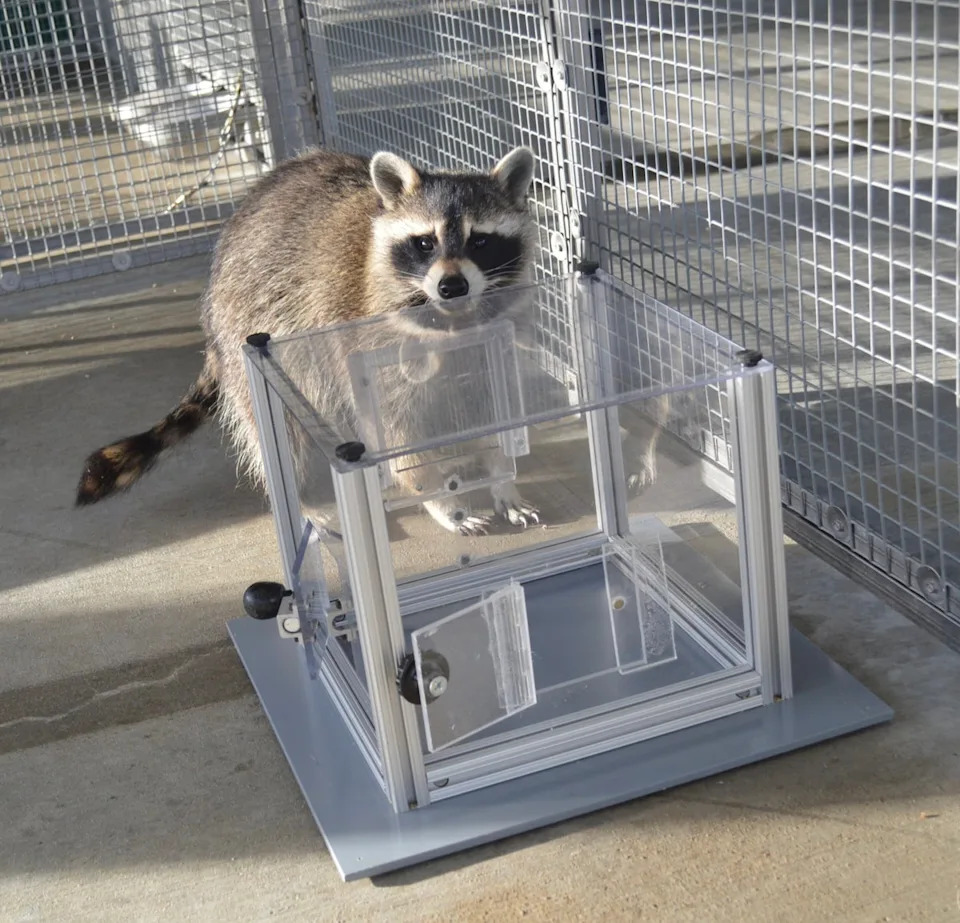
Raccoon interacting with puzzle box (Hannah Griebling)
“We weren't expecting them to open all three solutions in a single trial. They kept problem-solving even when there was no marshmallow at the end,” said Hannah Griebling, a co-author of the paper published in the journal Animal Behaviour.
Why This Matters
This pattern of exploration and selective persistence likely gives raccoons an advantage in complex, human-dominated environments: by learning multiple ways to access food, they can exploit bins, composts and other urban resources more effectively. The species' dexterous forepaws — richly supplied with sensory nerves — further aid manipulation of latches and handles.
Understanding these cognitive traits can inform wildlife management and mitigation strategies for species that use problem-solving to access human-made resources, such as raccoons and bears. As co-author Sarah Benson-Amram notes, empirical studies like this help move raccoon intelligence from folklore into tested science.
Takeaway
Raccoons appear to solve puzzles not just for food but to gather information, adapt their strategies according to perceived risk and cost, and exploit urban environments — insights that could improve how we manage human-wildlife interactions.
Help us improve.