60 Minutes scrutinized California’s high-speed rail program, spotlighting years of delays, soaring cost estimates and the loss of federal support. Officials acknowledged planning and funding shortfalls; CHSRA now expects limited service by 2030 between Bakersfield and Merced. The estimated cost to connect San Francisco and Los Angeles has risen to more than $125 billion, and roughly $4 billion in federal funds were withdrawn in July 2025.
60 Minutes Exposes Deep Troubles in California High-Speed Rail: Costs, Delays and Lost Federal Funding
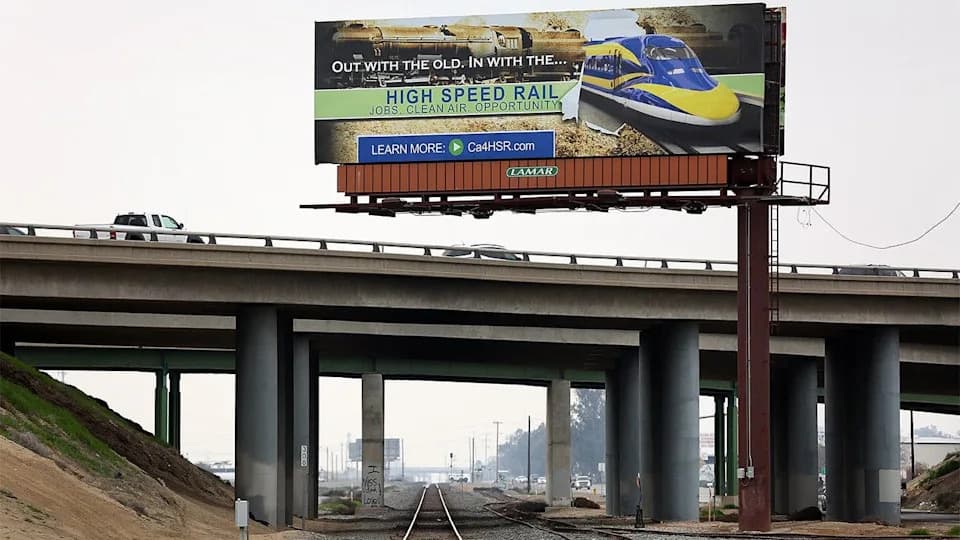
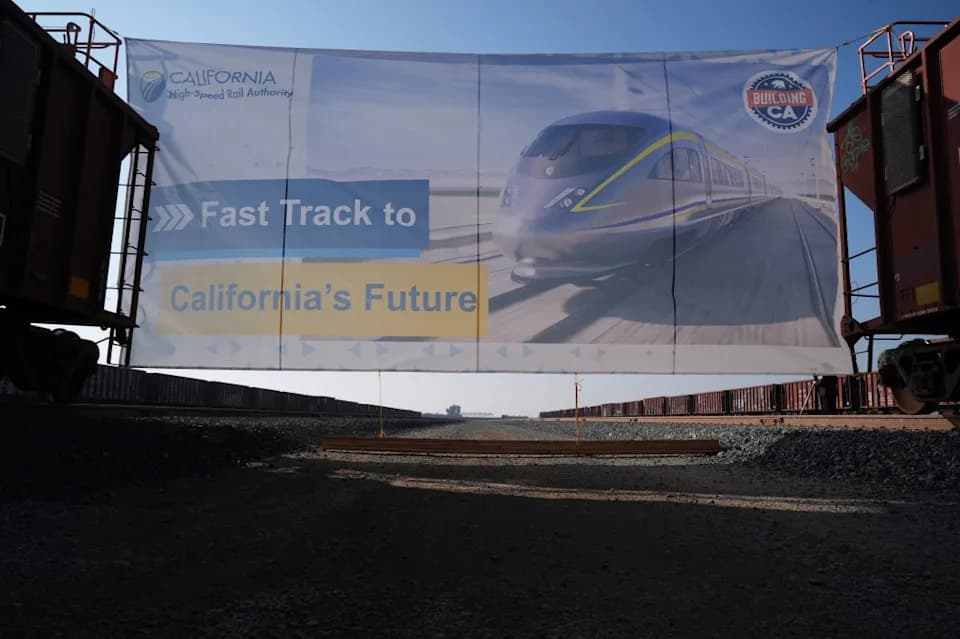
A billboard sign promoting High Speed Rail is displayed along the 99 Golden State Highway in Bakersfield, Calif., on Jan. 28, 2015.(Getty Images)
60 Minutes aired a hard-hitting examination of California’s long-troubled high-speed rail program, highlighting years of delays, ballooning costs and the loss of federal funds that have intensified scrutiny of the project.
Background
Voters approved nearly $10 billion in municipal bonds in 2008 to seed an approximately 800-mile high-speed rail line linking San Francisco and Los Angeles. Initial estimates put construction costs around $33 billion. Since then the program has suffered repeated setbacks: timelines have slipped, budgets have grown dramatically, and large chunks of the original vision remain unbuilt.
What's Planned Now
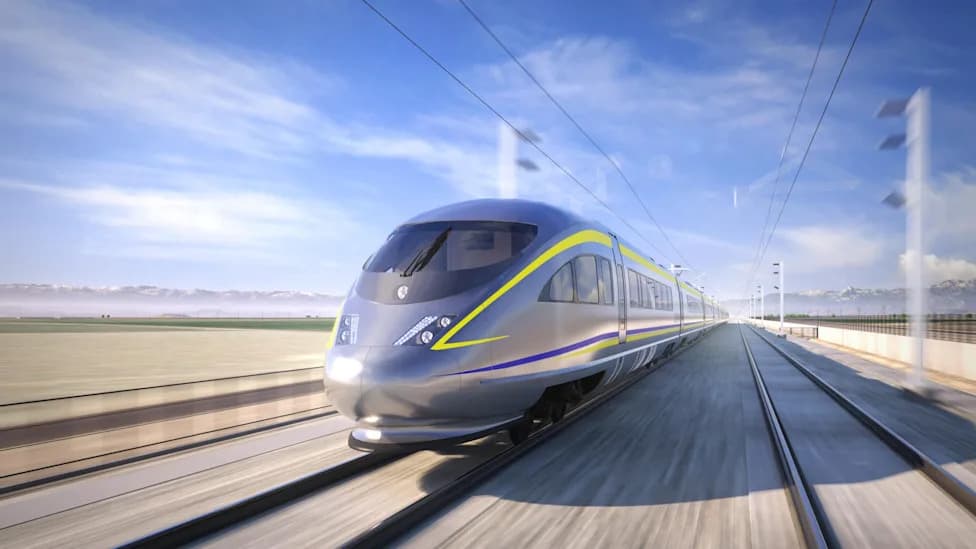
The California High-Speed Rail Authority (CHSRA) currently projects initial passenger service in 2030 on the first operational segment from Bakersfield to Merced — roughly one-third of the original San Francisco–Los Angeles route. CHSRA and state officials say the full San Francisco–Los Angeles connection would now cost more than $125 billion based on the latest estimates.
Key Interviews and Admissions
CBS reporter Jon Wertheim interviewed several officials and experts on the program, including Rep. Vince Fong (R-Calif.), Lou Thompson (an Amtrak founder and former member of the state's peer review group), CHSRA board member Anthony Williams, and California Secretary of Transportation Toks Omishakin.
Rep. Vince Fong: “We’re now in 2026. There are no trains. There’s no track laid. It was a complete bait and switch.”
Toks Omishakin: “There were mistakes made. Some of the criticism on this project, I think, is very fair. I don’t think the voters fully understood — and neither did we in the public sector — what it was going to take to actually get this project delivered.”
Anthony Williams: “It wasn’t [financed] to complete the rail when construction started. Let’s be real. We had a lot to learn, we had a lot of growth to do, and, you know, it’s arguable whether we should have been clearer about that.”
Lou Thompson told 60 Minutes he was skeptical the full system would be completed in his lifetime without a coordinated national effort to support large, cross-state rail projects.
Federal Funding Withdrawn
In July 2025, U.S. Transportation Secretary Sean Duffy announced the Federal Railroad Administration would terminate approximately $4 billion in unspent federal funding reserved for the project. Duffy cited 16 years of missed milestones, a lack of completed high-speed track, and escalating expenses, labeling the effort a mismanaged and over-budget “boondoggle.”
Outlook
CHSRA’s 2030 target for initial service reflects a scaled-down, phased approach, but major questions remain about how — and when — the full San Francisco–Los Angeles connection will be completed. The program’s trajectory underscores the challenges of planning, financing and executing large infrastructure projects across multiple political and funding cycles.
Reporting note: The 60 Minutes segment collected interviews with federal and state officials and reviewed program documents and cost estimates to assess the project’s status.
Help us improve.