Archaeologists have discovered the wreck of the Dannebroge, a Danish warship that sank during the 1801 Battle of Copenhagen, about 15 meters below the harbor while surveying ahead of the Lynetteholm project. Teams recovered artillery, ammunition, personal items and human remains, and say the ship's dimensions match historic drawings. All finds are being documented with photography and 3D scanning as researchers continue analysis this spring.
225-Year-Old Danish Warship Dannebroge Found in Copenhagen Harbor During Lynetteholm Survey
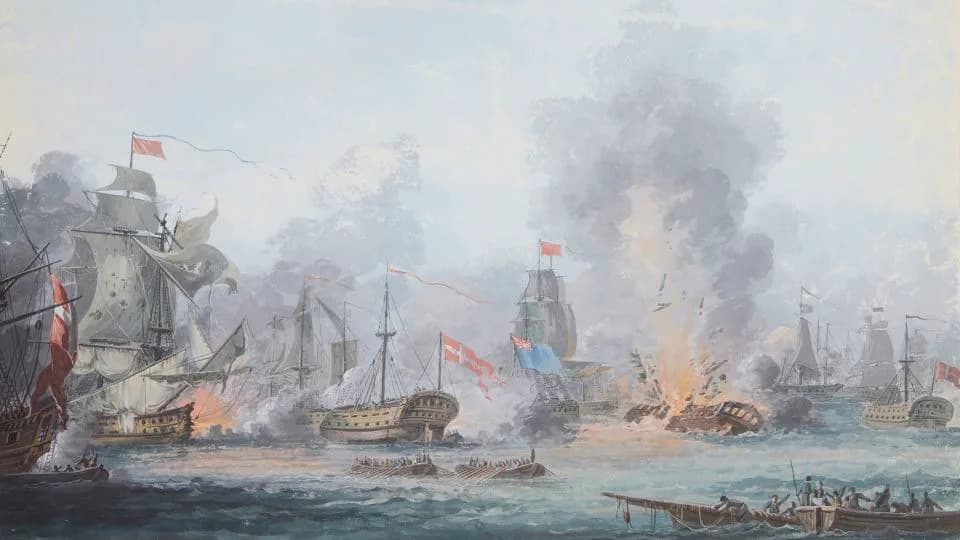
A painting of the Battle of Copenhagen on 2 April 1801 from the Collection of Statens Museum for Kunst, Copenhagen. - Heritage Images/Hulton Archive/Getty Images
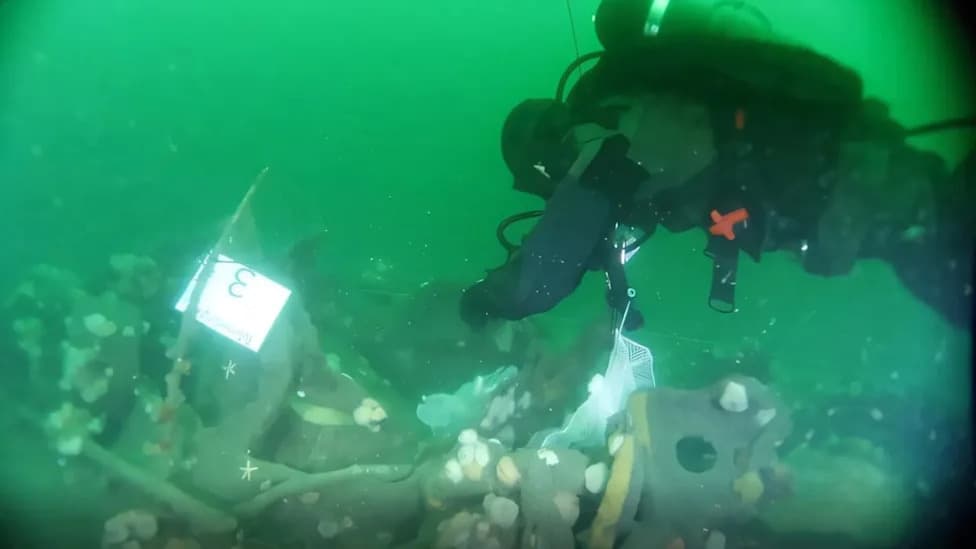
Maritime archaeologists from the Danish Viking Ship Museum have located the wreck of the Dannebroge, a Danish warship that sank during the Battle of Copenhagen on April 2, 1801. The remains were discovered about 15 meters below the water’s surface in Copenhagen Harbor while teams surveyed the seabed ahead of the proposed Lynetteholm land-reclamation project.
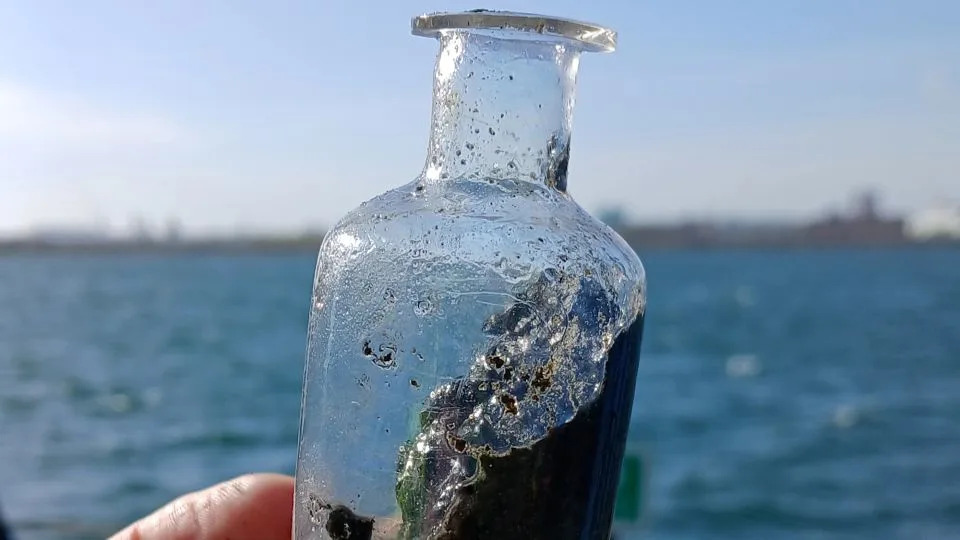
The items recovered, including this glass flask, are all now being surveyed and documented by the museum team. - The Viking Ship Museum in Roskilde
A Remarkable Find in Murky Water
The excavation team, which began work late last year, recorded the wreck in extremely low-visibility conditions. According to the museum, the ship's dimensions match surviving plans and the site is strewn with ammunition and debris.
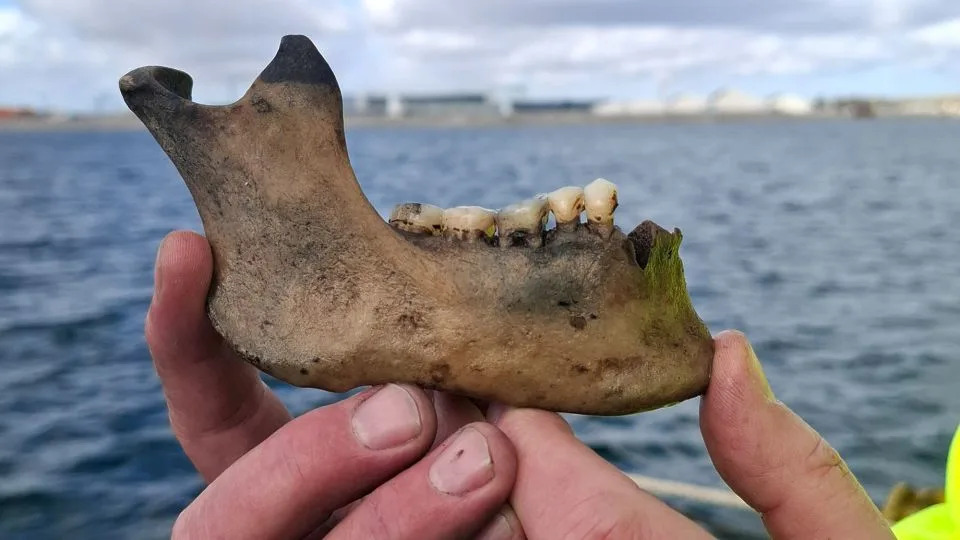
This human jaw is thought to be long to one of the 19 missing crew members from the Dannebroge. - The Viking Ship Museum in Roskilde
Otto Uldum, maritime archaeologist at the Danish Viking Ship Museum, said the team 'have found Dannebroge and the remains of those who never made it ashore after the battle.' The site has cannonballs, bar shot and two cannons, he added.
Artifacts and Human Remains Recovered
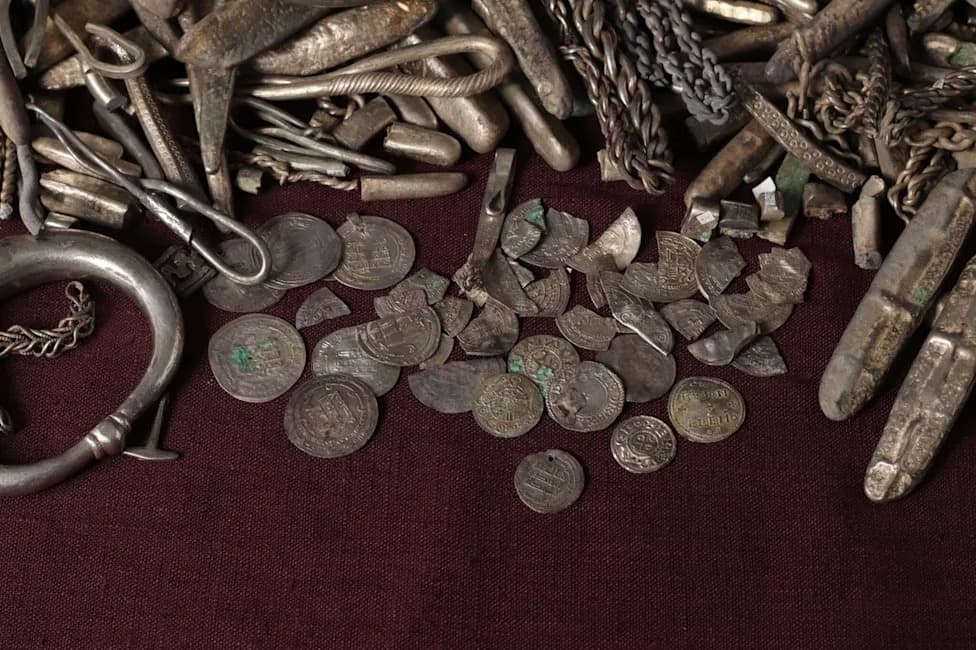
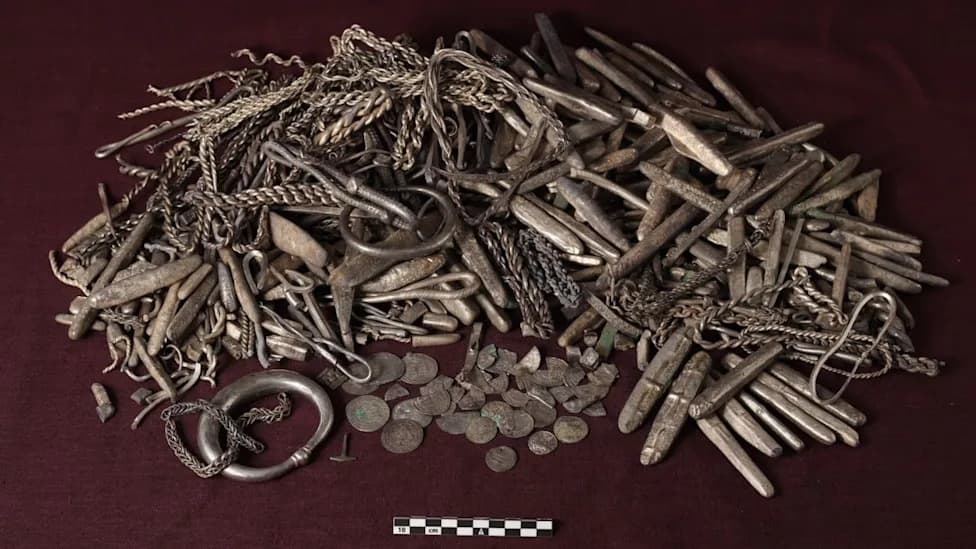
Excavators have recovered a range of objects associated with the ship's crew, including shoes, clothing fragments, clay pipes and pieces of uniform insignia. The team also recovered human remains: notably a lower jaw identified as human plus several other bones that are undergoing analysis.
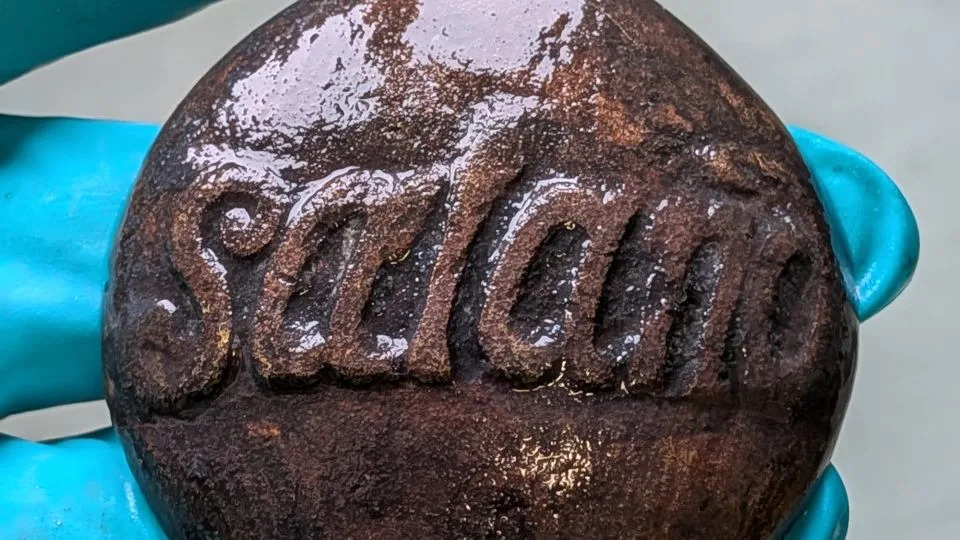
A uniform badge found at the scene of the wreckage. - The Viking Ship Museum in Roskilde
- Recovered weaponry and ammunition include cannonballs, bar shot and two intact cannons.
- Personal effects found at the site point to everyday life aboard the ship and will aid identification and contextual research.
- All artifacts and remains are being documented with photography and 3D scanning before conservation and further study.
Historical Context
The Dannebroge was anchored in Copenhagen Harbor as part of the Danish-Norwegian defensive line when Admiral Horatio Nelson's British fleet attacked. The ship was heavily damaged during roughly four hours of combat, caught fire and exploded. Contemporary records record heavy casualties: the Dannebroge lost dozens of crew, and more broadly the battle left hundreds dead or wounded on both sides. Some Danish personnel were recorded as missing, and the full death toll remains uncertain.
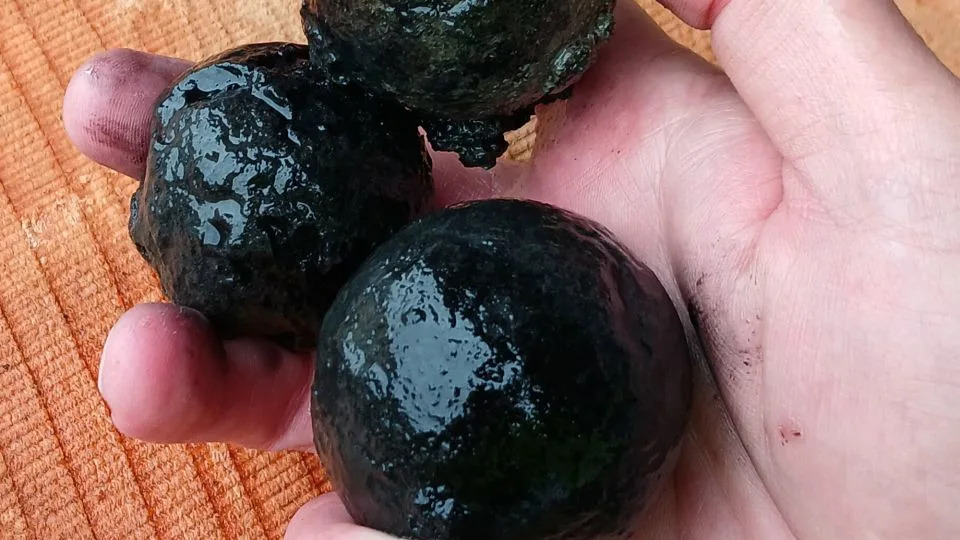
These grapeshots were among the evidence of the battle found by the archaeologists. - The Viking Ship Museum in Roskilde
Survey and Preservation Efforts
Extensive maritime surveys of Copenhagen Harbor have been underway since 2020 as part of environmental and archaeological assessments for the Lynetteholm project, a controversial proposed 271-acre man-made peninsula intended to protect Copenhagen from rising seas. Other wrecks have previously been discovered at the site, including a large 15th-century cog.
The current archaeological investigations are scheduled to conclude this spring. Conservators and archaeologists are carefully raising, photographing and 3D-scanning recovered material for analysis, preservation and public study. Further forensic and archival work will aim to match recovered remains and objects to historical records from the 1801 engagement.
Note: The investigation is ongoing and details may be updated as analysis progresses.
Help us improve.