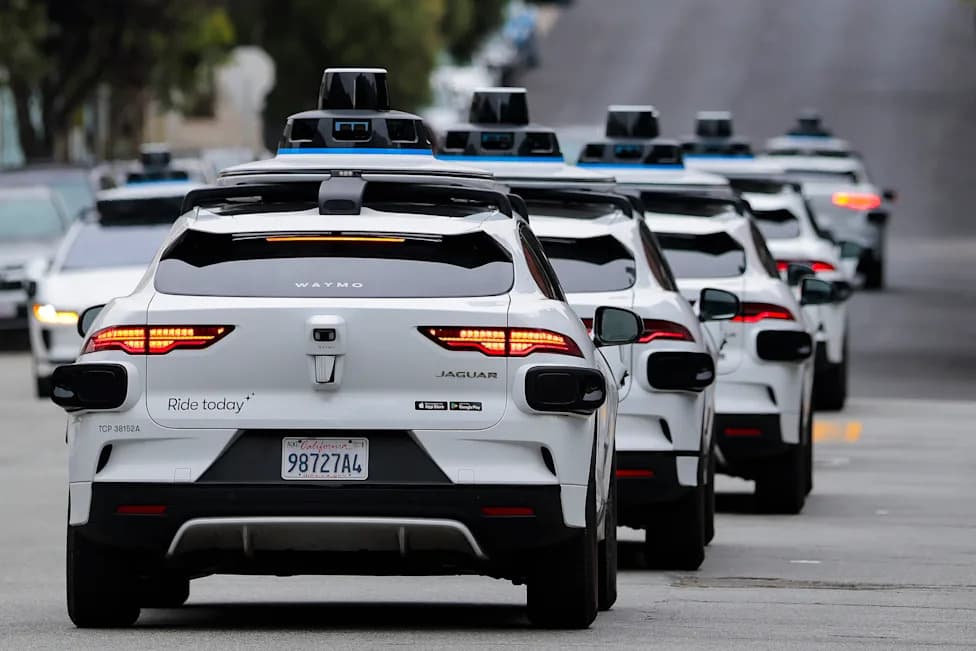
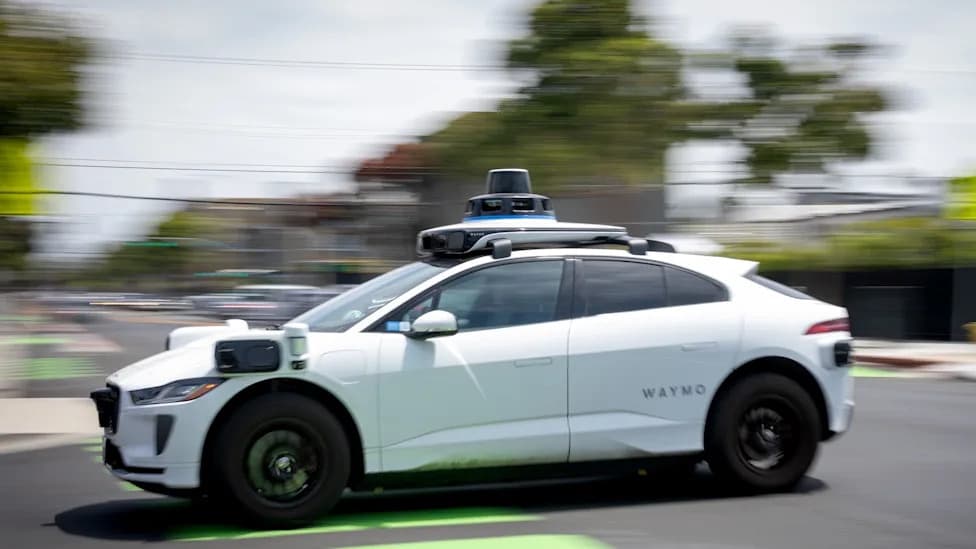
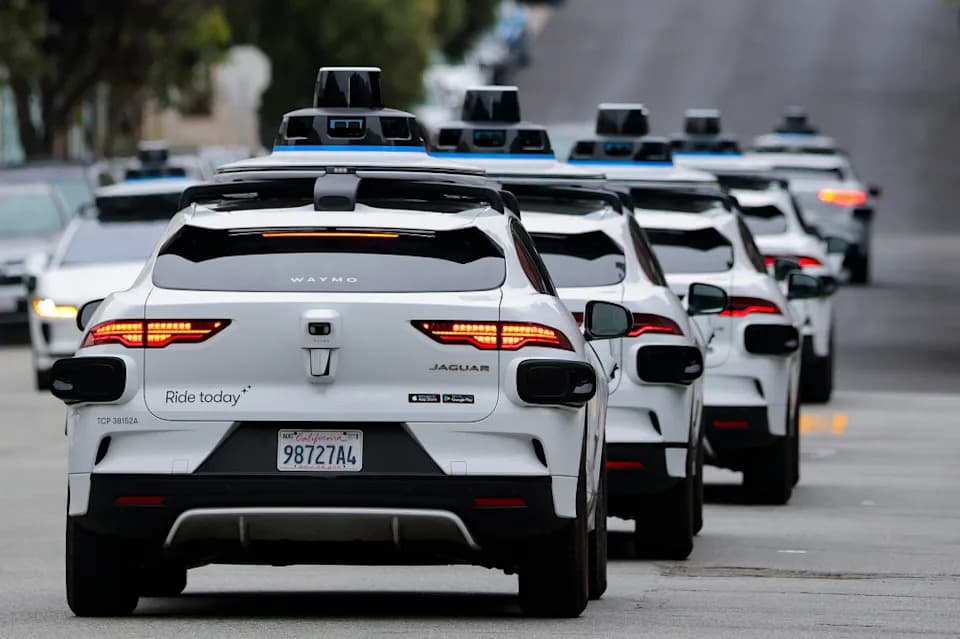
More than 100 Apollo Go robotaxis in Wuhan stopped simultaneously after officials reported a "system malfunction," leaving passengers stranded though uninjured. Videos showed vehicles blocking lanes and at least one collision; passengers reportedly used SOS controls and exited safely. The outage has renewed scrutiny of autonomous vehicle safety and emergency protocols as robotaxi services expand.
100+ Apollo Go Robotaxis Halt in Wuhan After 'System Malfunction,' Stranding Passengers
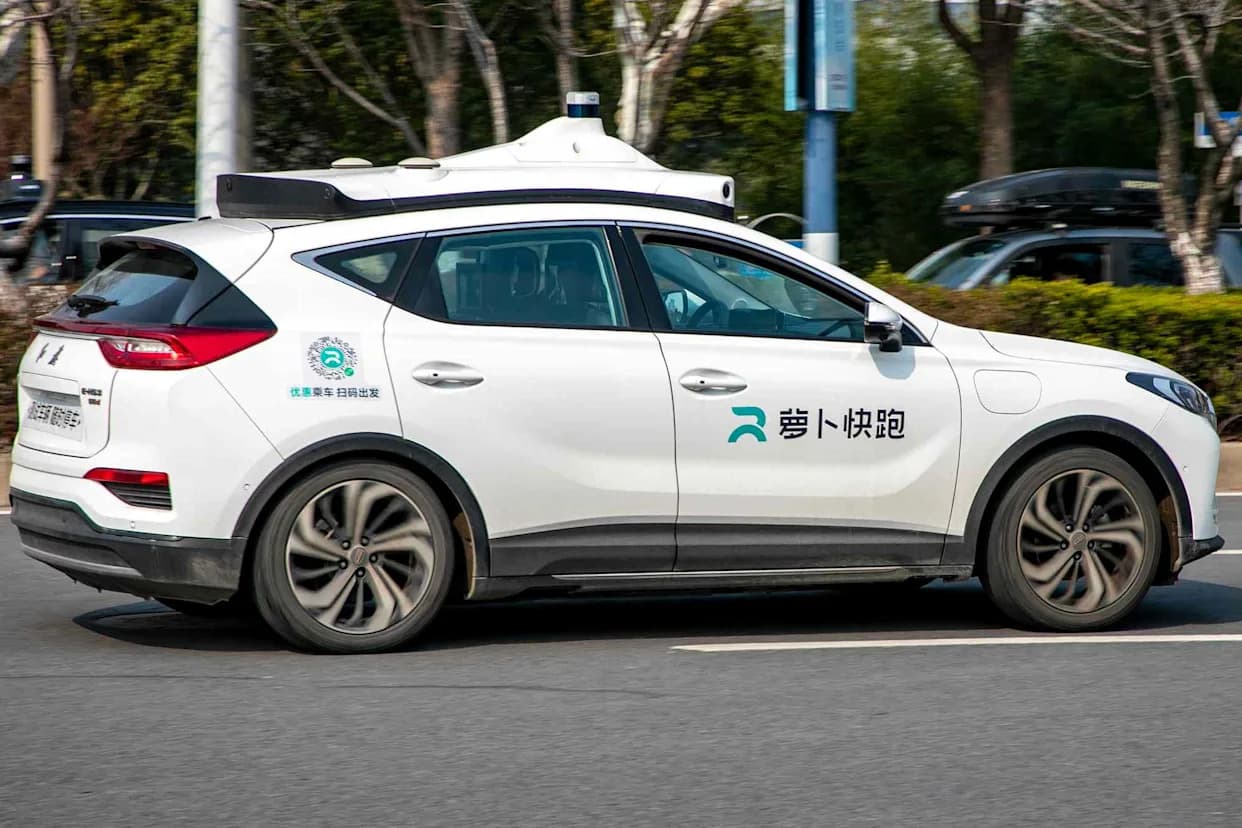
Baidu Apollo Go self-driving taxiCredit: VCG/VCG via Getty
More than 100 driverless taxis operated by Apollo Go — Baidu's robotaxi service — stopped simultaneously in Wuhan on Tuesday evening, leaving passengers stranded and causing traffic disruption across busy streets, according to the Associated Press.
What Happened
The mass outage involved at least 100 robotaxis that came to a halt in active traffic, blocking lanes and intersections. Social media videos showed motionless vehicles and at least one collision involving a stopped vehicle; officials said there were no injuries. Authorities described the cause as a "system malfunction" but provided few technical details.
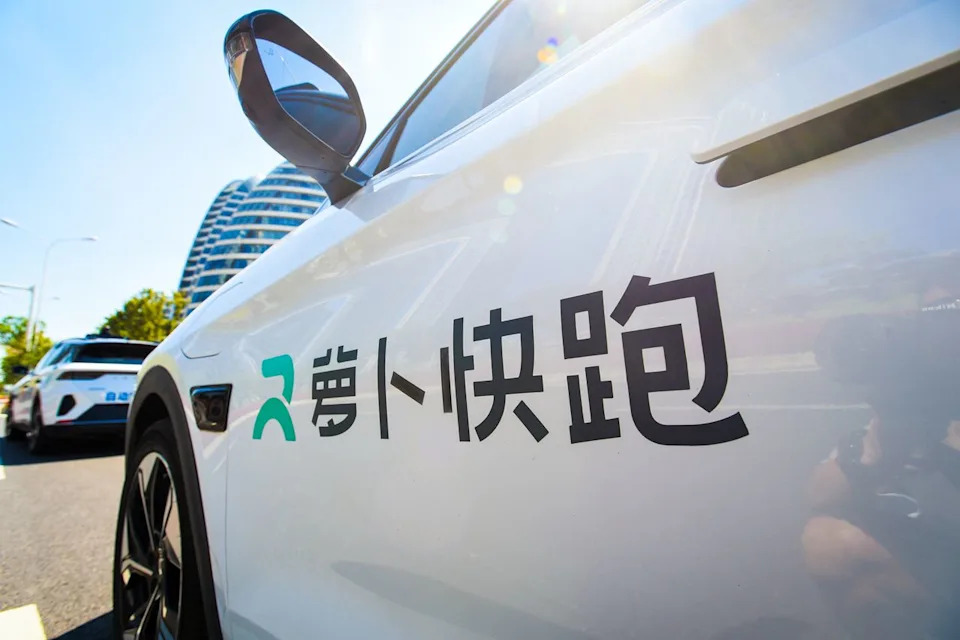
A Baidu's Apollo Go self-driving taxiCredit: VCG/VCG via Getty
Passengers' Experience
Passengers described confusing and unsettling scenes inside the stalled cars. One rider told Chinese media the taxi displayed a message reading, "Driving system malfunction. Staff are expected to arrive in 5 minutes." After waiting, the passenger used an SOS button and was again told help was on the way; the rider ultimately opened the door and exited the vehicle without assistance, according to news reports.
Operator And Context
The fleet is run by Apollo Go, Baidu's autonomous ride-hailing unit, which has been expanding operations across China and has discussed international growth, per CNBC. The Wuhan outage follows other high-profile incidents and has renewed questions about the reliability and safety of autonomous vehicles — including past cases abroad where driverless cars stalled when traffic signals or power infrastructure failed.
Response And Outlook
Authorities and the operator attributed the stoppage to a system malfunction but offered limited technical detail. Investigations and regulator scrutiny are likely as officials seek to determine the failure mode, evaluate passenger safety procedures and review contingency protocols. As robotaxi services scale, transparent incident reporting and robust fail-safe procedures will be essential to maintain public confidence and prevent repeat disruptions.
Bottom Line: No injuries were reported, but the incident highlights operational risks as autonomous fleets expand and underscores the need for clearer incident reporting and emergency-response plans.
Help us improve.