Yair Lapid warned Israel is being sent into a poorly resourced, multi‑front war that risks a “security disaster,” saying the military is “stretched to the limit and beyond.” He echoed concerns reportedly voiced by military chief Eyal Zamir. Israel plans to push into south Lebanon up to the Litani River, a move Lebanon says it will raise with the UN. Recent clashes have produced military and civilian casualties, and broader strikes on Iran and continued operations in Gaza add to regional tensions.
Lapid Warns Israel Is Heading Toward a 'Security Disaster' Amid Multi‑Front War
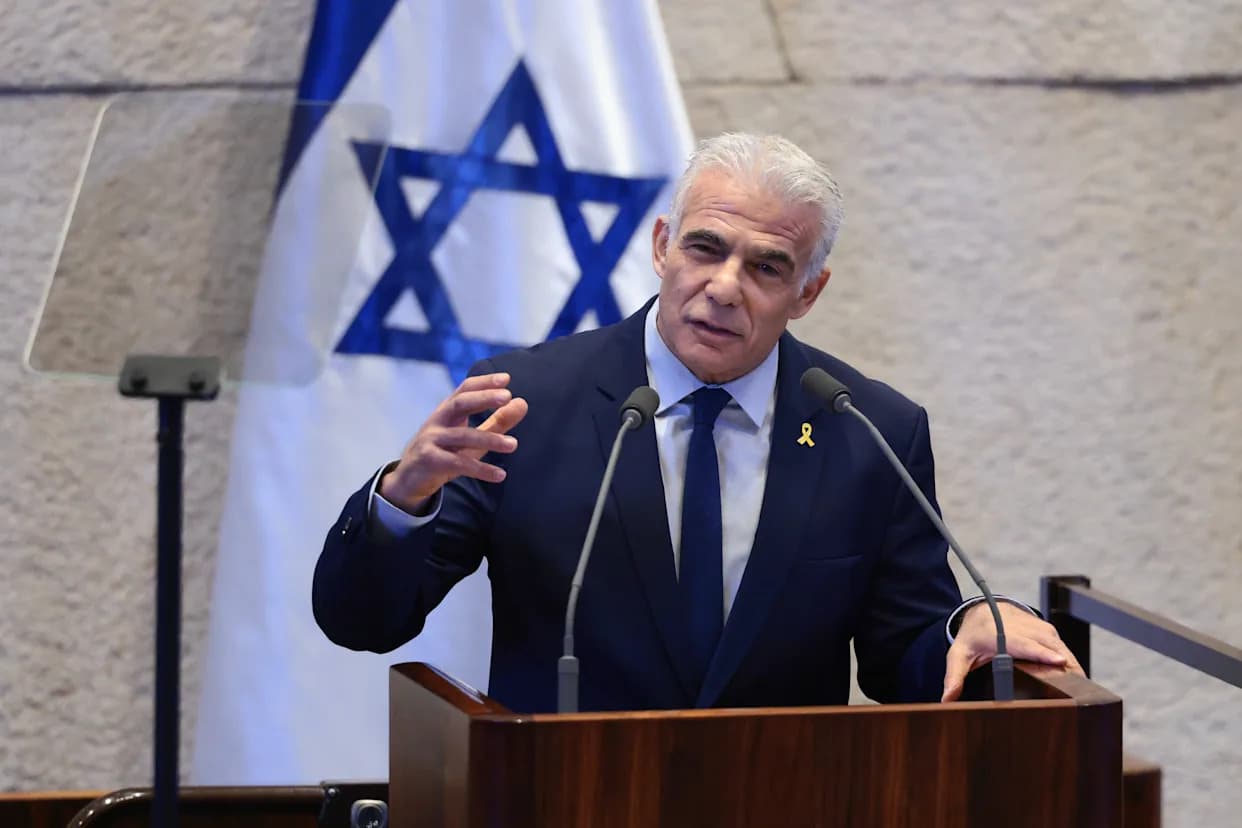
Israeli opposition leader Yair Lapid [File: Evelyn Hockstein/Pool via AP Photo]
Israel’s main opposition leader, Yair Lapid, warned late Thursday that the country is being pushed into a poorly resourced, multi‑front conflict that risks a “security disaster.” In a video address he argued the military is “stretched to the limit and beyond,” echoing concerns reportedly raised by military chief Eyal Zamir in leaked security‑cabinet remarks.
“The government is sending the army into a multi‑front war without a strategy, without the necessary means, and with far too few soldiers,” Lapid said, emphasizing his view that political leadership has failed to prepare adequate resources or a coherent plan.
Although Lapid has been critical of the government’s handling of the campaign, he continues to support Israeli military operations in Gaza, against Iran and in Lebanon. Last month he drew controversy by saying he supported expansionist aims “as far as Iraq,” and that some of his territorial views are rooted in Zionist and biblical references.
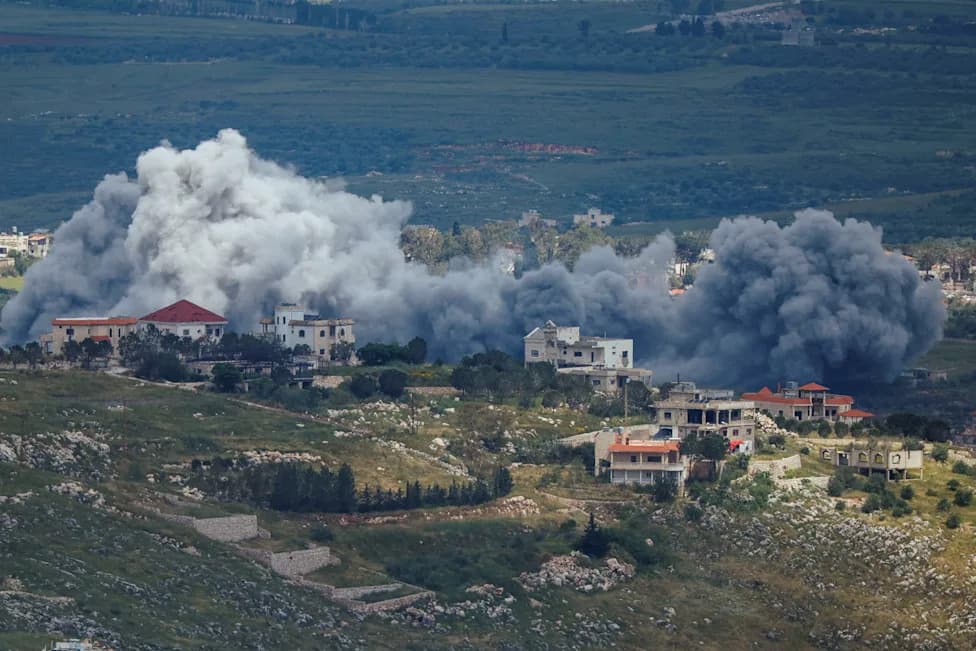
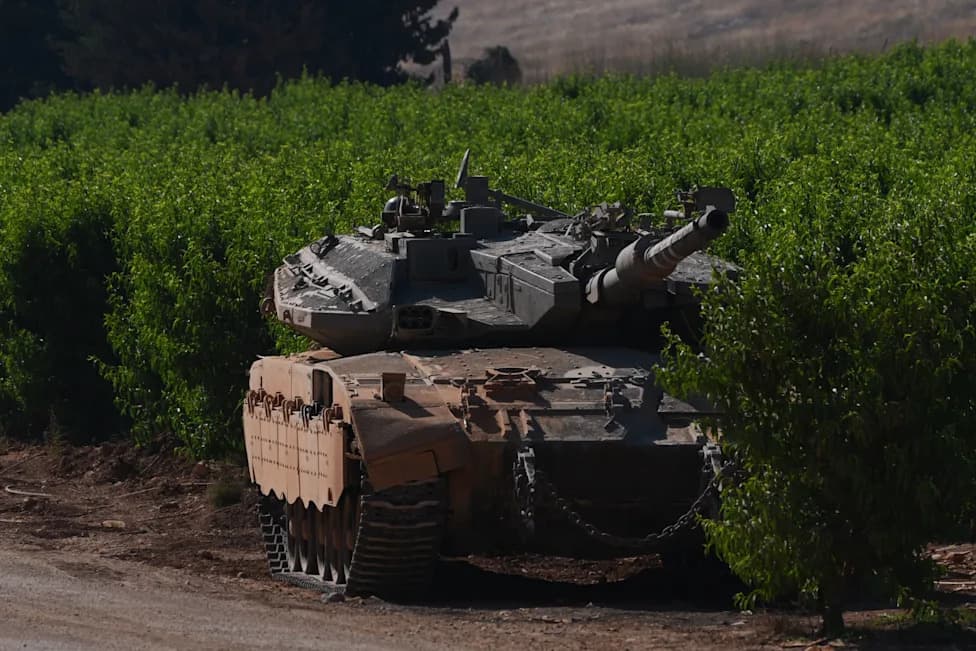
Military spokesman Effie Defrin told television viewers that “more combat soldiers are needed” to establish a defensive buffer inside southern Lebanon. This week Israel announced plans to take control of territory up to the Litani River, roughly 30 km (19 miles) north of the Israeli border. Lebanon has said it will raise complaints with the United Nations Security Council, calling Israel’s strikes a threat to its sovereignty.
Reporting from Ramallah, Al Jazeera correspondent Nida Ibrahim noted that many military analysts and opposition politicians fear the proposed buffer‑zone operation could be “very costly.” Recent incidents cited include two Israeli soldiers killed inside southern Lebanon during clashes with Hezbollah, and one Israeli civilian killed by what officials say was an anti‑tank missile fired from Lebanon.
Hezbollah has resumed cross‑border fire after several months of relative calm following a November 2024 ceasefire. The group said recent rocket strikes into northern Israel prompted air‑raid sirens and civilian sheltering. The Israeli military has carried out sustained air strikes in Lebanon since a cross‑border incident on March 2, which Hezbollah said was in response to an attack on an Iranian‑linked target; that claim is reported by the group and not independently verified here.
Separately, reporting indicates that United States‑Israeli strikes on targets in Iran since late February have killed nearly 2,000 people. Iranian rocket and missile strikes inside Israel have killed at least 19 people and wounded more than 5,229, according to the figures cited in this report.
At the same time, Israeli operations in the Gaza Strip have continued since an October 2025 ceasefire. The reporting cites more than 700 Palestinians killed in strikes in the enclave since that cessation of major hostilities, alongside ongoing restrictions on aid and goods entering Gaza.
Political and security implications: Lapid’s public criticism underscores mounting domestic unease about the government’s strategy and resource planning as Israel confronts simultaneous threats on multiple fronts. The debate may shape Israeli politics and military decisions in the coming weeks.
Help us improve.