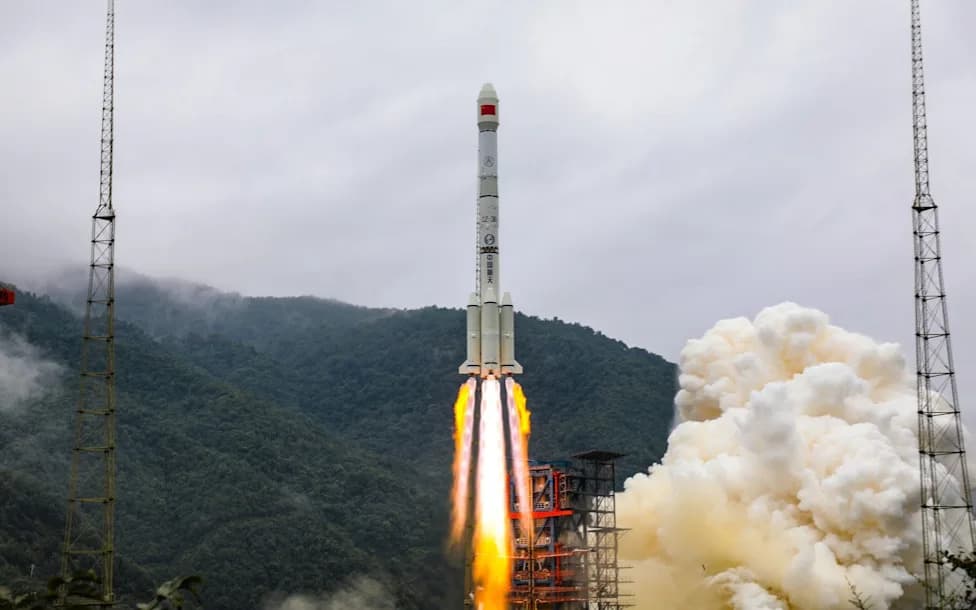
Recent filings and policy moves have pushed space-based solar power (SBSP) and orbital data centers from concept toward potential deployment, raising urgent legal issues. Key concerns include spectrum allocation and BIU deadlines, orbital debris and liability, and governance gaps for data, cybersecurity, and sanctions compliance. Practical reforms likely to appear soon include risk-based access rules, requirements for real-time position transparency, safety standards for power beaming, and specialized dispute-resolution mechanisms.
Orbital Data Centers and Space Solar: Legal Frontiers for a New Space Economy
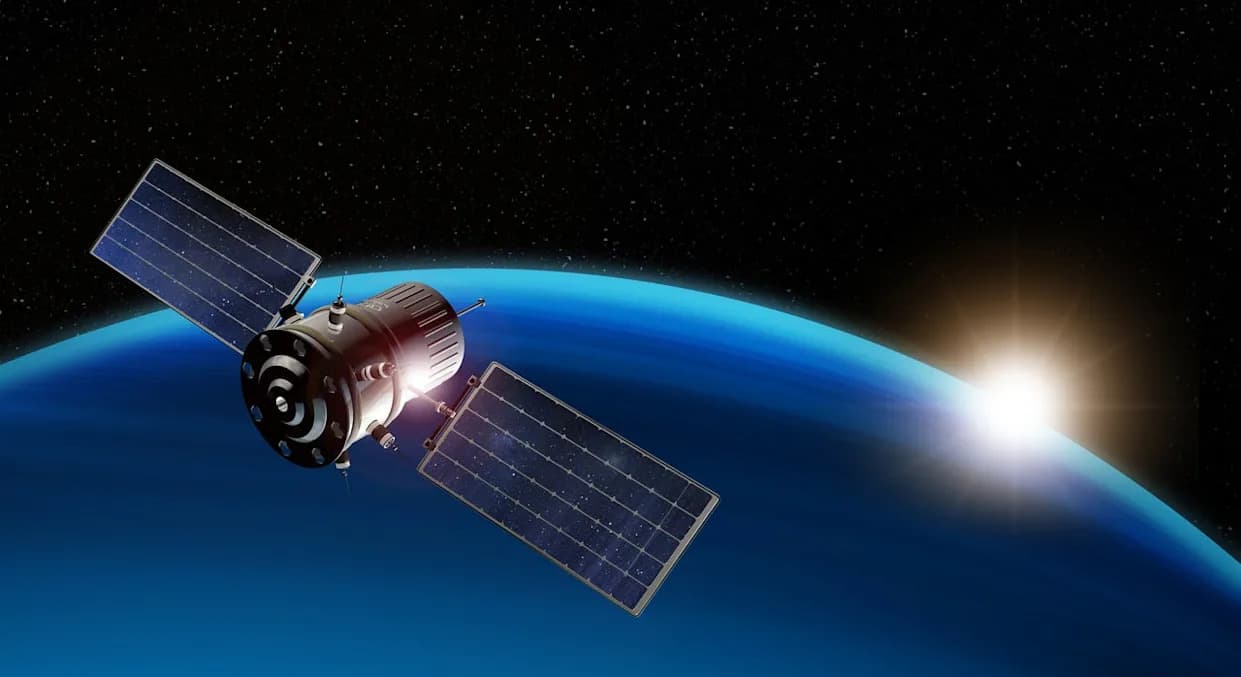
3d illustration of satellite orbiting the earth
Space-based solar power (SBSP) and proposals for orbital data centers have moved from speculative engineering concepts into urgent legal and regulatory questions. Recent filings and policy activity make clear that commercial actors are preparing to deploy large-scale infrastructure in low Earth orbit (LEO) and geostationary orbit (GEO), raising immediate issues about spectrum, orbital access, debris risk, and the governance of data and AI systems hosted off-Earth.
Why Orbital Data Centers Matter
For decades the idea of collecting solar energy in orbit and beaming it to Earth stalled on a cluster of technical and regulatory challenges—most notably the "last mile" of transmitting energy through the atmosphere (via microwave or laser). That transmission step creates complex problems: spectrum coordination, aviation and public-safety risks, land-use debates for ground receivers, cross-border approvals, ecological concerns, and broad public acceptance hurdles.
By contrast, orbital data centers propose to generate and consume power in space, eliminating the most legally contentious element of SBSP—the downward transmission of energy. This seemingly small shift changes the legal calculus, but it also foregrounds new and unresolved questions about how to govern dense, commercial activity in orbital commons.
Recent Developments Turning Theory into Practice
- SpaceX (Jan 2026): FCC filing seeking authorization for up to 1,000,000 satellites described as “orbital data centers” in non-geostationary orbit, triggering an active administrative proceeding.
- Starcloud: Public filings proposing an ~88,000-satellite constellation intended to host on-orbit AI/data-processing capacity.
- Google: Reported work on “Project Suncatcher” to integrate persistent solar collection with on-orbit processing.
- Startups & Policy: Companies like Aetherflux and national policy initiatives in the UK, China, and Japan indicate growing commercial and governmental interest in SBSP and orbital-energy markets.
Legal and Regulatory Gaps
The core international framework—the Outer Space Treaty (1967), the Liability Convention, and related instruments—was drafted for a different era: government-led exploration, limited orbital traffic, and largely scientific objectives. These instruments define satellites as “space objects” and set state responsibilities, but they do not address:
- Data governance, privacy, and cybersecurity for services hosted in orbit;
- Cross-border control of data processing and sanctions compliance for AI systems operating off-Earth;
- Practical allocation of orbital space when commercial volumes create de facto exclusivity despite the non-appropriation principle;
- Clear, enforceable multinational rules for collision risk, transparency, and contingency liability tied to rapidly growing constellations.
ITU, BIU, And Spectrum Risks
The International Telecommunication Union (ITU) coordinates orbital slots and spectrum and imposes "bring-into-use" (BIU) deadlines to deter speculative filings. Failure to meet BIU milestones can forfeit priority and spectrum access—undermining financing and contractual obligations for large projects. The Rivada case (an ITU waiver allowing a delayed 10% LEO deployment milestone) illustrates that waivers may suspend enforcement but do not amend treaty obligations. For SBSP-based data-center constellations, robust BIU risk management and demonstrable capability (funding, manufacturing, launch readiness) are essential before filing for orbital rights.
Liability, Debris, And Enforcement
The Convention on International Liability for Damage Caused by Space Objects (Liability Convention) ties responsibility for damage in outer space to fault (negligence or willful misconduct). Orbital congestion is rising: the European Space Agency’s 2025 Space Environment Report warns of growing collision risk. Enforcement is already emerging—e.g., the FCC’s 2023 consent decree with DISH over EchoStar-7 (a $150,000 penalty and a compliance plan). While monetary penalties to date have been modest, the precedent signals regulatory willingness to impose consequences for debris-mitigation failures—an important consideration for large, long-lived SBSP and orbital data platforms.
Commercial Disputes And Dispute Resolution
As commercial orbital activity expands, disputes will multiply: debris and liability claims, contract performance and service outages, partnership governance, and cross-border regulatory conflicts. International arbitration is likely to be the preferred forum for many of these disputes. Jurisdictions with established arbitration ecosystems—such as Miami—may become prominent venues for resolving complex, cross-border space-industry claims involving financing, construction, launches, and operations.
Likely Near-Term Reforms
The non-appropriation principle is unlikely to be repealed, but we should expect rapid adaptation of practical rules. Probable near-term reforms and regulatory trends include:
- Risk-Based Access: Financial guarantees or insurance tied to collision and debris risk.
- Greater Transparency: Requirements for near-real-time sharing of position and maneuver data for large constellations under multinational coordination.
- Safety Standards for Power Beaming: If SBSP-to-Earth returns to prominence, international standards will be required to protect aviation, public safety, and ecosystems.
- Cybersecurity & Data Governance: Explicit obligations in space licenses governing data protection, access, and sanctions compliance for hosted AI systems.
- Specialized Dispute Mechanisms: Tailored arbitration rules and dedicated forums for orbital disputes involving jurisdiction, service obligations, and state responsibility.
Conclusion
Solar power satellites and orbital data centers are no longer purely theoretical. Recent regulatory filings and commercial plans make the legal challenges real and urgent. We are approaching a moment when regulatory permission and licensing will determine de facto allocation of orbital resources—creating exclusivity and priority without formal property titles. The coming decade will test whether existing institutions can adapt quickly enough to manage industrial-scale activity in Earth orbit and to balance innovation with safety, equity, and international obligations.
—Aleksey Shtivelman is a partner in the Miami office of Shutts & Bowen LLP and a member of the firm’s International Litigation and Arbitration Practice Group.
Help us improve.