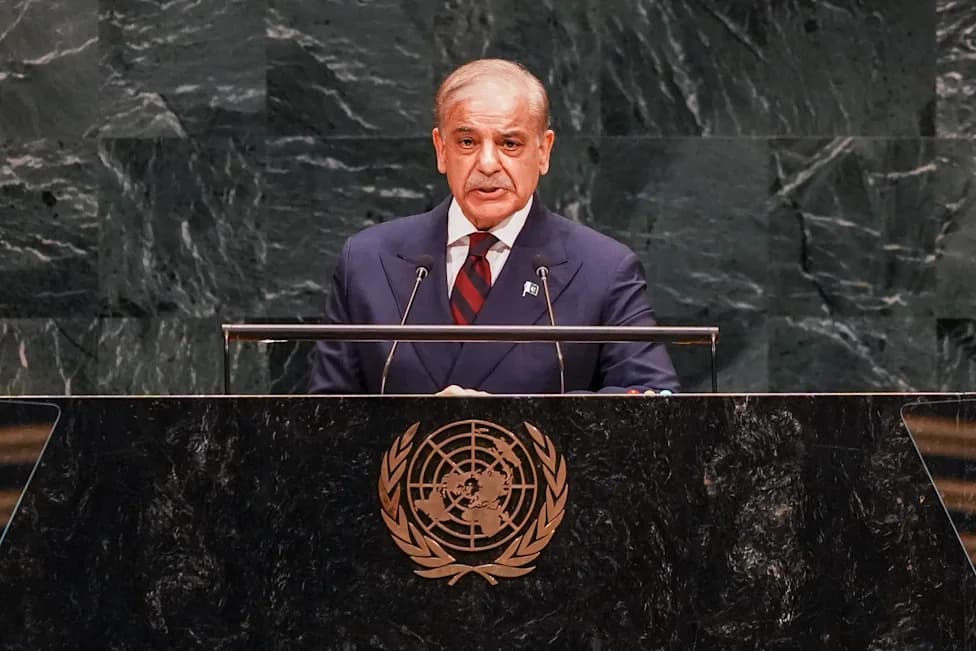
Pakistan is attempting to balance competing pressures as the Iran conflict intensifies, condemning strikes while urging de‑escalation. A new defense arrangement with Saudi Arabia ties Islamabad more closely to Riyadh and complicates ties with Tehran, with both security and economic implications. Islamabad is positioning itself as a possible mediation venue for U.S.‑Iran talks, but analysts warn Pakistan’s room for neutrality is narrowing amid border clashes, domestic strains and growing regional demands.
Pakistan’s Delicate Balancing Act: Navigating Iran Conflict, Saudi Pact and Regional Security
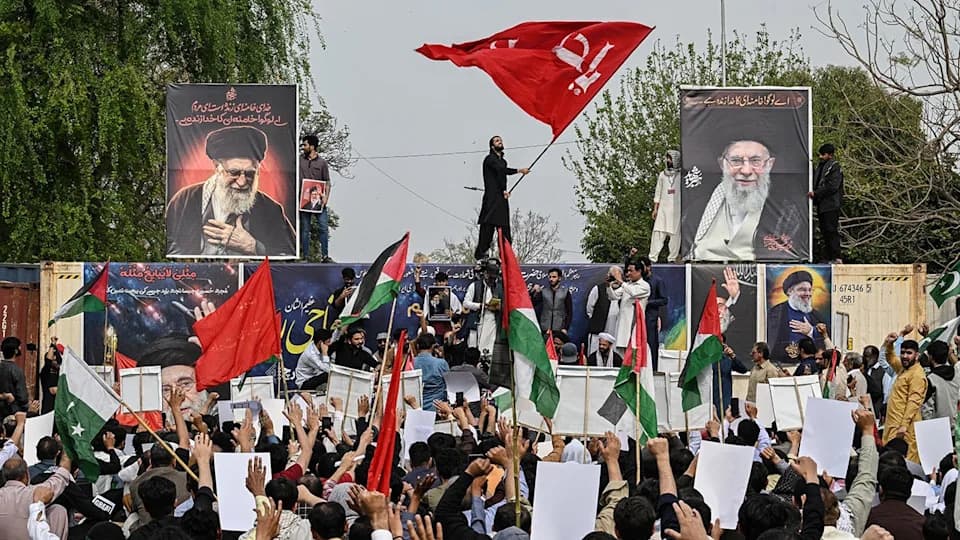
Shia Muslims holding portraits of Iran's slain supreme leader Ayatollah Ali Khamenei take part in an anti US-Israel protest in Islamabad on March 6, 2026.(Getty Images)
Pakistan is walking a diplomatic tightrope as the conflict involving Iran escalates, with each new development narrowing Islamabad’s room for neutrality. The country has condemned strikes on Iran while simultaneously urging de‑escalation — a posture complicated by overlapping security ties, economic dependencies and mounting domestic pressures.
Diplomatic Tightrope
Islamabad has presented itself as a potential mediator between Washington and Tehran, though analysts question how convincingly it can play that role. “Pakistan is putting itself forward as a mediator between the U.S. and Iran, but unconvincingly,” Edmund Fitton‑Brown, a senior fellow at the Foundation for Defense of Democracies, told Fox News Digital. “Its own record of staying out of military entanglements is unimpressive.”
Saudi Pact Raises Stakes
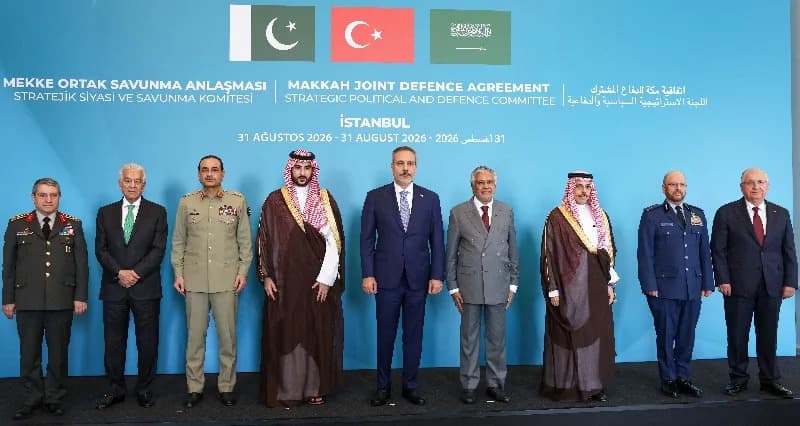
At the center of Pakistan’s dilemma is a recently announced defense arrangement with Saudi Arabia that frames aggression against one party as a threat to both. The pact deepens Islamabad’s security alignment with Riyadh and raises the prospect of heightened friction with Tehran. Pakistan already has personnel in Saudi Arabia for training and defense support and has publicly stated there is “no question” of coming to the kingdom’s aid.
Economic and Border Considerations
Pakistan’s ties to Iran are equally significant. The two countries share roughly a 565‑mile border, substantial trade links and important religious connections: Pakistan hosts one of the world’s largest Shiite communities. Iran is also a key economic partner as Pakistan navigates a severe balance‑of‑payments crisis; the two countries have set an ambition of reaching $10 billion in bilateral trade by 2028.
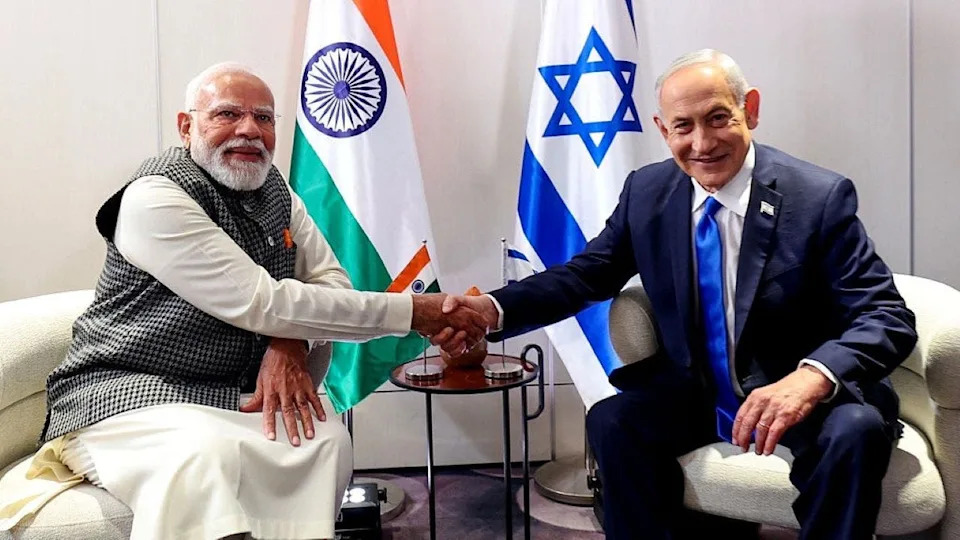
Indian Prime Minister Narendra Modi meets with Prime Minister of Israel Benjamin Netanyahu in New Delhi, India on Feb. 25, 2026.
Maritime routes matter too: most of Pakistan’s crude oil and LNG imports transit the Strait of Hormuz. Last week a Pakistani oil tanker moved through the waterway — reportedly the first non‑Iranian commercial vessel since tensions escalated — which officials and analysts interpreted as a possible sign that safe passage had been negotiated for some shipments.
Regional and Domestic Security Pressures
Pakistan faces simultaneous security challenges on multiple fronts. Tensions with India remain high, and the western border with Afghanistan has seen frequent clashes, drone strikes and rising civilian casualties. Islamabad has carried out recent strikes against targets in Afghanistan, increasing pressure along its western frontier. Domestic stability is also a concern: authorities have at times deployed forces and imposed curfews to manage protests and sectarian tensions linked to regional events.
Relations With Major Powers
Beyond Riyadh and Tehran, Islamabad must manage its relations with Washington and Beijing. Under the current U.S. administration, Pakistan has sought closer ties with the United States. U.S. officials have publicly said they are assessing Pakistan’s posture toward Iran. At the same time, Pakistan seeks to preserve strategic relationships with China and other regional players.
Mediation Prospects and Outlook
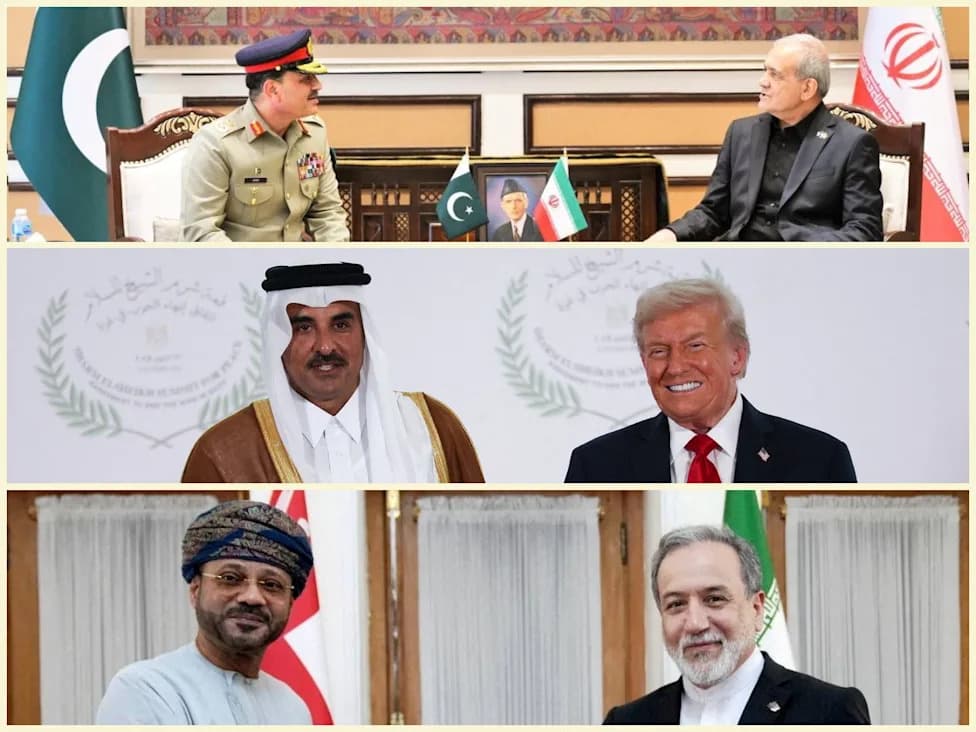
Reports indicate that high‑level U.S.‑Iran talks could be held in Islamabad soon, underscoring Pakistan’s ambitions to play a mediating role. Pakistani officials say they are in nearly constant contact with counterparts across the region, and Islamabad has positioned itself as an interlocutor that can leverage ties with multiple powers to press for de‑escalation.
Analysts warn, however, that Pakistan’s margin for neutrality is shrinking. Balancing obligations to Saudi Arabia, economic reliance on safe energy transit routes, political relations with Iran, and volatile domestic and border security make the coming weeks a critical test for Islamabad’s diplomacy and stability.
Bottom line: Pakistan’s effort to mediate and maintain stability is credible in intent but constrained in practice by competing security commitments, economic vulnerabilities and mounting regional tensions.
Help us improve.