The U.S. stood alone at the U.N. Commission on the Status of Women after a Belgian-led "no action" motion — introduced on behalf of the EU — blocked a U.S. resolution that would have defined "gender" as referring to men and women. The U.S. said the move was politically motivated and vowed to continue defending biologically based terminology; EU officials said the draft misquoted the 1995 Beijing Declaration and was rushed. The outcome matters because U.N. language can shape international policy on funding, education and anti-discrimination.
EU Blocks U.S. Bid To Define 'Gender' As Biological At U.N. Women's Forum
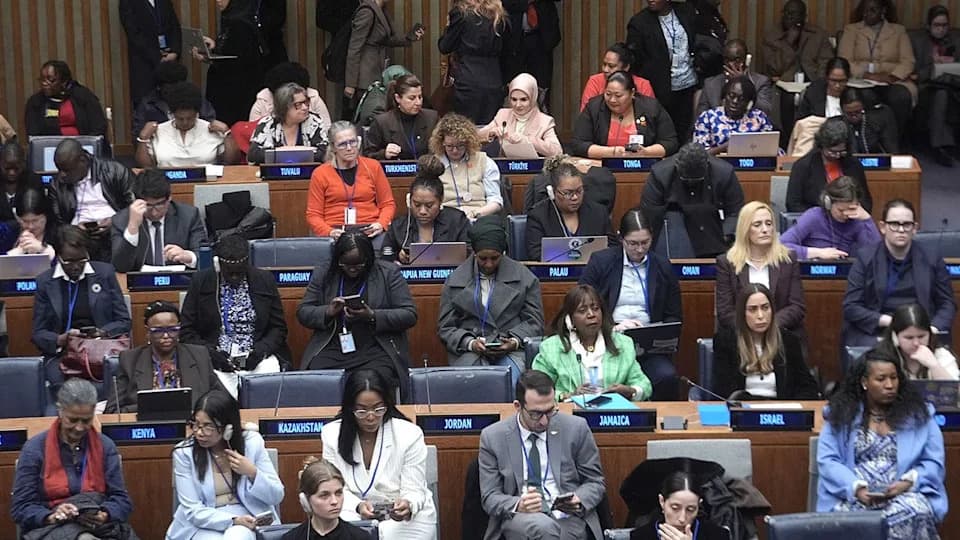
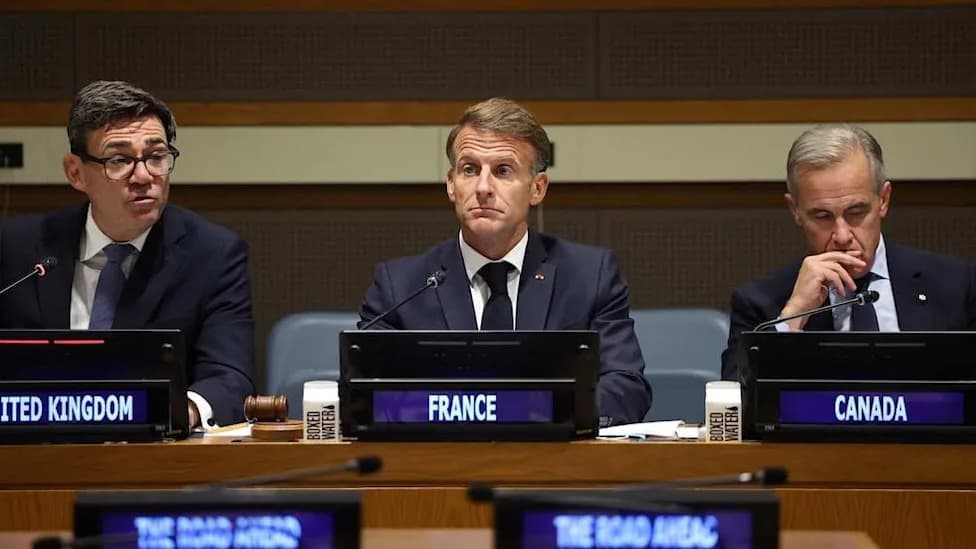
The "Violence Against Women and Girls" meeting, part of the 70th session of the United Nations Commission on the Status of Women in New York, on March 12, 2026.(Getty Images)
In early March at the United Nations Commission on the Status of Women (CSW), a European-led procedural move prevented a U.S. proposal to explicitly define "gender" in biological terms from being debated or voted on.

The Belgian flag is photographed in Antwerp, Belgium, on May 17, 2015.
The United States was the lone country to formally oppose the CSW's annual "Agreed Conclusions," arguing that the document's language departs from a biological understanding of women and girls. Washington had tabled a draft resolution titled "Protection of women and girls through appropriate terminology," which sought to anchor the term "gender" in its "ordinary, generally accepted usage" as referring to men and women.
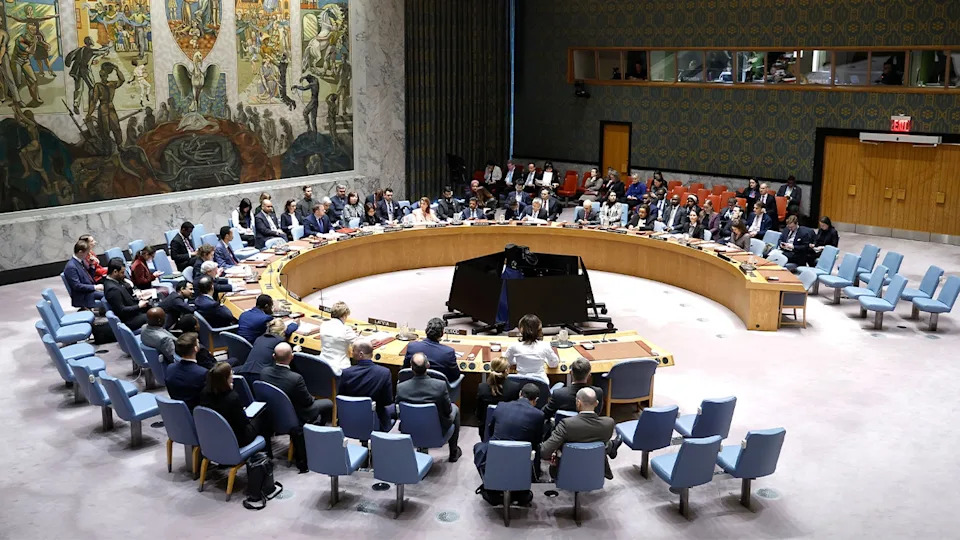
Delegates attend a United Nations Security Council meeting on Feb. 24, 2026, in New York City.
Before the U.S. draft reached the floor, Belgium, speaking on behalf of the European Union, introduced a "no action motion" — a procedural tool that blocks debate and prevents a proposal from being considered. The motion passed, halting the U.S. resolution.
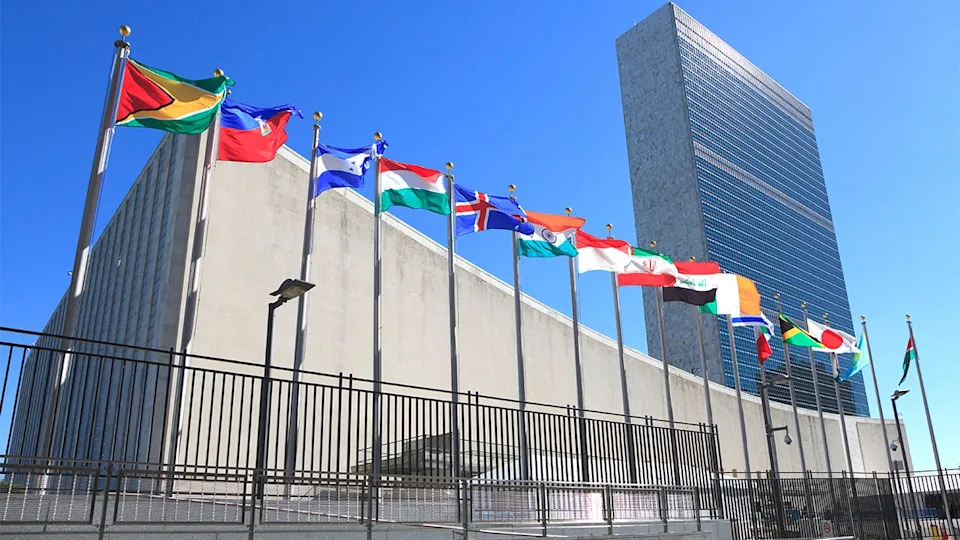
The United Nations in New York City.
Why It Matters
Language adopted at U.N. meetings can influence international norms that shape development funding, humanitarian programming, education policy and anti-discrimination frameworks. Supporters of the U.S. draft said clearer, biologically based terminology protects women and girls; opponents argued the resolution was rushed, legally flawed and risked excluding gender-diverse people from protections.
Reactions From Both Sides
Bethany Kozma, director of global affairs at the U.S. Department of Health and Human Services, told Fox News Digital that the move to block the vote was intended to silence debate. "While our redlines were ignored, the United States Government will not stand by and watch as malicious forces misuse multilateral organizations to promote their ideologies and social agendas," she said, adding that the U.S. will "always protect women and girls from dangerous gender ideology and affirm biological truth."
David Jordens, a spokesperson for Belgium's foreign ministry, rejected the U.S. criticism and said the draft was "factually incorrect" and "misquotes and contradicts" language from the 1995 Beijing Declaration. He argued CSW members should not be forced into a rushed decision without prior consultation and emphasized there is "no universally agreed definition of the term 'gender'."
A State Department official, speaking on background, described the episode as part of a coordinated procedural effort by several European delegations and said smaller delegations can be disadvantaged in complex votes; those claims could not be independently verified.
Context
U.N. frameworks dating to the 1995 Beijing Declaration do not provide a single fixed definition of "gender." Member states and U.N. agencies have applied evolving interpretations that can encompass concepts of gender identity as well as sex. Any attempt to reinterpret language agreed at past conferences typically prompts calls for broad, transparent consultations among U.N. members.
Help us improve.