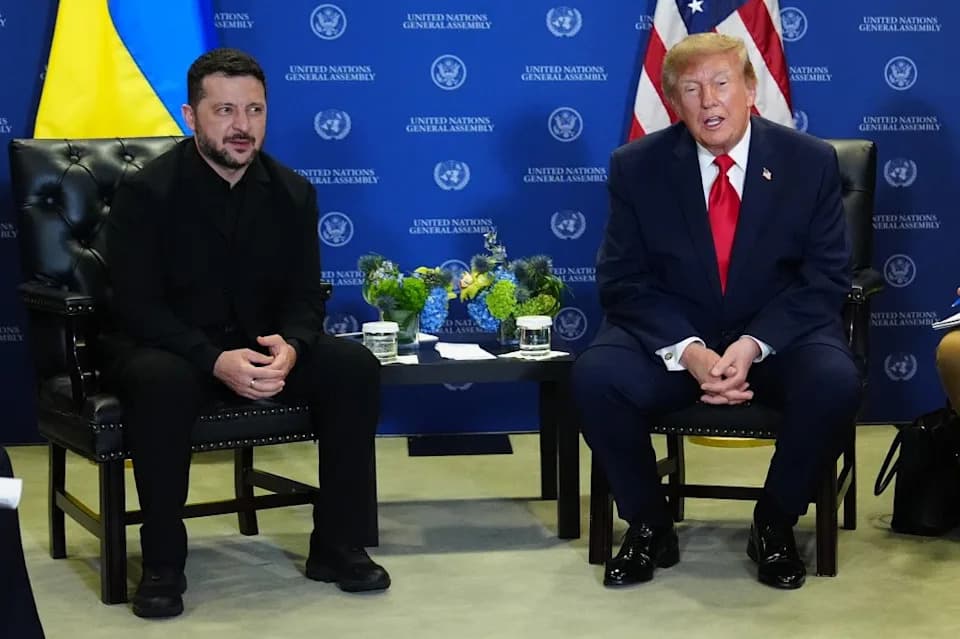
Russian forces have launched a strengthened spring offensive in eastern Ukraine, concentrating armor and mechanized units around Donetsk towns such as Lyman. Ukrainian commanders report 200+ daily engagements and intensified use of artillery, aviation and drones, while President Zelensky warns a Middle East conflict could indirectly benefit Russia. Analysts say Moscow may win limited tactical ground but is unlikely to seize the entire fortress belt; drone warfare and attrition are shaping operations.
Russian Spring Offensive Intensifies in Eastern Ukraine as Zelensky Warns Iran Conflict Could Strengthen Moscow
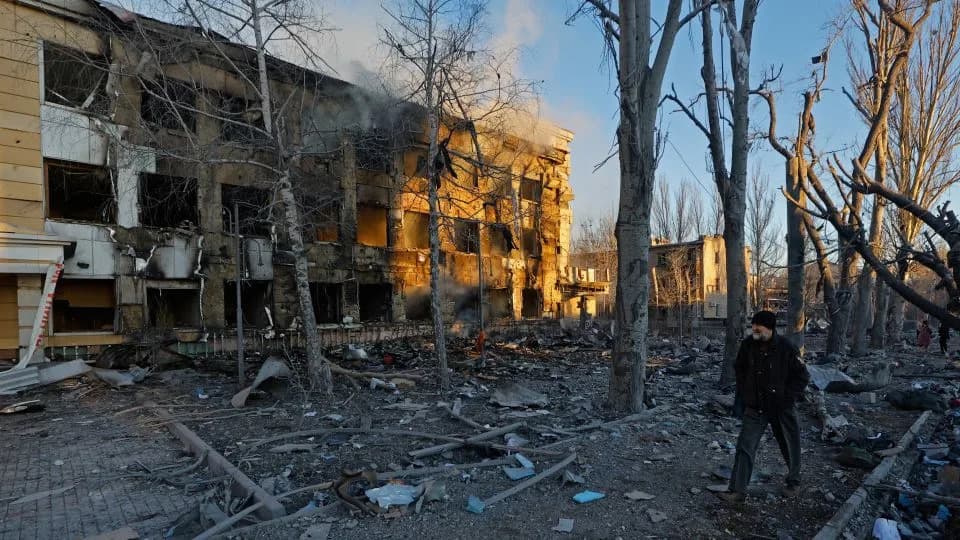
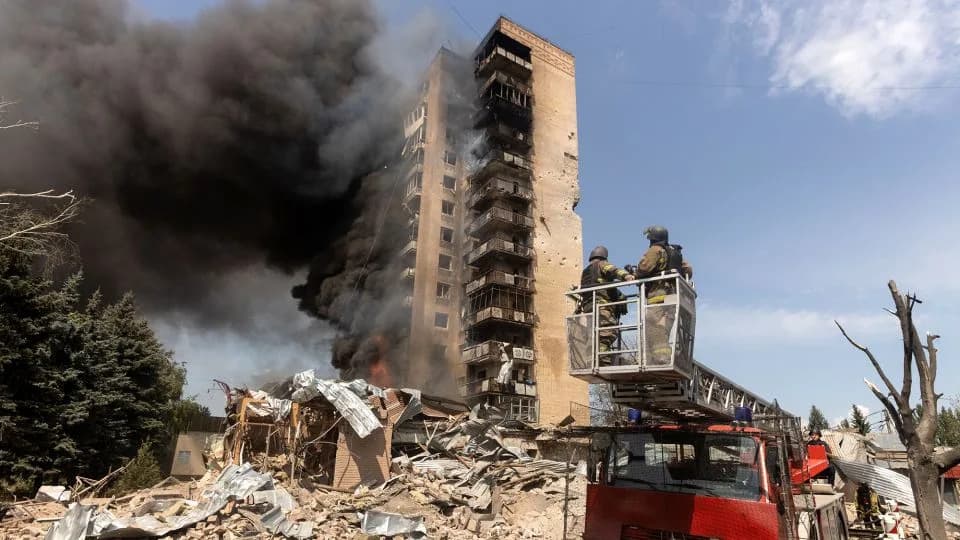
A children's hospital damaged by shelling in the Russian-controlled city of Donetsk in Ukraine - Alexander Ermochenko/Reuters
Russian forces have launched a renewed spring offensive in eastern Ukraine, deploying dozens of tanks and numerous armored vehicles, Ukrainian military officials and independent analysts report. The assault has gained momentum amid growing concern from Kyiv that a wider Middle East conflict could indirectly bolster Russia.
Escalation on Multiple Fronts
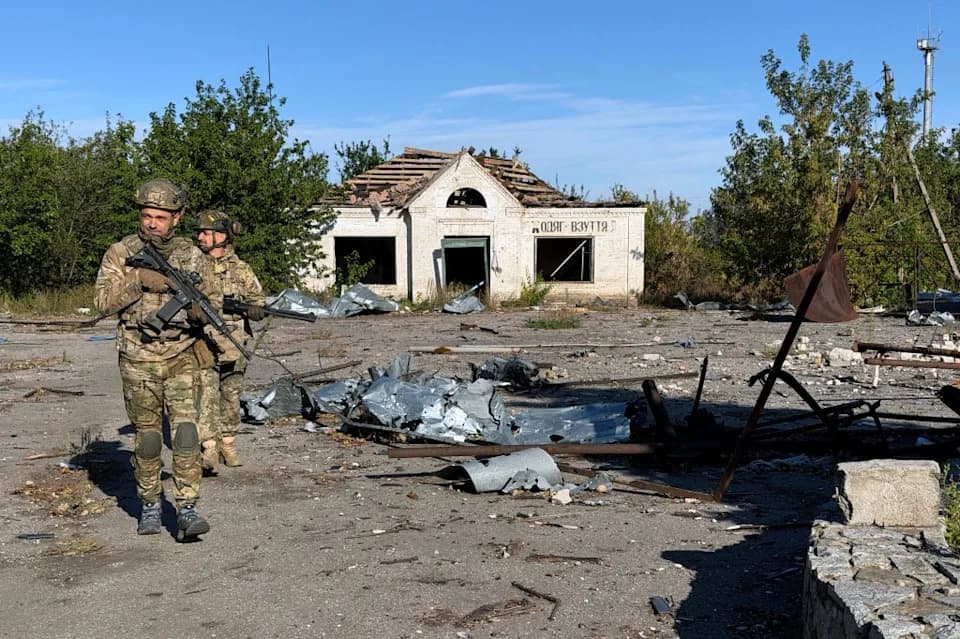
Ukrainian military chief Oleksandr Syrskyi said changing weather has enabled the Russian military to increase pressure across several frontline sectors. "For several days running, the number of combat engagements has exceeded 200," he said, while Ukrainian commanders have reported intense use of artillery, tactical aviation and drones.
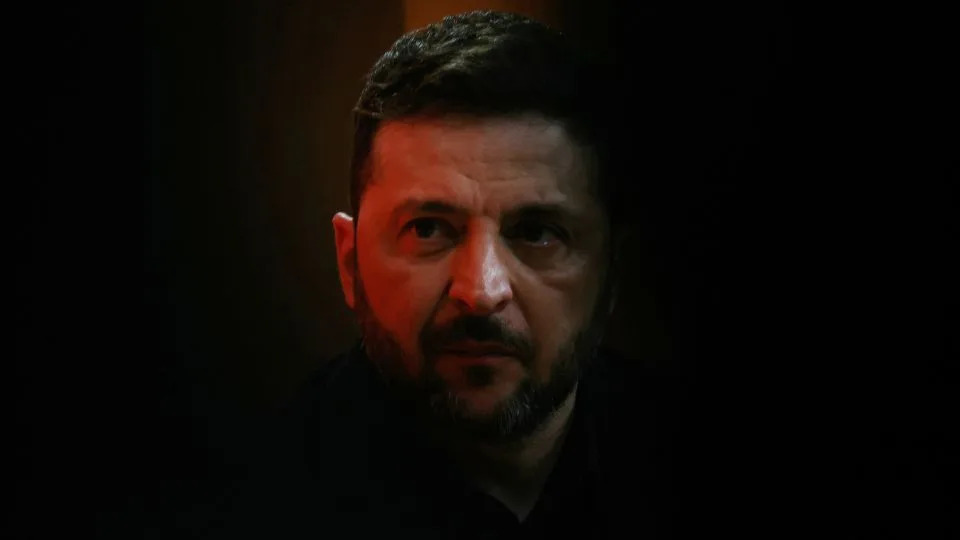
Ukrainian President Volodymyr Zelensky at a press conference in Paris - Alain Jocard/AFP/Getty Images
Focus On Donetsk: Lyman And The Fortress Belt
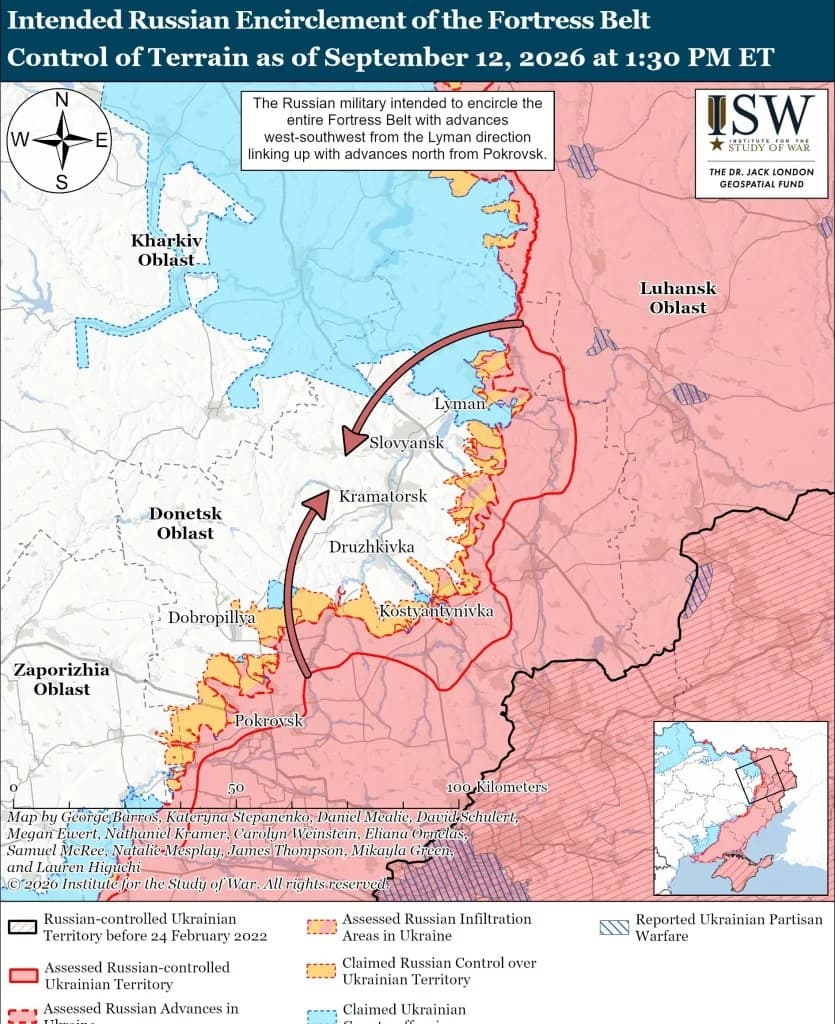
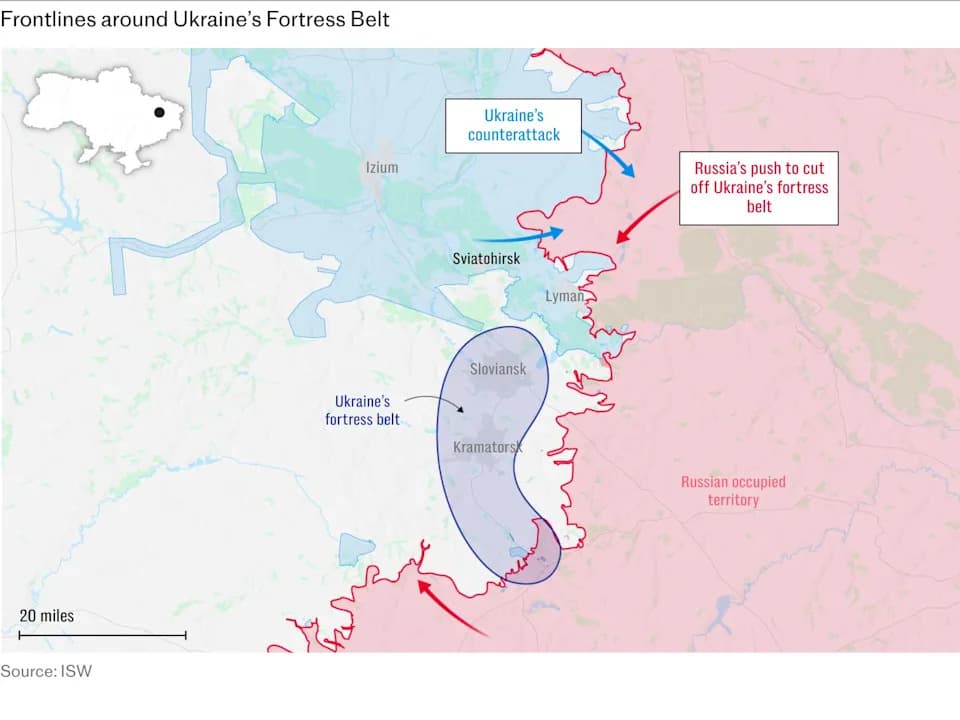
One focal point of the offensive is the town of Lyman in Donetsk, on the edge of Ukraine's so-called fortress belt and a key strongpoint guarding Sloviansk. Ukraine's Third Corps reported that Russian forces used nearly 30 armored vehicles and more than 500 infantry in the area, but Brig. Gen. Andriy Biletsky said those attacks were "thwarted on all fronts." The Washington-based Institute for the Study of War (ISW) called the operation a "battalion-sized" mechanized assault — larger than many recent Russian actions.
Indicators Of Wider Preparations
Dmytro Zaporozhets of Ukraine's 11th Corps said there are "active troop movements, reinforced artillery, tactical aviation and the widespread use of UAVs (drones) across all sectors," suggesting preparations for further offensives. ISW analysts warn Moscow may make limited tactical gains in Donetsk this year but assess that Russian units in the area are often exhausted, poorly trained and overstretched.
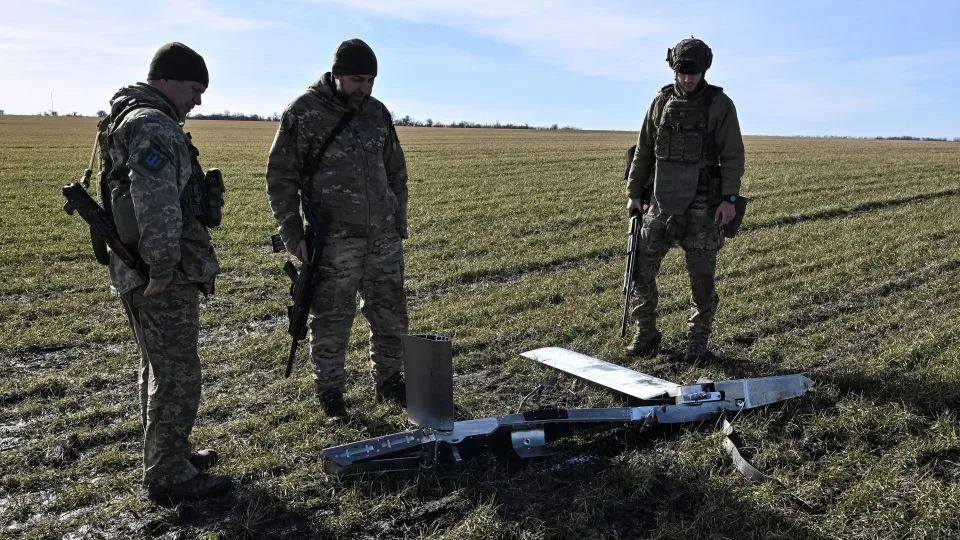
Ukrainian servicemen look at a planning and correction module for Russian air glide bomb, amid Russia's attack on Ukraine, in Zaporizhzhia region, Ukraine February 22, 2026. - Stringer/Reuters
President Zelensky: "You see that our diplomatic meetings, trilateral meetings, are constantly postponed. There is one reason: war in Iran." He added that a prolonged conflict in the Middle East could be "a plus" for President Putin by lifting oil prices and easing economic pressure on Russia.
Technology, Training And Attrition
The battlefield is increasingly dominated by surveillance and strike drones, complicating resupply and frontline movement. Ukrainian spokesmen describe persistent Russian reconnaissance drones and the use of strike systems such as the Molniya and Lancet. Ukrainian sources also say Russia has reduced basic training for ground-assault personnel from about one month to roughly one week, likely reflecting heavy attrition.
Current Territorial Picture
Despite ongoing pressure, Ukrainian forces continue to hold terrain in Donetsk and significant areas in Kherson and Zaporizhzhia. ISW judges that while Russia may achieve localized advances, seizing the entire fortress belt remains unlikely in the near term.
Note: Casualty figures cited by Ukrainian officials — including claims of high Russian losses — have not been independently verified. Reporting draws on statements from Ukrainian commanders, ISW analysis, and media interviews.
Help us improve.