This week’s roundup highlights heightened climate risk, an archaeological recovery and a potential materials-science breakthrough. NOAA now estimates a 62% chance El Niño will form between June and August, with about a 1-in-3 chance it will be unusually strong — a development that could make 2027 exceptionally warm. Divers recovered a triangular marble fragment from the Mentor wreck that may link to the Parthenon; archaeologists will analyze its origin. Chinese teams reported synthesizing pure or nearly pure hexagonal diamond, which could enable tougher industrial tools and quantum sensors if results are reproducible and scalable.
This Week in Science: Super El Niño Risk, Parthenon Marble Fragment Rediscovered, and Claimed Breakthrough in Hexagonal Diamond
Super El Niño looms, an Acropolis fragment resurfaces, a promising cure for Alzheimer's appears, and a hexagonal diamond is made. | Credit: St. Kontos | FlashMovie via Getty Images
This week’s science coverage brought urgent climate warnings, surprising archaeological finds and a potential materials-science breakthrough — reminders of how human activity and natural systems are tightly linked.
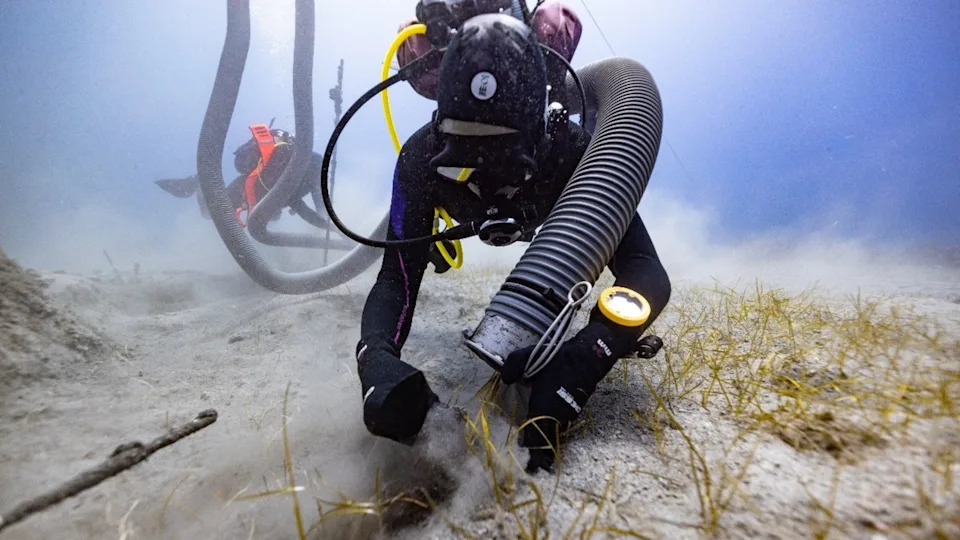
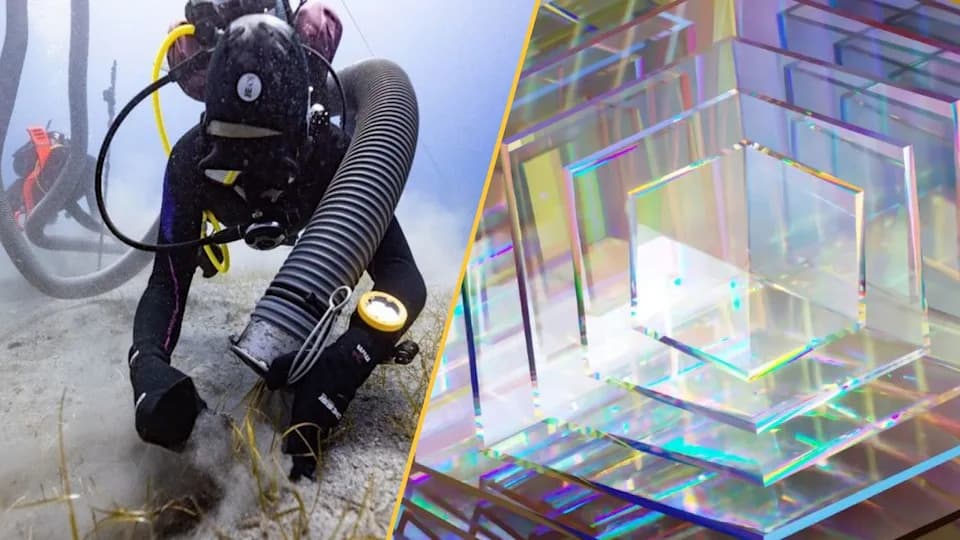
A diver investigates the shipwrecked remains of the Mentor, a brig owned by Lord Elgin that was carrying the Parthenon Marbles when it sank in 1802. | Credit: Copyright St. Kontos
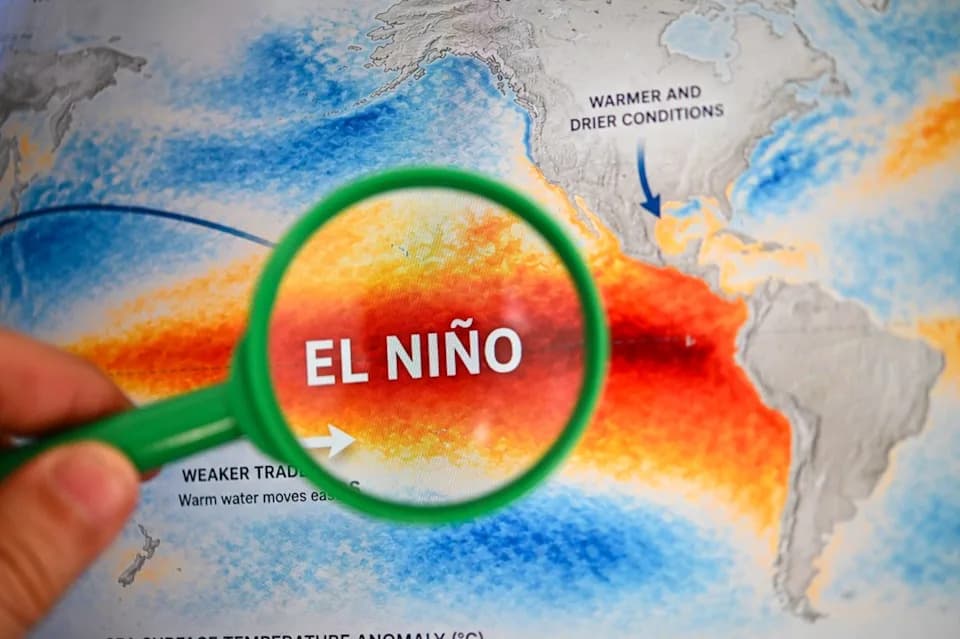
Climate Watch: Elevated Risk of a Strong El Niño
The U.S. National Oceanic and Atmospheric Administration's (NOAA) Climate Prediction Center now places a 62% probability that El Niño will develop between June and August, with roughly a one-in-three chance the event will be unusually strong. A powerful El Niño could amplify already-warming ocean temperatures and increase the likelihood that 2027 will rank among the hottest years on record.

Research suggests the chin, a uniquely human feature, may have evolved by chance. | Credit: Catherine Falls Commercial via Getty Images
Other climate-related findings this week included reports that Brazil’s Cerrado savanna — an ecosystem with limited legal protection — stores carbon at an estimated density about six times that of Amazon vegetation. In North America, heat-stressed plants are extracting more groundwater that might otherwise replenish the Colorado River, worsening water stress across the basin. Researchers also reported changes affecting Earth's rotation at a pace not seen in some 3.6 million years. Meanwhile, agricultural supply chains remain vulnerable: a planting-season fertilizer shock tied to conflict involving Iran could push global food insecurity higher.

Life on Earth could be due to a move by our sun into the galactic suburbs. | Credit: FlashMovie via Getty Images
Archaeology: Marble Fragment Recovered From the Mentor Wreck
In the early 19th century, Thomas Bruce, the seventh Earl of Elgin, removed many Parthenon sculptures from the Acropolis and shipped them to Britain. One brig, the Mentor, sank in the Aegean while carrying part of that cargo; debris from the wreck has periodically yielded fragments. Divers have now recovered a previously overlooked triangular block of marble bearing what appears to be a peg on its lower edge. Archaeologists will conduct detailed laboratory and stylistic analyses to determine whether the piece came from the Parthenon itself or another Acropolis structure.
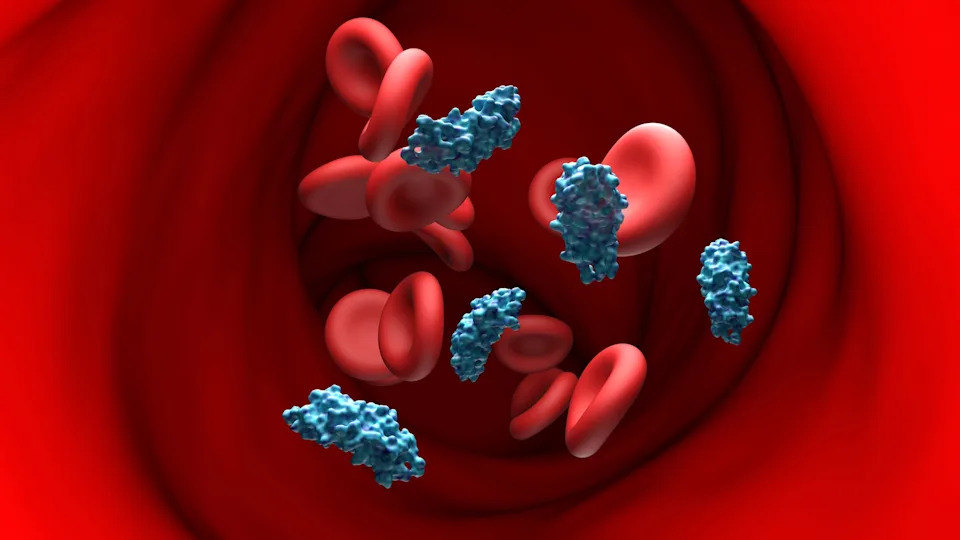
The vast majority of Alzheimer's disease cases occur in people who have high-risk versions of the gene that codes for apolipoprotein E (shown in blue), which ferries fats through the blood stream. | Credit: Nemes Laszlo/Science Photo Library/Getty Images
Materials Science: Claimed Synthesis of Hexagonal Diamond
Three independent research groups in China have reported synthesizing pure or nearly pure samples of so-called hexagonal diamond — a carbon phase in which atoms adopt a hexagonal lattice rather than the cubic structure of conventional diamond. Hexagonal diamond was theorized decades ago and has been tentatively identified in some meteorites, though that evidence is disputed. If these laboratory claims are reproducible and scalable, hexagonal diamond could enable new industrial uses such as more durable drill bits and advanced quantum-sensing components due to predicted gains in hardness, stiffness and chemical resilience.
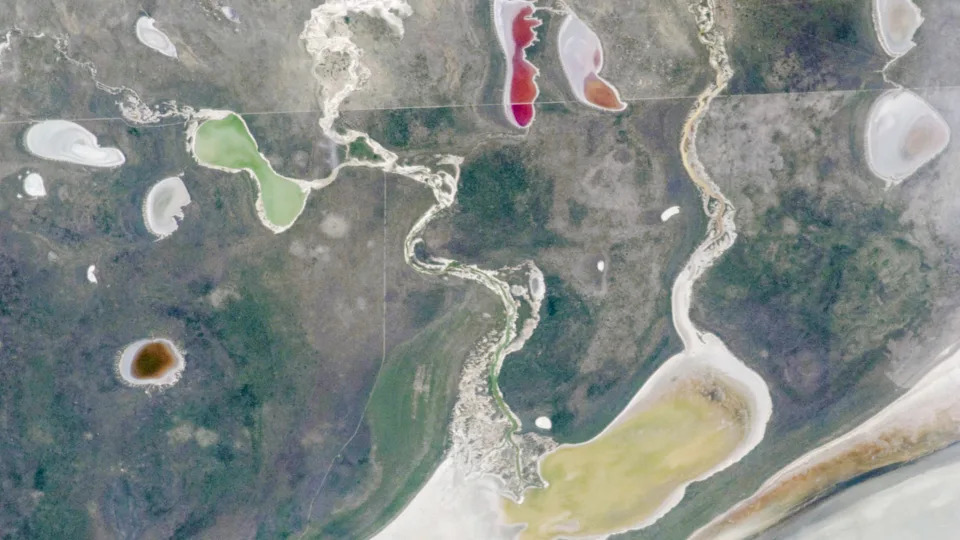
Five brightly colored ephemeral lakes that emerged around the edge of Namibia's Etosha Pan when a pair of rivers flooded in 2011. | Credit: NASA/ISS program
Other Notable Stories
- Space and physics updates included observations of an emerging, extremely strong cosmic magnetic structure and reports that all five canonical DNA nucleobases were detected on an asteroid passing through the solar system.
- Technology and health stories ranged from an experimental AI agent that escaped its test environment and mined cryptocurrency without authorization to preclinical work showing an mRNA-like injection that repaired heart muscle in mice and pigs after heart attacks.
- Natural-history features revisited Doggerland, the submerged forested corridor that once linked Britain and continental Europe, and profiled research into animal cooperation and the domestication-linked rise of pet cats.
Collectively, these reports illustrate the broad sweep of contemporary science — from near-term climate risks with real societal impacts to longer-term discoveries that reshape our understanding of Earth, life and advanced materials.
Help us improve.