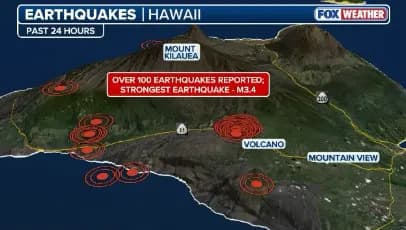
Hawaii is bracing for another kona storm that could bring heavy rain to already saturated soils less than a week after a record event that damaged roads and buildings. University of Hawaii data show parts of Maui received more than five feet of rain from March 10–16, including 33 inches in 24 hours at Haleakalā crater. Forecasters warn that runoff over wildfire burn scars increases erosion, debris flows and mudslide risk. Local crews are clearing roads and checking drains, but officials say fully preventing flood damage during extreme storms would be prohibitively expensive.
Hawaii Braces for More Rain as New Kona Storm Threatens Wildfire Burn Scars
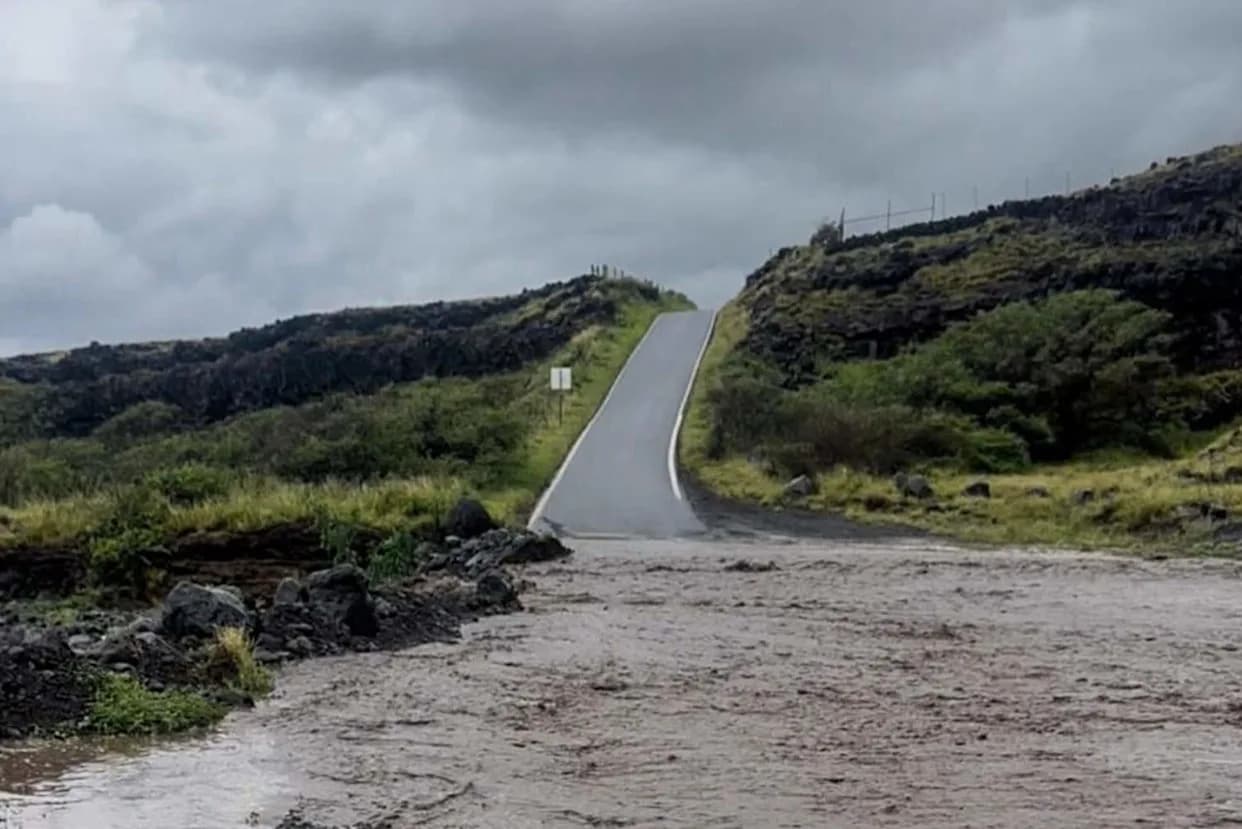
Flooding from days of downpours in Hana, Hawaii, on March 13. (Maui County via AP)(Maui County via AP)
The rain-soaked Hawaiian Islands are preparing for another round of heavy rain on Thursday, less than a week after a record-breaking kona storm that buckled roadways and caused building collapses on Maui.
Record Rainfall and Ongoing Flood Risk
University of Hawaii climate researchers reported that some parts of Maui received more than five feet of rain between March 10 and 16, including about 33 inches in a single 24-hour period at the Haleakalā crater near the summit. Although the approaching system is weaker than the recent storm, the National Weather Service (NWS) warns that saturated soils mean even moderate rainfall could trigger rapid runoff and renewed flooding. Much of Hawaii remains under flood watch.
“Given the high soil saturation from the recent kona storm, even moderate rainfall rates could pose a risk for rapid runoff and flooding,”
What Is a Kona Storm?
Kona storms are a Hawaiian weather pattern in which shifts in the jet stream create a low-pressure system northwest of the islands and draw a plume of tropical moisture toward Hawaii. The winds shift from the usual northeasterly trade winds to southerly flow, bringing heavy rain to typically drier leeward areas.
Compounding Impacts: Wildfires, Burn Scars and Debris Flows
These kona rains are interacting with landscapes already altered by wildfires. Leeward regions that receive intense rain during kona events are the same areas where wildfires have become more frequent and severe in recent decades. Burn scars shed soil, ash and debris that intensify runoff, erosion and the risk of mudslides.
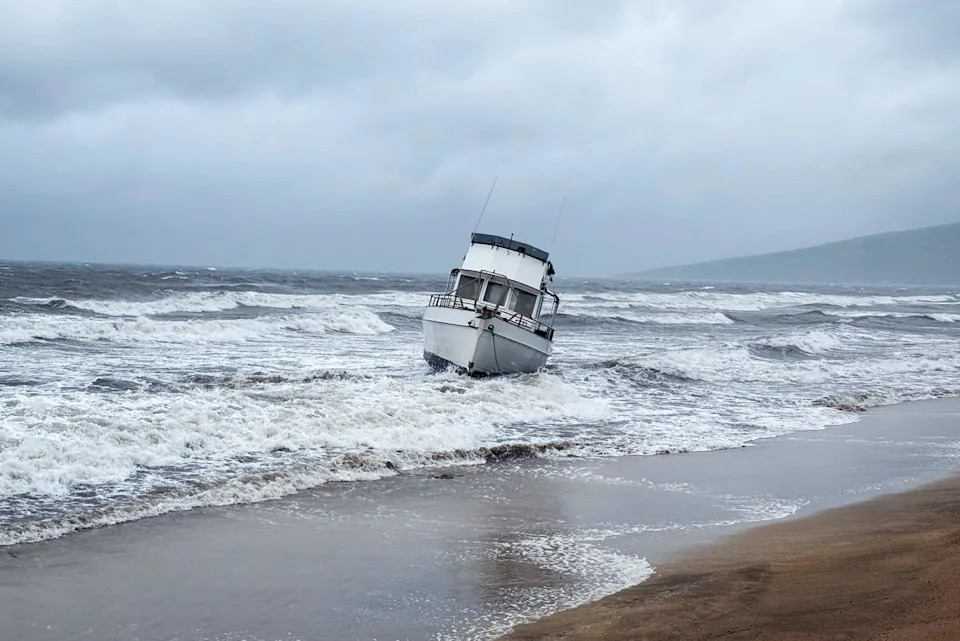
A boat is grounded on a beach off Kihei, Hawaii, during heavy rain on March 13. (Maui County via AP)(Maui County via AP)
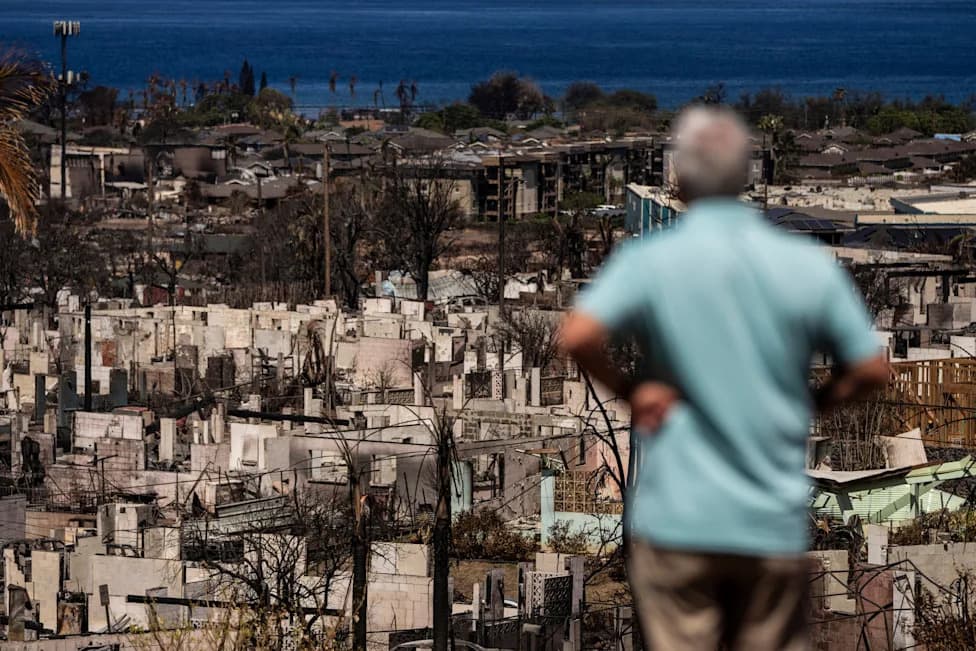
Residents in Lahaina — where the devastating 2023 wildfire killed more than 100 people — have reported debris flowing down slopes scarred by fire. Joseph Pluta, a Lahaina resident who lost his home in that blaze, described the scene:
“All that crap is washing down the hill to people’s homes and to the ocean and into the streets. It’s a real mess.”
Why Invasive Grasses Matter
Experts link the growing wildfire risk to the spread of nonnative, highly flammable grasses across fallow former agricultural lands. These grasses promote larger fires and, after fires occur, their shallow, mat-like root systems absorb less water than native forests. That leads to faster surface runoff and a higher likelihood of intense flooding when heavy rain follows a fire.
Local Response and Infrastructure Limits
Last weekend’s kona low set daily rainfall records at four official observation sites, according to the NWS office in Honolulu. Maui County officials say they are staging equipment, clearing debris from roads and inspecting drainage systems ahead of the next pulse of rain. Jordan Molina, director of Maui County’s Department of Public Works, said the county is pursuing drainage overhauls and other resilience projects but acknowledged the limits of infrastructure.
“Designing infrastructure capable of fully eliminating flooding during extreme storm events like this recent kona low would require an extraordinarily large and costly system that would not be financially feasible,”
With soils already saturated, local officials and residents caution that back-to-back storms could produce significant additional damage and hazards.
This report was originally published on NBCNews.com.
Help us improve.