The Middle East war has sidelined U.S.-brokered peace talks and diverted Western military resources, leaving Ukraine vulnerable as Russia prepares a likely spring offensive. Moscow is benefiting from higher oil revenues while Iranian attacks in the Gulf strain U.S. air defenses. Kyiv has launched counterattacks and strikes on Russian logistics, but political disputes in Europe and diverging NATO responses risk eroding support. Analysts and intelligence officials warn Moscow may retain at least a tactical edge if Western unity falters.
Russia Poised For Spring Offensive As Middle East War Drains Western Support
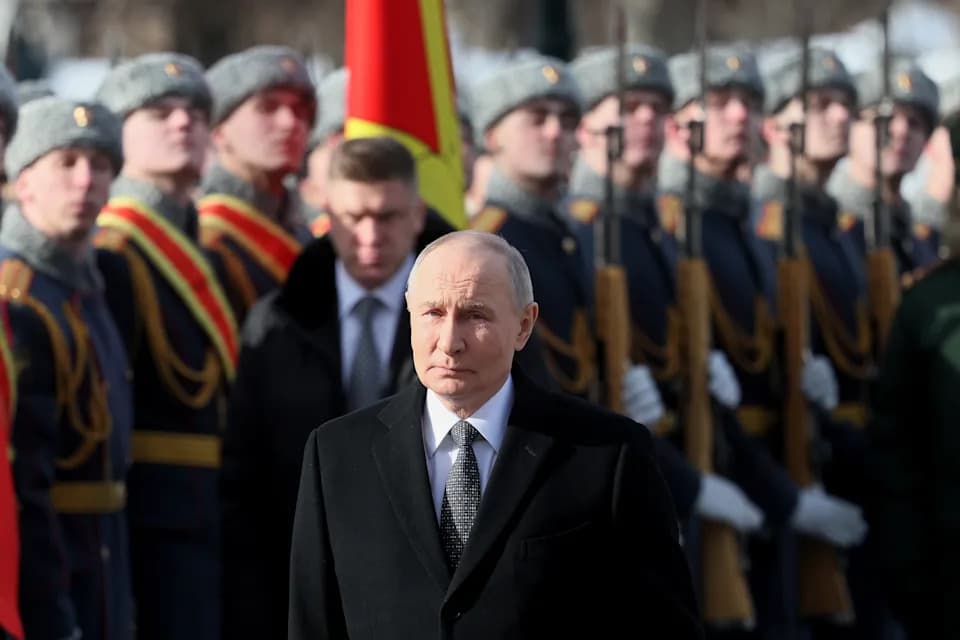
FILE - Russian President Vladimir Putin attends a wreath-laying ceremony at the Tomb of the Unknown Soldier near the Kremlin Wall during the national celebration of "Defender of the Fatherland Day" in Moscow, Russia, Feb. 23, 2026. (Maxim Shipenkov/Pool Photo via AP, File)(ASSOCIATED PRESS)
With U.S.-brokered peace talks between Kyiv and Moscow stalled by the outbreak of war in the Middle East, Russian President Vladimir Putin is widely expected to press for new battlefield gains against Ukraine — a move that could further squeeze Kyiv.
Surging global oil prices have injected substantial revenue into Moscow’s war chest, while Iranian attacks across the Gulf are drawing down U.S. air-defense resources. That combination has raised concerns that fewer Western military assets will be available to assist Ukraine as it enters the fifth year of Russia’s full-scale invasion.
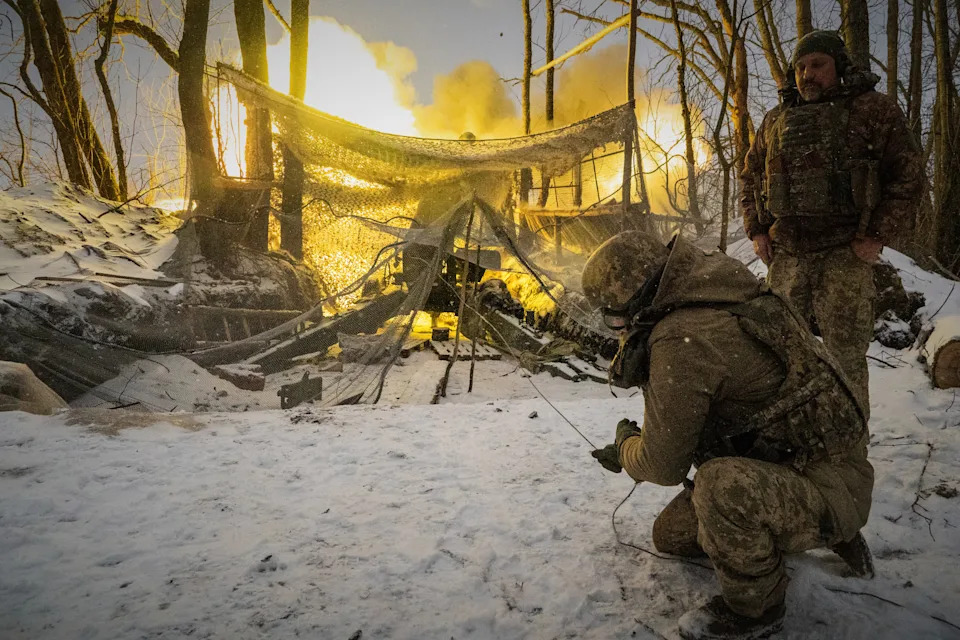
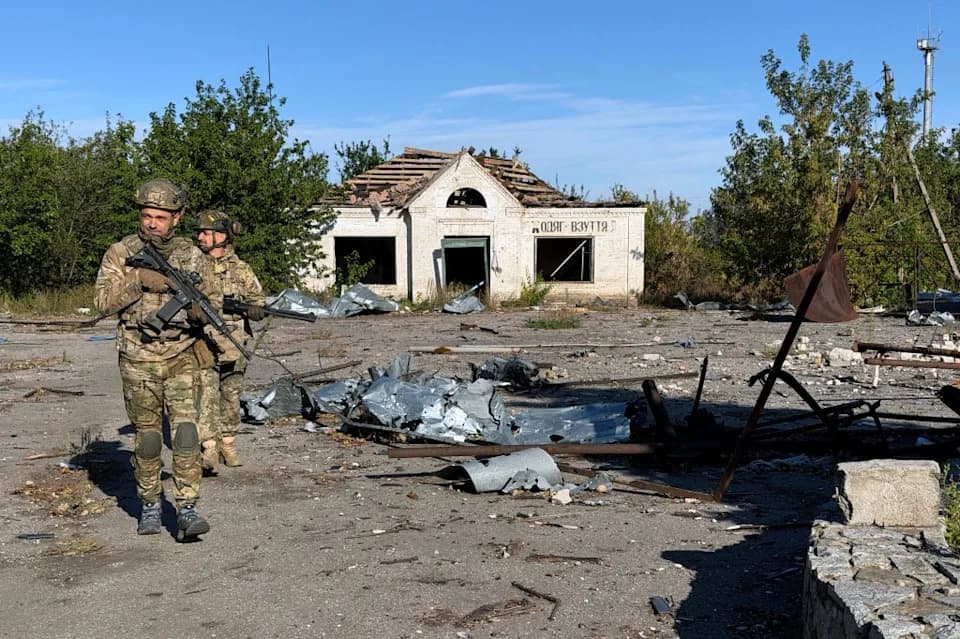
FILE - Ukrainian soldiers fire at Russian positions on the front line in the Kharkiv region of Ukraine, Feb. 18, 2026. (AP Photo/Andrii Marienko, File)(ASSOCIATED PRESS)
Russian Preparations and Military Outlook
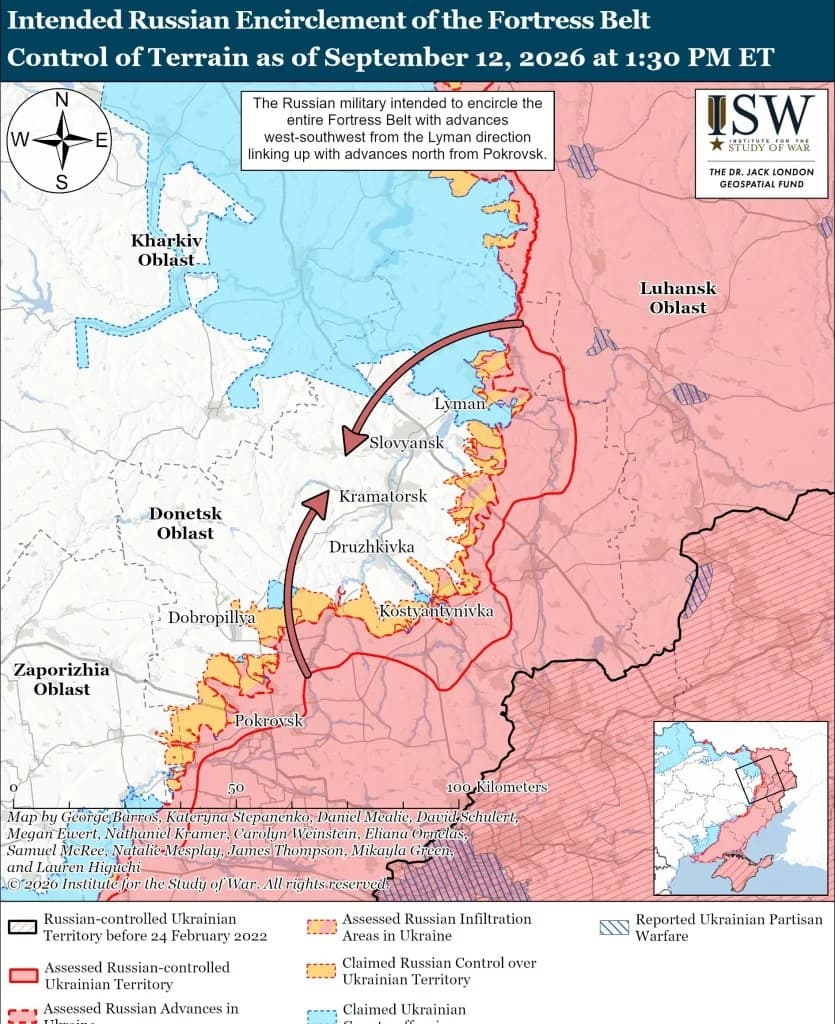
Analysts say Russian forces appear to be preparing for a renewed spring–summer campaign along more than a 1,200-kilometre (about 750-mile) front. Moscow has reportedly been building reserves and increasing artillery and drone strikes to degrade Ukrainian defenses ahead of any ground offensive.
The Washington-based Institute for the Study of War (ISW) has observed stepped-up artillery barrages and drone attacks that seem intended to soften defensive positions before ground assaults. Russian war bloggers, meanwhile, warn that any large-scale offensive would require significant additional manpower and materiel.
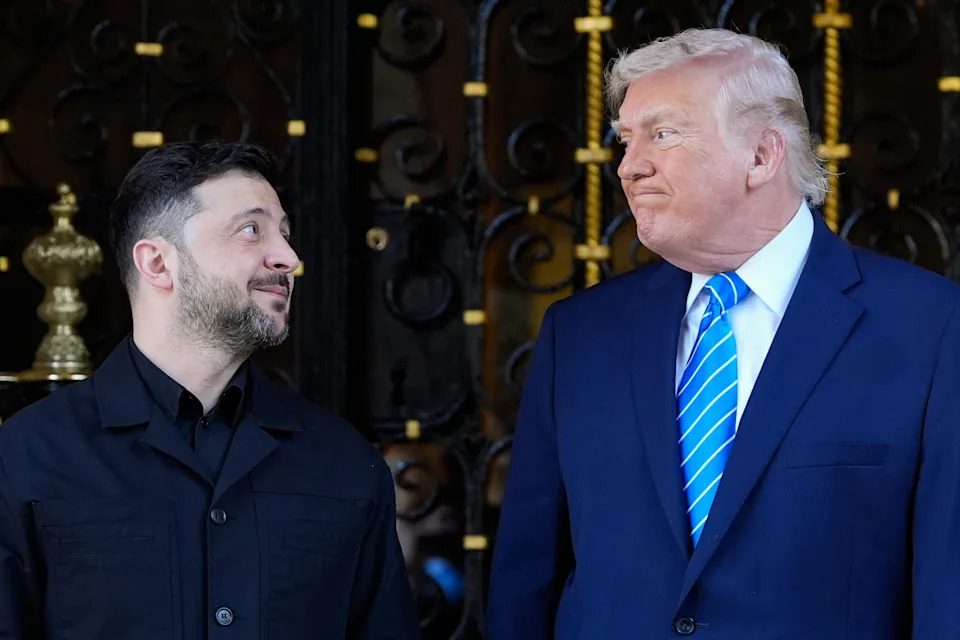
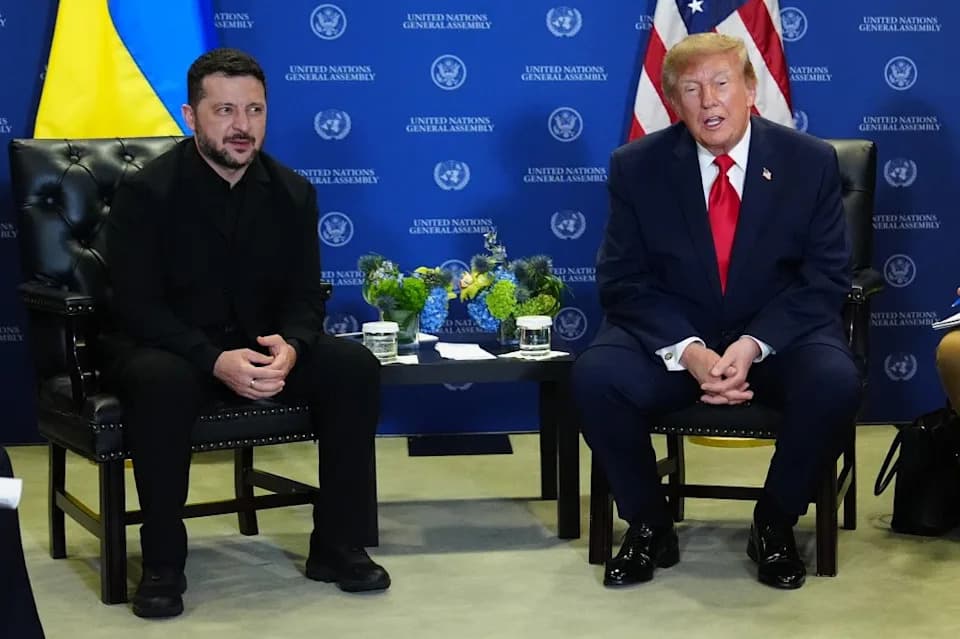
FILE - U.S. President Donald Trump greets Ukrainian President Volodymyr Zelenskyy at his Mar-a-Lago resort in Palm Beach, Florida, Dec. 28, 2025. (AP Photo/Alex Brandon, File)(ASSOCIATED PRESS)
How Kyiv Is Responding
Ukraine has launched counterattacks in the Dnipropetrovsk and Zaporizhzhia regions to disrupt Russian bridgeheads and slow Moscow’s plans to advance toward key regional capitals. The ISW noted that effective Ukrainian retaliation in Dnipropetrovsk could force Russia to divert forces between defense and new offensives.
Ukrainian forces have also increased mid-range strikes on Russian logistics, equipment and personnel to blunt a potential spring offensive and complicate Moscow’s operational timeline.
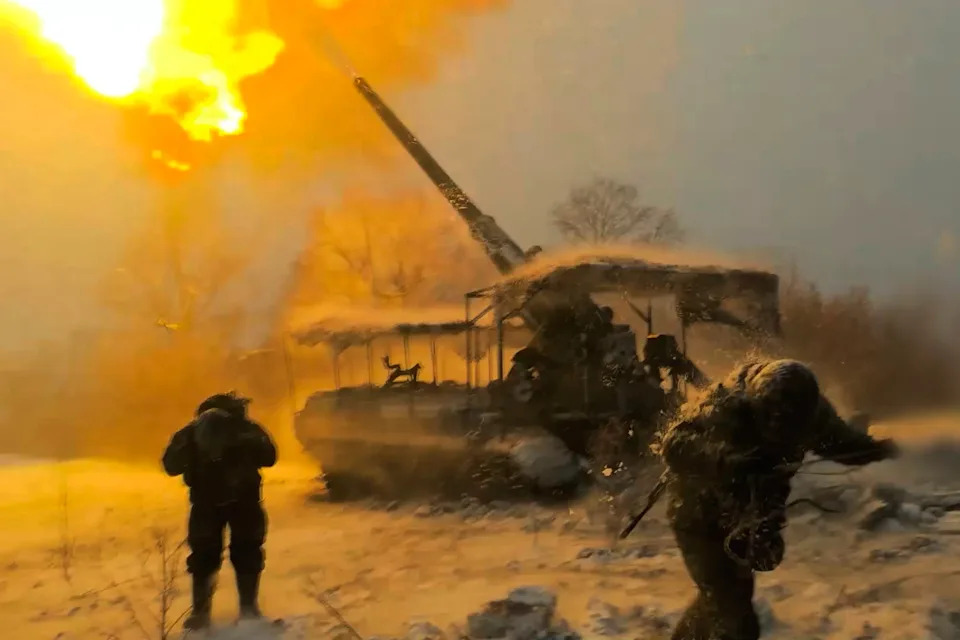
FILE - In this image made from video provided by Russian Defense Ministry Press Service on Jan. 13, 2026, Russian soldiers in Ukraine fire toward Ukrainian positions. (Russian Defense Ministry Press Service via AP, File)(ASSOCIATED PRESS)
Western Fractures and Diplomatic Stalemate
Political disputes in Europe over a proposed €90 billion ($106 billion) EU loan to cover Kyiv’s needs for two years reflect mounting strains. NATO allies’ refusal to commit naval forces to protect tanker traffic through the Strait of Hormuz prompted a public rebuke from U.S. President Donald Trump, underlining emerging rifts that could carry consequences for Ukraine.
Kyiv sought to keep U.S. attention by offering expertise against Iranian Shahed drones and sending more than 200 military specialists to the Gulf. President Trump has publicly declined that assistance, saying the U.S. "does not need Ukraine’s help" in drone defense.
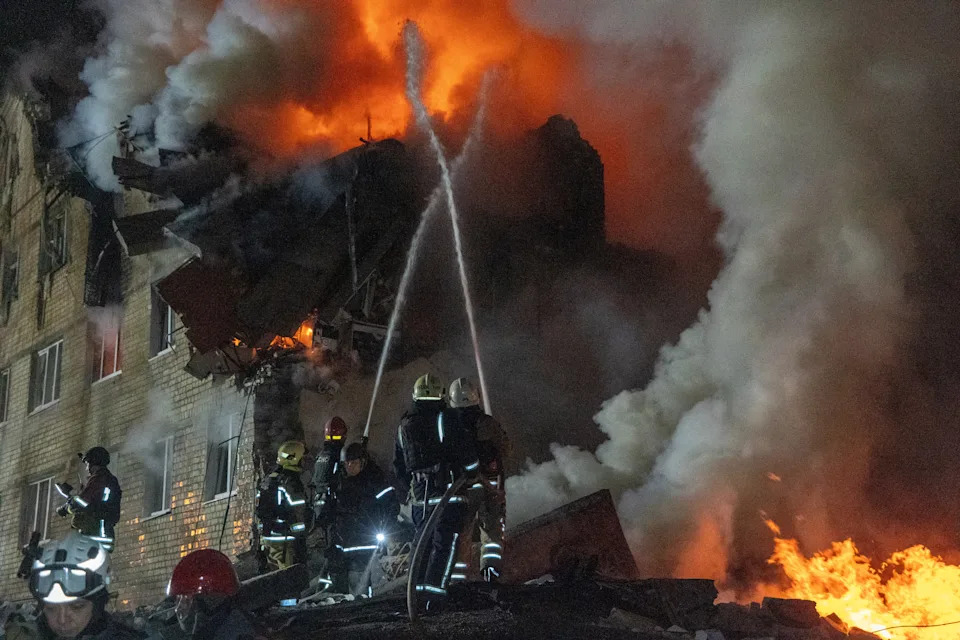
FILE - Firefighters battle a blaze in an apartment building following a Russian missile attack in Kharkiv, Ukraine, March 7, 2026. (AP Photo/Andrii Marienko, File)(ASSOCIATED PRESS)
Diplomatic efforts remain deadlocked. Moscow demands Ukraine withdraw forces from four regions it annexed, renounce NATO aspirations, sharply reduce its armed forces and lift restrictions on the Russian language and the Moscow-affiliated Orthodox Church — conditions Kyiv rejects. Europe insists on participation in any talks; the Kremlin rejects European involvement and has warned it would view European monitors as legitimate targets.
Battlefield Dynamics and Recruitment
After the rapid manoeuvres of 2022, the conflict has largely become a war of attrition: small units fighting intense, close-quarters battles in devastated eastern towns and villages. The widespread use of drones has constrained the massing of forces for large manoeuvres and increased the importance of precision strikes on logistics and energy infrastructure.
Russia has shifted recruitment tactics since a widely unpopular "partial mobilization" of roughly 300,000 reservists prompted many to leave the country. The Kremlin now relies more on volunteers, foreign fighters and specialized recruiting — including efforts to enlist students into newly formed drone units offering pay and safer deployment profiles.
A senior U.S. intelligence official told the Senate Intelligence Committee that "Russia has maintained the upper hand in the war against Ukraine," warning that, absent a negotiated settlement, Moscow is likely to continue a slow war of attrition until it judges its objectives met.
Outlook
Ukraine’s counterattacks and strikes on Russian supply lines complicate Moscow’s plans and could delay a broader offensive. Still, high oil revenues for Russia and competing Western priorities tied to the Middle East present a strategic challenge for Kyiv. The trajectory for the coming months will depend on whether Western partners can sustain political unity and military support while managing new crises elsewhere.
Key sources: Institute for the Study of War, Royal United Services Institute analysts and public statements from Ukrainian and Western officials.
Help us improve.