The Wall Street Journal reports that Russia allegedly provided Iran with reconnaissance satellite imagery and upgrades for Shahed drones, potentially improving Iran's targeting of U.S. and allied forces in the Middle East. The Kremlin has called the story "fake news," and U.S. officials have publicly downplayed the initial claims. The report highlights deeper Iran-Russia military ties since the invasion of Ukraine and notes Ukrainian estimates that Russia has launched more than 57,000 Shahed-type drones.
WSJ: Russia Allegedly Shared Satellite Intelligence and Drone Technology With Iran — Kremlin Calls It "Fake News"
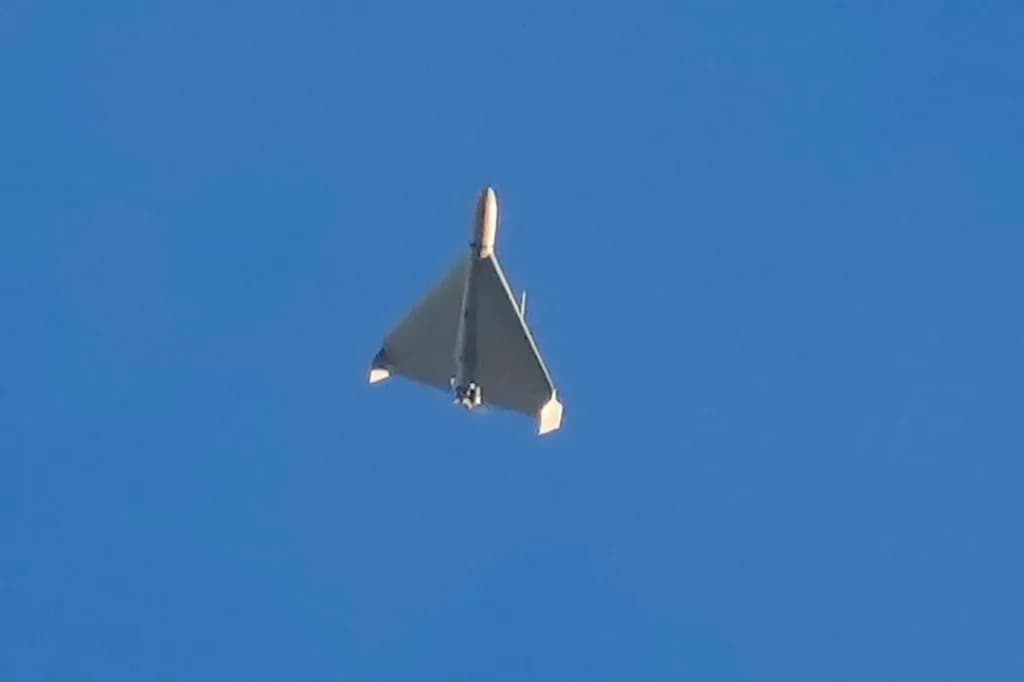
The Wall Street Journal reports that Russia has provided Iran with military-grade satellite imagery and technical upgrades for Iranian-designed Shahed drones, assistance that could improve Tehran's ability to target U.S. and allied forces across the Middle East. The Kremlin has dismissed the story as "fake news."
Allegations From The Wall Street Journal
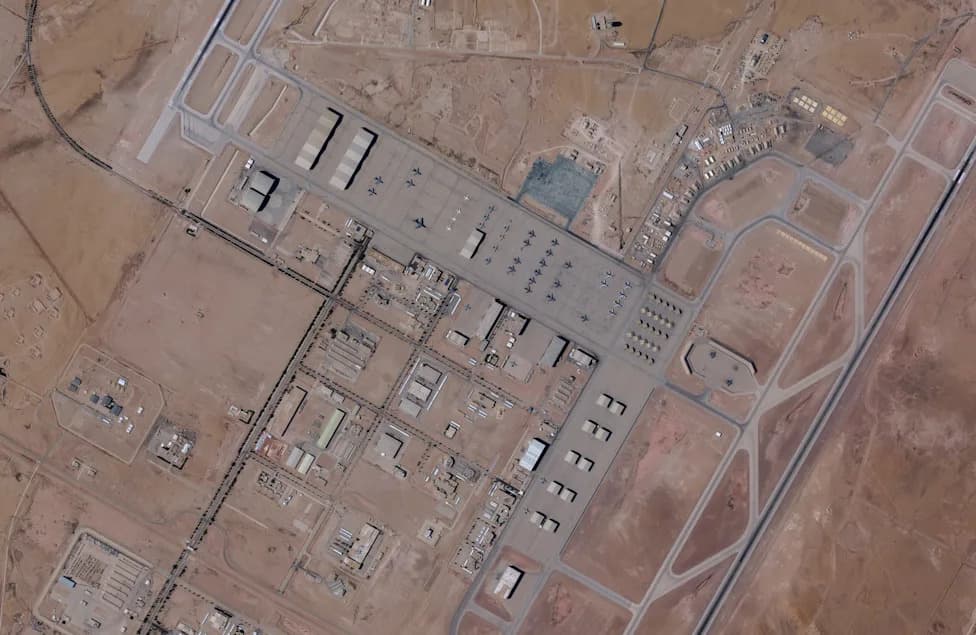
Citing people familiar with the matter, the Wall Street Journal said Russia supplied Tehran with reconnaissance satellite photos and components intended to enhance drone communications, navigation and targeting. Two sources told the newspaper that some imagery came directly from a fleet of military reconnaissance satellites operated by the Russian Aerospace Forces.
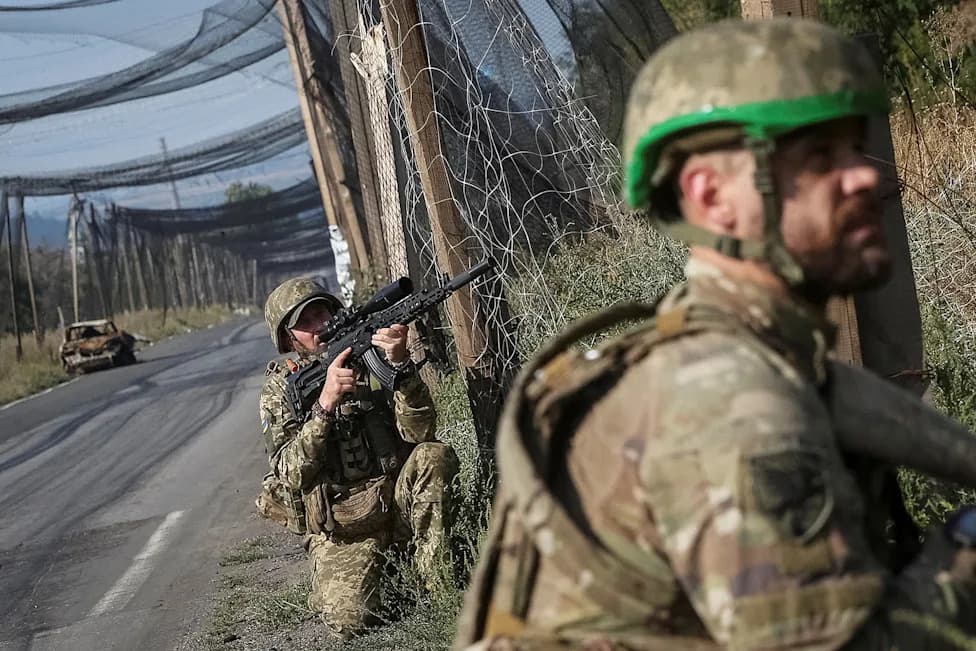
The report also says Moscow has shared battlefield lessons learned in Ukraine, advising Iran on drone tactics such as effective swarm sizes for coordinated strikes and preferred flight altitudes to reduce vulnerability.
Potential Impact
Analysts and the report say such intelligence and technical assistance could give Iranian planners greater visibility into troop movements and military infrastructure, improving target selection and post-strike damage assessment. The Journal framed the assistance as aimed at countering U.S. and Israeli military power while extending a regional conflict that could yield strategic and economic benefits for Moscow.
Official Reactions
Kremlin spokesman Dmitry Peskov told Reuters the Wall Street Journal's story was "fake news."
Dmitry Peskov: "Fake news."
The report follows earlier coverage in The Washington Post suggesting Russia had shared intelligence with Tehran. U.S. special envoy Steve Witkoff addressed those initial reports during a March 10 interview on CNBC, saying he had taken Russian denials at face value after a call with U.S. negotiators — though he added, "But let's hope that they're not sharing." White House Press Secretary Karoline Leavitt likewise downplayed early reports, saying the claim "does not really matter."
Background: Iran-Russia Military Ties
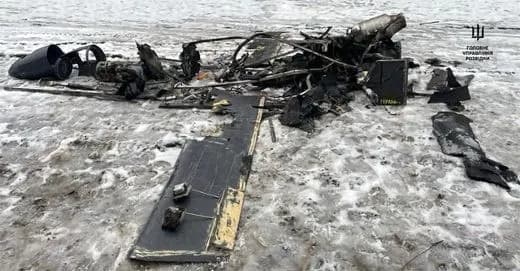
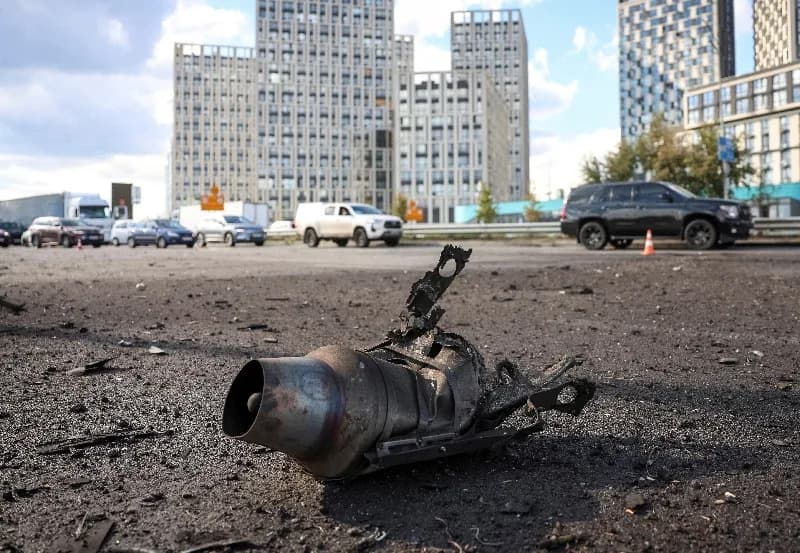
The report underscores growing cooperation between Moscow and Tehran since Russia's 2022 invasion of Ukraine. Iran has supplied Russia with thousands of Shahed drones used on Ukrainian battlefields; Ukraine estimates that Russia has launched more than 57,000 Shahed-type drones since the war began. The Journal suggests Moscow may be both refining drone technology and sharing those refinements with Tehran.
Note: The Wall Street Journal article is based on anonymous sources described as "people familiar with the matter." The Kremlin has issued a categorical denial.
Original reporting: The Wall Street Journal. This story summarizes that report and public reactions; key allegations remain contested.
Help us improve.