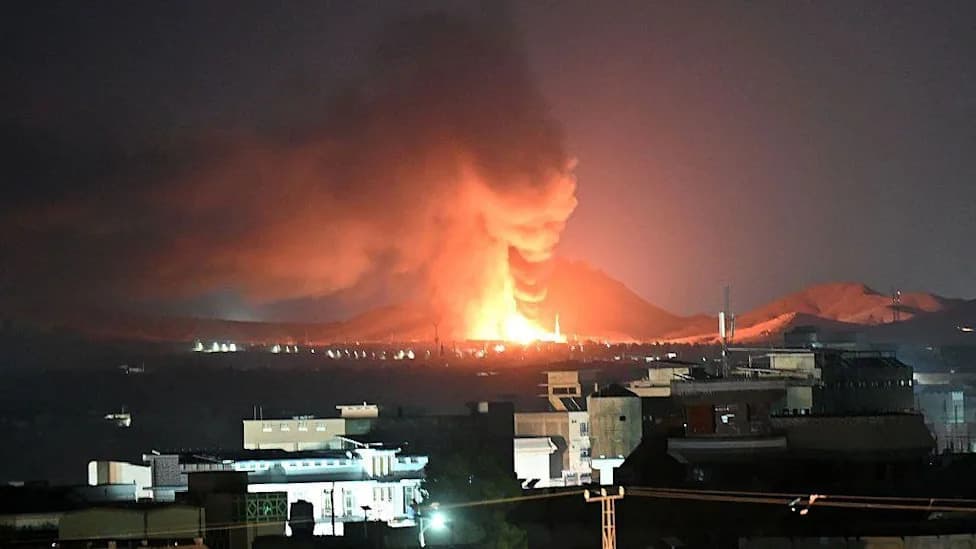
Pakistan carried out air strikes on Kabul after accusing militants based in Afghanistan of a series of attacks inside Pakistan. The Afghan Taliban say the strikes hit a drug rehabilitation hospital and reported heavy casualties; Islamabad denies those figures and says it targeted militant infrastructure. The strikes follow months of border clashes, a fragile ceasefire and failed attempts at mediation, and analysts warn the confrontation could escalate further.
From Ally to Adversary: Why Pakistan Struck Kabul and What Comes Next
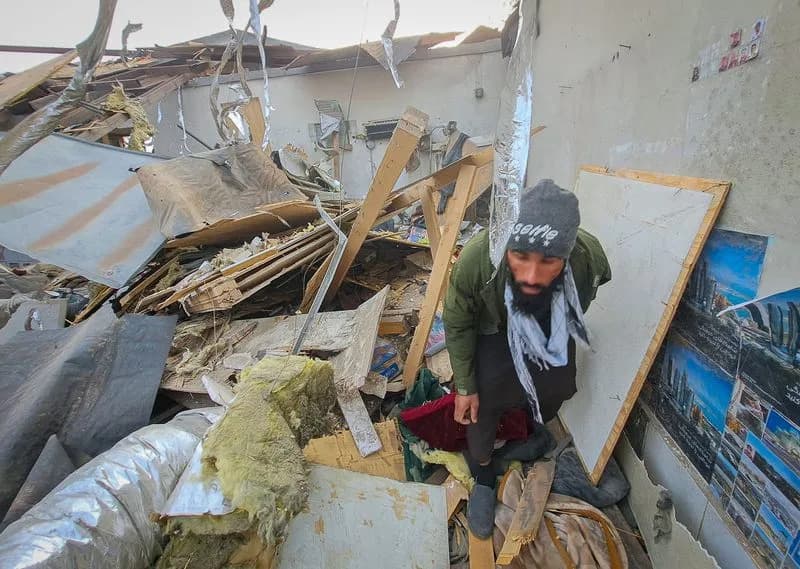
A man walks through debris lying in a ward of a drug users rehabilitation hospital destroyed in what the Taliban said was a Pakistani air strike in Kabul, Afghanistan, March 17, 2026. REUTERS/Yunus Yawar
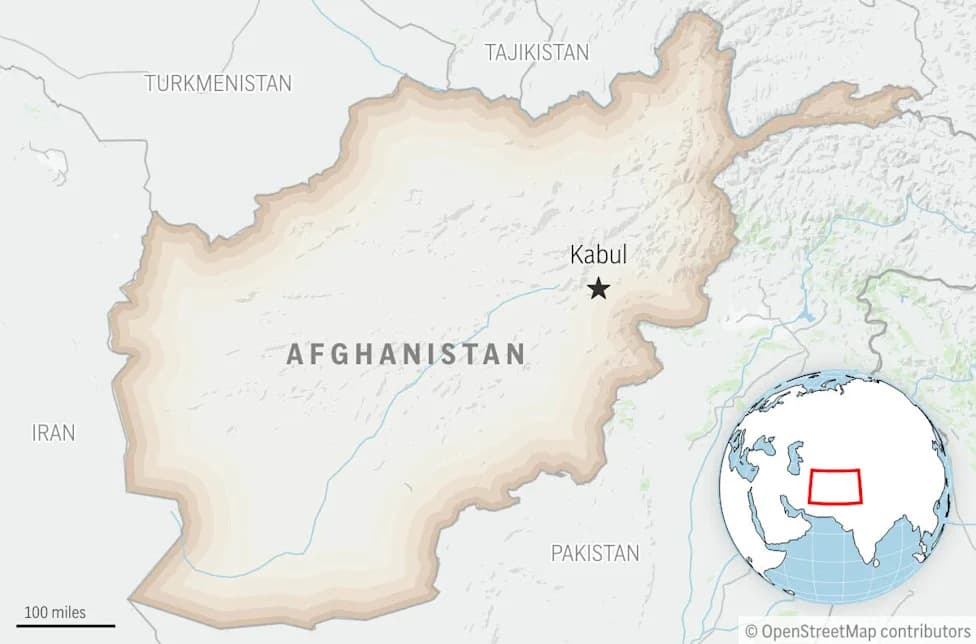
ISLAMABAD — Pakistan's decision to carry out air strikes on Kabul marks a dramatic rupture in relations between two neighbors that for decades were closely entwined. Islamabad says it targeted 'military installations and terrorist support infrastructure'; the Afghan Taliban contend a strike hit a drug rehabilitation hospital and reported heavy casualties — a figure Pakistan rejects. The confrontation follows months of cross-border clashes, militant attacks and a fragile ceasefire that has repeatedly frayed.
What Happened
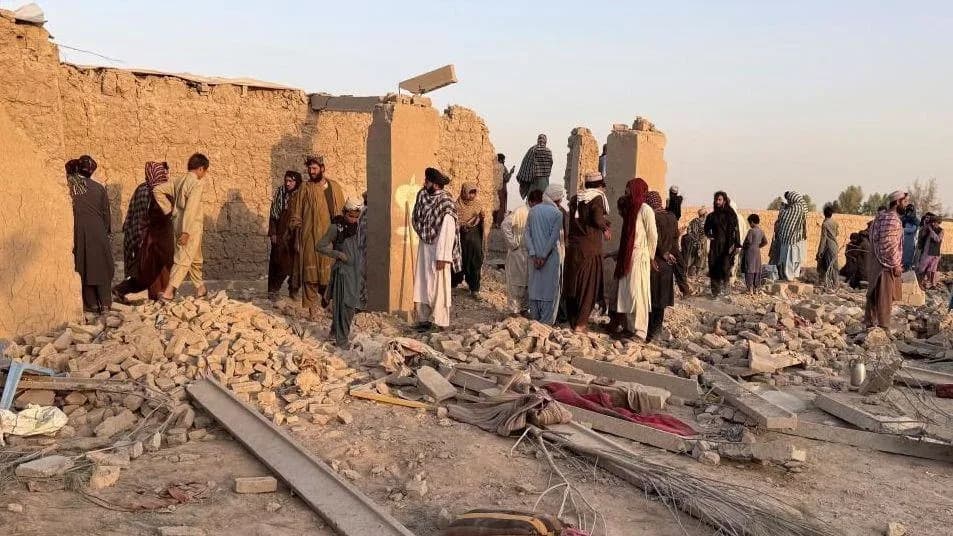
On Monday night, Pakistan launched air and related ground operations into Afghanistan, saying the strikes hit Taliban posts, headquarters and ammunition depots along the border. Afghan authorities and Taliban officials reported civilian casualties and significant damage, including claims that a drug rehabilitation clinic in Kabul was struck.
Pakistan's position: Islamabad says it had 'irrefutable evidence' that militants based in Afghanistan were responsible for a recent wave of attacks and suicide bombings inside Pakistan.
Taliban's position: Kabul has denied allowing its territory to be used as a base for attacks on Pakistan and accuses Pakistan of harbouring Islamic State fighters — an allegation Islamabad rejects.
How Relations Turned Sour
Pakistan played a central role in the Taliban's rise in the 1990s and welcomed the movement's return to power in 2021. But cooperation cooled as Islamabad said Afghan territory became a safe haven for leaders and fighters of the Tehreek-e-Taliban Pakistan (TTP) and militants linked to an insurgency in Balochistan. Kabul has consistently denied permitting cross-border attacks.
What Sparked the Latest Round
Pakistani security officials point to a series of attacks since late 2024 — including a deadly assault in Bajaur district that killed 11 security personnel and two civilians and was claimed by the TTP — as the immediate trigger for February's strikes. Islamabad released a list of incidents it said tied militants to Afghan soil.
Who Are the TTP?
The Tehreek-e-Taliban Pakistan (TTP) emerged in 2007 as a coalition of militant groups in northwest Pakistan. It has carried out high-profile attacks on markets, mosques, security installations and schools, and has seized territory along the Afghan border and in parts of Pakistan. The group was behind the 2012 attack on schoolgirl Malala Yousafzai. Pakistan has mounted operations against the TTP with varying success.
Military Balance And Regional Diplomacy
On paper, Pakistan enjoys a substantial advantage in manpower and conventional assets: roughly 600,000 active personnel, several thousand armoured vehicles and hundreds of combat aircraft, and it is a nuclear-armed state. Afghan Taliban forces number about 172,000 and possess limited fixed-wing aircraft and helicopters whose operational readiness is unclear.
Regional actors including China, Turkey, Qatar and Saudi Arabia have intermittently mediated to cool tensions, but the confrontations have recurred amid broader regional instability.
What Might Happen Next
Analysts warn Pakistan may intensify operations to disrupt militant networks it believes operate from Afghan territory. Kabul's response could include raids on border posts, proxy attacks or asymmetric cross-border actions. Continued escalation risks further civilian harm, border closures and wider regional strain unless sustained diplomacy and de-escalation measures take hold.
Compiled by Reuters staff; edited for clarity and context.
Help us improve.