President Trump drew criticism after saying the U.S. "maybe shouldn’t even be there at all" guarding the Strait of Hormuz, arguing America has sufficient domestic oil. The comments came as he urged NATO and European allies to help secure the waterway amid a major disruption to global oil supplies. Families of U.S. service members killed in the conflict expressed outrage, while countries including Australia, France and Japan said they would not send warships. Trump also warned NATO of a bleak future if it does not assist and said he might delay a summit with Xi Jinping pending China’s stance.
Trump Faces Backlash After Saying US 'Maybe Shouldn’t Even Be There' Guarding Strait Of Hormuz
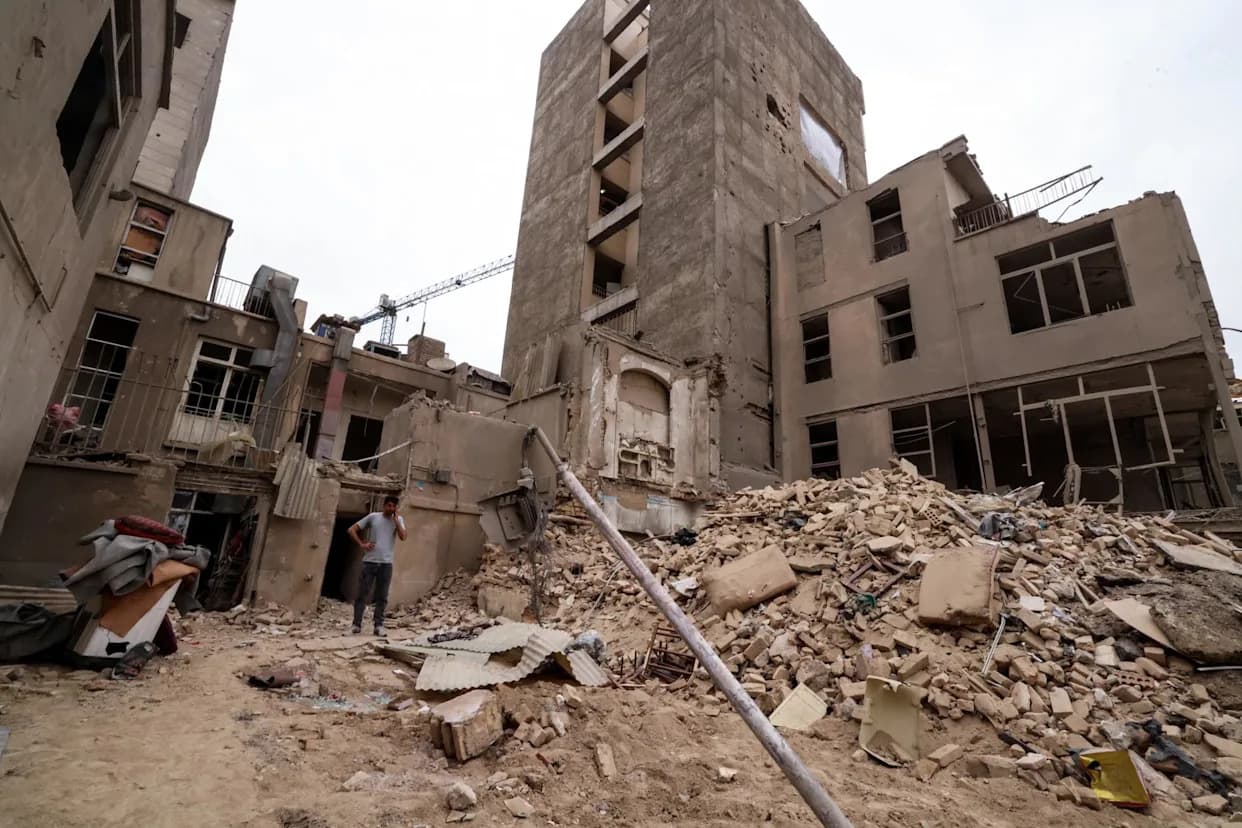
Destroyed buildings following a military strike on Tehran on Sunday in Iran.Photograph: Atta Kenare/AFP/Getty Images(Photograph: Atta Kenare/AFP/Getty Images)
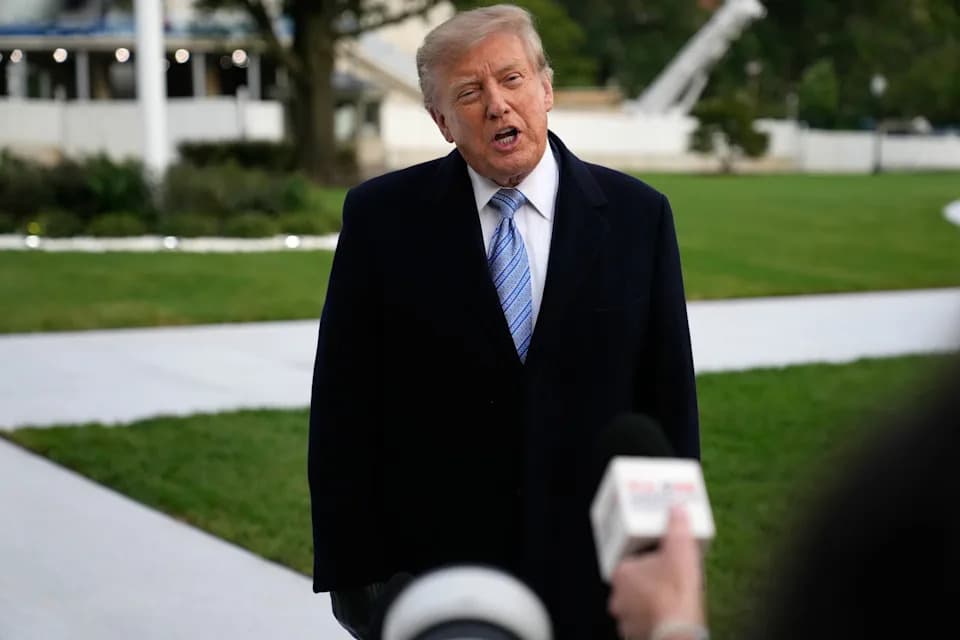
President Donald Trump drew fresh criticism Sunday after suggesting that the United States might not need to guard the strategically vital Strait of Hormuz, saying "maybe we shouldn’t even be there at all" because the U.S. has abundant domestic oil.
Speaking to reporters aboard Air Force One as he returned from Mar-a-Lago, Trump urged European and NATO allies to take a more active role in protecting the waterway amid what he described as the largest disruption to global oil supplies in history.
“Really, I’m demanding that these countries come in and protect their own territory — because it is their territory,” he said. “They should come and they should help us protect it. You could make the case that maybe we shouldn’t even be there at all, because we don’t need it. We have a lot of oil. We’re the number one producer anywhere in the world times two.”
The remark prompted immediate backlash on social media and among critics, who accused the president of both initiating an unnecessary conflict and then asking allies to shoulder the burden of defending the region. Observers also noted that the comment followed earlier criticism of the administration for offering unclear public explanations for recent military strikes in the region.
Reactions From Families And World Leaders
Some reactions were personal and pointed. Social posts referenced the families of 13 U.S. service members reported killed in the conflict as of Sunday, questioning how they would react to the suggestion that American forces "shouldn’t even be there." The cousin of Tech Sgt Tyler Simmons, one of six airmen killed when a U.S. refueling tanker crashed last week, told Ohio ABC affiliate WCMH the family was living "the worst nightmare we could ever imagine." "This could have been prevented," Stephan Douglass said in an interview conducted before the president’s Sunday comments.
At the same time, several governments made clear they have no plans to send warships. Australia, France and Japan have declined to deploy naval forces; UK Prime Minister Keir Starmer said Britain was working with European partners on "a viable plan" to reopen the strait but would not be "drawn into the wider war." Luxembourg Deputy Prime Minister Xavier Bettel said his country would not yield to what he described as U.S. "blackmail."
Pressure On Allies And Diplomatic Warnings
On the same day as his "shouldn’t even be there" comment, Trump stepped up pressure on other countries to help secure the waterway, naming China, France, Japan, South Korea and the UK among the nations he hoped would participate. In an interview with the Financial Times, he warned that NATO faces a "very bad" future if it does not assist in protecting the strait from Iranian attacks and said he might delay a summit with Chinese President Xi Jinping until he had a clearer sense of China’s position.
“It’s almost like we do it for habit, but we also do it for some very good allies that we have in the Middle East,” Trump told reporters, framing U.S. presence as partly aimed at helping partners in the region.
The president did not identify specific nations that had agreed to join the effort. Reactions from allied capitals suggest a reluctance to become more deeply involved in what many see as a widening conflict.
What’s next: Diplomatic consultations among NATO and European partners are expected to continue, and U.S. officials say they are seeking broader international participation to secure shipping lanes. The debate over the U.S. role in the region and the costs of continued military involvement is likely to intensify as families, allies and lawmakers react to both the human toll and strategic consequences of the campaign.
Help us improve.