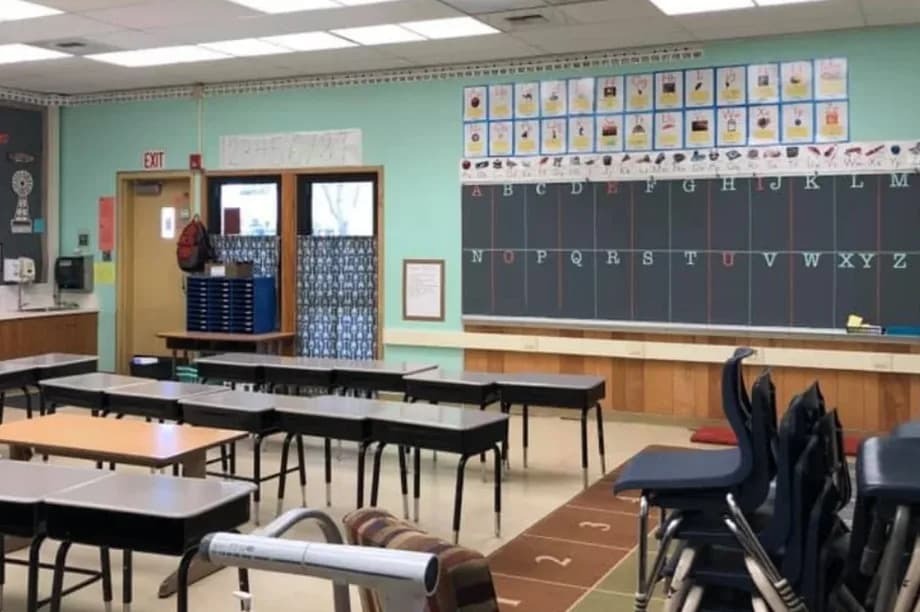
Education Week’s 2026 State of Teaching Report finds about 40% of California teachers plan to retire or leave within the next decade, higher than the national rate of 36%. Veteran teachers interviewed point to worsening classroom discipline, limited administrative support and shifts in disciplinary practices and curriculum as major factors. California’s older teacher workforce (average age 45.5 vs. national 42.9) likely contributes to higher retirement intent.
40% Of California Teachers May Leave Within a Decade — Veterans Point To Discipline, Support Shortfalls

California teachers told Fox News Digital that the profession has changed over the past three decades, citing lack of support for teachers to address behavior issues and overall decline in standards.(iStock)
A new Education Week State of Teaching Report (2026) found that roughly 40% of California teachers say they plan to retire or leave the profession within the next 10 years. Veteran educators interviewed by Fox News Digital cite declining classroom discipline, limited administrative support and curriculum shifts as major contributors to lower morale and exit plans.
Voices From the Classroom
Fox News Digital spoke with six California teachers, many with about three decades in the classroom or nearing retirement, who described how the job has changed over their careers.
"I would like to see a shift in attitude toward teachers as an authority. Teachers have, since we are the professionals, the right to make decisions — education decisions, curriculum decisions, rules and consequences," said Tera Fowler, 63, who plans to retire after more than 30 years in education.
Fowler said she has observed students being "coddled" more and raised concerns about a growing parental expectation of entitlement.
Doug Kosak, 56, a 24-year public school teacher, said "progressive discipline" approaches have added administrative complexity and tied up teachers' time. He added that a lack of clear accountability for student behavior prevents teachers from doing their jobs effectively.

Nick Pardue, who teaches economics to seniors at Paris Union High School District, also cited the lack of discipline and support for teachers to enforce standards.
"This positive behavior support where they really didn't want any negative punishments for students who were acting out or misbehaving... they were looking for positive interventions," said Nick Pardue, a 54-year-old senior economics teacher with more than 30 years of experience.
Other veteran teachers expressed similar views. Steve Campos, with three decades in the classroom, said student behavior has deteriorated over time. Jennifer Stoeber, who will retire after roughly 30 years, described curriculum changes that have increased focus on inclusivity and broadened topics in social studies.
Gevin Harrison, who entered teaching after a long military career, reflected that earlier norms often aligned school and home expectations so disciplinary issues were reinforced by parents as well as teachers.
What the Data Shows
- California Retirement Intent: Education Week estimates 40%–49% of California teachers plan to leave within 10 years, with a midpoint estimate of 45%.
- National Comparison: About 36% of teachers nationwide say they plan to retire in the next decade, per the EdWeek report.
- Age Factor: The average California teacher is 45.5 years old, compared with a U.S. average of 42.9 — a likely driver of higher retirement intent in California.
Why Teachers Cited Leaving
Common themes among interviewees included:
- Perceived erosion of classroom discipline and difficulty enforcing consequences.
- Limited administrative support for handling behavior and upholding standards.
- Shift toward positive-behavior interventions and "progressive discipline" that some teachers say reduces accountability.
- Curriculum changes emphasizing inclusivity and broader perspectives, which some veterans feel have altered traditional content emphasis.
- Perceived politicization of education and new accountability tools that teachers say have changed priorities.
The California Department of Education did not respond to Fox News Digital's request for comment. Education Week researchers also noted broader declines in teacher morale nationwide, describing it as among the lowest in recent memory by some measures.
Methodology note: Percentages and age comparisons are drawn from Education Week’s 2026 State of Teaching Report and recent federal data cited by Education Week.
Help us improve.