What Happened: In January the NRC repealed the 2009 "aircraft-impact" assessment, a requirement that new reactor designs prove cores would survive an unlikely 9/11-style airliner strike.
Why It Matters: The NRC itself had previously said the rule "is not needed for adequate protection," and critics argued it added cost and delay without measurable safety benefits.
Example: The Vogtle expansion in Georgia reportedly went through three redesigns and two-plus years of delay; its new units finished roughly $15 billion over budget and about seven years late.
NRC Repeals ‘Aircraft-Impact’ Rule That Delayed New Reactors — Vogtle Cited As Key Example
Nuclear Power Regulators Scrap Rule Saying New Reactors Must Withstand 9/11-Style Plane Crashes
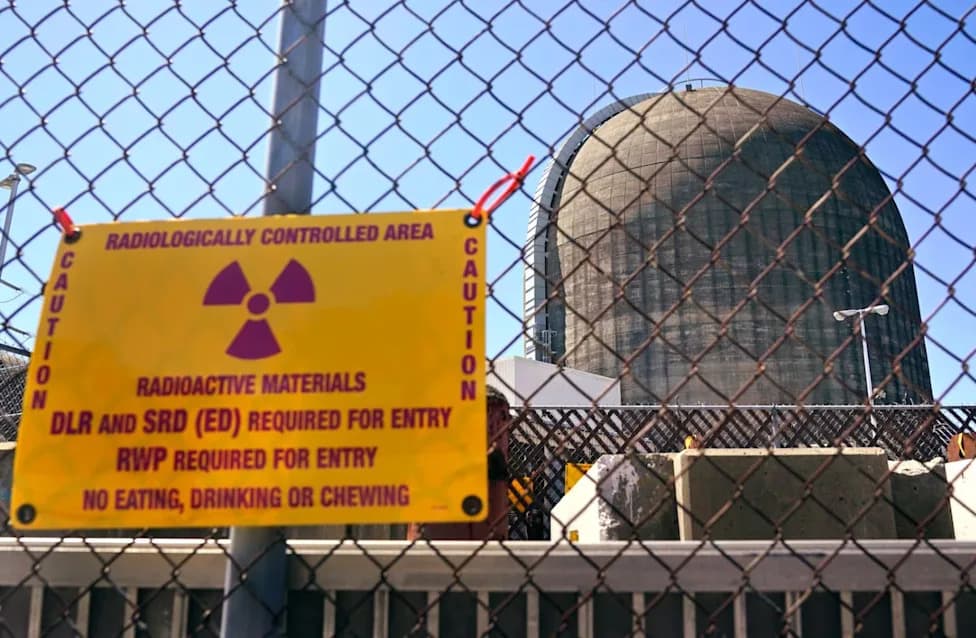
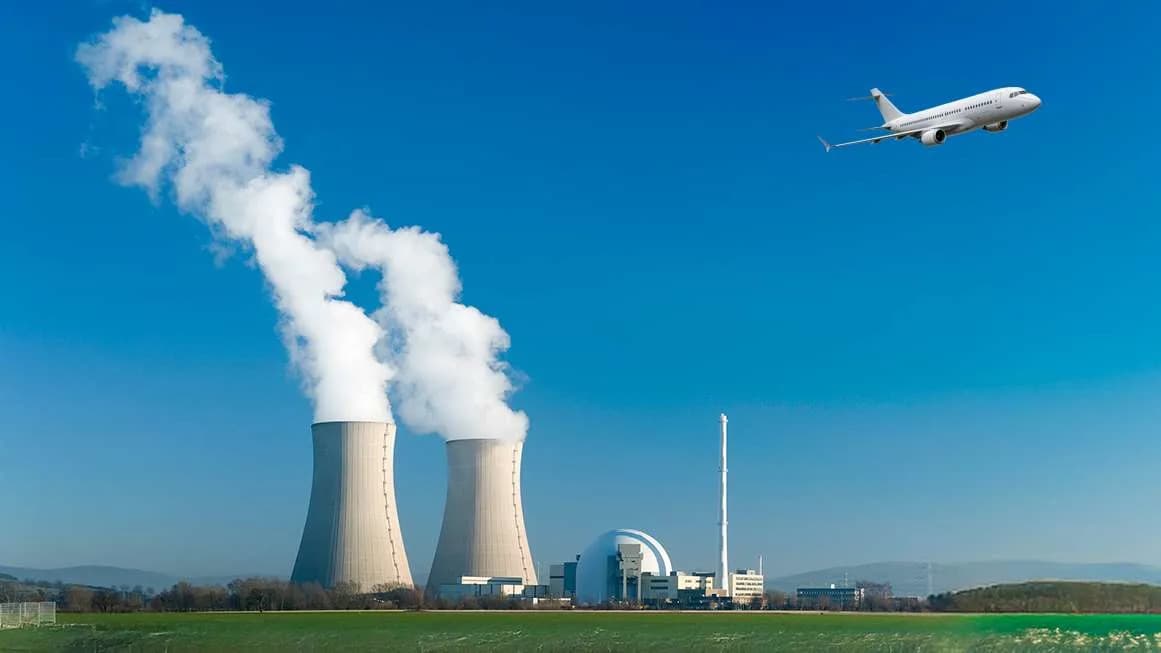
In January, the U.S. Nuclear Regulatory Commission (NRC) removed more than a dozen licensing requirements that had increased the cost and complexity of building new nuclear reactors, including the controversial "aircraft-impact assessment." First finalized in 2009, that rule required developers of new reactor designs to demonstrate that a reactor core would remain intact after the unlikely event of a 9/11-style commercial airliner strike.
Why the Rule Was Contested
Critics argued the mandate offered little additional safety because modern nuclear plants are already engineered and regulated to resist extreme natural hazards such as earthquakes, large fires, floods and hurricanes. The NRC itself had previously acknowledged the limited value of the requirement, saying compliance "is not needed for adequate protection to public health and safety or common defense and security." When the rule was adopted, the agency also noted that preventing an aircraft attack is primarily a federal security responsibility, not an operational obligation for plant operators.
The Vogtle Example
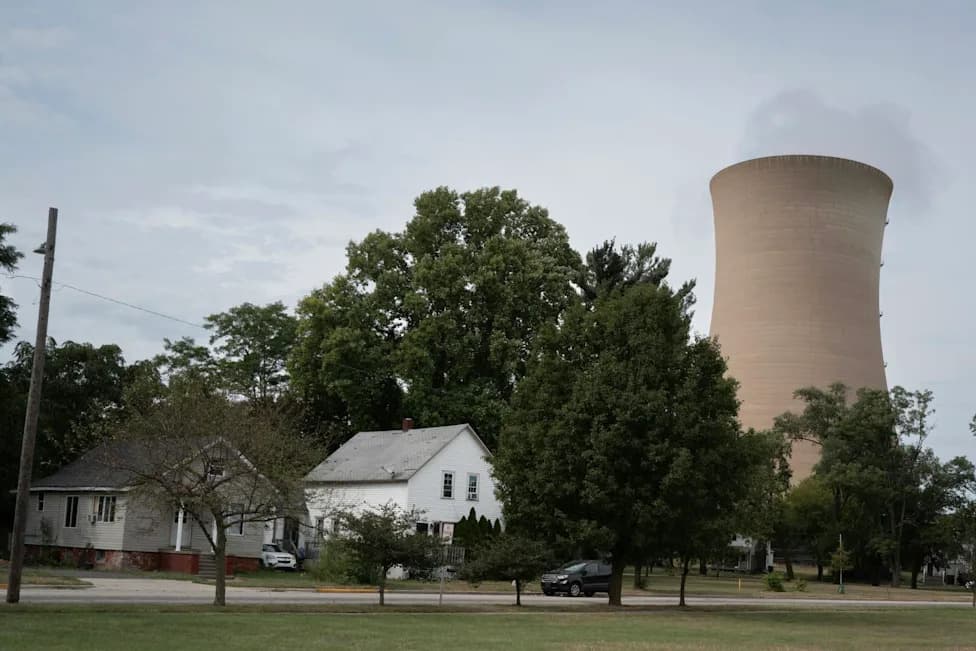
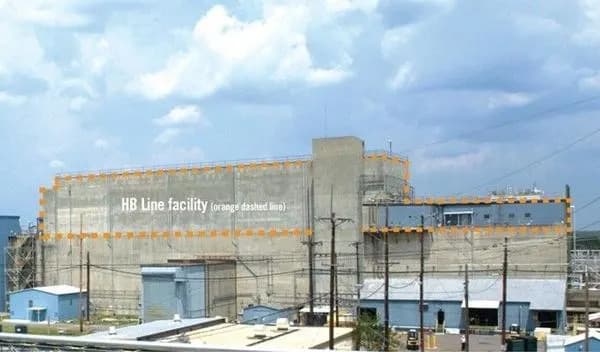
The aircraft-impact rule had real-world consequences for licensing and construction schedules. A prominent example was the Vogtle expansion in Georgia. In late 2008, Georgia Power sought state approval to add two advanced reactors at the Vogtle site; the state approved the project after a six-month review. Although the reactor design had received federal design clearance in 2006, the NRC delayed issuing a construction permit until the design met the new aircraft-impact standard.
According to Rod Adams, managing partner at Nucleation Capital, and writing in a 2023 article for Atomic Insights, meeting the aircraft-impact requirement necessitated three design iterations, extensive structural changes and more than two years of additional work before the project could proceed. While it is difficult to assign a precise cost to these changes, Vogtle's two new reactors ultimately finished roughly $15 billion over budget and about seven years behind schedule, and the aircraft-impact rule is widely regarded as a significant contributing factor.
Implications and Takeaways
Supporters of the NRC rollback say removing the aircraft-impact requirement restores a better balance between safety oversight and practical licensing timelines, reducing regulatory barriers that slowed deployment of clean nuclear generation. Opponents may worry about perceptions of reduced scrutiny; however, the NRC’s own earlier findings questioned the rule’s safety benefits.
Many other regulatory requirements affecting nuclear projects remain in place. The debate over how to streamline licensing while maintaining rigorous safety and security standards is likely to continue as policymakers and industry weigh the role of nuclear power in decarbonization.
Source: Reporting and analysis originally published on Reason.com; design and delay details referenced from Rod Adams' 2023 Atomic Insights article.
Help us improve.