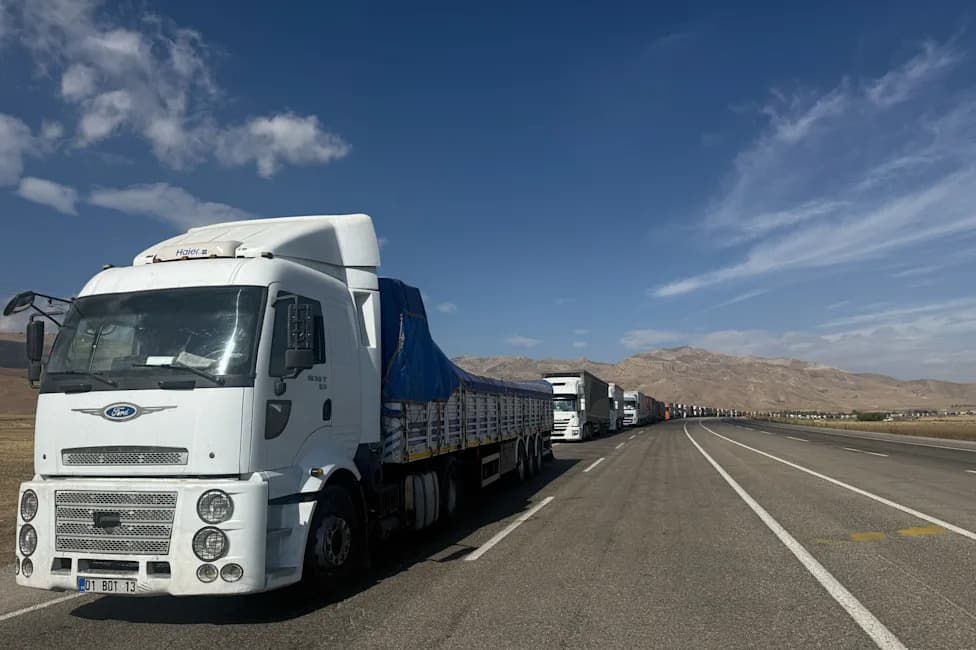
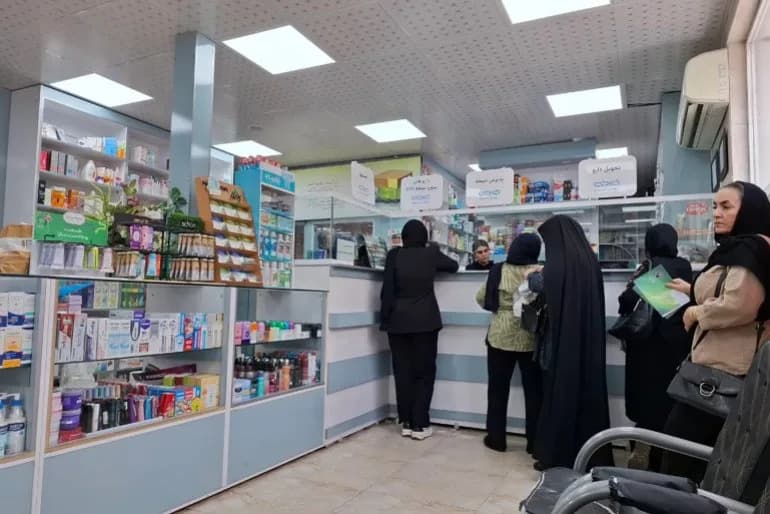
Dozens of Iranians crossed into northern Iraq after the Haji Omeran border reopened, seeking cheaper groceries, Iraqi SIM cards and work amid widespread internet outages and wartime inflation. Trucks with goods queued at the crossing, offering relief to residents facing high prices. Witnesses said repeated strikes have damaged many security sites, forcing forces to avoid fixed bases and increasing hardship for civilians.
Haji Omeran Border Reopens: Iranians Cross Into Northern Iraq Seeking Cheaper Food, Internet And Work
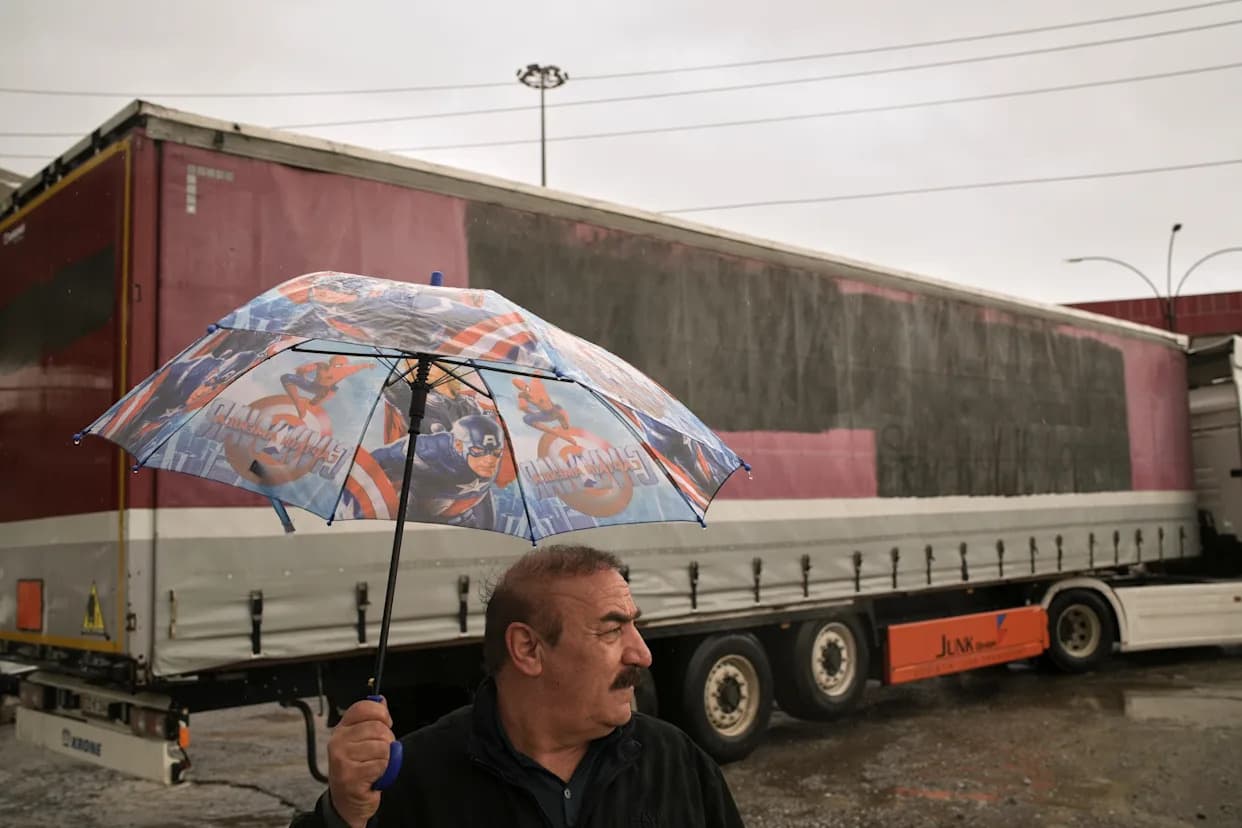
Iranian Kurdish Korban Ali stands on the Iraqi side of the Haji Omeran crossing between Iran and the autonomous Kurdistan Region of Iraq (KRI), Sunday, March 15, 2026, as the border remains open. (AP Photo/Leo Correa)
Dozens of Iranians crossed into northern Iraq on Sunday — the first day the Haji Omeran border crossing reopened since intensified fighting disrupted daily life in their country. Travelers said a combination of frequent airstrikes, disrupted communications and soaring food prices has pushed many to seek basic supplies, internet access and employment across the frontier.
Trucks loaded with goods queued at the crossing from Iraq’s Kurdish region, offering a potential respite from Iran’s wartime inflation and shortages. For many residents of border areas, Iraq’s Kurdish region has long been a lifeline because of deep family, cultural and commercial ties and porous frontiers that allow trade and regular visits.
Officials said the crossing had been closed amid heightened regional tensions and was reopened after coordination between Kurdish authorities on both sides. Almost all Iranian Kurds who spoke to reporters asked to remain anonymous, citing fears of reprisals from Iranian intelligence services.
Why People Are Crossing
Many crossed to buy staples at lower prices, to purchase Iraqi SIM cards and regain internet access during outages, or to reach relatives and find short-term work in Iraqi Kurdistan.
“When this border was closed, it affected everyone. Poor people, rich people, workers,”
Personal Stories
A Kurdish woman from Piranshahr said she traveled about 15 kilometers (9 miles) to the border to make a phone call because much of Iran has experienced internet outages. “For more than 16 days my relatives haven’t heard from me, and they are worried,” she said. She bought basic staples such as rice and cooking oil and returned home in less than an hour.
An elderly woman from Sardasht described walking through heavy rain to Choman in Iraq’s Kurdish region to seek help from distant relatives after her son — a cross-border goods smuggler — was killed by Iranian soldiers 14 months earlier. Left with three young children and mounting debts, she said rising prices had made survival difficult.
Groups of Iranian workers were also heading back to jobs in Iraqi Kurdistan to earn money for their families, saying they planned to stay for a month to cope with rising costs at home. One construction worker commented, “The situation will only become worse and civilians will be the only ones affected.”
Security And Displacement
Residents said repeated strikes have damaged many military and intelligence installations, limiting the ability of security forces to operate from fixed bases. Several interviewees described officers sheltering in civilian sites such as schools and hospitals or remaining mobile rather than reporting to offices.
Those accounts underscore the humanitarian pressures on civilians in border provinces: loss of income, disrupted communications, displacement and rising prices for food and rent.
What remains unclear: Independent verification of all damage and casualty claims is limited due to restricted access and security concerns. Many sources requested anonymity out of fear of reprisals.
Help us improve.