Zootopia 2 reframes snakes through the sympathetic character Gary De’Snake, challenging cultural stereotypes. Scientists note that snakes are key mesopredators that control rodents and help stabilize ecosystems, and recent studies show they can even aid seed dispersal. While snakebites cause significant global fatalities, experts say exaggerated fear worsens misunderstandings and can hinder conservation.
Zootopia 2 and the Science of Snakes: Why Gary De’Snake Matters
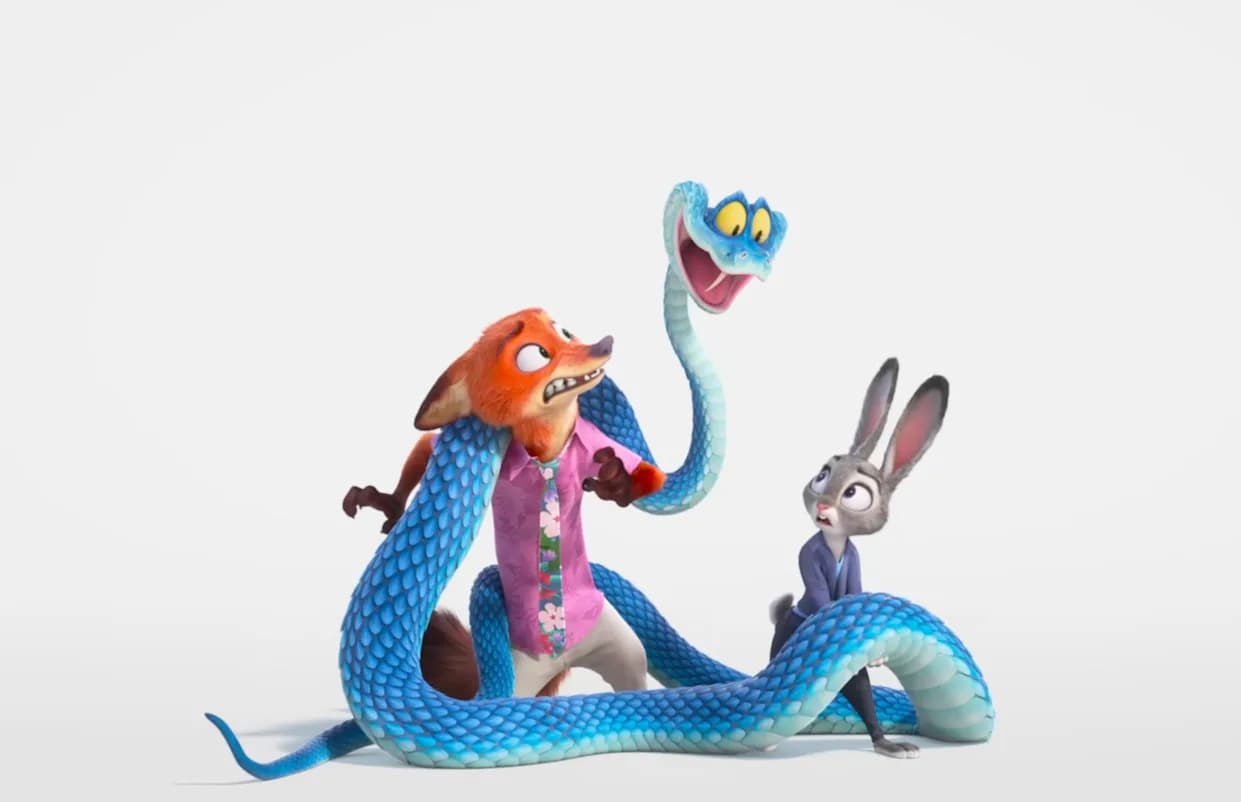
Characters from Zootopia 2.(Walt Disney Animation Studios)
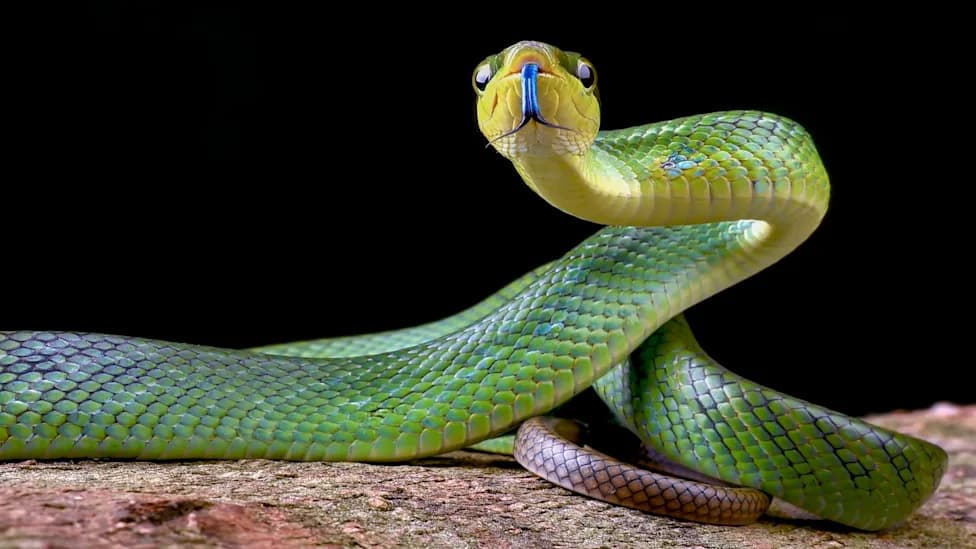
Zootopia 2 mounts an unexpected defense of snakes, centering on Gary De’Snake, a sympathetic pit viper whose story challenges long-standing cultural fears. The Oscar‑nominated sequel follows rabbit officer Judy Hopps and her fox partner Nick Wilde as they investigate why snakes were driven out of Zootopia and whether those prejudices are justified.
“Snakes never hurt anyone,” Gary tells Judy—an idea that drives the film’s effort to reframe snakes not as villains but as valuable members of ecosystems. The film upends a familiar Hollywood trope that casts snakes as menacing antagonists (from The Jungle Book and Harry Potter to Snakes on a Plane and Anaconda) and instead invites viewers to consider the real-world roles of these reptiles.
Snakes’ Ecological Roles
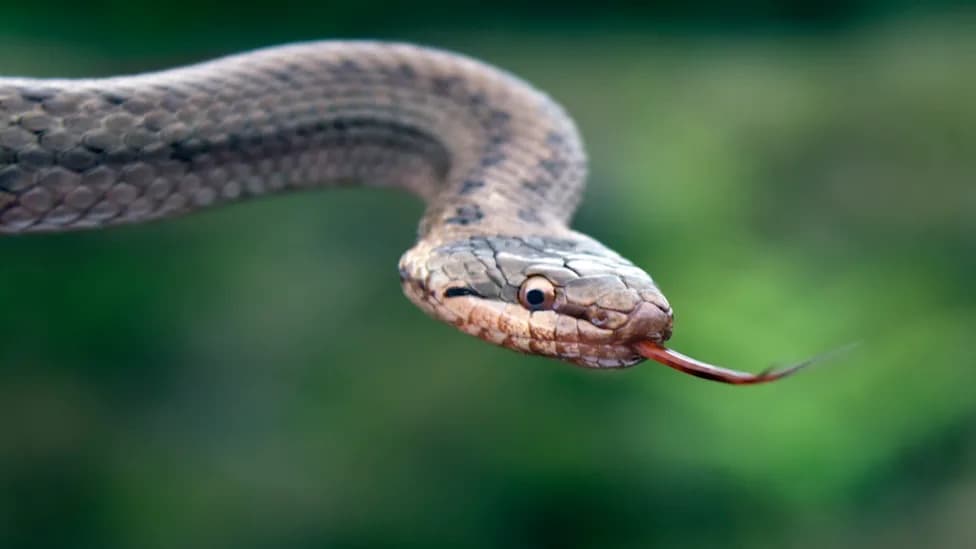
Scientists emphasize that snakes are ecologically important. Emily Taylor, director of the Physiological Ecology of Reptiles Laboratory (PERL) at Cal Poly San Luis Obispo, describes snakes as mesopredators: they prey on small mammals such as mice and squirrels while also serving as prey for larger predators like hawks, owls, badgers and coyotes. That middle position gives snakes an outsized influence on food webs and ecosystem stability.
Taylor offers a simple analogy: removing snakes from an ecosystem is like pulling a central layer of blocks from a Jenga tower. Without snakes to check rodent populations, mice and rats could reproduce unchecked, with cascading impacts on vegetation, crops and habitat structure.
Evidence From Recent Studies
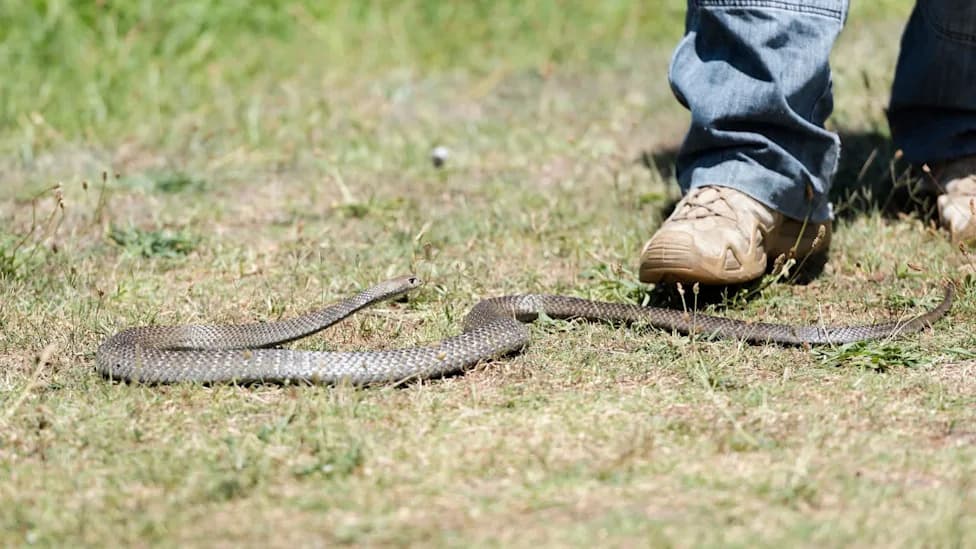
Empirical research supports those concerns. A 2024 Australian study estimated that a single adult eastern brown snake may consume roughly 50 mice per year, and at typical farmland densities, brown snakes could remove thousands of mice per square kilometer annually. Those predation rates illustrate how snakes can be a powerful buffer against rodent outbreaks.
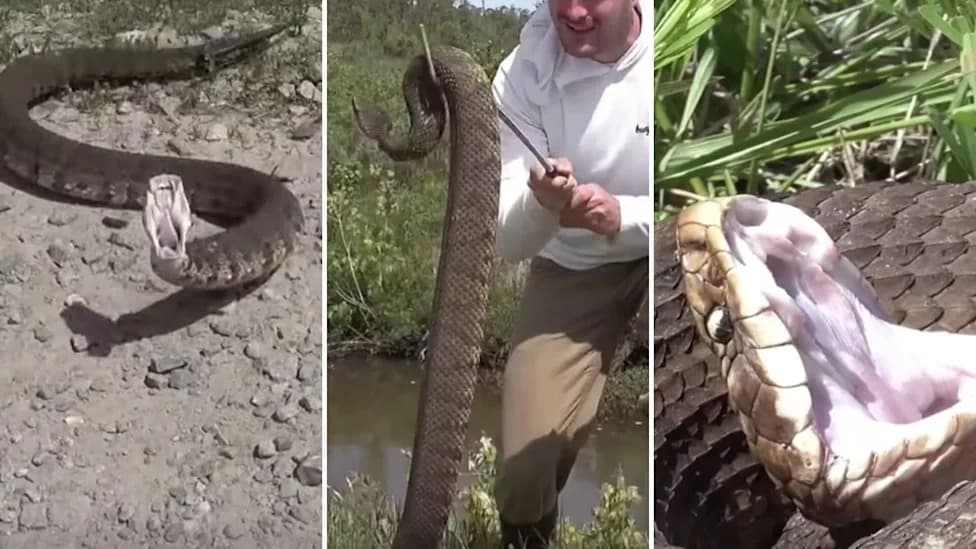
New research has also highlighted surprising ecosystem services provided by some snakes. A January study found that western diamondback rattlesnakes can help disperse seeds: when these snakes eat small mammals that have consumed seeds, some seeds survive passage through the snake’s digestive tract and are deposited with nutrient-rich feces that can aid germination. In that way, snakes can function as small-scale “ecosystem engineers.”
Human Health, Risk, and Misperception
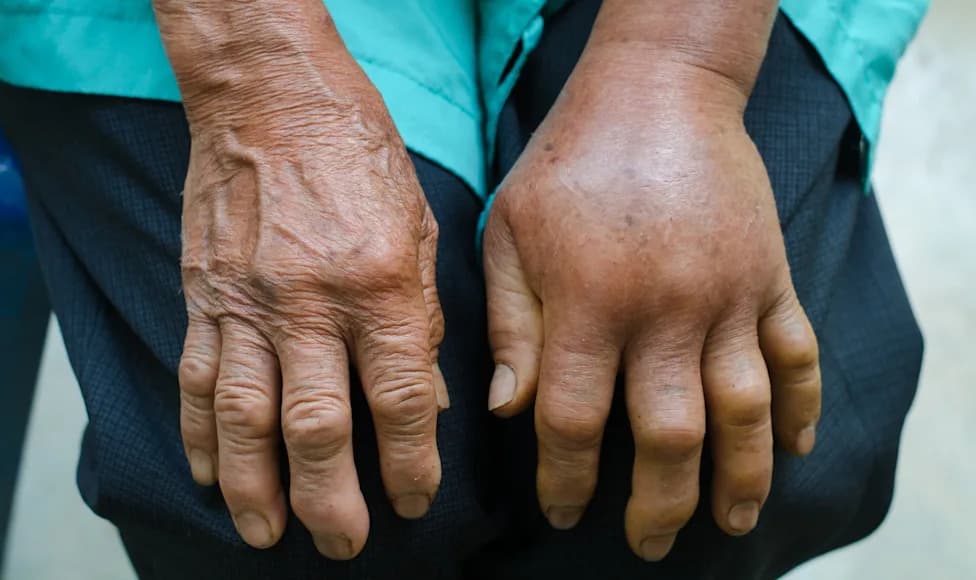
Fear of snakes is common. A 2001 Gallup poll found snakes among Americans’ top phobias. Some of that fear reflects real danger: the World Health Organization estimates between about 81,410 and 137,880 global deaths from snakebite each year. Research also indicates that climate change may increase snakebite risk in some regions.
At the same time, experts note that in many places—such as the United States—fatalities are far lower (around five deaths per year) thanks to better access to medical care. While snakes can sometimes carry Salmonella, rodent-borne diseases (hantavirus, plague, Lyme disease and others) generally pose greater public-health risks because of rodents’ proximity to humans and higher population densities.
“When people can see that snakes are actually gentle and want nothing to do with people—and can appreciate them from a distance—then I think that can lead to appreciation rather than fear,” Taylor says.
Why It Matters
By centering a sympathetic snake character and highlighting the harms of exclusion, Zootopia 2 both subverts a familiar cinematic stereotype and echoes ecological science: snakes play vital roles in controlling pests, limiting disease spread, and even shaping habitats. Reducing them to one‑dimensional villains risks deepening public fear and undermining conservation efforts. Appreciating snakes’ ecological value—while respecting necessary safety measures—offers a more balanced and constructive perspective.
Help us improve.