Summary: This article examines 22 episodes in U.S. history in which government policy, military action, or covert operations inflicted severe harm—forced removals, slavery’s domestic trade, massacres, covert coups, medical abuses, and wartime decisions. It draws on eyewitness testimony, official investigations, and declassified records to show patterns of state violence, secrecy, and limited accountability. The legacy of these events includes enduring social and economic damage and ongoing calls for redress.
22 Historical Episodes Where U.S. Policy Caused Severe Harm — A Clearer Look
Ucg / Getty Images
Trigger warning: This article describes rape, intense violence, torture, and child sexual assault. Reader discretion is advised.
Universal History Archive / Getty Images
This piece reviews 22 episodes in U.S. history in which government policy, military action, or covert operations produced profound human suffering and long-term harm. The account emphasizes documented facts, firsthand testimony, official investigations, and the lasting social and economic consequences for affected communities.
Dea Picture Library / Getty Images
Forced Removals and Indigenous Dispossession
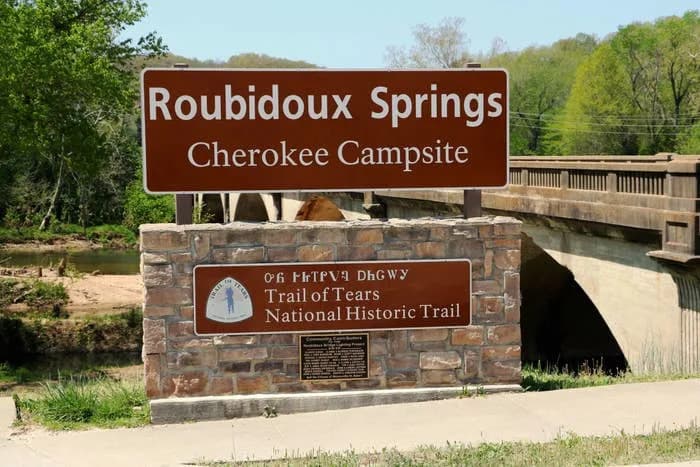
The Treaty of New Echota—used to justify the Cherokee removal—was signed by a small, unauthorized faction while more than 16,000 Cherokee petitioned against it. Contemporary observers recorded the devastation. Alexis de Tocqueville described a Choctaw removal in 1831 as having “an air of ruin and destruction.” Removal policies were driven less by governance disputes than by land hunger—gold discoveries and expanding cotton cultivation—and accompanied by corruption, theft of supplies, and mass expulsion despite Supreme Court rulings recognizing tribal sovereignty. Raphael Lemkin’s broad definition of genocide—covering the dismantling of institutions, culture, and economic life—has led some historians to apply the term to these policies.
Bettmann / Getty Images
Slavery and the Domestic Slave Trade
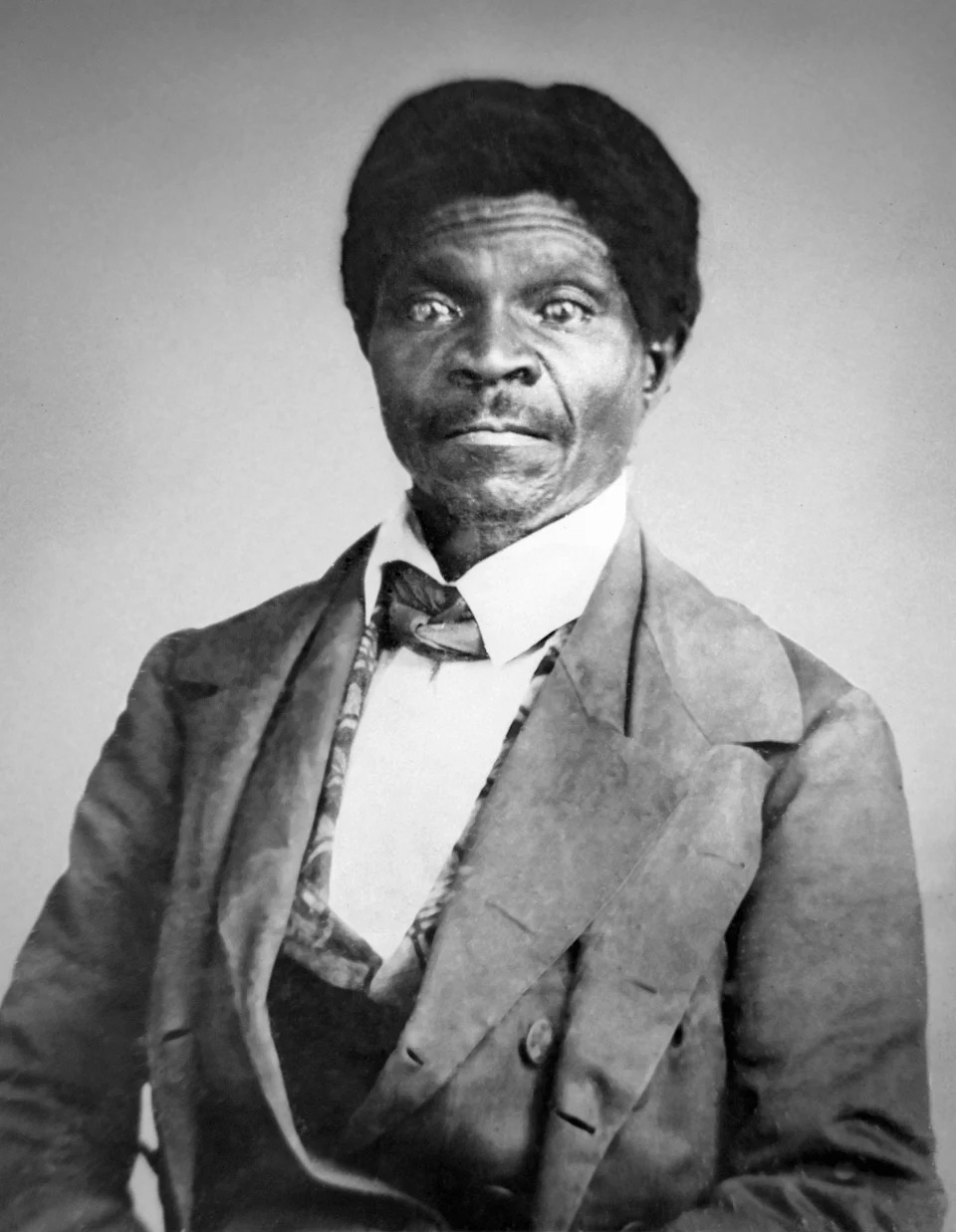
Between roughly 1790 and 1860, historians estimate that about 835,000 to more than 1 million enslaved people were forcibly moved from the Upper South to the Deep South via the domestic slave trade. This migration shattered families, institutionalized the separation of spouses and children, and embedded sexual exploitation into the system—enslaved women’s reproductive capacity was treated as property and economic capital. The Dred Scott decision (1857) reinforced the legal order that denied Black people basic rights and helped preserve slavery’s institutions.
Interim Archives / Getty Images
Massacres and Military Atrocities
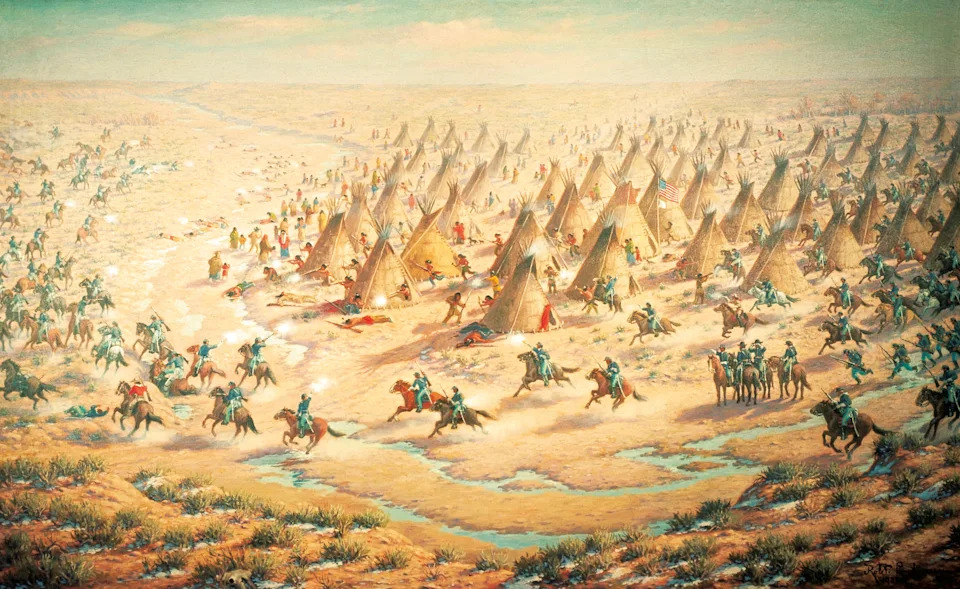
The Sand Creek Massacre left more than 230 Native Americans dead—mostly women, children, and the elderly. Witness testimony described scalping, disembowelment, and body parts taken as trophies; three official investigations condemned the atrocity. No one was prosecuted, and a national historic site was not authorized until 2000.
Ucg / Getty Images
Hawai‘i: Overthrow and Annexation
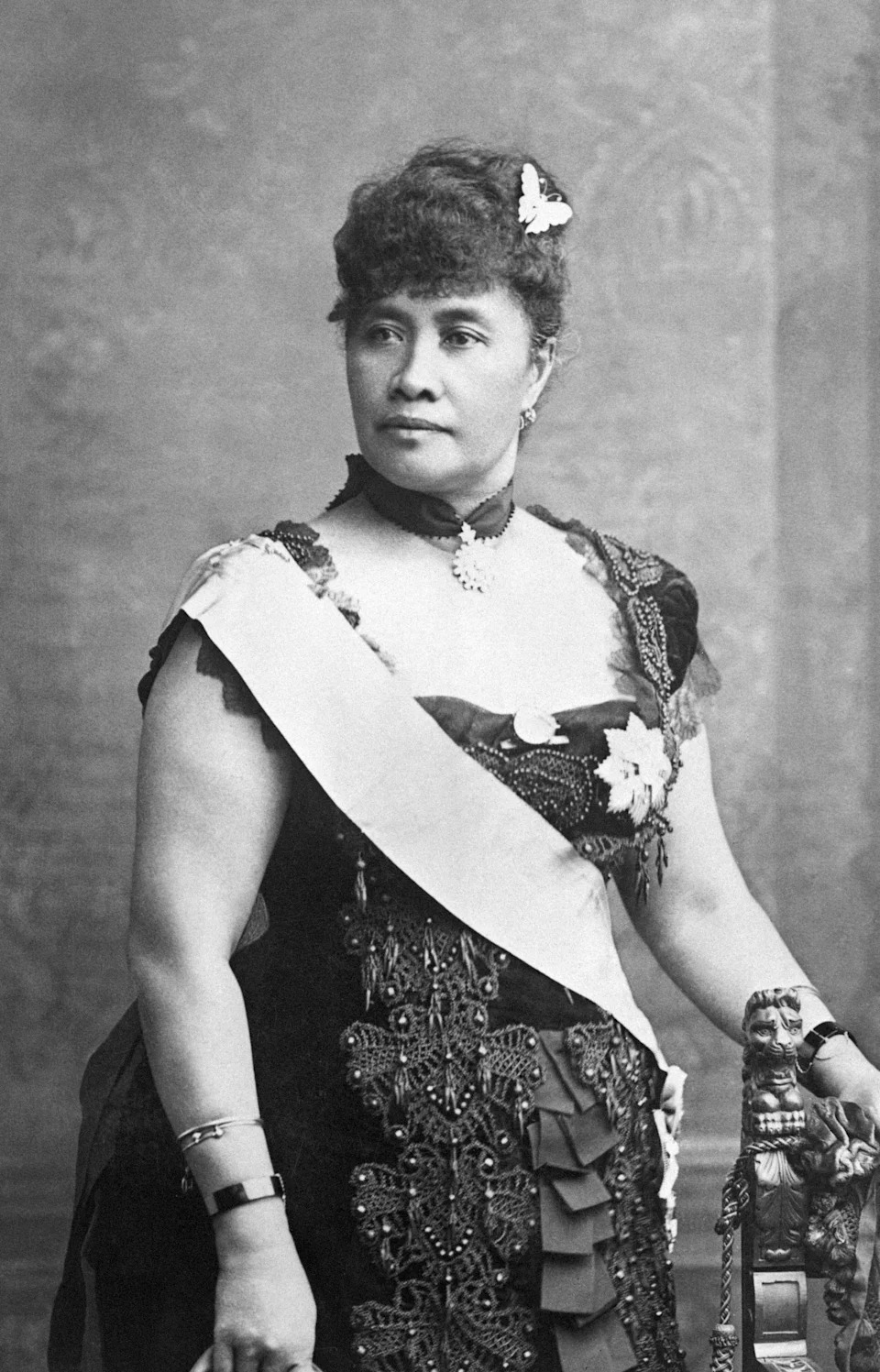
American-linked businessmen and residents forced King Kalākaua to accept the 1887 "Bayonet Constitution," disenfranchising many Native Hawaiians and shifting power to foreign elites. In 1893, a coup deposed Queen Liliʻuokalani; Sanford Dole led the provisional government. Despite the Blount Report’s finding that U.S. representatives abused their authority and an overwhelming Native Hawaiian petition against annexation, the United States annexed Hawai‘i in 1898 via a congressional resolution. The 1993 Apology Resolution acknowledged the overthrow, but no land was returned, and Native Hawaiians today face stark social disparities.
Library Of Congress / Getty Images
Philippine–American War and Early Counterinsurgency
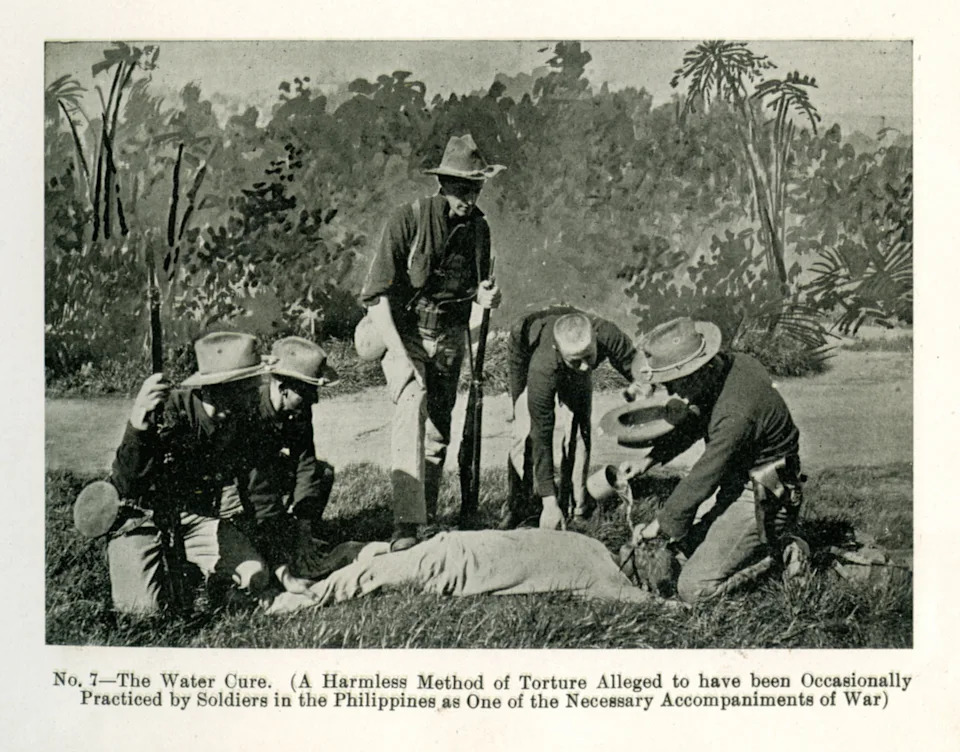
U.S. forces used coercive methods—including the "water cure"—and some commanders advocated extreme measures. After an ambush on Samar, General Jacob H. Smith ordered actions to "kill everyone over the age of 10" and turn the island into a "howling wilderness." Reconcentration camps in Batangas and Laguna saw thousands die from disease and overcrowding; Smith received only a light punishment after a court-martial.
Igorbondarenko / Getty Images
Tulsa Race Massacre (1921)
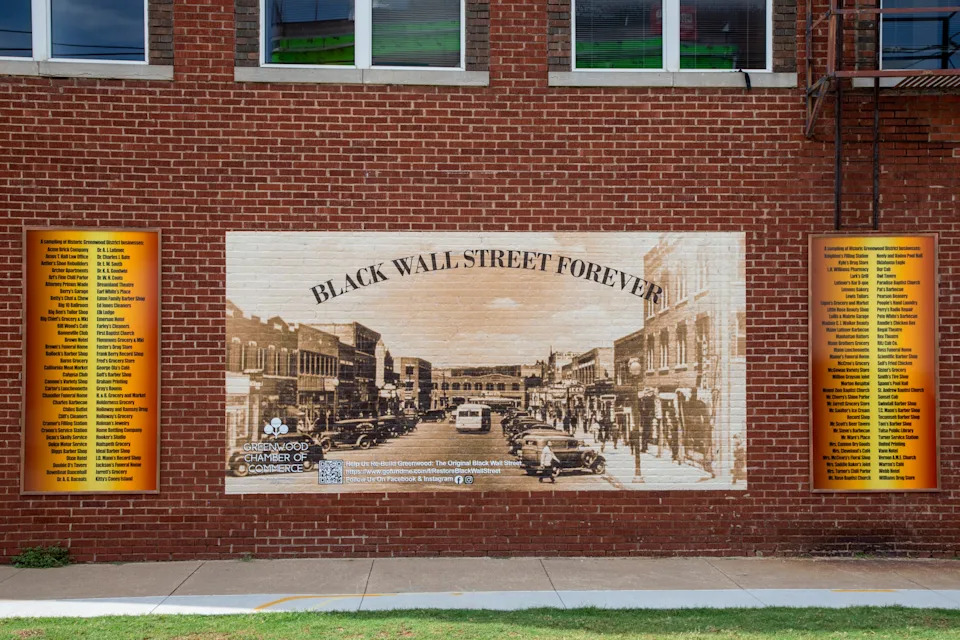
The destruction of Greenwood’s prosperous Black neighborhood involved arson, widespread looting, and possibly aerial incendiaries. At least 1,256 homes and 191 businesses were destroyed; death estimates range from about 50 to 300. More than 6,000 Black residents were detained, and most insurance claims were denied after authorities labeled the events a "riot." The massacre’s history was actively suppressed for decades, and the economic effects on Black homeownership in Tulsa endured for generations.
William Vanderson / Getty Images
Japanese American Incarceration (World War II)
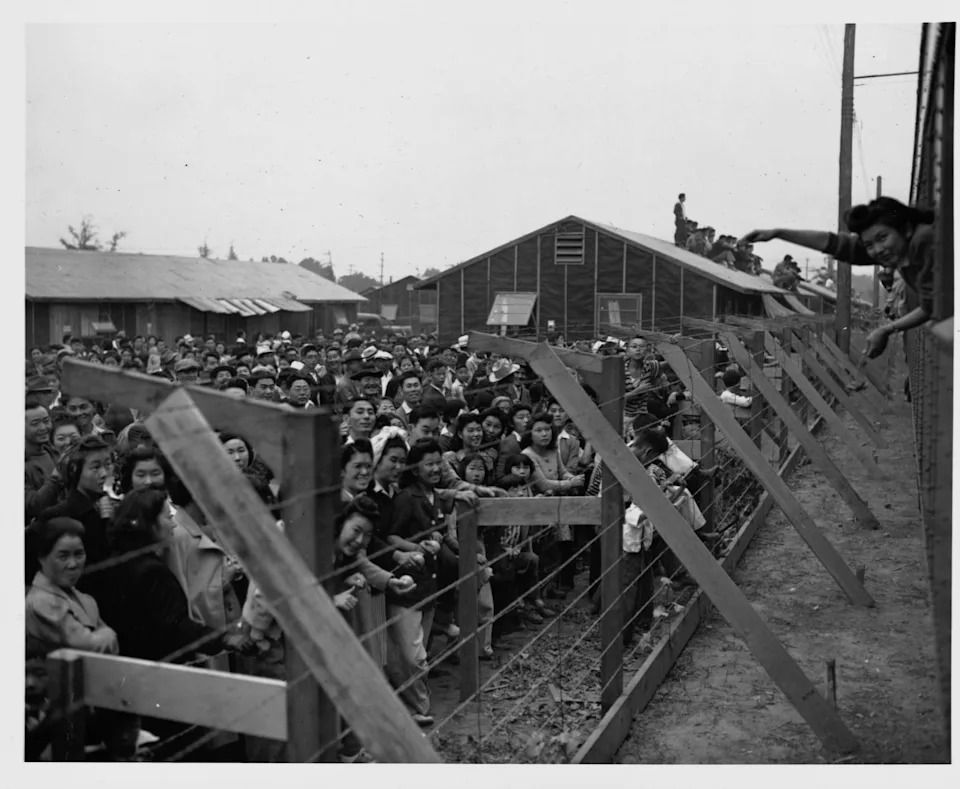
About 120,000 Japanese Americans—many U.S. citizens—were forcibly removed and incarcerated. Courts had previously excluded many Asian immigrants from naturalization; the government suppressed intelligence indicating that those incarcerated posed no security threat. Korematsu v. United States upheld the policy; Justice Frank Murphy dissented, calling it the "legalization of racism." The Civil Liberties Act of 1988 later acknowledged the injustice, authorized $20,000 payments to surviving internees, and issued a formal apology—compensation far below documented economic losses.
- / Getty Images
Atomic Bombings and the End of World War II
The necessity of the atomic bombings of Hiroshima and Nagasaki remains contested. Several senior commanders and the U.S. Strategic Bombing Survey later questioned whether Japan would have surrendered without the attacks. The Soviet Union’s declaration of war and invasion of Manchuria on August 8, 1945, likely also influenced Japanese decision-making. Historians continue to debate the military and moral calculus.
Paul J. Richards / Getty Images
Cold War Coups and Covert Interventions
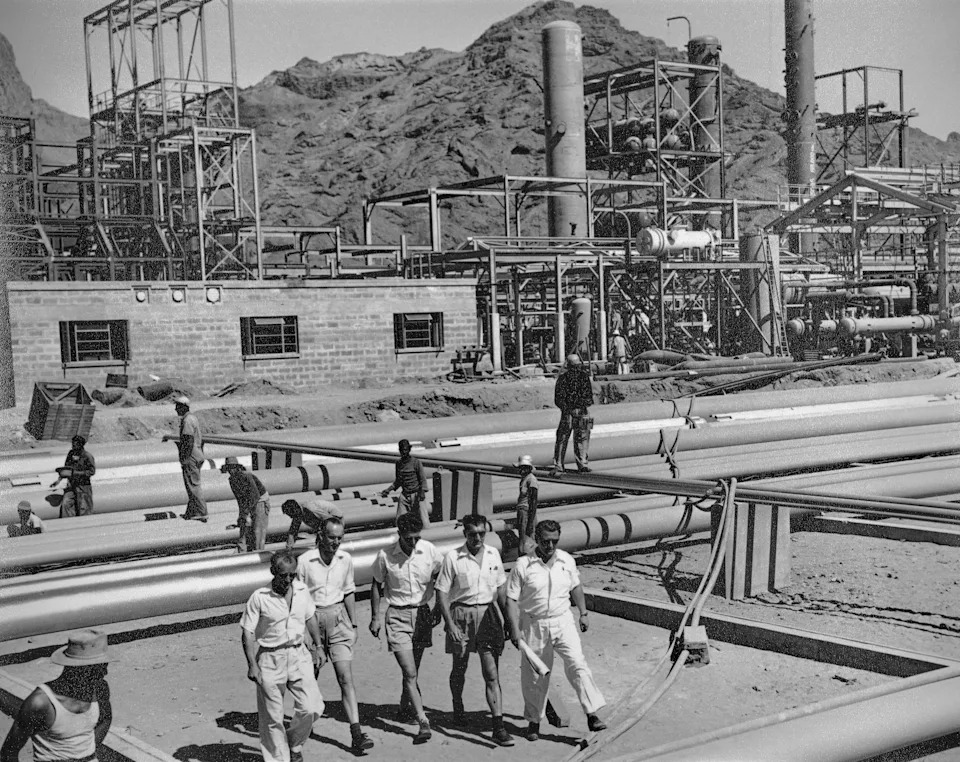
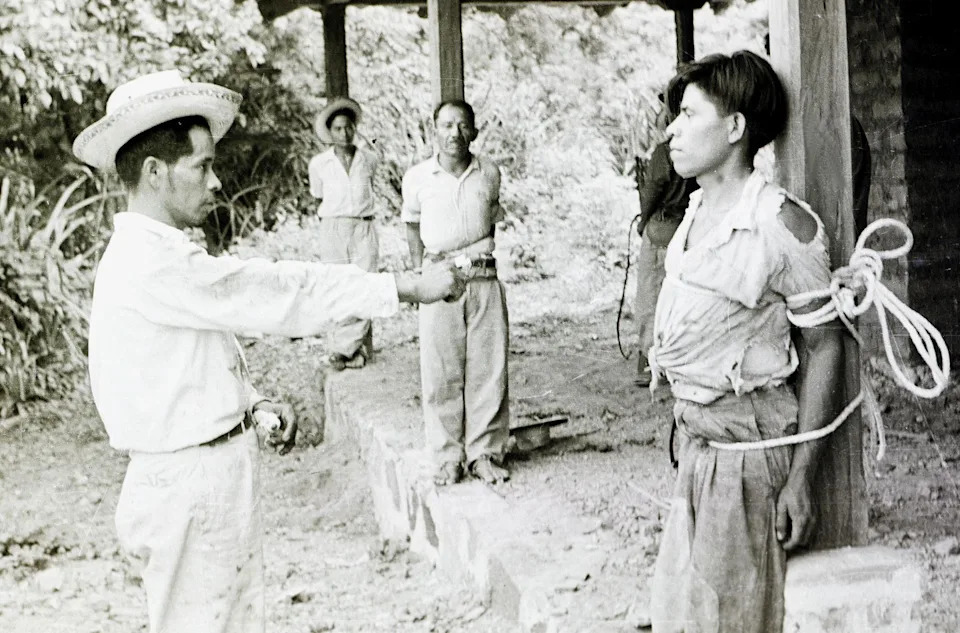
Operation Ajax (Iran, 1953) and Operation PBSUCCESS (Guatemala, 1954) were CIA-backed covert actions that helped overthrow or destabilize elected governments. The 1953 coup in Iran restored the Shah and helped establish SAVAK; the 1954 Guatemalan coup toppled Jacobo Árbenz and contributed to a decades-long civil war marked by mass killings and genocide against Indigenous Maya populations. Declassified records have since confirmed U.S. roles in these operations.
Bettmann / Getty Images
Medical and Psychological Abuses
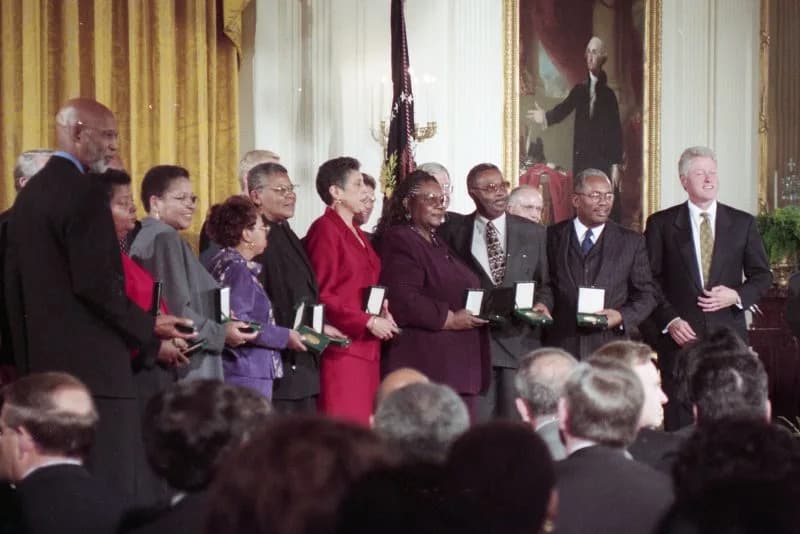
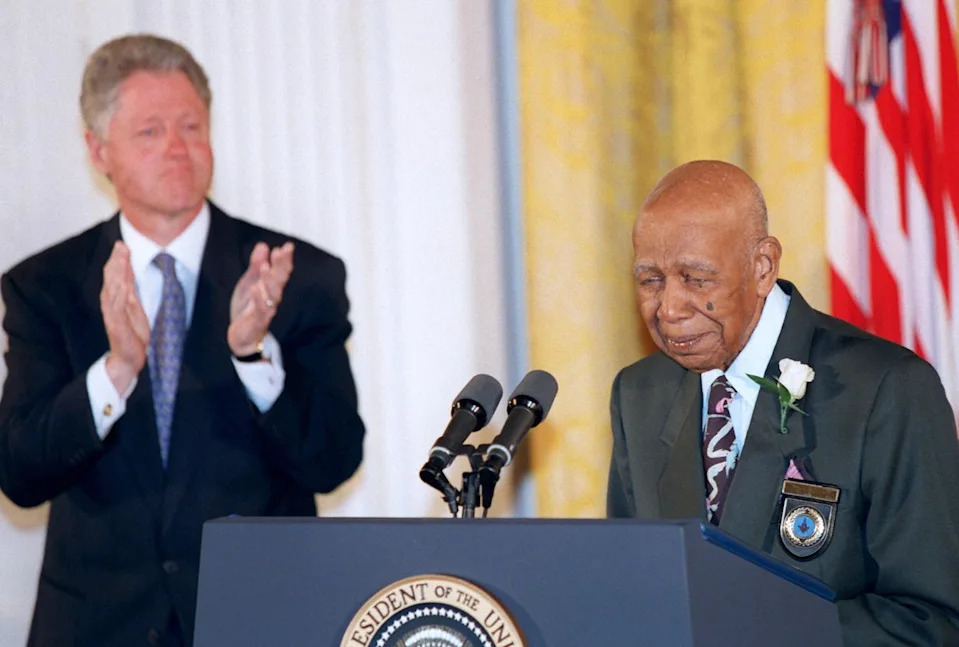
The Tuskegee syphilis study (1932–1972) withheld penicillin from Black men after it became standard treatment, resulting in unnecessary deaths, secondary infections among spouses, and congenital syphilis in children. The experiment and the decision to continue observation were ethically indefensible; President Clinton formally apologized in 1997.
Chicago Tribune / Getty Images
MKUltra, the CIA’s mind-control program, secretly dosed unwitting people with LSD, ran clandestine safehouses, and funded experiments on vulnerable populations. Many records were destroyed in 1973, but surviving documents and Congressional investigations exposed severe abuses, including experiments that produced long-term harm and at least one high-profile death associated with covert dosing.
Bettmann / Getty Images
Domestic Surveillance and COINTELPRO
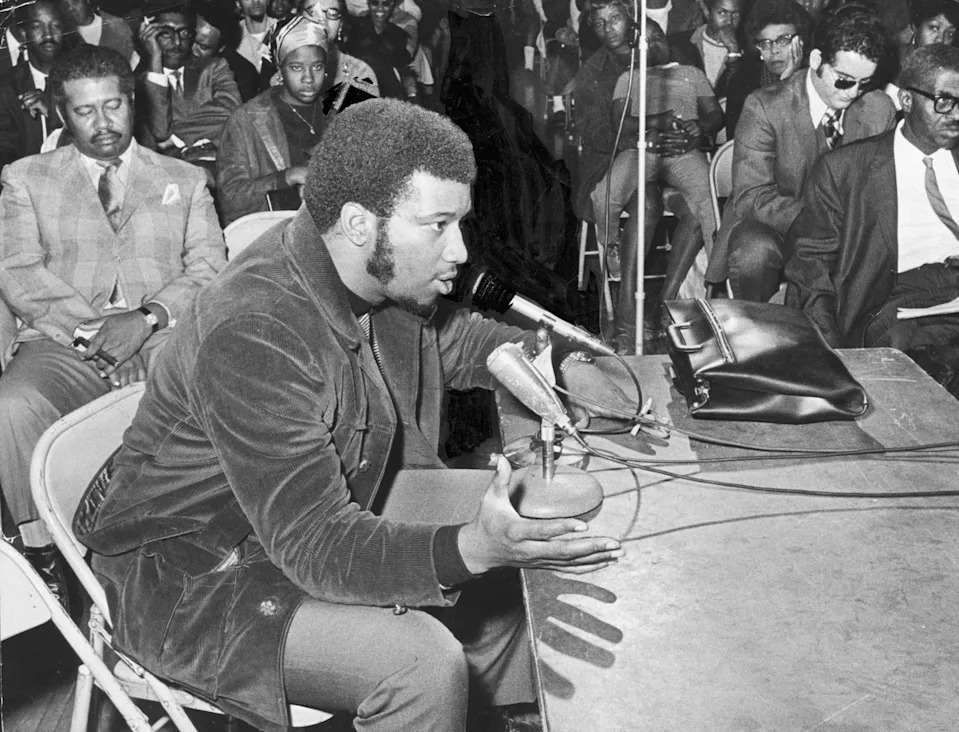
FBI counterintelligence campaigns targeted civil-rights and political organizations. Martin Luther King Jr. received threatening anonymous packages intended to intimidate. The FBI ran hundreds of operations against the Black Panther Party, including forged documents and efforts to provoke violence. The December 1969 raid that killed Fred Hampton involved an informant who provided a floor plan and reportedly drugged Hampton; police fired nearly 99 shots in the encounter. Senior officials were not prosecuted.
Keystone / Getty Images
Bay of Pigs, Operation Northwoods, and Military Planning
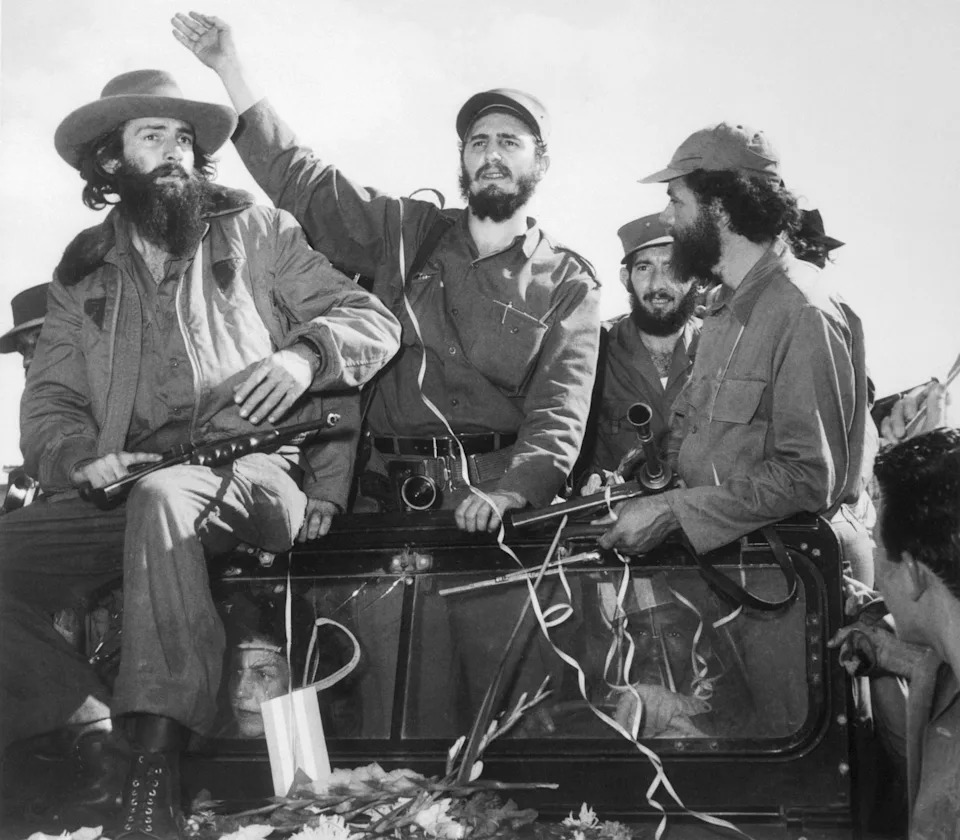
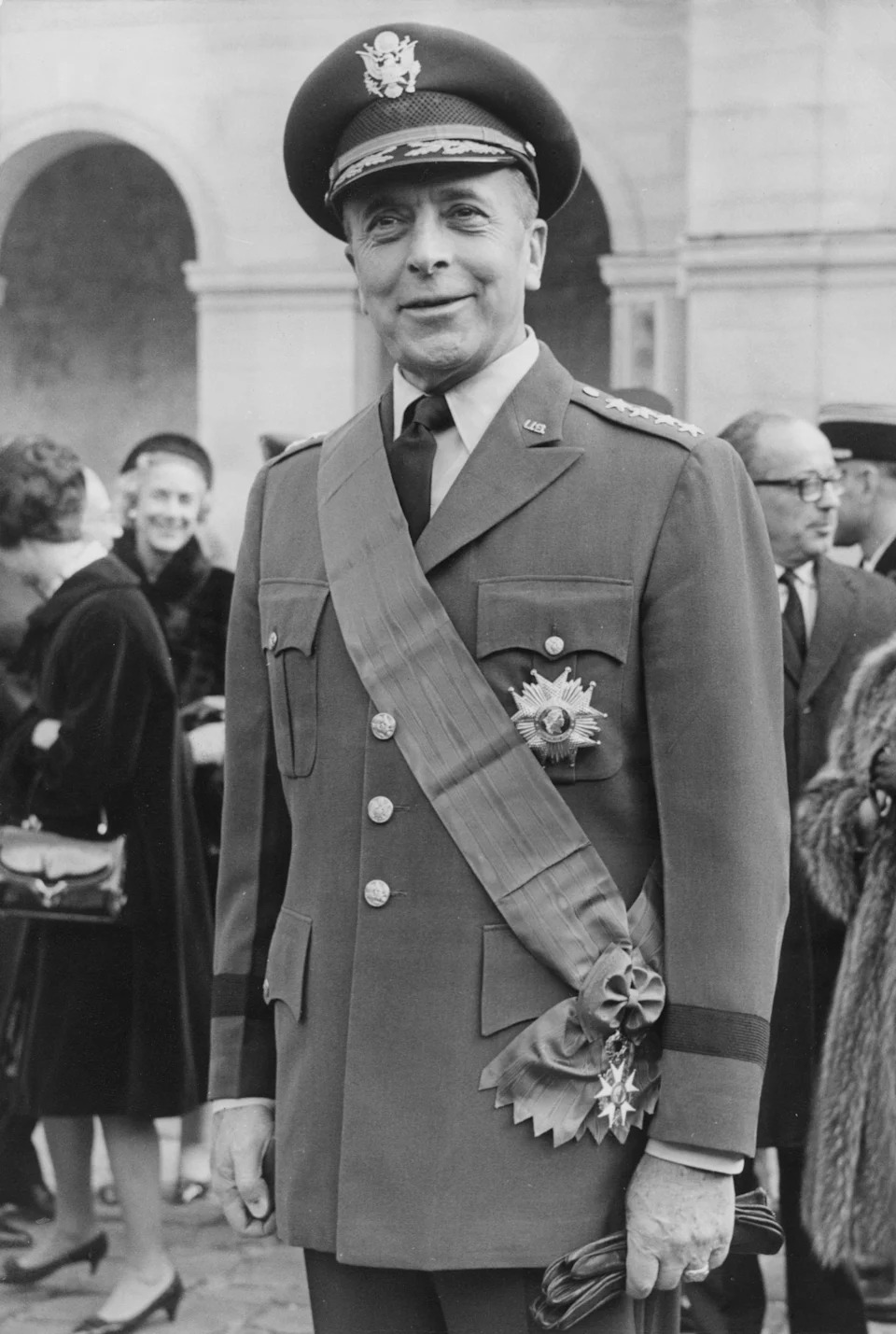
The Bay of Pigs invasion (1961) was a failed CIA-backed attempt to overthrow Fidel Castro that pushed Cuba toward the Soviet Union. Operation Northwoods, proposed by the Joint Chiefs of Staff, recommended staging false-flag attacks to justify intervention in Cuba; President Kennedy rejected the plan. Declassified records reveal how seriously U.S. planners considered covert and deceptive measures.
Universal History Archive / Getty Images
Vietnam War Atrocities and Environmental Harm
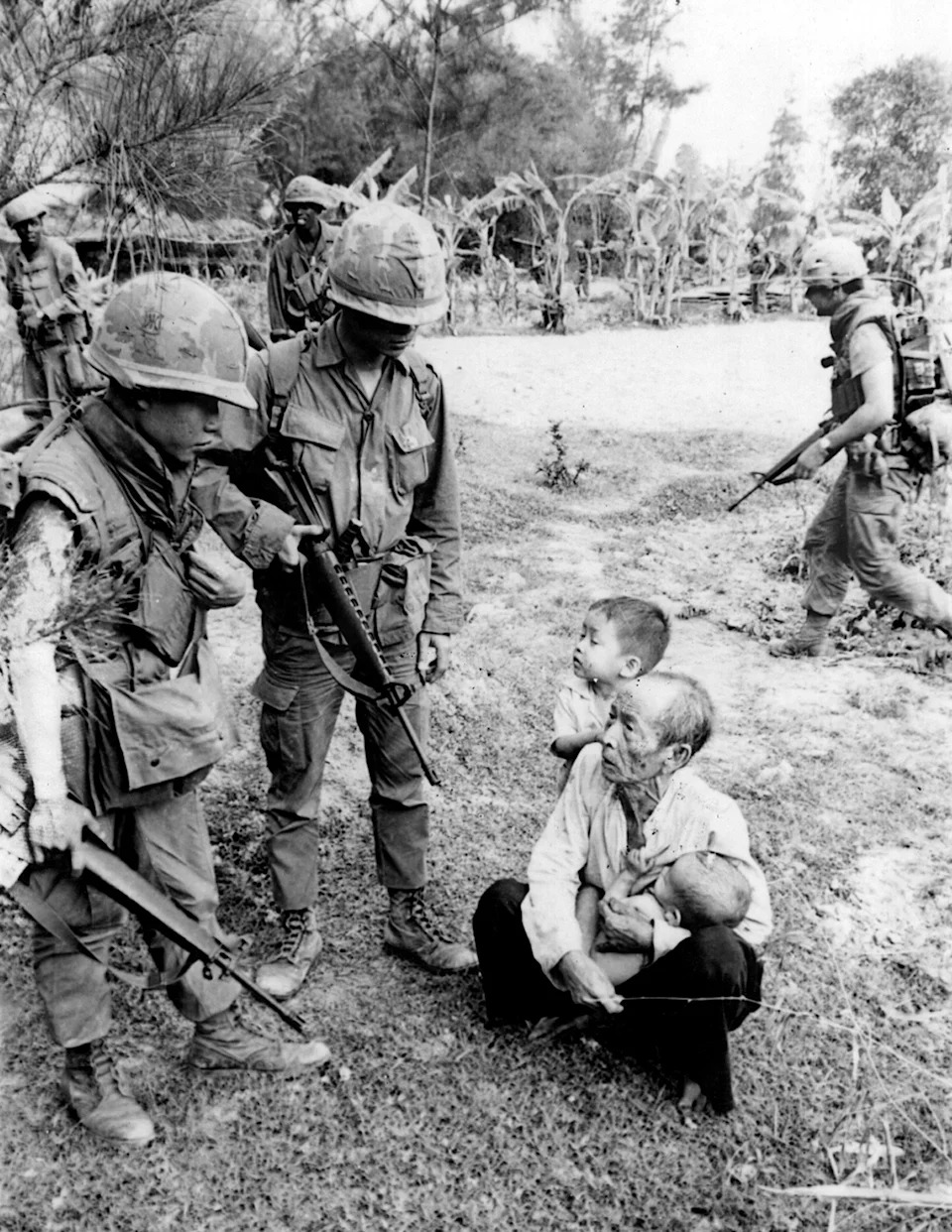
The My Lai massacre (1968) saw the mass killing of civilians; the atrocity was halted in part due to intervention by helicopter pilot Hugh Thompson Jr. William Calley was convicted for the murder of 22 civilians but served only a brief portion of his sentence; few others were held accountable. Millions of people—Vietnamese civilians, US personnel, and allied troops—were exposed to Agent Orange. Estimates suggest as many as 4.8 million people in Vietnam were exposed, with hundreds of thousands suffering illness or death and many children born with birth defects. The U.S. has paid substantial veterans’ compensation but has not accepted legal liability for Vietnamese victims.

Christophe Calais / Getty Images
Cambodia Bombing and the Khmer Rouge
Secret bombing in Cambodia destabilized rural areas, displaced hundreds of thousands, and contributed to the conditions that allowed the Khmer Rouge to grow from a small insurgency into the genocidal regime that killed an estimated 1.5 to 3 million Cambodians. The secret campaign’s exposure helped prompt Congress to pass the War Powers Resolution.
Bettmann / Getty Images
Chile, Argentina, and Support for Authoritarianism
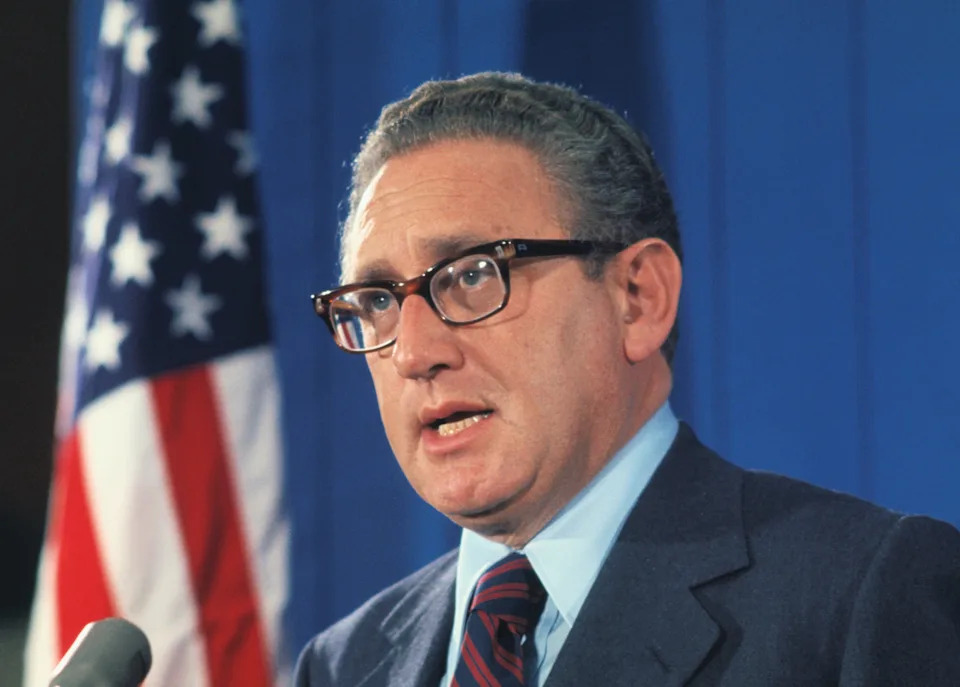
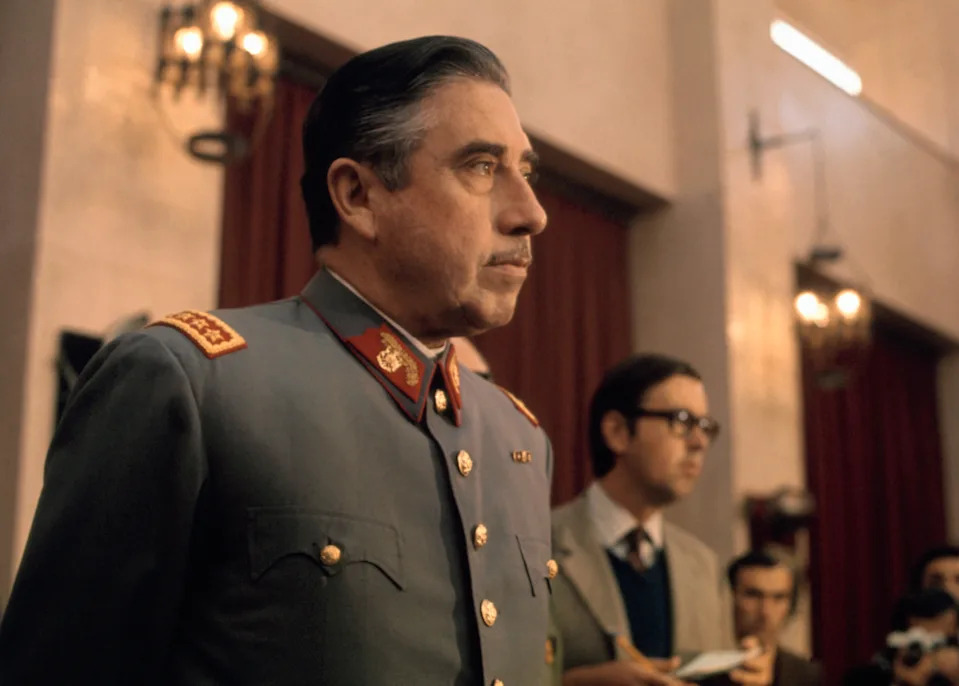
U.S. covert action and political pressure in Chile contributed to the 1973 coup that toppled Salvador Allende and ushered in Augusto Pinochet’s dictatorship, which the country’s truth commissions later documented as responsible for thousands of killings, disappearances, and torture. U.S. contacts and limited support for regional security services also linked it indirectly to Operation Condor’s network of repression.
Bettmann / Getty Images
Contra War, Iran–Contra, and Covert Funding
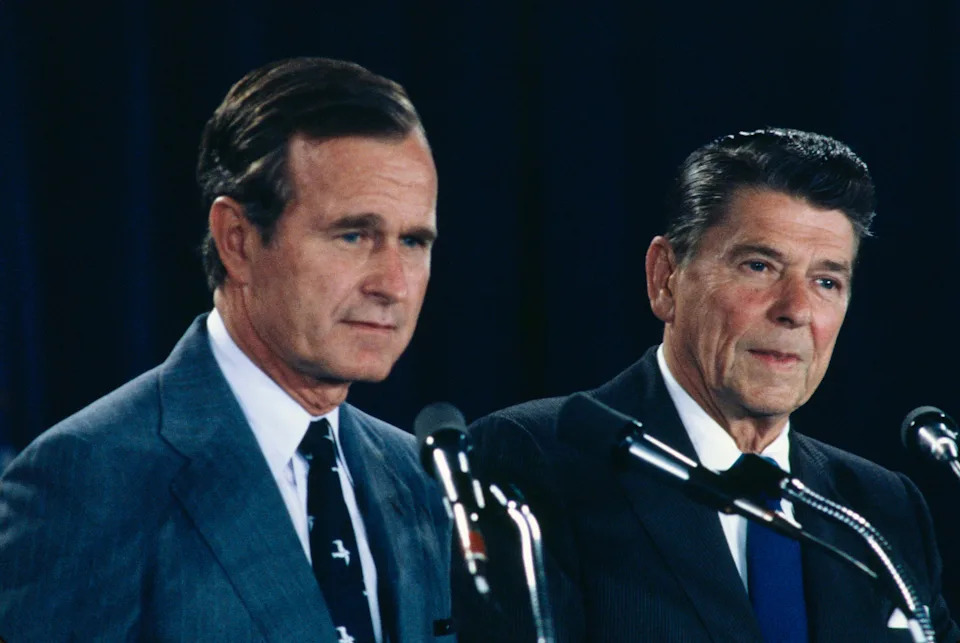
U.S.-backed Contras in Nicaragua were accused of serious human-rights abuses. The Iran–Contra affair revealed illegal arms sales to Iran and diversion of proceeds to the Contras; numerous officials were indicted or convicted, and document destruction and pardons complicated accountability.
Bettmann / Getty Images
Iraq War Intelligence Failures
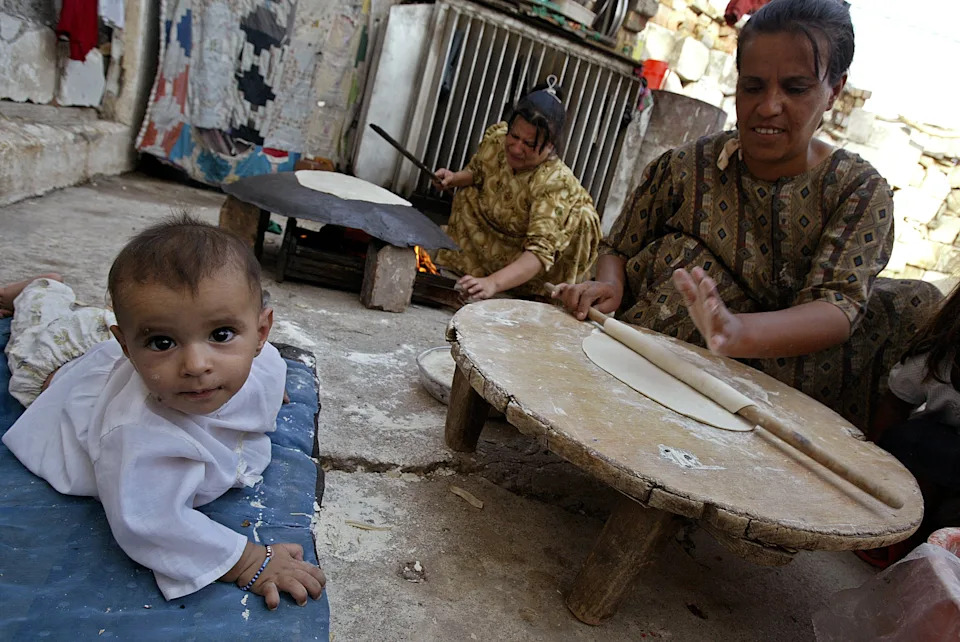
Claims about Iraqi weapons programs—especially mobile biological-weapon labs—relied on flawed or fabricated sources such as the defector known as "Curveball." Internal and allied documents suggest intelligence was sometimes shaped to fit policy. The Iraq War’s human and financial costs were vast: documented civilian deaths number in the hundreds of thousands, displacement reached into the millions, U.S. military casualties numbered in the thousands, and long-term reconstruction and regional instability—factors that contributed to the rise of ISIS—were profound.
Tarik Tinazay / Getty Images
Post‑9/11 Detention, Interrogation, and Legal Architecture
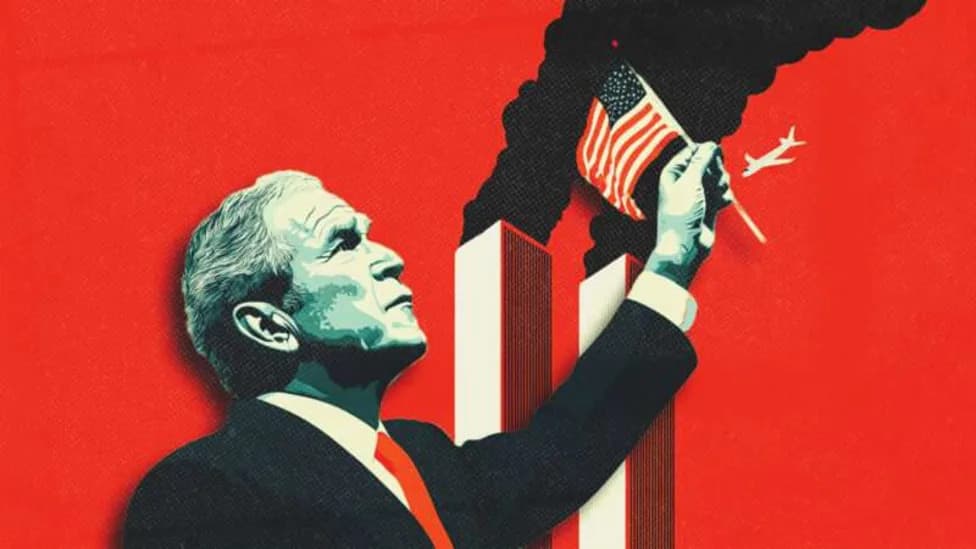
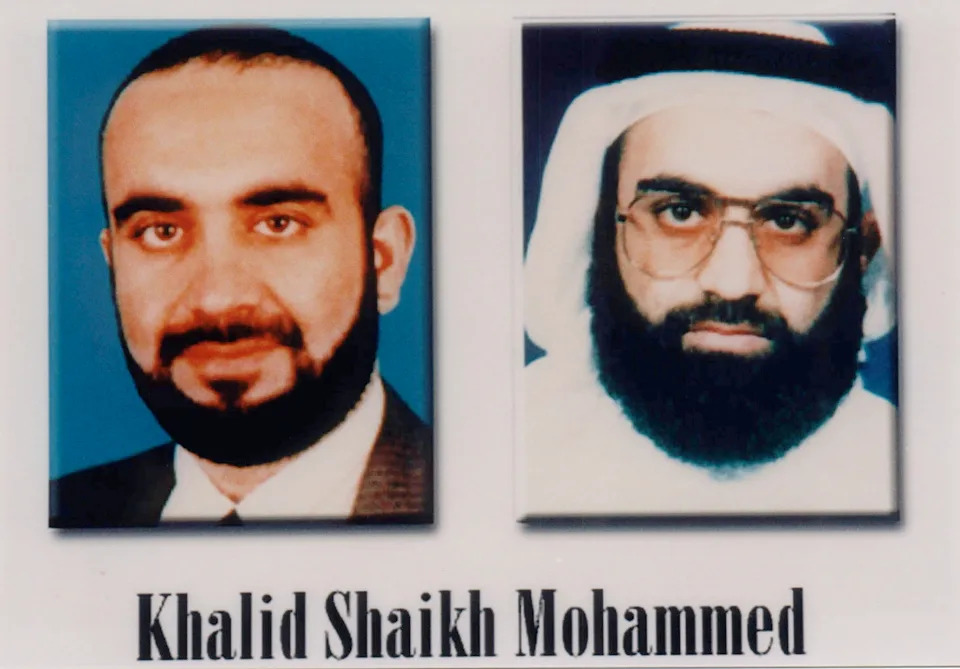
After 9/11, Justice Department memos narrowed the legal definition of torture and enabled the CIA’s "enhanced interrogation" program. Detained persons were subjected to waterboarding, prolonged sleep deprivation, stress positions, and other coercive techniques. The Senate Intelligence Committee’s 2014 report found the methods were not effective for reliable intelligence, that the CIA misrepresented outcomes, and that the agency destroyed videotapes documenting early interrogations. Few senior officials were criminally prosecuted.
Greg Mathieson / Getty Images
Legacy and Ongoing Consequences
Across centuries, these episodes reveal patterns of state-sanctioned violence, secrecy, racialized policy, and uneven accountability. Official apologies and reparations have been inconsistent and often delayed. The social, economic, and intergenerational impacts persist for many communities seeking recognition, justice, and redress.
If you are in crisis: Dial 988 in the United States to reach the National Suicide Prevention Lifeline (available 24/7). For sexual assault support call the National Sexual Assault Hotline at 1-800-656-HOPE. To report or get help for suspected child abuse call 1-800-422-4453 (4.A.CHILD). The National Alliance on Mental Illness helpline is 1-800-950-6264.
Help us improve.