New motion-capture and field videography reveal that many moths and flying insects don’t head straight for lamps. Instead, they orient their dorsal side toward the brightest cue — normally the night sky — and then move at roughly right angles to that cue, causing looping or stalled flights around artificial lights. This dorsal light-response explains decades of observations, rules out some older hypotheses, and has implications for urban ecology and light-trap design.
New Study Explains Why Moths and Other Insects Keep Circling Artificial Lights
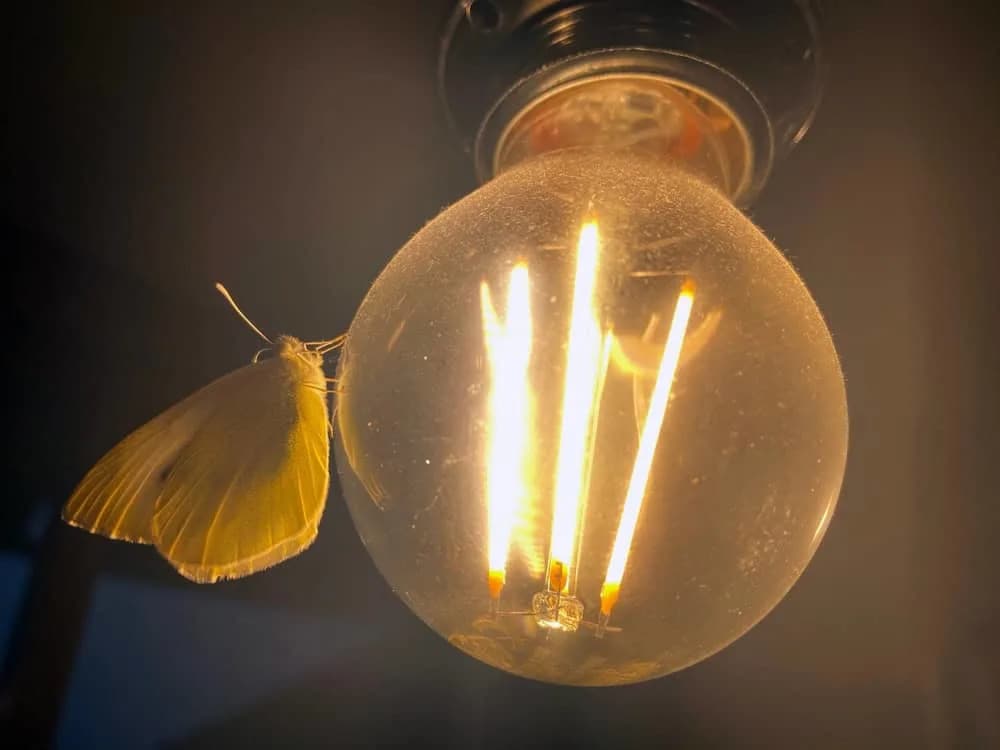
a moth attracted to a lamp© DoshinVision/Shutterstock.com
New experiments combining high-resolution motion capture in the lab with stereo videography in the field provide a clear, mechanistic explanation for a familiar nighttime mystery: why many moths and other flying insects repeatedly circle artificial lights.
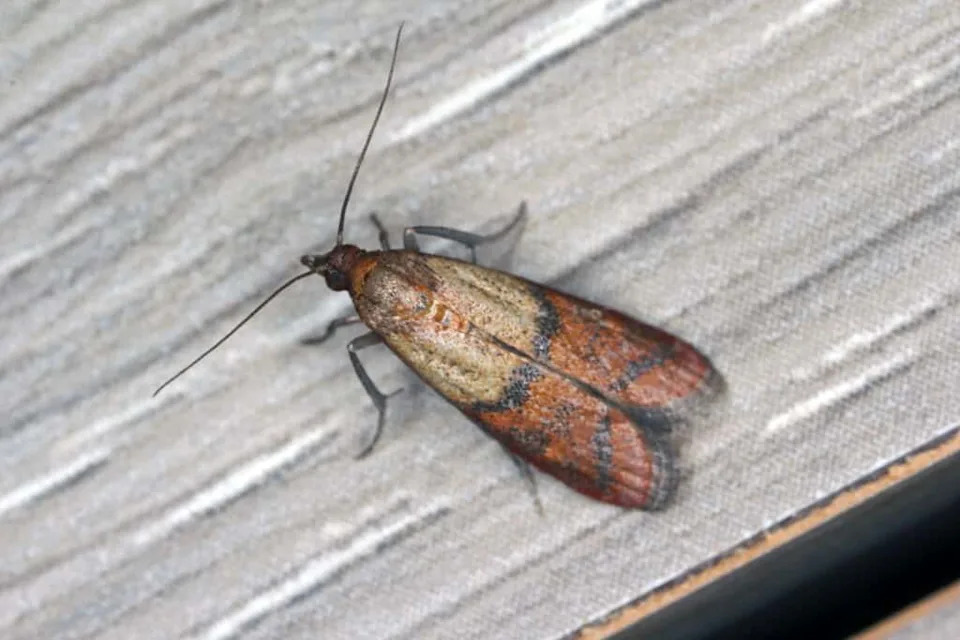
Indianmeal moths are not attracted to light.©Tomasz Klejdysz/Shutterstock.com(Tomasz Klejdysz/Shutterstock.com)
How Researchers Solved the Mystery
Scientists tracked three-dimensional flight paths of moths and similar insects around lamps and reconstructed their kinematics. Rather than flying directly toward bulbs, the insects orient relative to the brightest part of the scene — a behavior known as the dorsal light response — and then fly at roughly right angles to that cue. When an artificial light becomes the brightest reference point, the insect treats it like the sky and reorients its back toward it. That reorientation produces repeated right-angle arcs and stalled or looping trajectories that trap the insect around the light.
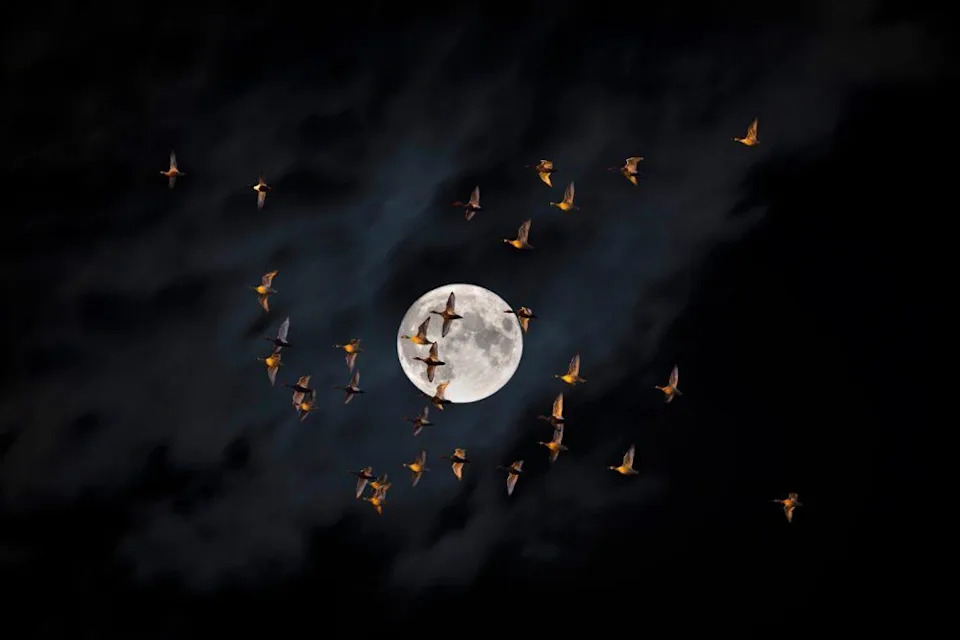
The moon provides light for nighttime creatures.©smutan/Shutterstock.com(smutan/Shutterstock.com)
Dorsal Light Response, Not Simple Attraction
Most flying insects keep their topside pointed toward the brightest region of the visual field; under natural night conditions this is the sky. The study shows that the lamp becomes a misleading bright cue, so insects turn their dorsal surface toward the lamp and then proceed sideways relative to it. This explains why they appear to circle or become stuck near lights rather than zooming straight into the bulb.
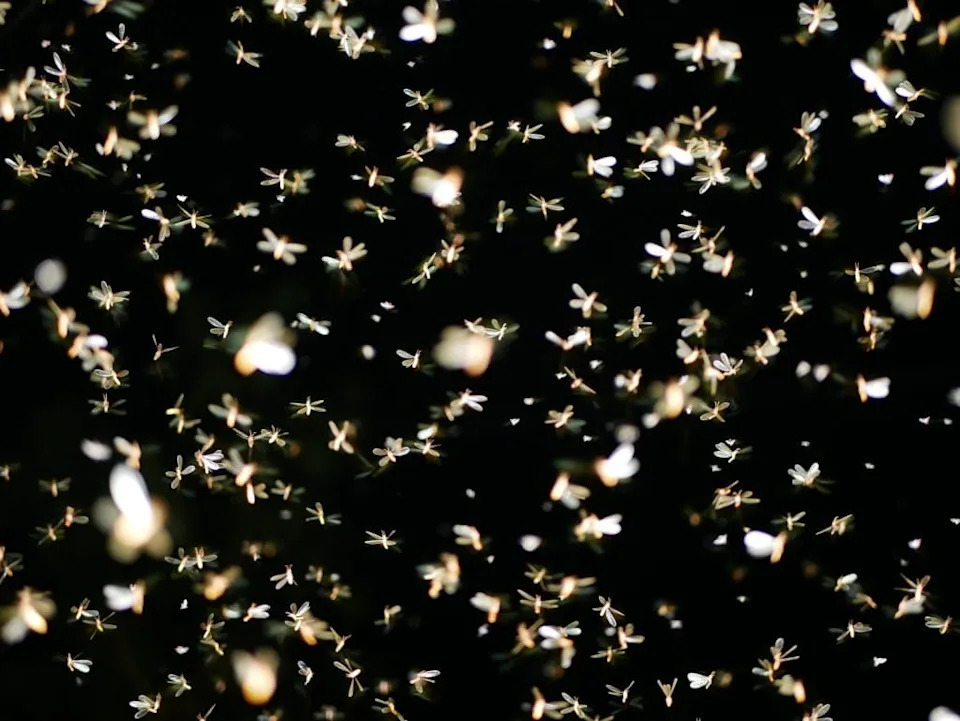
Moths get trapped in journeys around lights.©buddhawut/Shutterstock.com(buddhawut/Shutterstock.com)
What This Means For Older Theories
Earlier explanations — including infrared attraction from flames and bulbs, being dazzled by bright light, or accidental attraction to optical artifacts such as Mach bands — are inconsistent with the kinematic data. The new observations reconcile prior findings about celestial navigation (moths use the moon or star patterns when available) with the behaviour seen around nearby artificial lights.
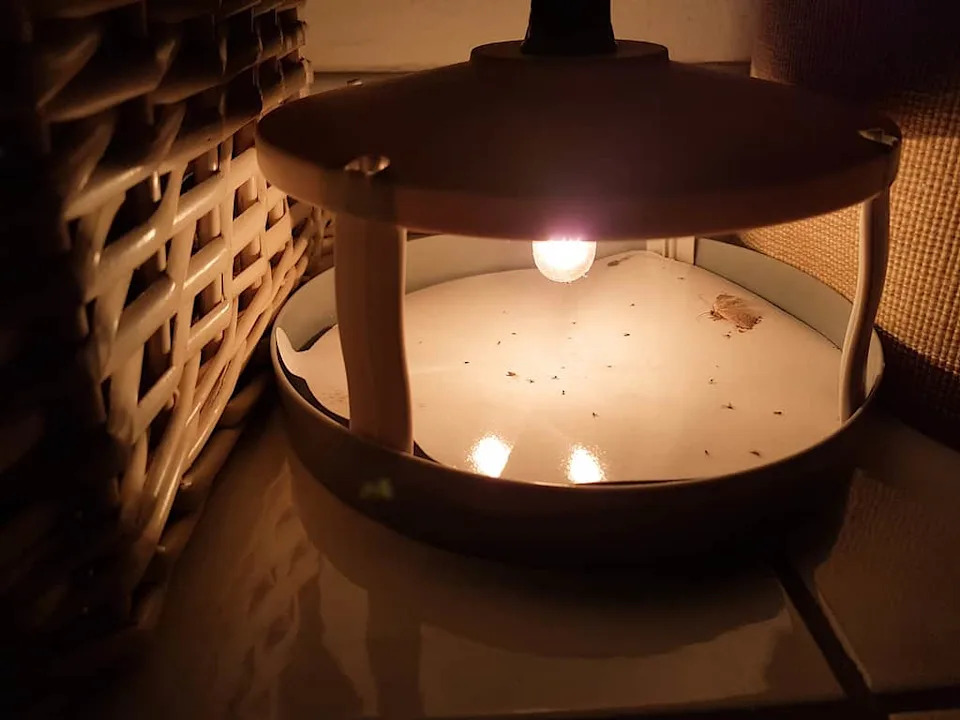
Light traps are used to attract and control some insects.©summerphotos/iStock via Getty Images(summerphotos/iStock via Getty Images)
Species Differences And Real-World Effects
Not all moths are equally phototactic. For example, clothes moths (Tineola bisselliella) typically avoid light and hide in dark refuges, while Indianmeal moths (Plodia interpunctella) are more likely to be seen near indoor lights. Other flying insects such as mosquitoes, midges and sand flies also gather at lights and are affected by similar orientation cues.
Ecological And Practical Implications
The findings have several important implications: urban moth populations often show reduced flight-to-light responses, which may help them survive in lit environments but could reduce mobility and dispersal. A clearer understanding of the dorsal light-response mechanism can improve light-trap design for monitoring pests and disease vectors (for example, mosquitoes) and could guide development of domestic or street lighting that is less attractive to nuisance and vector insects.
Bottom line: Artificial lights hijack an insect’s natural sky-orientation system, producing repeated right-angle flight paths that trap many moths and other nocturnal flyers around lamps.
Help us improve.