Pakistan President Asif Ali Zardari said Afghanistan's Taliban government "crossed a red line" by launching drone strikes that hit civilian areas, warning of "grave consequences." The clashes are the deadliest between the neighbors in recent weeks and have persisted despite mediation attempts by China, Turkey and Qatar. Both sides accuse the other of striking civilians and trading claims about captured positions and casualties, while regional diplomats push for a ceasefire.
Pakistan President Says Afghan Taliban 'Crossed A Red Line' After Drone Attacks on Civilians
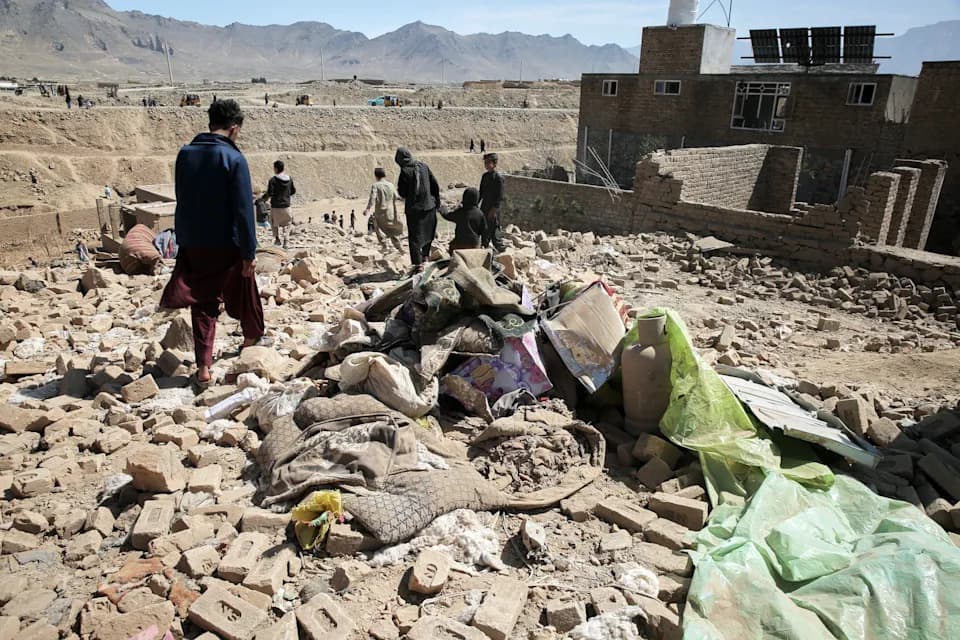
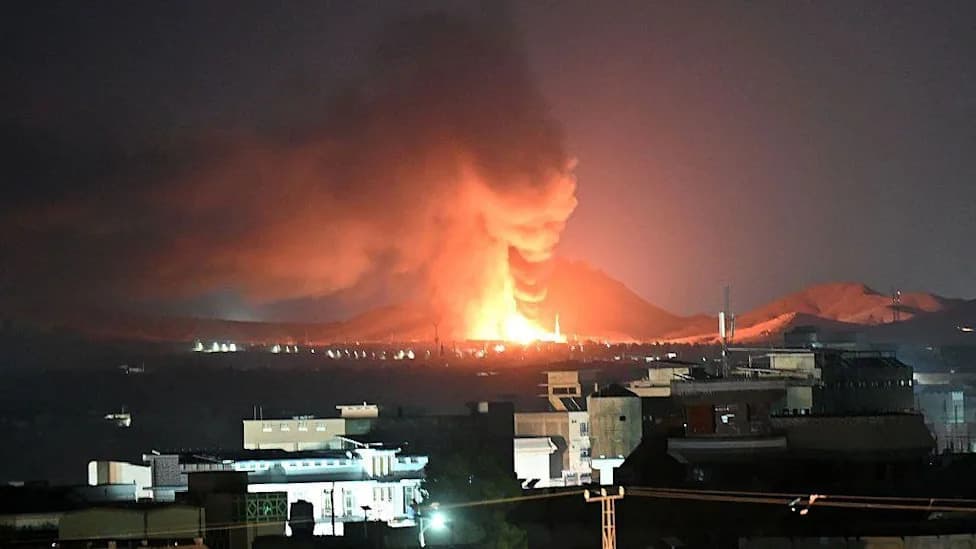
Residents inspect the site of a strike in Kabul, Afghanistan, Friday, March 13, 2026. (AP Photo/Barackatullah Popal)(ASSOCIATED PRESS)
Pakistan President Asif Ali Zardari on Saturday accused Afghanistan's Taliban administration of having "crossed a red line" by launching drone strikes that struck civilian areas inside Pakistan, warning that Kabul's actions have "brought grave consequences upon itself." The allegation comes amid the deadliest round of cross-border fighting between the two neighbors in recent years.
Details of the Incidents
Pakistani officials said their forces intercepted drones launched on Friday but that falling debris injured two children in Quetta and two other people elsewhere in the country. Islamabad denied that its own operations target civilians, saying its actions are directed at Pakistani Taliban militants and their support networks.
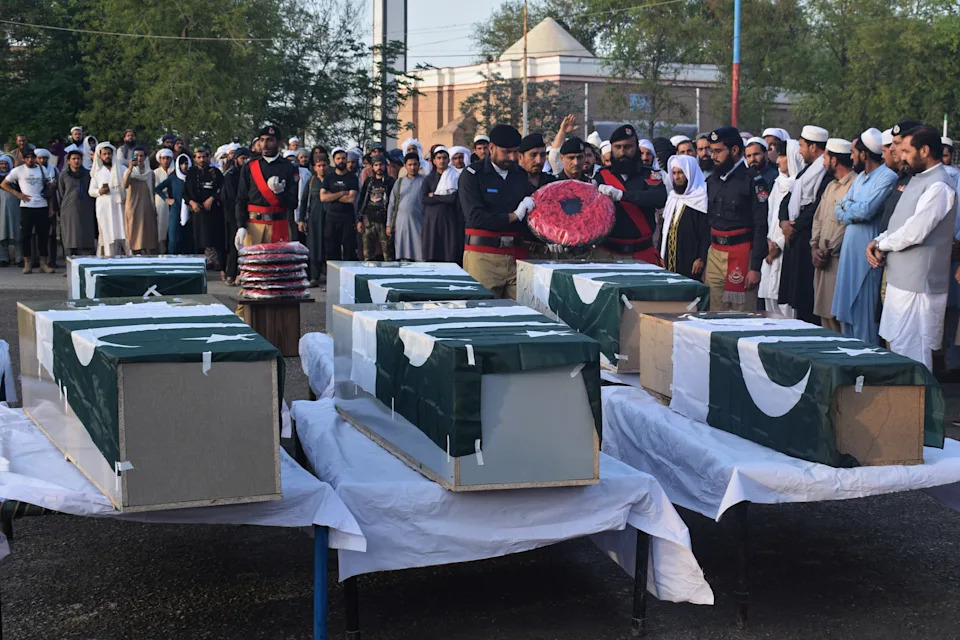
People attend the funeral prayers of police officers, killed in the roadside bomb explosion, outskirts of Lakki Marwat, a district in northwest Pakistan, Friday, March 13, 2026. (AP Photo/G.A. Marwat)(ASSOCIATED PRESS)
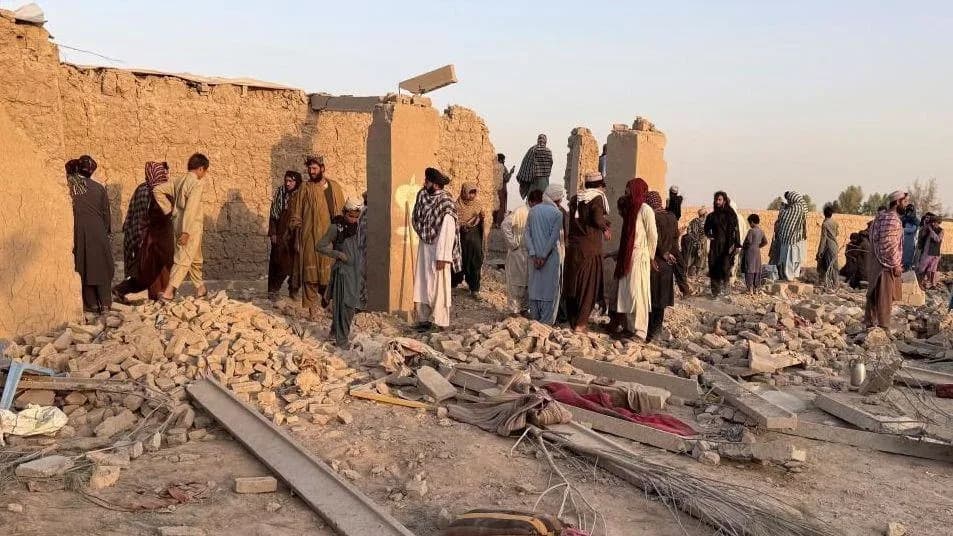
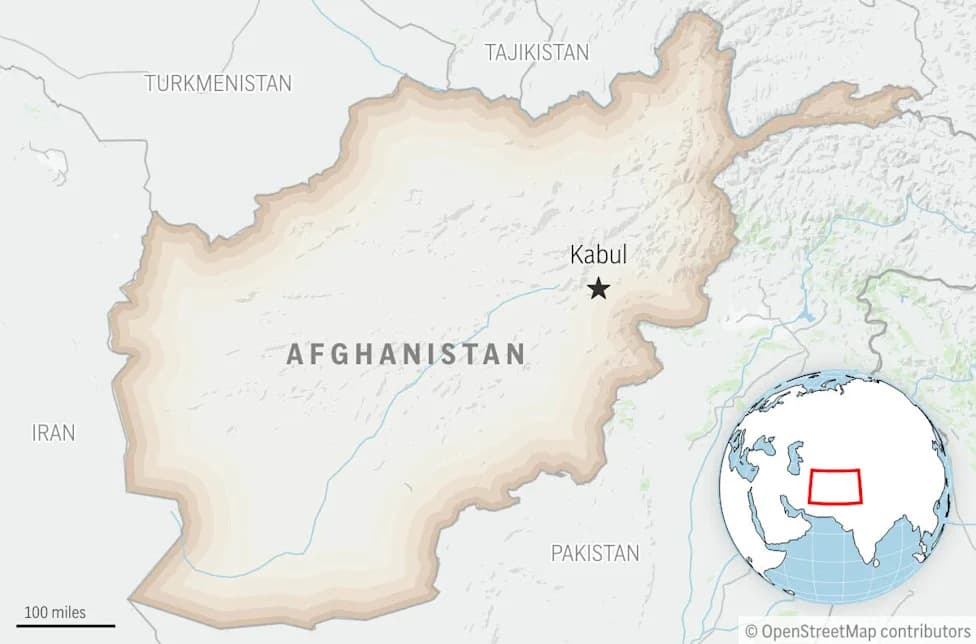
On Friday the Afghan Taliban government accused Pakistan of carrying out airstrikes in Kabul and eastern provinces of Afghanistan, alleging at least six civilians were killed and 15 others wounded. Kabul later said its air force struck military installations near Islamabad and in northwestern Pakistan.
Competing Claims and Local Violence
Afghanistan's Defense Ministry posted on X that its forces along the eastern border in Kunar and Nangarhar captured a Pakistani post and killed 14 Pakistani soldiers; Pakistan's Information Ministry called that claim baseless. Separately, a roadside bomb in the northwestern Pakistani district of Lakki Marwat killed seven police officers, according to local reports.
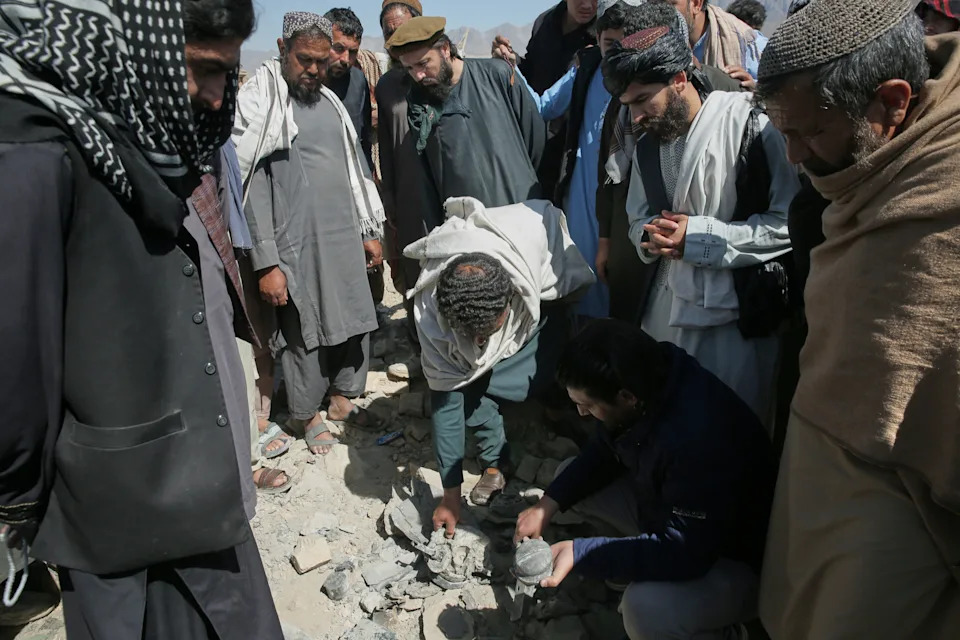
Residents and Taliban police gather the remains of a projectile at the site of a strike in Kabul, Afghanistan, Friday, March 13, 2026. (AP Photo/Barackatullah Popal)(ASSOCIATED PRESS)
Afghan government spokesman Zabihullah Mujahid also said Pakistani aircraft struck fuel depots near Kandahar airport used by commercial and U.N. flights; Pakistan has denied targeting civilian infrastructure. Islamabad accuses the Afghan Taliban of sheltering Pakistani militant groups—primarily the Pakistani Taliban—that cross the porous border to stage attacks, a charge Kabul rejects.
Regional Diplomacy and Risks
China's Foreign Minister Wang Yi urged both sides to resolve the dispute peacefully and warned that renewed use of force would worsen tensions and threaten regional stability. China has shuttled envoys between Islamabad and Kabul; Turkey and Qatar have also tried to mediate, and a Qatari-mediated ceasefire in October briefly eased tensions before follow-up talks in Turkey failed to produce a durable agreement.
The confrontation has alarmed the international community amid broader regional strains, including spillover tensions from conflicts in the Middle East. Pakistani Prime Minister Shehbaz Sharif's office reiterated that counterterrorism operations will continue until what Islamabad calls an end to terrorism emanating from Afghan soil. Kabul, meanwhile, has defended its actions as responses to Pakistani strikes.
Reporting: Qahar reported from Kabul. Associated Press writer Kanis Leung in Hong Kong contributed to this report.
Help us improve.