China has accelerated a targeted campaign of state‑hosted visits to woo Paraguayan lawmakers and journalists, showcasing advances in healthcare, transport and manufacturing. Paraguay — Taiwan’s last South American diplomatic ally — faces mounting economic pressure because it cannot trade directly with China while recognizing Taipei. President Santiago Pena has publicly reaffirmed ties with Taiwan, but at least 19 lawmakers and several media figures visited China since late 2023, signaling growing interest in Beijing. The outcome will hinge on domestic politics, economic incentives and competing efforts by Taipei and Washington.
How China Is Courting Paraguay’s Political Elite — A Push to Break Ties With Taiwan
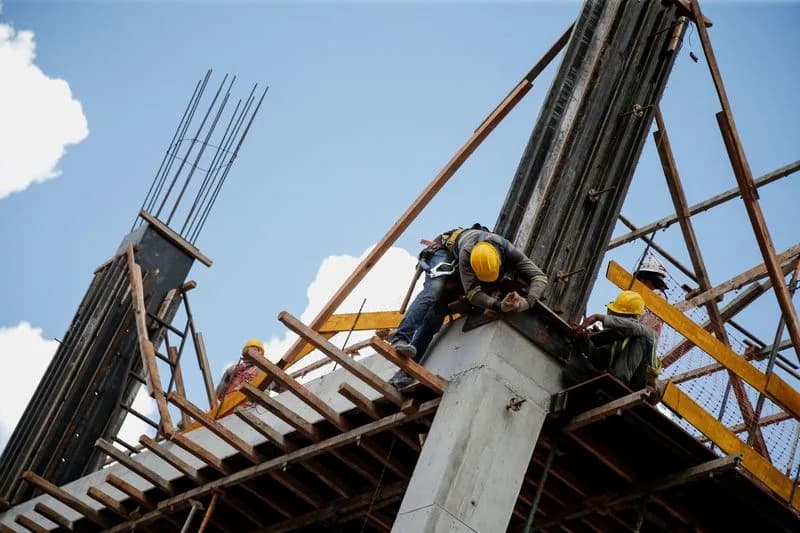
People work on the construction of the Taiwan-Paraguay Polytechnic University, a donation from the Taiwanese government, in Asuncion, Paraguay, March 3, 2026. REUTERS/Cesar Olmedo
When Paraguayan opposition lawmaker Leidy Galeano returned from an all‑expenses‑paid tour of six Chinese cities late last year, she said the visit convinced her that Paraguay risked missing major economic opportunities by maintaining diplomatic ties with Taiwan instead of switching recognition to Beijing. Galeano, of the new Yo Creo party, described lavish banquets, luxury hotels and high‑profile tours that Chinese hosts used to showcase the mainland's technological and infrastructure strengths.
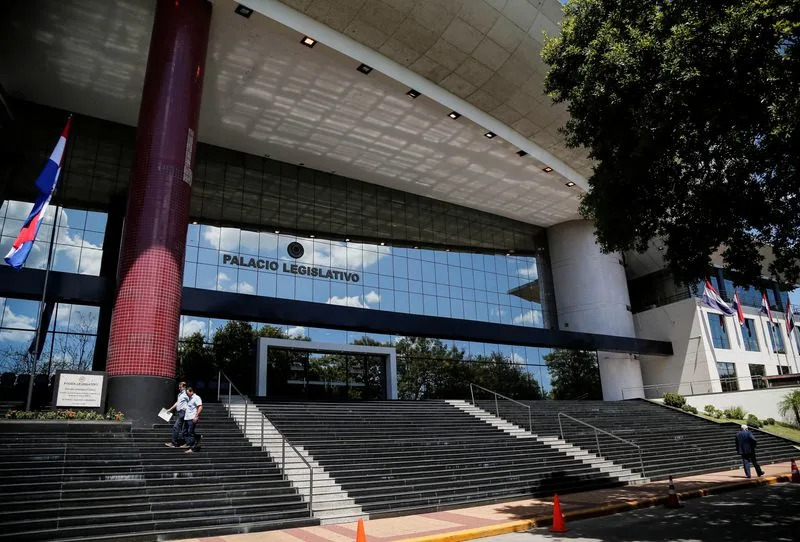
People walk on the staircase of Paraguay's Legislative Palace, built as a donation from the Taiwanese government, in Asuncion, Paraguay, March 3, 2026. REUTERS/Cesar Olmedo
What Delegations Experienced
Multiple recent delegations of Paraguayan lawmakers, journalists and political figures reported carefully staged itineraries: visits to advanced hospitals, high‑speed rail stations and manufacturing hubs, as well as meetings with local officials. Participants told Reuters that invitations for many visits came from the Chinese consulate in Sao Paulo, though Reuters could not independently verify who funded the trips. China’s foreign ministry denied engaging in lobbying and called the exchanges "two‑way" people‑to‑people efforts.
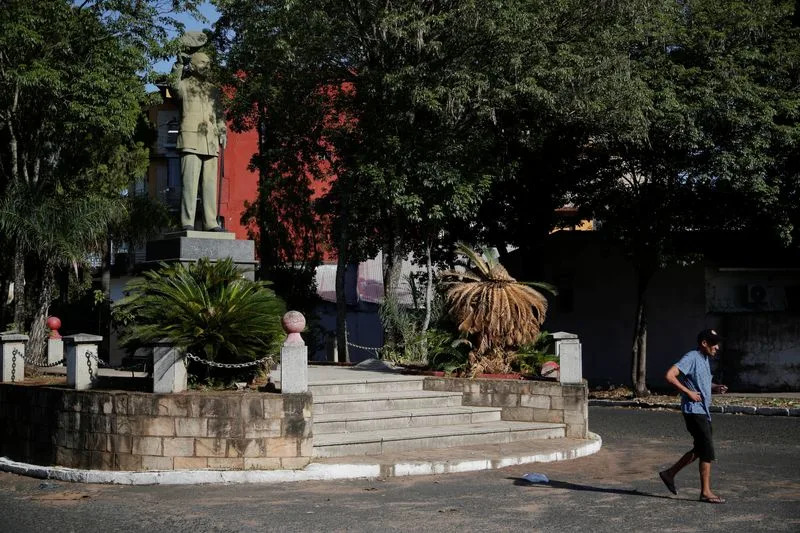
A man walks past a monument to Taiwan's late leader, Chiang Kai-shek, in Asuncion, Paraguay, February 25, 2026. REUTERS/Cesar Olmedo
Political Stakes
Paraguay, a landlocked country of roughly 6.4 million people, is Taiwan’s last diplomatic ally in South America. A shift in recognition to Beijing would be a symbolic diplomatic win for China and deepen its influence across the region. President Santiago Pena, who has more than two years left in office, has publicly reaffirmed Paraguay’s ties with Taipei, warning that countries that switched recognition have fared worse. Still, some opposition figures and members of parliament have become more open to closer ties with Beijing.
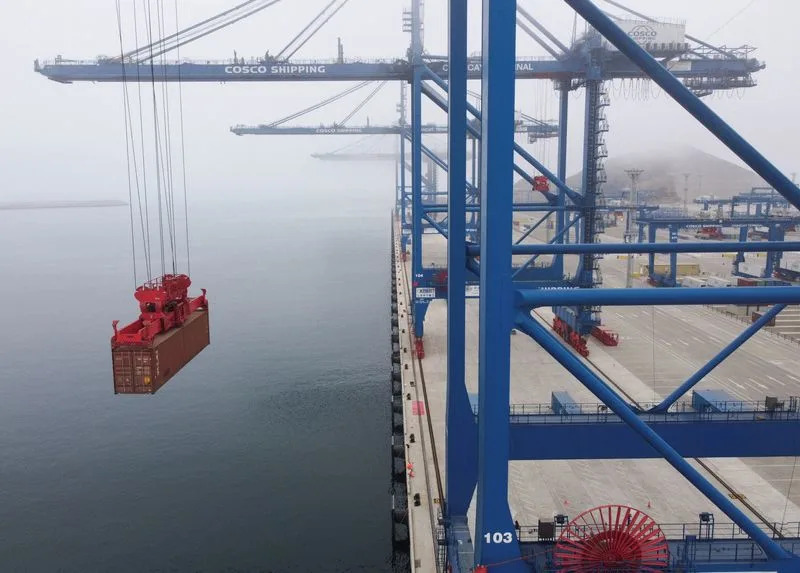
FILE PHOTO: A drone view shows a crane moving a container at the new megaport being built by China's state-owned Cosco Shipping, promising to shorten sea routes to Asia for Peruvian and some Brazilian goods, in Chancay, Peru, October 24, 2024. REUTERS/Angela Ponce/File Photo
Economic Drivers
The debate in Paraguay has tilted increasingly toward economics. Although Paraguay achieved investment‑grade status in 2024 and has enjoyed growth driven by beef exports, manufacturing and construction, persistent corruption and infrastructure gaps limit the distribution of gains. Because Beijing does not trade directly with countries that recognize Taiwan, Paraguayan exporters must route shipments through Argentina and Brazil — a cost and time penalty that China could remove if diplomatic recognition changed. Chinese imports into Paraguay reached a record high of over $6 billion in 2025, according to official data.
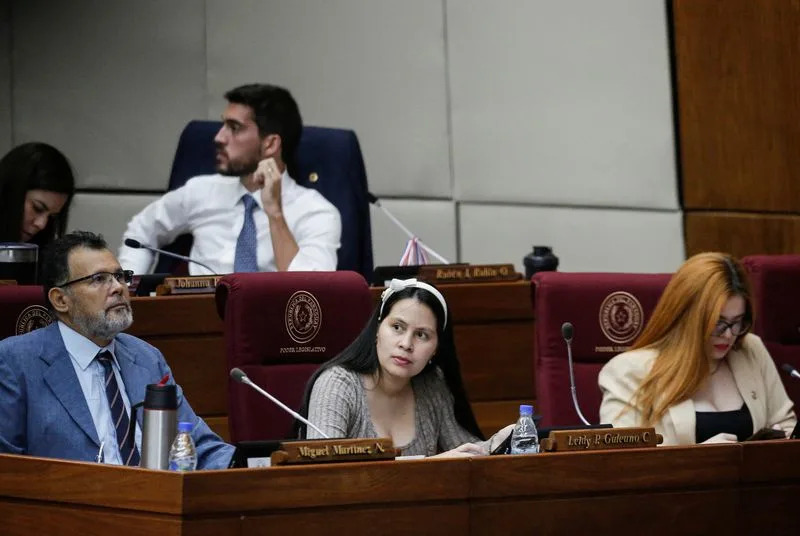
Paraguayan opposition lawmaker Leidy Galeano attends a session of the Chamber of Deputies, in Asuncion, Paraguay, March 3, 2026. Picture taken through a glass. REUTERS/Cesar Olmedo
Responses From Beijing, Taipei And Washington
China told Reuters that "siding with Taiwan authorities holds no future" and argued that growing numbers of Paraguayans believe ties with Beijing would serve long‑term interests. Taiwan’s foreign ministry accused Beijing of attempting to "poach" allies and said it is actively working to maintain ties. The U.S. embassy in Asuncion warned that guided tours can include information manipulation. Paraguay also recently signed a U.S. defense pact and participated in White House initiatives — underscoring intense diplomatic competition over the country.
Numbers And Trends
Reuters documented a sharp increase in China visits: at least 19 Paraguayan lawmakers, five journalists and a rising opposition presidential contender traveled to China since late 2023, with more trips planned. Delegates described the trips as a rare, largely curated window into China’s ambitions — and said hosts emphasized the economic gains available to countries aligned with Beijing.
What Comes Next
Paraguay’s policy toward Taiwan remains officially unchanged, anchored by presidential statements and by projects Taipei has financed in the country, including a parliament building and a university campus. But growing interest among some legislators in closer ties with Beijing, together with deep economic incentives and the recent surge in Chinese engagement across Latin America, mean the diplomatic balance remains in flux. Whether Paraguay will switch recognition depends on domestic political dynamics within the ruling Colorado Party, opposition positioning and how convincingly Beijing, Taipei and Washington make their economic and strategic cases.
Reporting note: This summary synthesizes reporting by Reuters and includes direct accounts from Paraguayan lawmakers and itinerary reviews. Reuters could not independently verify all funding sources for the visits.
Help us improve.