The jury heard that a DNA sample from a 2003 rape victim did not match Andrew Malkinson, who was wrongfully imprisoned for 17 years after mistaken witness identification. Advances in forensic DNA testing led investigators to re‑examine evidence, and a profile recovered in 2007 was matched to defendant Paul Quinn in 2022. An expert told the court the recovered sample was at least one billion times more likely to include Quinn's DNA than not. The trial at Manchester Crown Court is ongoing.
Court Told 2003 Rape DNA Did Not Link To Man Wrongly Jailed For 17 Years
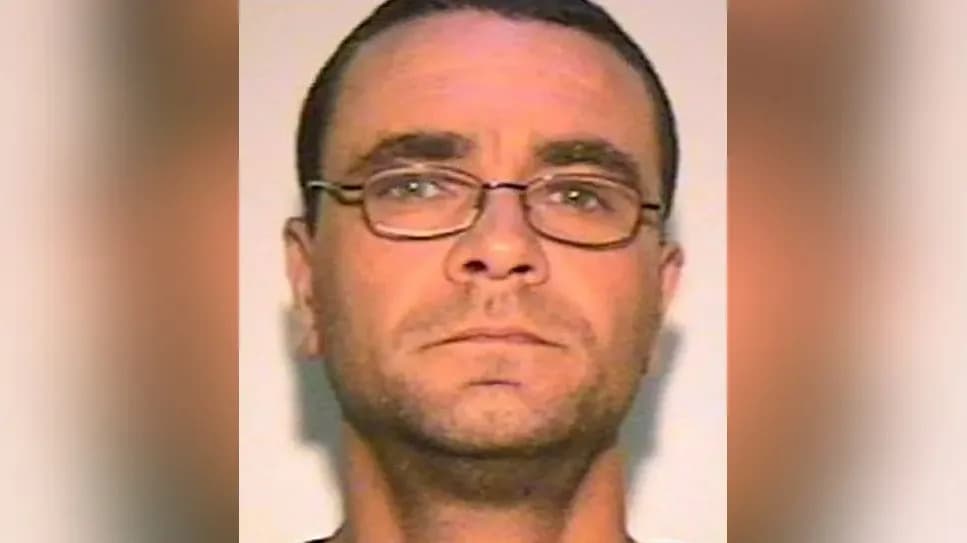
A custody image of Andrew Malkinson after his arrest in 2003 [Police handout]
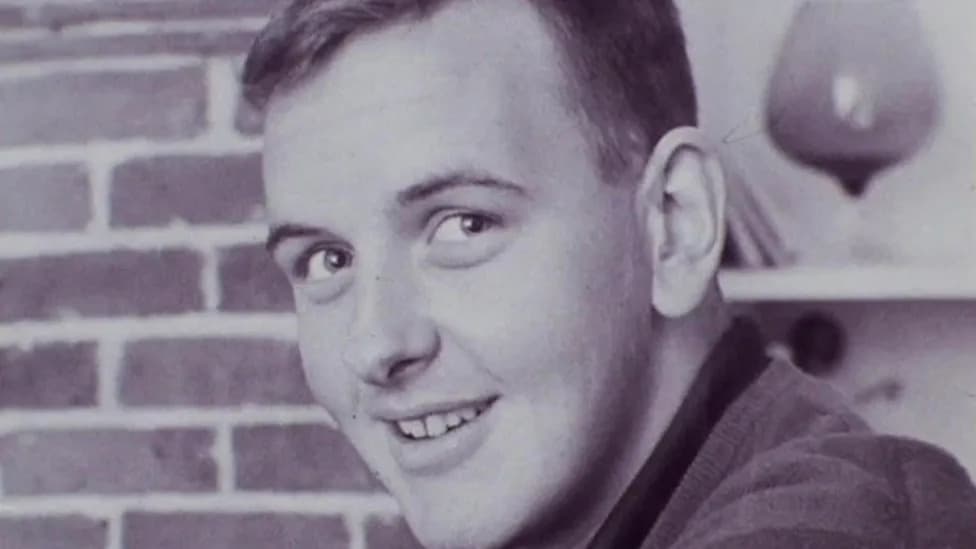
A DNA sample taken from a woman who was raped in 2003 did not match Andrew Malkinson, a man who spent 17 years in prison for the attack, a jury at Manchester Crown Court has been told.
Jurors in the trial of Paul Quinn heard that forensic testing for crime‑scene DNA has improved substantially since Malkinson was convicted. Malkinson was identified in an identity parade by three witnesses but no DNA at the time linked him to the Little Hulton, Salford, attack.
The court was reminded that the victim, a woman in her 30s, was dragged from a street beside a motorway embankment and was brutally beaten and raped twice in the early hours of 19 July 2003.
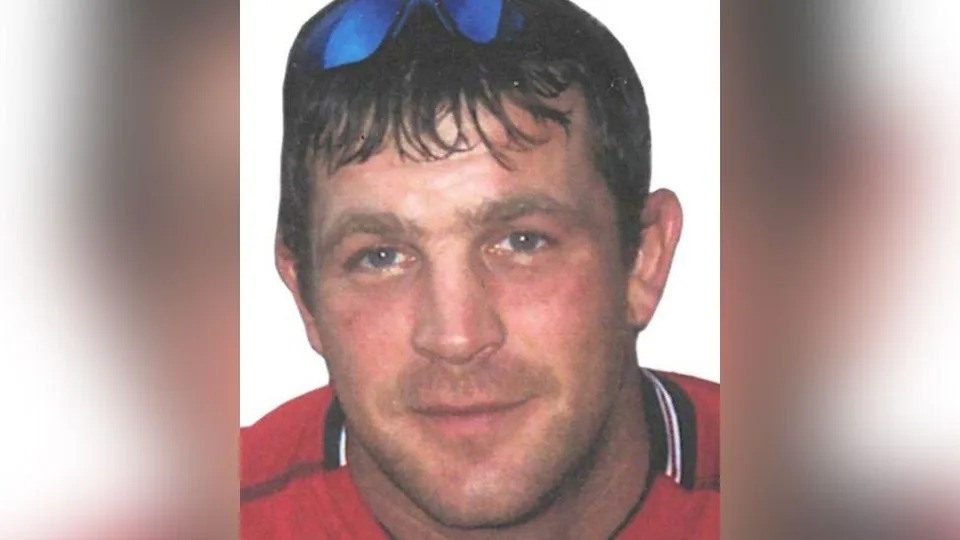
Paul Quinn, pictured in 2006, is on trial for rape at Manchester Crown Court [Police handout]
Police later recovered a DNA profile from the victim's clothing in 2007 that was labelled "Unknown Male 1"; that profile did not match Malkinson. It was only in 2022, the jury heard, that police matched DNA taken from a vest top belonging to the victim to the DNA profile of Paul Quinn.
Forensic Evidence And Expert Testimony
Emma McCarthy, a forensic scientist and crime‑scene DNA expert, told the court the vest top had been tested in 2003 and no DNA linked to Malkinson was found. She explained that techniques have advanced markedly over two decades, prompting re‑extraction and re‑analysis of previously examined samples.
"Because our techniques have improved massively in 20 years, we re‑extracted to see if we could remove any more DNA," McCarthy said. "Our way of recording DNA is better and testing is much more sensitive."
Jurors heard that the DNA recovered from the victim's top was assessed as at least one billion times more likely to include Quinn as a contributor to the sample than not. To illustrate the scale of the statistic, McCarthy compared a million seconds to about 11 days and a billion seconds to roughly 35 years.

Paul Quinn denies rape, strangulation and inflicting grievous bodily harm with intent [BBC]
Prosecuting counsel John Price KC described the emergence of DNA linking Quinn to the 2003 assault as a "slow burn" that unfolded as forensic methods developed over time.
Case Background And Current Trial
Andrew Malkinson, now 60 and originally from Grimsby, Lincolnshire, was released in 2020 after the Court of Appeal quashed his conviction following years of appeals and reviews. Paul Quinn, 51 and a father of five who moved from Salford to Exeter after separating from his wife in 2016, has pleaded not guilty to two counts of rape, grievous bodily harm and strangulation. The trial is ongoing.
Note: The case highlights both the human cost of wrongful conviction and the impact of advancing forensic science on historic investigations.
Help us improve.