Democratic Senate primaries have elevated corporate PAC money into a key campaign issue: several high‑profile challengers pledge to refuse corporate PAC donations to signal independence from special interests. Yet the pledge is often symbolic—more than 99% of corporate PAC dollars this cycle went to incumbents, and super PACs and party committees still move far larger sums. Still, the pledge is a powerful campaign message that can attract voters and invite sharp attacks.
Corporate PACs: A New Wedge in Democratic Senate Primaries

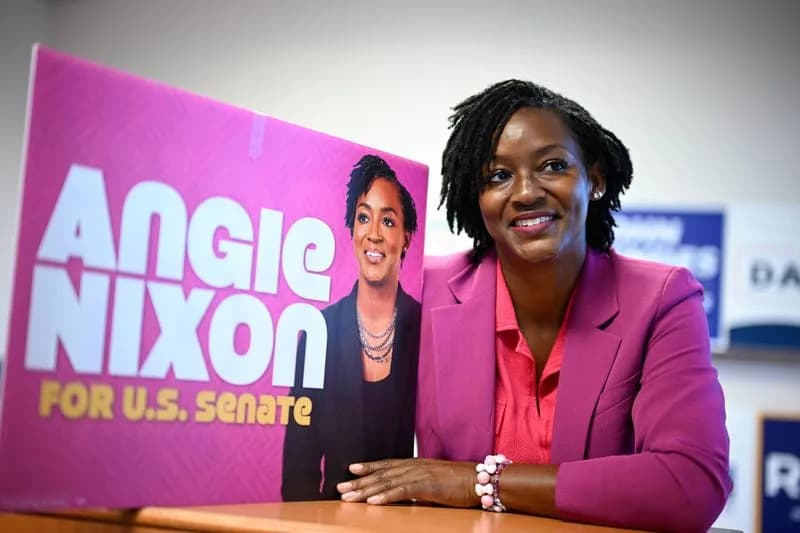
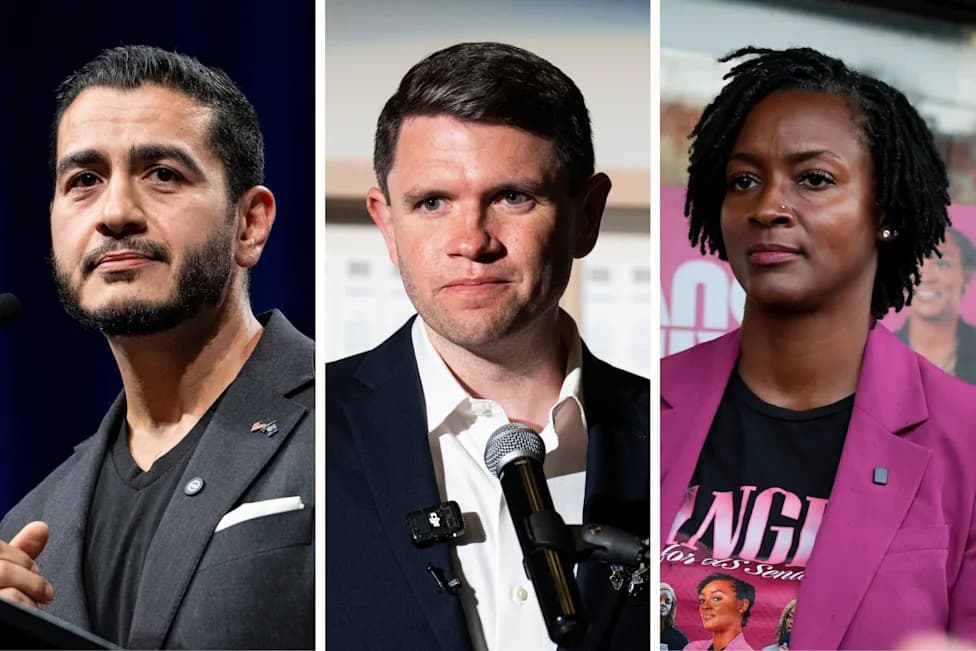
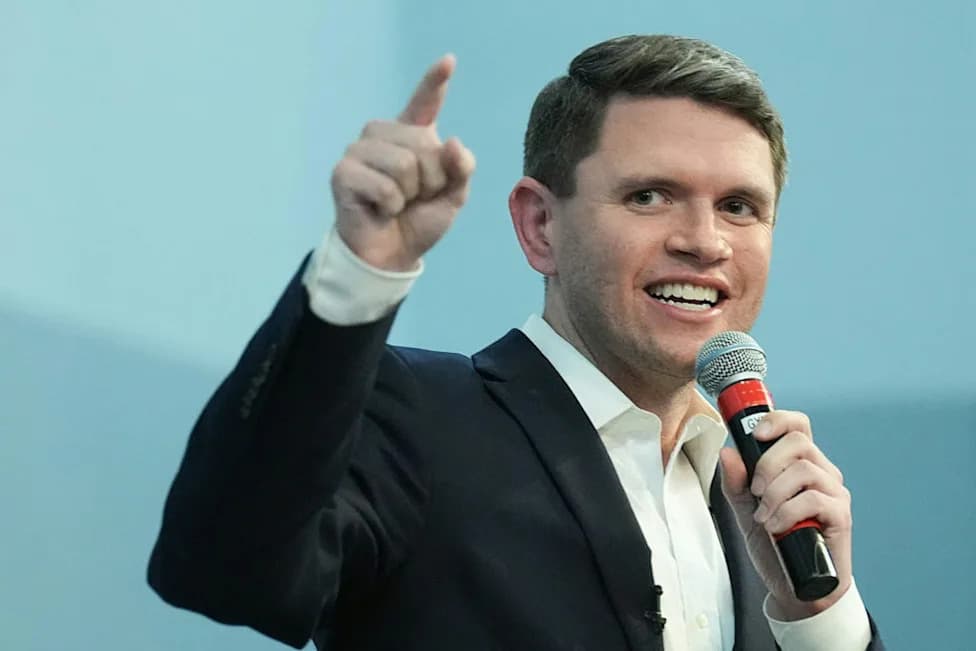
Democratic Senate primaries this year have opened a fresh debate over corporate political action committee (PAC) money, as several high-profile challengers pledge to refuse those donations to signal independence from corporate influence. Candidates including Illinois Lt. Gov. Juliana Stratton, Minnesota Lt. Gov. Peggy Flanagan, Michigan state Sen. Mallory McMorrow and former public health official Abdul El‑Sayed have publicly committed to reject corporate PAC contributions.
What Candidates Mean By The Pledge
Corporate PACs collect contributions from employees and distribute them to federal candidates, typically giving to both Democrats and Republicans. Many Democratic hopefuls argue that rejecting corporate PAC money shows a commitment to campaign finance reform and helps distinguish them from opponents perceived as beholden to special interests.
Why The Pledge Is Often Symbolic
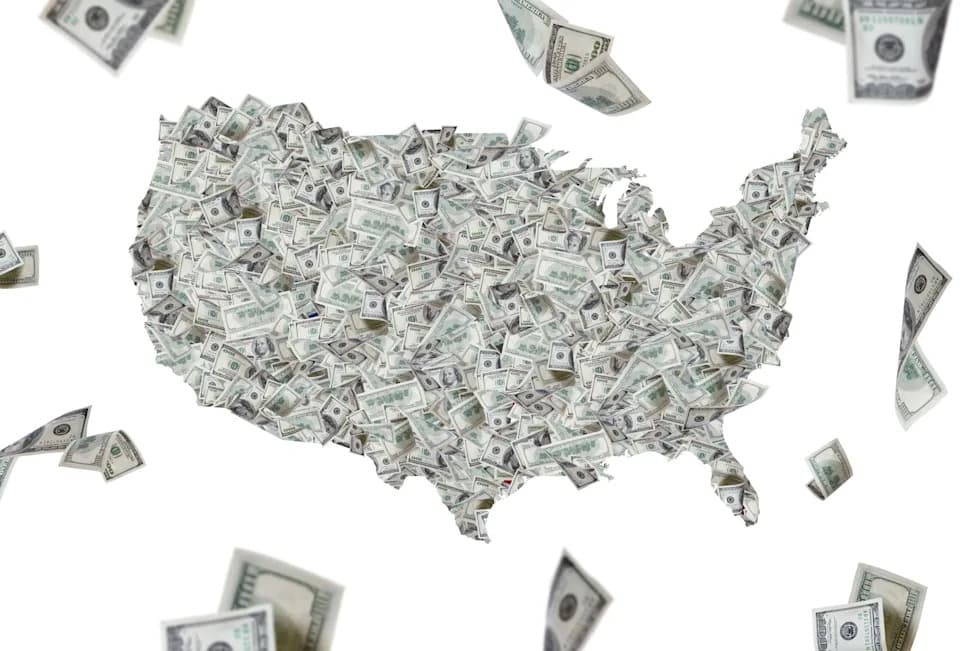
In practice, the pledge can be largely symbolic. A POLITICO analysis of Federal Election Commission data found that more than 99% of corporate PAC dollars this cycle went to current members of the House and Senate, meaning challengers typically receive little direct corporate PAC funding. At the same time, outside groups — notably super PACs and independent expenditure committees — can spend much larger sums and continue to influence races even when candidates refuse corporate PAC checks.
Corporate PAC money can also reach new candidates indirectly through incumbent senators and party committees that accept those donations and then funnel resources — cash, coordinated services or operational support — to challengers.
Flashpoints In Key Races
Rejecting corporate PAC money has become a potent campaign messaging tool and a target for attack ads. In Illinois, Stratton’s stance has not eliminated scrutiny: she has received roughly $11.8 million from a super PAC linked to Gov. J.B. Pritzker, while outside groups such as Fairshake, backed by cryptocurrency interests, have spent nearly $10 million attacking her to benefit Rep. Raja Krishnamoorthi. Krishnamoorthi, who has also benefited from large outside expenditures, has run ads accusing Stratton of taking “corporate and MAGA money.”
In Minnesota, Flanagan has been criticized for corporate PAC donations accepted by the Democratic Lieutenant Governors Association (DLGA) while she was chair — donations she says she did not unilaterally control. Opponent Rep. Angie Craig has used those past ties as a campaign issue, even though the DLGA now backs Flanagan’s Senate bid.
In Michigan, Abdul El‑Sayed highlights that he has never taken corporate PAC money, while contenders such as Rep. Haley Stevens and others have accepted such donations in prior roles but emphasize records of supporting campaign finance reform. Mallory McMorrow has said she accepted corporate PAC funds earlier in her career but has rejected them for her current Senate campaign.
Broader Trends And Limits
Corporate PACs face a statutory contribution limit of $5,000 per election cycle — a figure that has not changed in decades. Meanwhile, super PACs and outside groups can raise and spend unlimited sums independent of candidates, which means candidates can denounce corporate PACs while still benefiting from large independent expenditures. This structural context helps explain why the corporate PAC pledge often affects messaging more than actual fundraising capacity.
“Pledging to forego corporate PAC money is one way that candidates signal to voters that they reject business as usual in Washington and want to work to fix our broken campaign finance system,” said Michael Beckel, director of money-in-politics reform at Issue One.
The Democratic National Committee has also explored ways to curb corporate donations and harder-to-trace “dark money” ahead of the 2028 presidential primary, suggesting the controversy will remain a prominent issue within the party.
Political Impact
Rejecting corporate PAC money can produce electoral benefits: it appeals to voters across the progressive base and can resonate with independents and disaffected Republicans who prioritize anti-corruption themes. But because incumbents and party groups remain conduits for corporate PAC dollars — and because super PACs can inject far more money — the practical effect on campaign finance is mixed.
The debate has turned into a tactical weapon in competitive primaries: a way to signal reform credentials, draw sharp contrasts with opponents and invite scrutiny of outside spending. As the pattern shows, refusing corporate PAC funds is an influential messaging choice, even if it does not eliminate outside financial influence in modern campaigns.
Help us improve.