As the Democratic Socialists of America gains visibility and progressive candidates win races, several Democrats in competitive Senate contests are explicitly embracing the "capitalist" label to blunt Republican attacks. Candidates such as James Talarico and Abdul El‑Sayed reject the socialist label while advocating limits on corporate power and stronger worker protections. Others, including Troy Jackson and Angie Nixon, occupy ambivalent positions—mixing elements of social democracy and pragmatic regulation while resisting simple labels. Republicans have made the debate a central campaign tactic in battleground states.
Senate Democrats Push Back: Why Several Candidates Now Embrace the 'Capitalist' Label

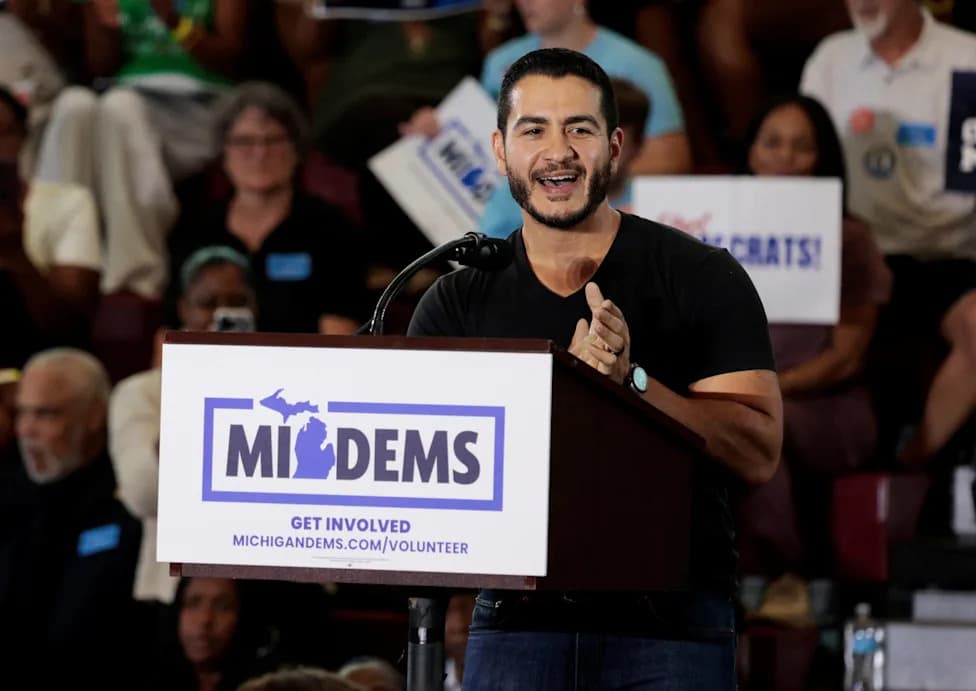
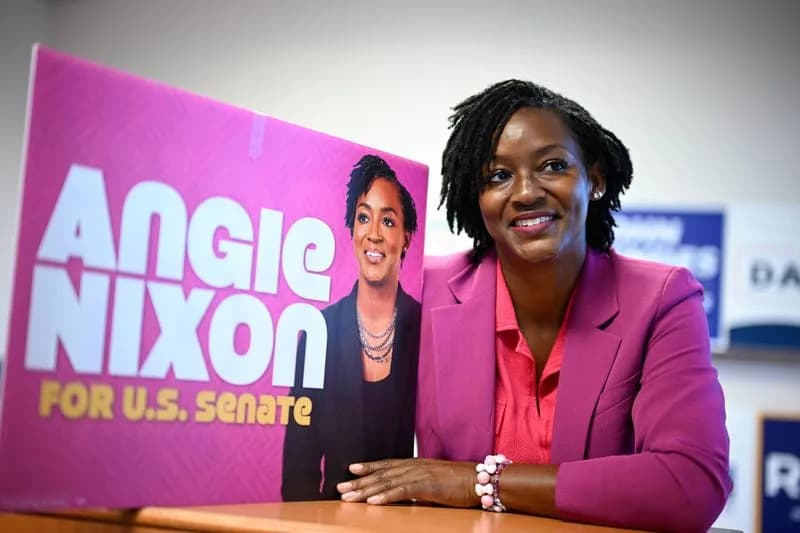
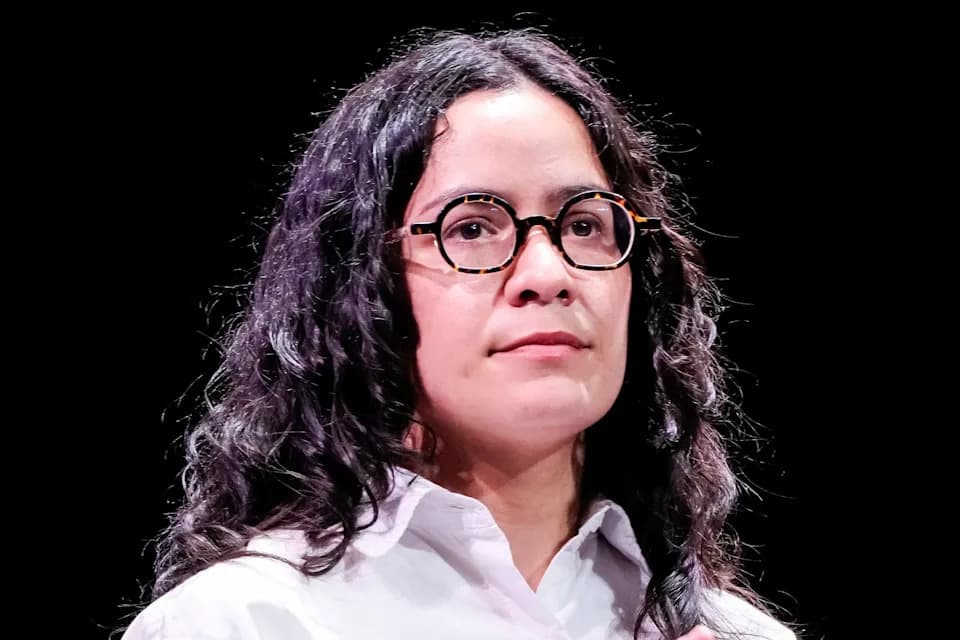
From left: Democrats Abdul El-Sayed, James Talarico and Angie Nixon —Sarah Rice—Bloomberg/Getty Images, Bill Clark—CQ-Roll Call, Inc/Getty Images, Joe Raedle—Getty Images)
For decades many Democrats didn’t feel compelled to define their relationship to capitalism: they campaigned on curbing corporate power, fixing a rigged economy, or raising taxes on the wealthy without explicitly defending the market system itself. This campaign season, however, that dynamic has changed as Republicans weaponize the terms "socialist" and "communist" in battleground states.
Candidates Reclaiming Capitalism
"I am a capitalist," Texas Democrat James Talarico told TIME as he pushed back against efforts to label him a socialist in his Senate bid against Ken Paxton. In Michigan, Dr. Abdul El-Sayed has likewise rejected the socialist label while acknowledging that "at the small and local scale, capitalism is a great way to allocate resources, as long as everybody has access to it." Both candidates pair those statements with calls to curb corporate influence and strengthen protections for workers and consumers.
Not One-Size-Fits-All
Other Democrats occupy murkier ground. In Maine, Troy Jackson—backed by the Democratic Socialists of America (DSA)—has emphasized his working-class roots and public investments like schools and roads rather than adopting a straightforward ideological label. In Florida, state Rep. Angie Nixon has joined the DSA but says she is "a capitalist who believes that we need some strong regulations" and also describes herself as a social democrat who supports robust safety nets.
"We don't have capitalism. We have crony capitalism," Talarico told TIME, arguing Democrats should "reclaim the principles of capitalism."
Political Stakes
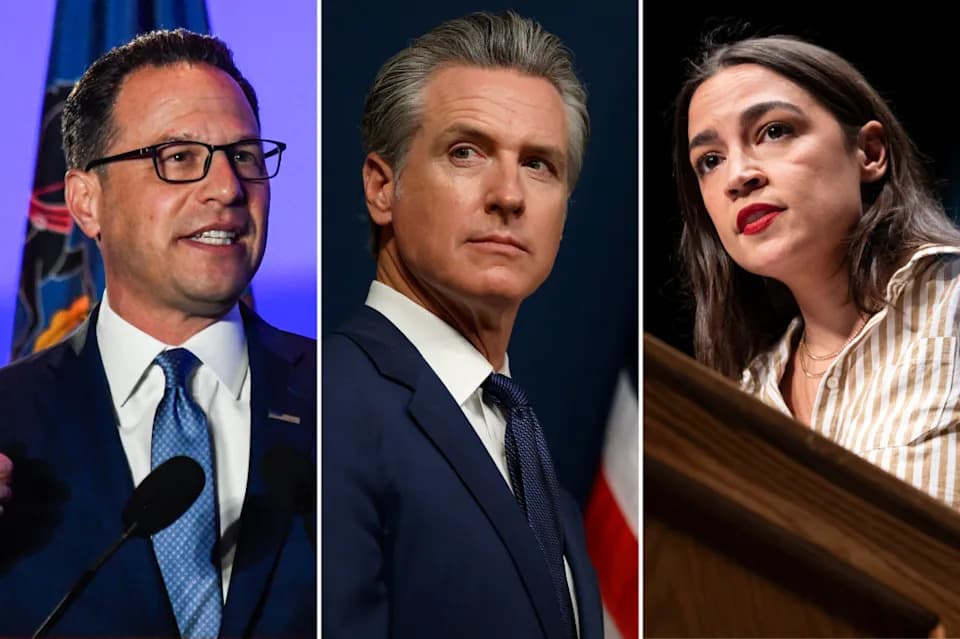
Sixty Democrats, including 10 sitting members of Congress, signed a pledge from the centrist Promise to America coalition declaring, "We are capitalist, not socialist." Republicans—from Vice President J.D. Vance to the National Republican Senatorial Committee—have amplified the socialist label as a campaign cudgel in several key races, framing contests as a choice between "freedom or socialism."
For many voters, the debate is less about rigid ideology than about distinguishing "real" capitalism from cronyism and deciding whether policies like Medicare for All or stronger labor protections require a socialist identity. The conversation is now a central element of economic messaging in competitive Senate races.
—With reporting by Philip Elliott
Help us improve.