Rising gas and grocery prices are a direct effect of recent U.S. military action in Iran, and Republican lawmakers have urged Americans to accept these higher costs as wartime "sacrifices." Senators and representatives such as Rick Scott, Mark Alford, and Roger Marshall have framed increased consumer prices as necessary, but critics say the White House has not made a clear, persuasive case for the war's objectives. With the conflict historically unpopular and affordability a central voter concern, appeals to sacrifice face political headwinds.
Republicans Urge Americans To Accept Wartime 'Sacrifices'; Critics Say The Case Is Unconvincing
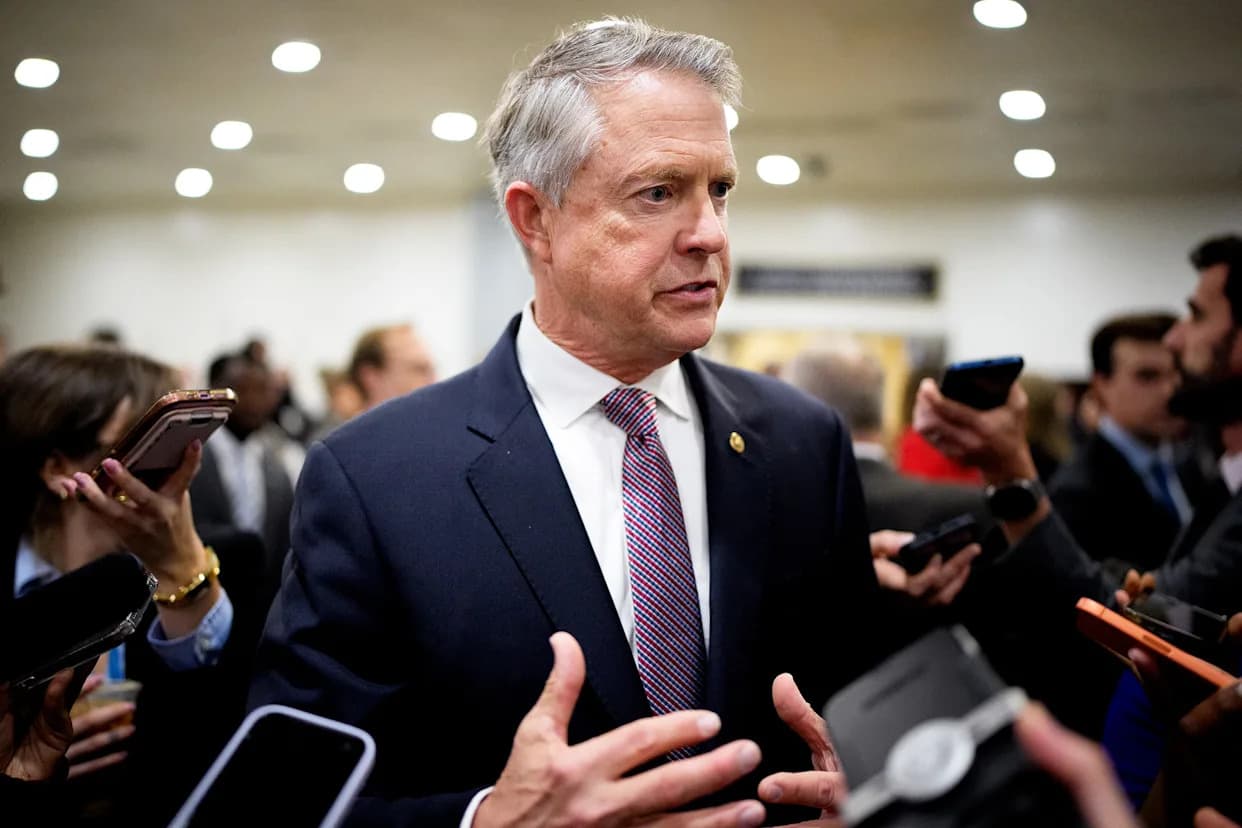
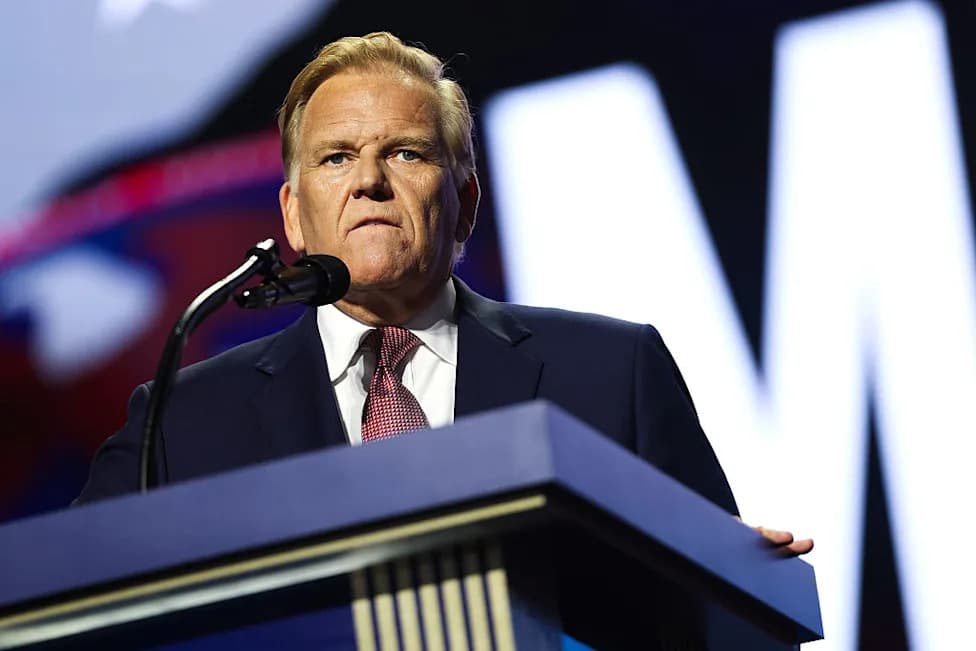
Sen. Roger Marshall speaks to reporters on Dec. 11, 2025, on Capitol Hill.(Andrew Harnik / Getty Images)
Millions of Americans have felt the immediate economic impact of recent U.S. military action in Iran at the gas pump, where prices have risen sharply over the past two weeks. Analysts warn that consumers should expect costs to climb further in the near term — not only for fuel but also for food and other household goods.
Republican officials have largely acknowledged these trends while urging the public to tolerate higher prices as an unfortunate consequence of conflict. Florida Senator Rick Scott, one of Congress’s wealthiest members, said this week that "unfortunately, prices are going to be up for a while" because of the war. Representative Mark Alford of Missouri told constituents he believes they are prepared to accept higher living costs if it prevents Iran from obtaining nuclear weapons capable of striking the United States.
‘Freedom Is Not Free’: A Contested Rationale
Kansas Senator Roger Marshall made the broader case most explicitly on CNN, dismissing rising gas prices as a necessary "sacrifice" for American freedom. When challenged about calling soaring prices "a little bit of a hiccup," he replied, "Freedom is not free. Americans are going to have to make some sacrifices."
"Freedom is not free. Americans are going to have to make some sacrifices." — Sen. Roger Marshall (R-KS)
At first glance, appeals to sacrifice can resonate: service members and their families make extraordinary sacrifices during wartime, and civilians historically have accepted some inconveniences while their country pursues major military objectives. But the present moment differs in important ways.
Why Critics Say The Argument Falls Short
During World War II, there was broad public consensus that sacrifices were justified by the existential stakes of a global conflict. By contrast, critics say the White House has not made a clear, persuasive case that the current military action in Iran serves a clearly defined, necessary objective that justifies the economic pain now being felt by everyday Americans.
Opponents also note that the conflict is widely unpopular and that many voters elected Republican leaders in part because of promises to address affordability and the rising cost of living. Invoking the slogan "freedom isn't free" without demonstrating an urgent threat to U.S. liberties or a coherent strategic rationale, critics argue, risks coming across as an election‑year plea rather than a sober explanation.
Public opinion data referenced by analysts show unusually low support for the conflict, making it politically more difficult for advocates to ask citizens to absorb higher costs. Whether the administration can make a stronger case in the coming days and weeks will determine if calls for sacrifice gain broader acceptance.
Note: This article draws on reporting and statements from multiple sources, including CNN and The New Republic. Originally published on MS NOW.
Help us improve.