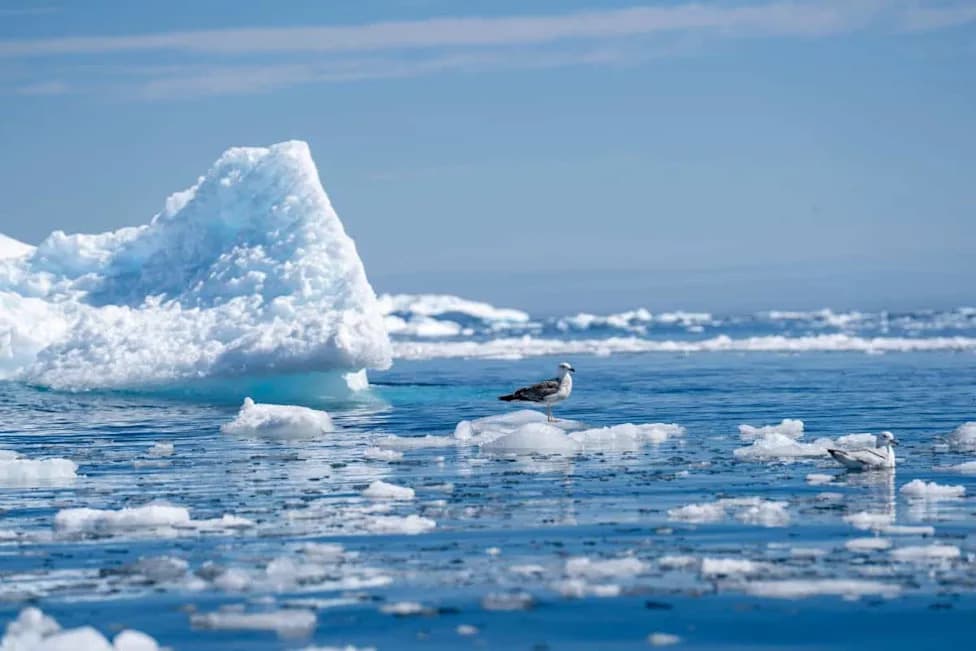
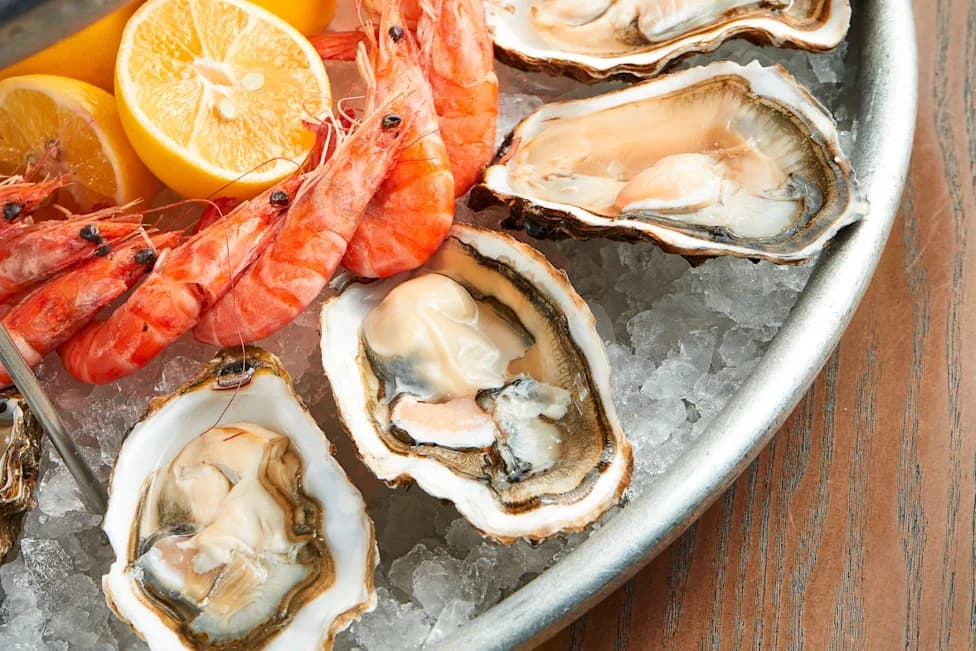
Insects are abundant on land but almost absent from the open ocean. By the time insects evolved, crustaceans and other marine groups had already filled ocean niches. Terrestrial adaptations—such as tracheal respiration, wings, specialized mouthparts and complete metamorphosis—helped insects dominate land but make re-adapting to life underwater difficult. A few Halobates species live on the ocean surface, but true marine insects remain exceptionally rare.
Why Insects Are Almost Absent From the Open Ocean
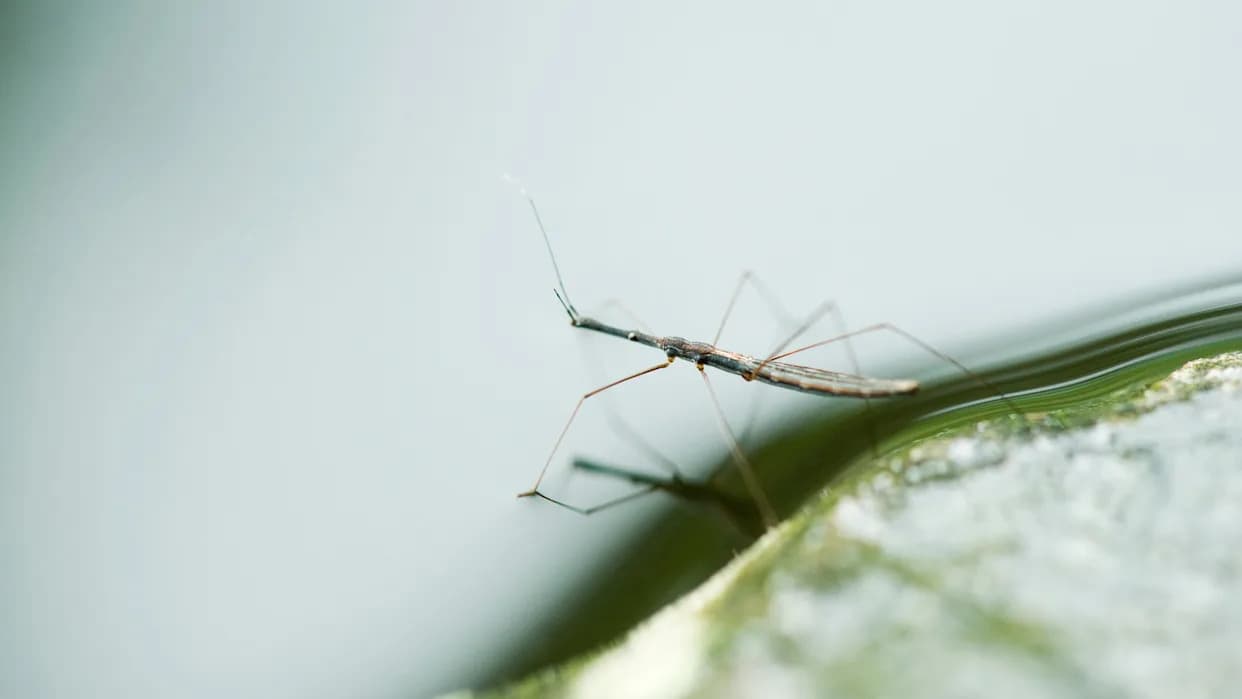
Water striders are the only insect that live entirely on the ocean’s surface.
Insects make up a huge portion of described animal diversity on land, yet the open ocean is curiously nearly insect-free. A few remarkable species in the genus Halobates live on the sea’s surface, but true underwater marine insects are essentially nonexistent. This article explains why.
How It Happened: Timing and Competition
One leading explanation is historical: by the time insects evolved, the oceans were already dominated by established marine invertebrates. Crustaceans—relatives that include crabs, shrimp and copepods—originated in the sea around 500 million years ago and had already diversified into many ecological roles. When insects appeared roughly 440 million years ago, they left the water and exploited the new opportunities on land rather than trying to compete in an already crowded marine environment.
Evolutionary Paths: Land vs. Sea
Plants and insects evolved together. The rise of land-dwelling vascular plants created new niches that early insects and other arthropods adapted to exploit. Many modern insects rely on particular plants for food or shelter, and the diversification of terrestrial plants drove parallel diversification in insects.
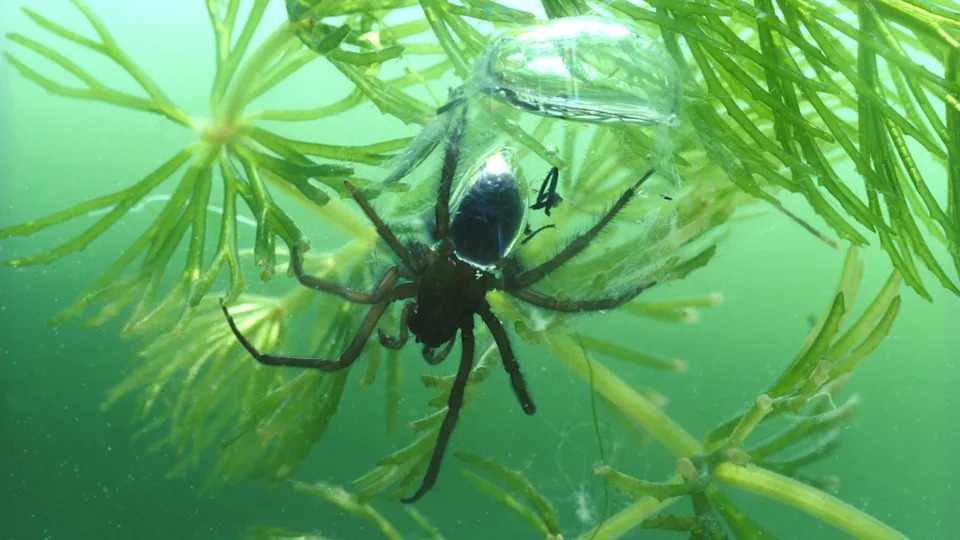
While not technically an insect, the diving bell spider or water spider lives almost entirely underwater.Image: Oxford Scientific / Getty Images
Key Adaptations That Favor Land
Insects evolved a suite of traits tuned to life in air and on land. The tracheal respiratory system—networks of tiny openings and tubes—delivers oxygen directly to tissues and is far more efficient in air than gills would be underwater. Wings (possibly repurposed from gill-like structures in semi-terrestrial ancestors) opened aerial habitats, and a six-legged body plan improved mobility and stability on solid ground. Specialized mouthparts and complete metamorphosis allowed insects to target specific plant foods and seasonal resources with high efficiency.
Why Returning to the Sea Is Hard
Adapting back to a fully marine lifestyle would require re-evolving features like salt regulation, gills or equivalent respiratory systems, and other physiological changes to cope with pressure, currents and salinity. That evolutionary cost is high—especially when marine niches are already filled by crustaceans and other long-established groups. In many cases it’s simply easier, evolutionarily speaking, for lineages to retain their terrestrial specializations.
Exceptions And Comparisons
There are notable exceptions and close parallels. A few Halobates species live their entire lives on the open ocean’s surface and are among the most widely distributed organisms in that habitat. Terrestrial crustaceans—like woodlice (pillbugs) and some land crabs—show that crustaceans can colonize land, but they tend to be limited: they are often slower, require damp environments because of gill-based respiration, and some must return to the sea to breed.
Bottom Line
The ancestors of insects did come from the sea, but insects’ long evolutionary history on land produced adaptations that made a full return to the marine realm rare and difficult. Between historical opportunity, physiological changes, and competition from crustaceans, most insects simply found better evolutionary prospects on land.
Help us improve.