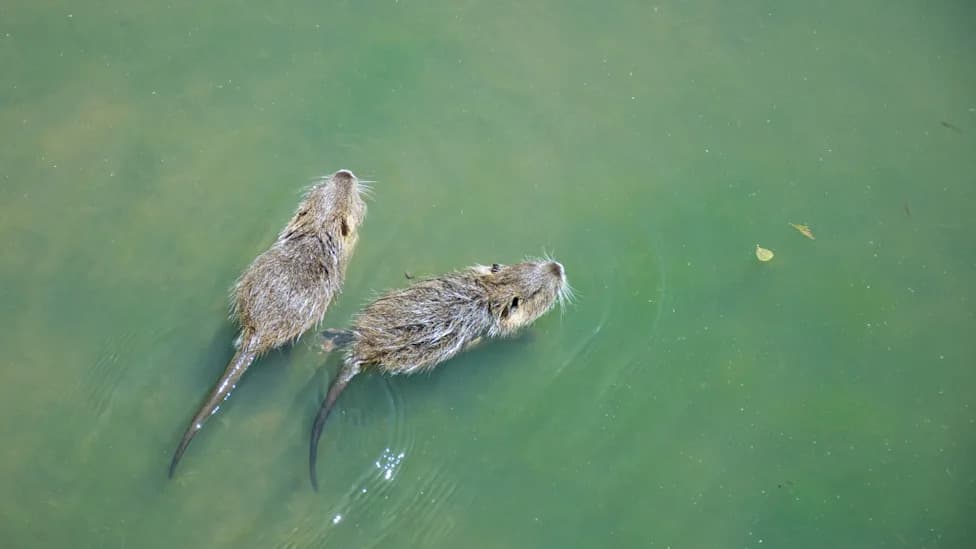
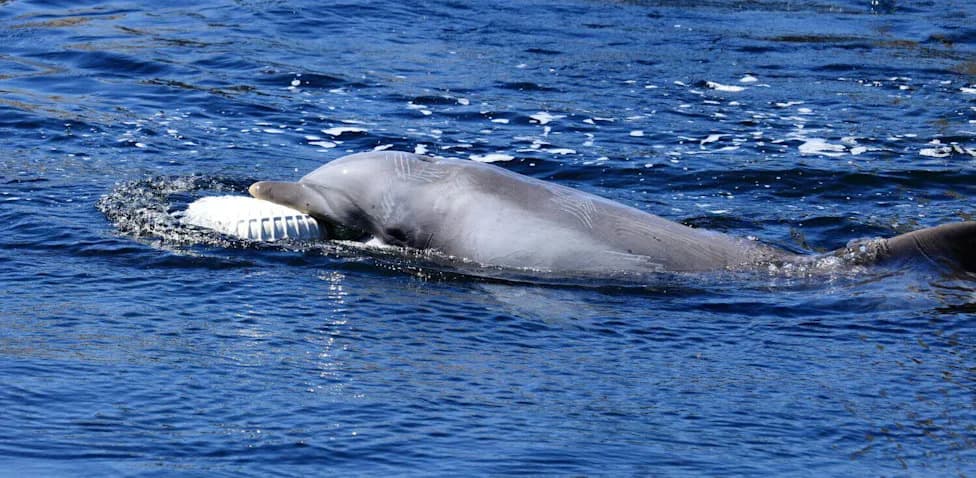
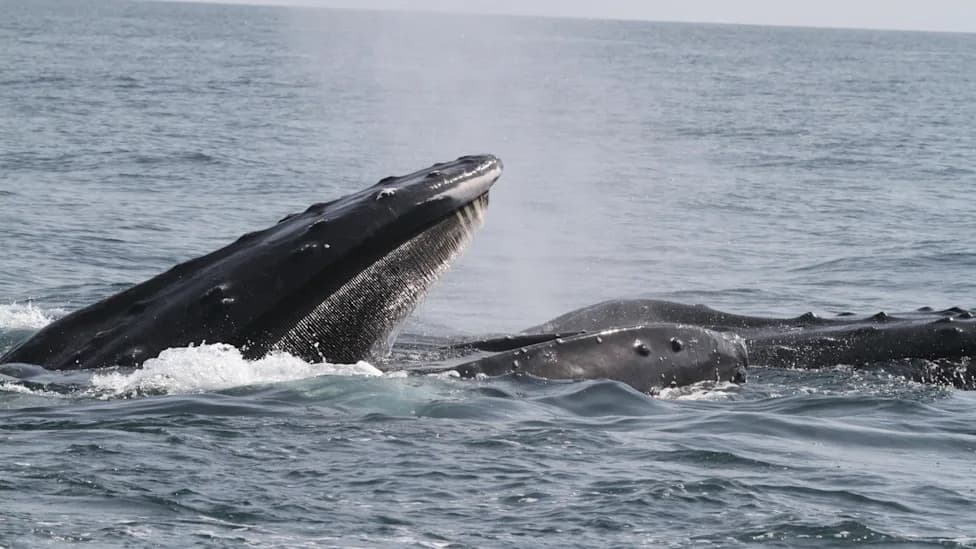
Researchers at the University of Fribourg analysed 5,635 mammal species and identified a clear threshold beyond which aquatic mammals have not been able to return to land. About 186 species (≈3%)—including whales, dolphins, manatees and dugongs—are fully aquatic and show size, dietary and anatomical changes that prevent terrestrial life. The study found 37 shifts to semi‑aquatic lifestyles and 22 reversions to land, but no full reversions from complete aquatic specialisation, supporting Dollo's Law.
Whales and Dolphins Reached an Evolutionary Point of No Return — Here's Why
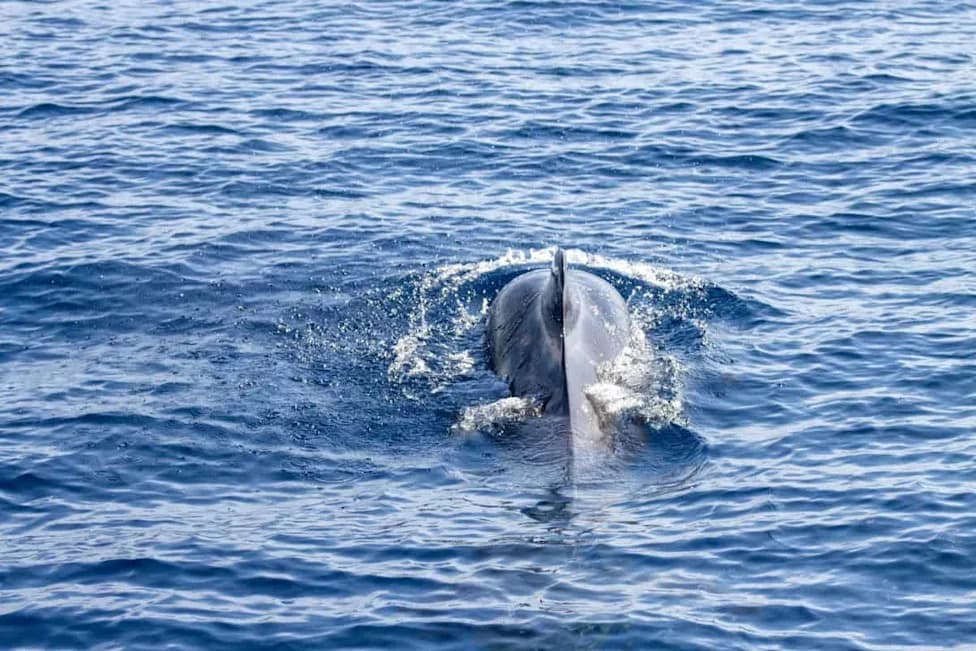
Whales and Dolphins Crossed a Line in Evolution They Can Never Come Back From© Paolo De Gasperis/ via Canva.com
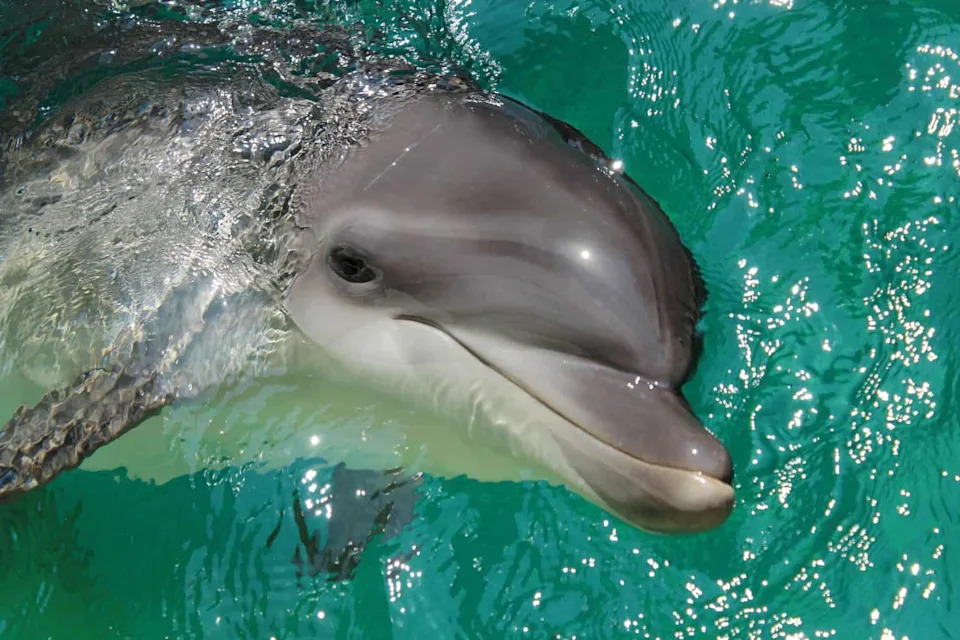
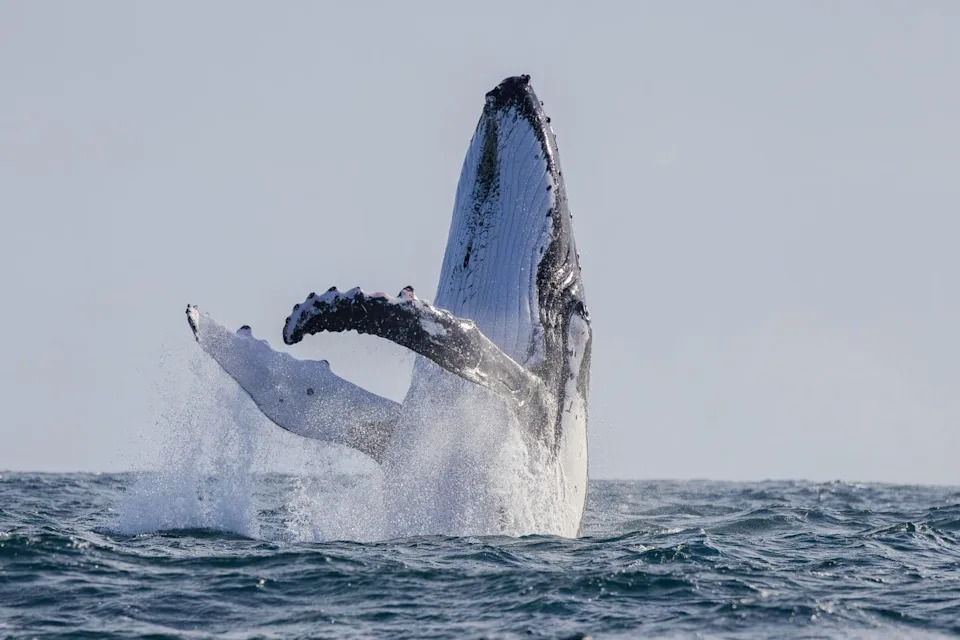
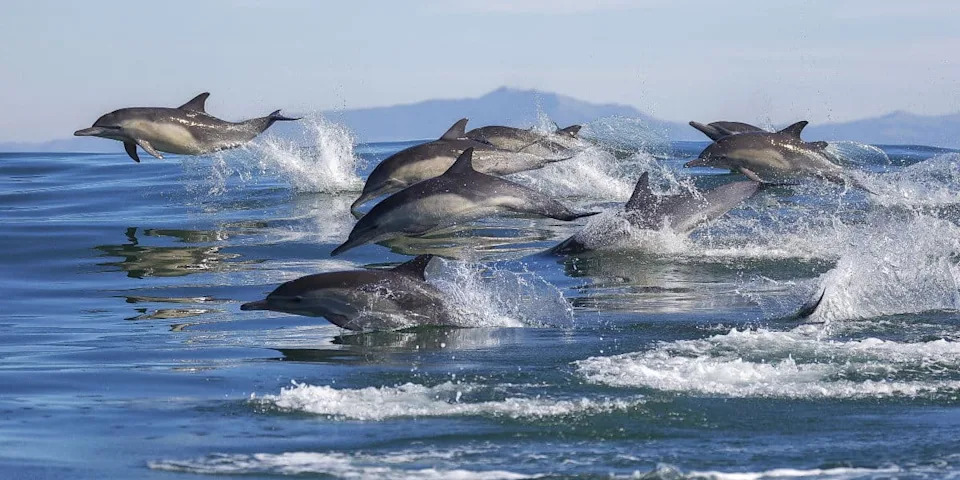
Millions of years ago, several groups of large mammals made one of evolution's most dramatic moves: they abandoned life on land and adapted to living in water. The ancestors of whales and dolphins evolved from four‑limbed terrestrial mammals into the fully aquatic cetaceans we know today. A recent study from the University of Fribourg clarifies when that transition becomes effectively irreversible.
©evm237/Shutterstock.com
The researchers compiled data on 5,635 mammal species—nearly all living mammals—and ranked them by how aquatic their lifestyles are. At one end of the spectrum were strictly terrestrial species that rarely enter water; at the other were 186 species (about 3% of mammals) that never leave the water, including whales, dolphins, manatees and dugongs. The team published their results in July 2023 in Proceedings of the Royal Society B.
©Hyserb/Shutterstock.com
Where The Line Is Drawn
By tracing evolutionary lineages and modelling lifestyle shifts, the authors found a clear dividing line. Species that remain semi‑aquatic—able both to swim well and move effectively on land—retain the evolutionary flexibility to revert to predominantly terrestrial living. Their model identified 37 independent transitions to a semi‑aquatic lifestyle and 22 reversions back to land. But once mammals cross a specific threshold of aquatic specialisation, no full return to land has been observed.
©Chase Dekker/Shutterstock.com
Why Returning To Land Becomes Impossible
Three linked forces lock fully aquatic mammals into the sea:
- Body Size: Water draws heat from the body faster than air, and fully aquatic mammals tend to increase in size to conserve warmth. The study estimates an average rise of roughly 12% in body mass per million years spent entirely in water—an adaptation that makes terrestrial locomotion impractical because heavier bodies need stronger weight‑bearing limbs.
- Dietary Shifts: Large aquatic mammals often evolve high‑energy, carnivorous diets to meet greater metabolic demands, further reinforcing a marine life strategy.
- Morphology: Limbs transform into flippers and fins; respiratory, sensory, and reproductive systems adapt to aquatic conditions. Once these complex traits are lost or changed, walking again becomes functionally impossible.
This pattern echoes Dollo's Law: once complex traits are lost through specialization, they are unlikely to re‑evolve in the same form.
Exceptions And Continuing Flexibility
Not all marine mammals have passed the point of no return. Pinnipeds (seals and sea lions) and sea otters still haul out to rest, breed, and sometimes feed on land; they remain in the semi‑aquatic zone and, in principle, retain the flexibility to move back toward terrestrial lifestyles over evolutionary time. By contrast, large cetaceans and sirenians (manatees and dugongs) have crossed the threshold and are effectively locked into an aquatic existence.
Broader Implications
The Fribourg team plans to test whether similar irreversible thresholds exist in other groups that returned to the sea—such as marine birds (including flightless penguins) and sea turtles—to see if analogous evolutionary locks operate across different lineages. The study underscores a broader evolutionary lesson: every adaptation opens new opportunities but may also close off others, sometimes permanently.
Bottom line: Specialization can be an evolutionary dead end. For whales and dolphins, the combined effects of size, diet and anatomy have sealed their fate as permanent inhabitants of the oceans.
Help us improve.