Western intelligence warns that Russia is providing Iran with specific drone tactics developed in Ukraine, raising concerns about more lethal strikes against U.S. and Gulf targets. Shahed drones—Iranian designs reportedly mass-produced in Russia—have breached Gulf air defenses, and the shared tactics reportedly include coordinated wave attacks and evasive course changes. Kyiv has sent interception experts to the Gulf to help blunt the threat, while officials also express alarm about Iranian naval mines, sea drones and low-tech maritime attacks. Analysts say Moscow may be exploiting regional conflict to further its broader objectives in Ukraine.
Exclusive: Russia Reportedly Teaching Iran Ukraine-Style Drone Tactics to Strike U.S. and Gulf Targets
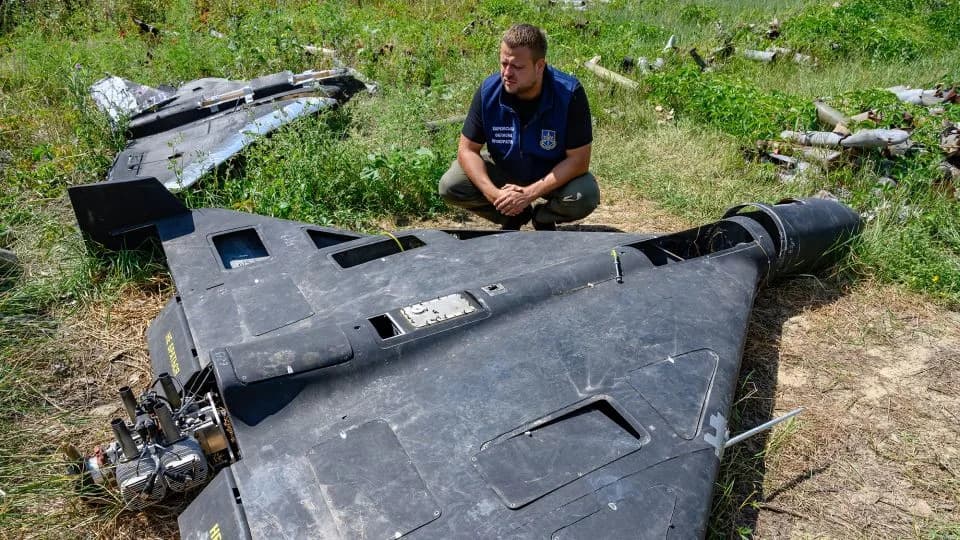
Dmytro Chubenko of the Kharkiv regional prosecutor's office examines the carbon fiber remains of a Russian-made, Iran-designed Shahed-136 drone in Kharkiv, Ukraine, on July 30, 2025. - Scott Peterson/Getty Images
Western intelligence officials tell CNN that Russia has moved from broad support to providing Iran with specific tactical advice on using drones in the Middle East—techniques reportedly refined during Moscow’s campaign in Ukraine.
According to a Western intelligence source who spoke on condition of anonymity because of the sensitivity of the information, the guidance goes beyond general targeting and includes unmanned aerial system (UAS) targeting strategies that Russia used in Ukraine.
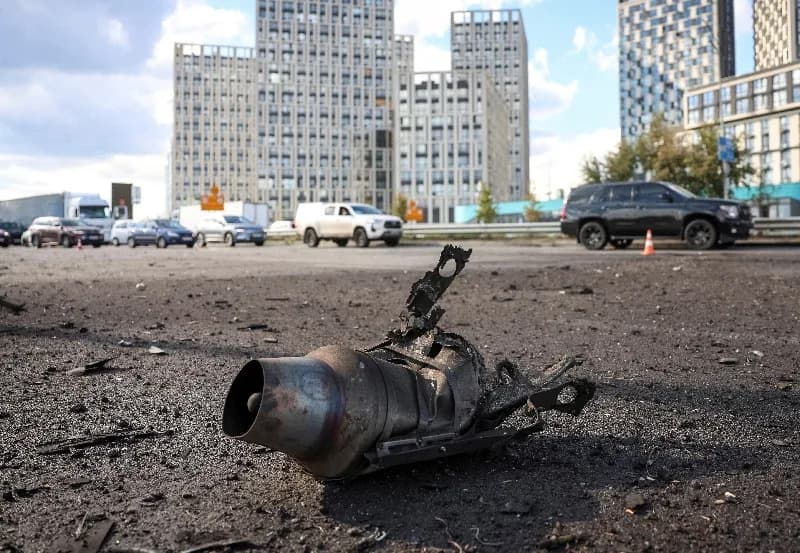
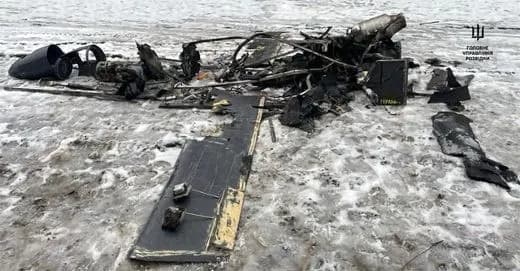
Shahed Drones and New Tactics. The Shahed family of drones, Iranian designs that have reportedly been mass-produced in Russia for use in Ukraine, have surprised some Gulf states by penetrating air defenses. Russian tactics documented in Ukraine—launching drones in large coordinated waves, flying multiple drones together and executing course changes to complicate interception—appear to be part of the assistance Iran is receiving.
“What was more general support is now getting more concerning, including UAS (drone) targeting strategies that Russia employed in Ukraine,” the official said, declining to provide further tactical details.
Russian strikes in Ukraine have sometimes involved nights with hundreds or even more than 1,000 drones, according to reporting and officials. The transfer of that operational know-how to Iran would mark a notable escalation in the lethality of regional drone campaigns.
Intelligence Sharing And Denials. CNN reported that Moscow has shared imagery from its advanced network of overhead satellites with Iranian counterparts. Russia has repeatedly denied sharing such intelligence with Iran; U.S. special envoy Steve Witkoff said the United States was taking Moscow at its word after Russia’s denials.
It is unclear whether Russia is receiving any strategic benefits in return for providing imagery or tactical advice.
Countermeasures And Costs. Kyiv has dispatched drone-interception experts to Gulf states to share techniques developed in response to Shahed-style attacks. Iranian Shahed variants are estimated to cost roughly $30,000 each, while Ukraine has developed small interceptor drones that can be manufactured quickly for about $5,000 apiece.
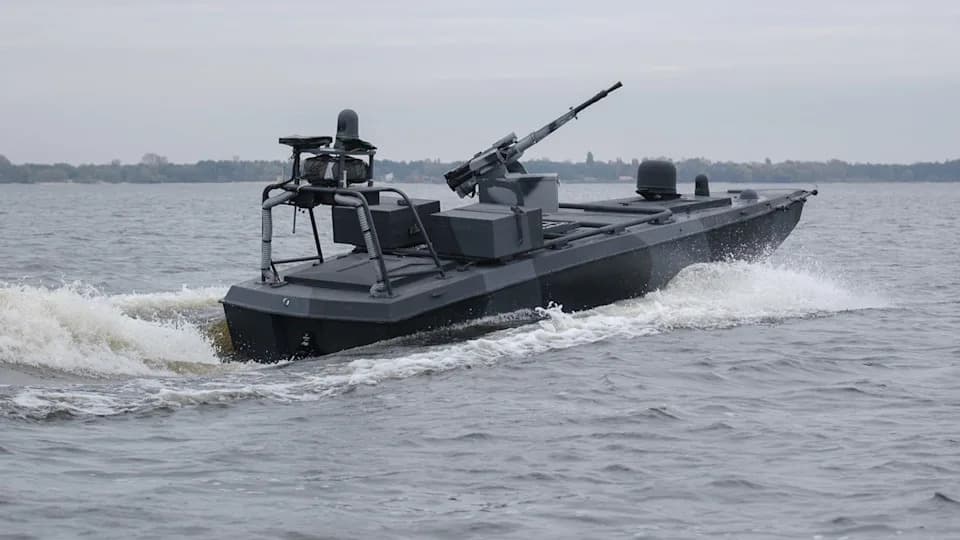
Wider Regional Concerns. Western officials also flagged other Iranian tactics in the Gulf, including the use of naval mines in the Strait of Hormuz, sea drones and low-tech maritime attacks launched from traditional dhow vessels aimed at U.S. carrier strike groups. Iran claimed it struck the USS Abraham Lincoln early in the fighting; U.S. Central Command denied the ship was hit, saying the missiles launched “didn’t even come close.”
The same Western source described China’s posture toward Iran as "concerning," but provided no operational details. Beijing has publicly condemned U.S. and Israeli strikes on Iranian targets while stopping short of declaring any willingness to provide direct military support to Tehran.
Political Context. Analysts say Russia may be exploiting regional tensions to advance strategic objectives in Ukraine. The report also noted a recent telephone conversation between President Vladimir Putin and Donald Trump—described as the two men’s first call since December—during which both the Gulf fighting and the war in Ukraine were discussed.
Contributions to the reporting were made by Nathan Hodge, Natasha Bertrand, Jim Sciutto, Zachary Cohen, Jennifer Hansler and Anna Chernova.
Help us improve.