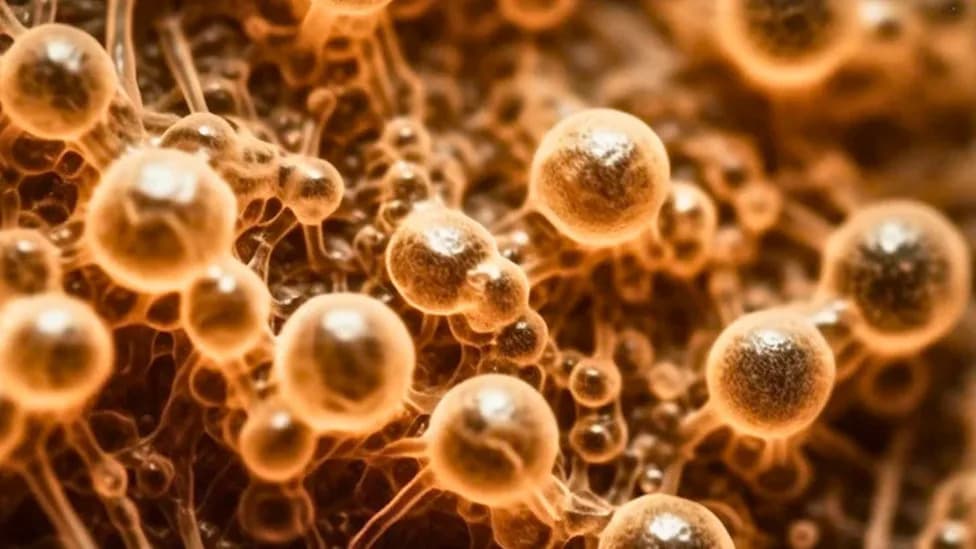
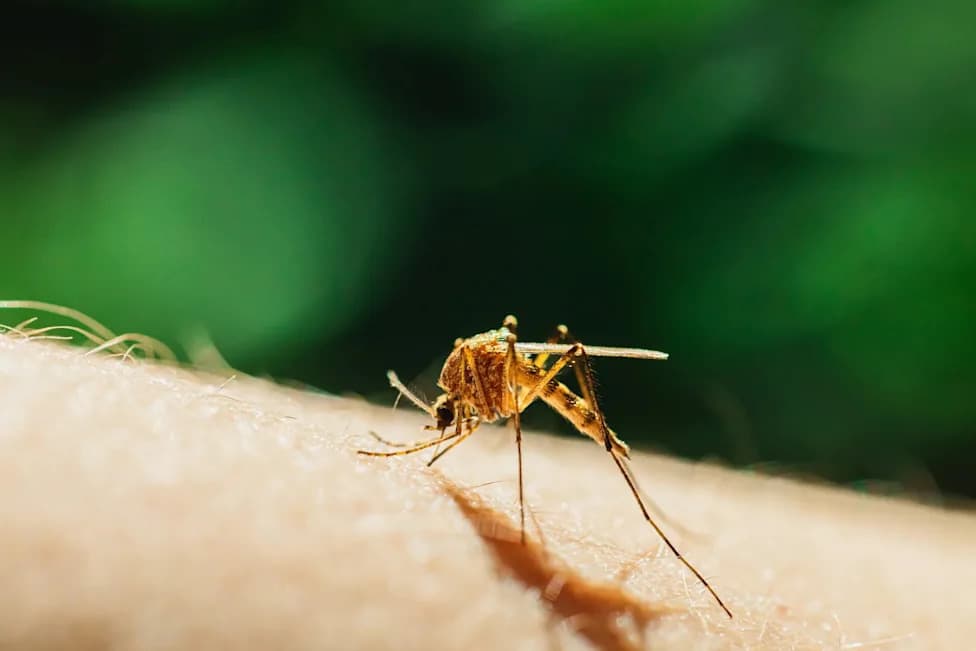
Researchers have identified Aurora-Related Kinase 1 (ARK1) as essential to the unusual mitosis of Plasmodium parasites and a potential antimalarial target. Disabling ARK1 by conditional knockout or knockdown prevented spindle formation and halted parasite development in both host cells and mosquitoes. Because the parasite's Aurora complex differs significantly from the human version, ARK1 offers a promising path for selective drug development. The study appears in Nature Communications.
Scientists Identify ARK1 — A Promising New Drug Target Against Malaria
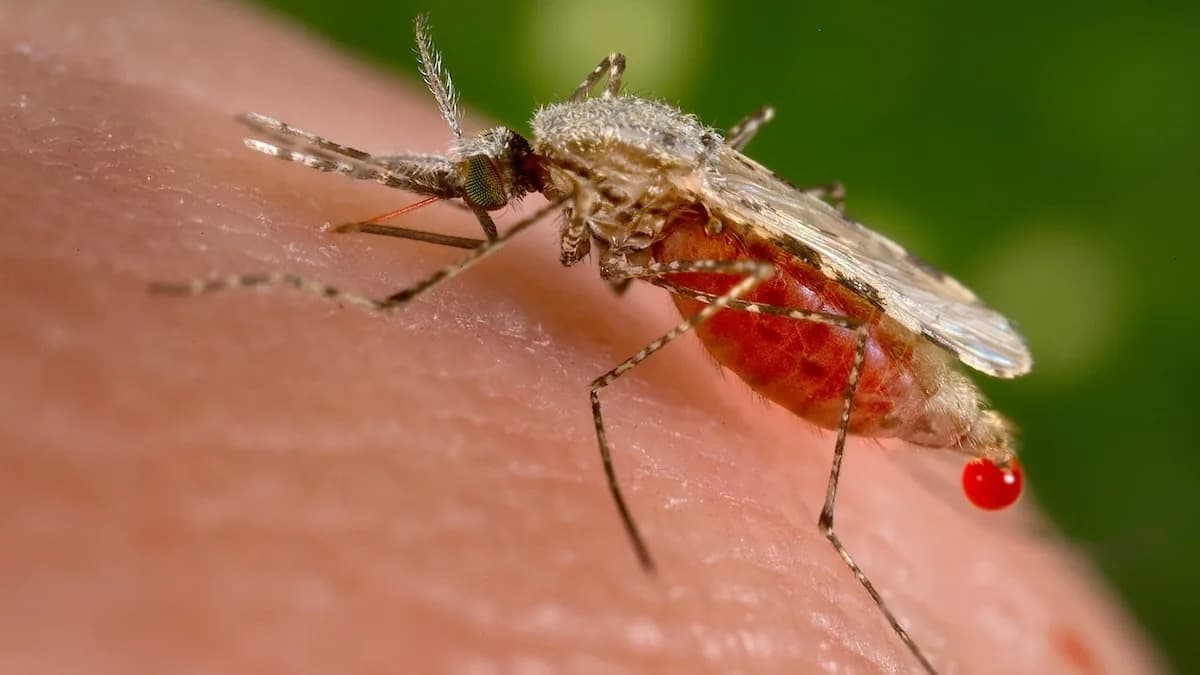
The Anopheles stephensi mosquito is a known vector for malaria. (Jim Gathany/CDC/public domain)
Malaria killed about 610,000 people worldwide in 2024, with the heaviest burden in Africa where young children remain most vulnerable. New research has revealed a potential vulnerability in the malaria parasite that could guide future drug development.
What Researchers Discovered
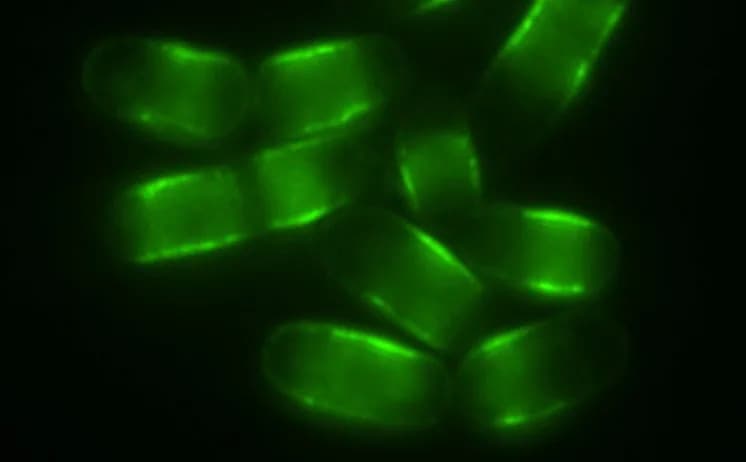
Scientists focused on a protein called Aurora-Related Kinase 1 (ARK1), which plays a central role in the unusual cell division of Plasmodium parasites. Using conditional gene knockout and gene knockdown approaches, the team disabled ARK1 and observed that parasites without it could not assemble functional spindles during mitosis. Without these spindles, the parasites failed to separate their genetic material properly and could not complete development.
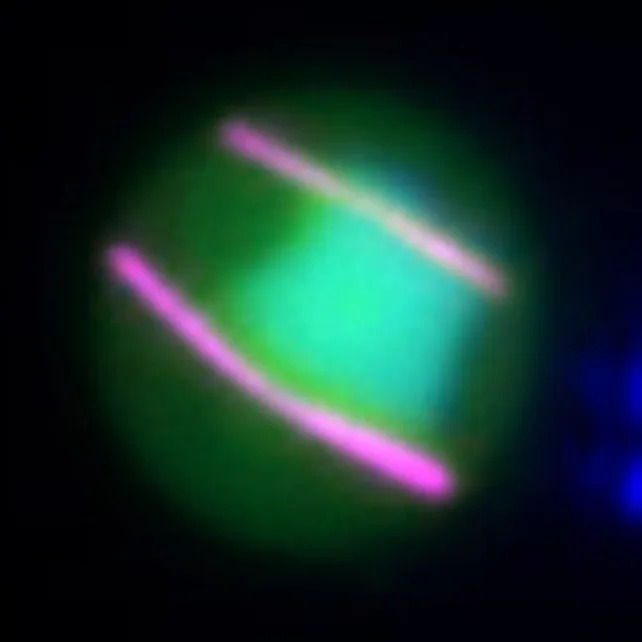
A malaria parasite cell with aurora kinases. (University of Nottingham)
"What makes this discovery so exciting is that the malaria parasite's 'Aurora' complex is very different from the version found in human cells," said Rita Tewari, senior author and parasite cell biologist at the University of Nottingham.
Plasmodium is a genus of single-celled eukaryotic protists that includes more than 150 named species; five of those species commonly infect humans. These parasites reproduce rapidly inside both humans and Anopheles mosquitoes, so interrupting their replication cycle is a key strategy for stopping transmission.
Why ARK1 Is Promising
Because the parasite ARK1 and its Aurora complex diverge substantially from the human counterpart, researchers say the protein represents an attractive selective target. In the experiments, parasites lacking ARK1 could not finish development in vertebrate host cells or in mosquitoes, blocking their ability to spread the disease.

Subscribe to ScienceAlert's free fact-checked newsletter
"The name 'Aurora' refers to the Roman goddess of dawn, and we believe this protein truly heralds a new beginning in our understanding of malaria cell biology," said Ryuji Yanase, co-first author and cell biologist at the University of Nottingham.
The work, published in Nature Communications, does not immediately yield a drug but supplies a clearer molecular target for future antimalarial discovery. Because ARK1 appears essential for parasite replication yet distinct from human proteins, drug developers may be able to design therapies that disable the parasite while minimizing harm to patients.
By documenting the parasites' unconventional mitosis and demonstrating ARK1's pivotal role, the study provides a foundation for follow-up work to identify inhibitors and test whether ARK1-targeted interventions can prevent malaria transmission in real-world settings.
Help us improve.