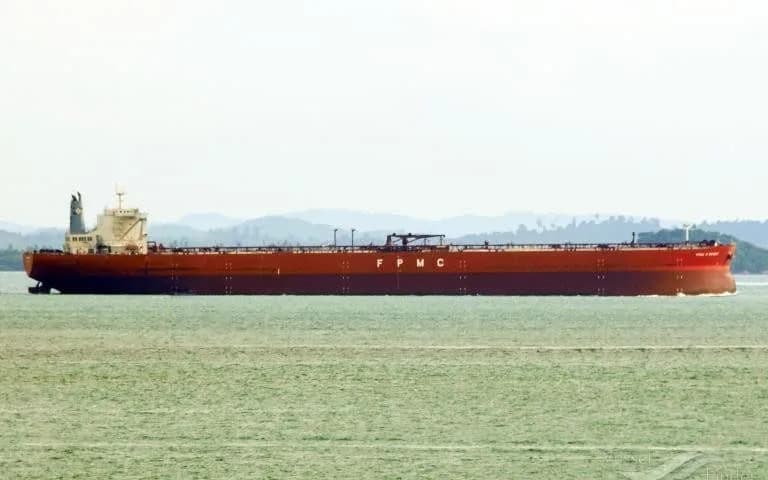
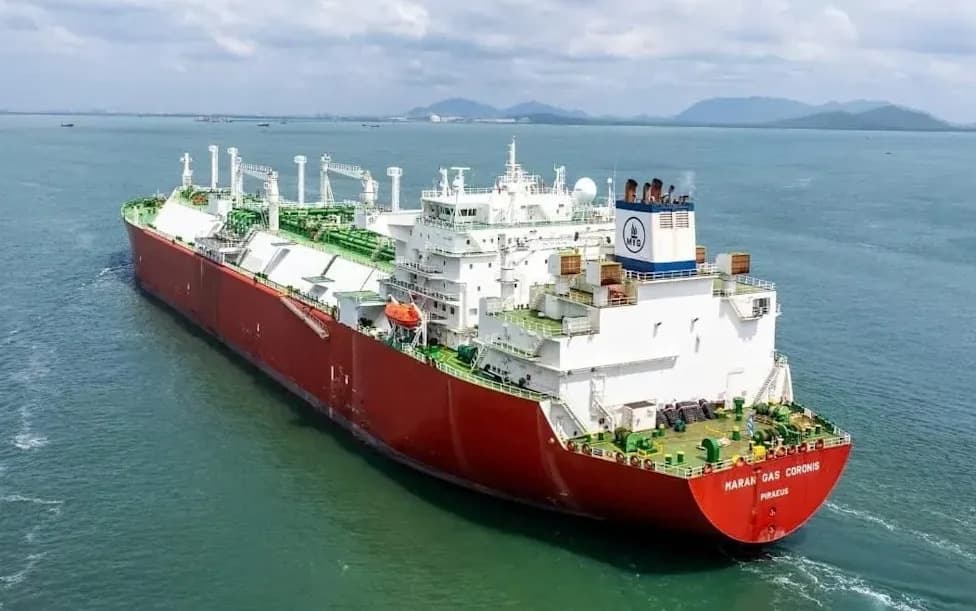
Key Takeaway: Windward AI reports that the blacklisted Russian tanker M/V TRUST carried out a "semi‑dark" ship‑to‑ship crude transfer in Omani waters valued at about $29.3 million. The vessel had loaded roughly 325,000 barrels at Ust‑Luga and temporarily reduced AIS visibility during a prolonged meeting with another tanker. Windward warned such partial broadcasting creates operational blind spots that hamper tracking and enforcement amid heightened Gulf tensions.
Windward: Blacklisted Tanker M/V TRUST Carried Out $29.3M 'Semi‑Dark' Oil Transfer in Gulf of Oman
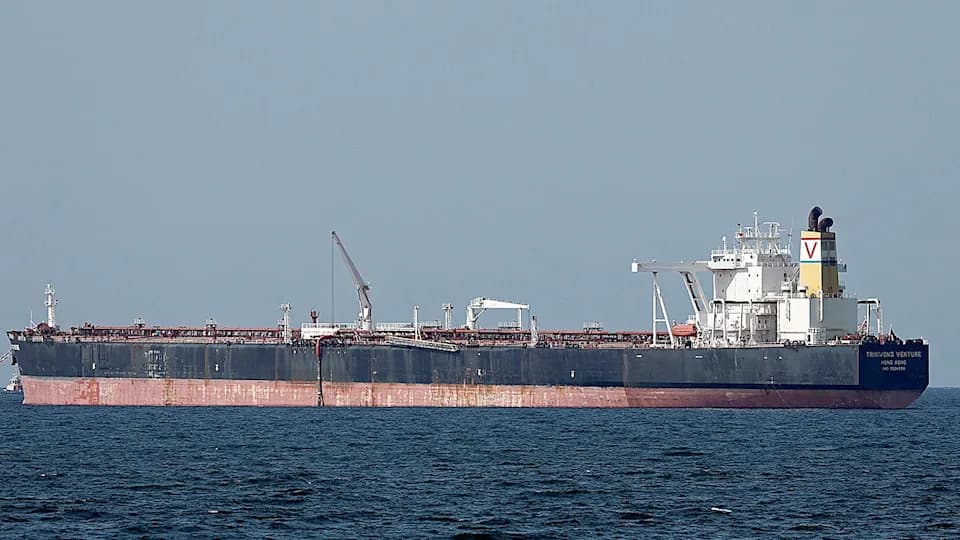
A crude oil tanker sits anchored in Muscat during the U.S.-Israeli conflict with Iran in Muscat, Oman, March 6, 2026.(Reuters Photos)
Maritime intelligence firm Windward AI says the Russian‑flagged tanker M/V TRUST — already blacklisted by the U.S., the EU and the U.K. — conducted a "high‑probability" ship‑to‑ship crude oil transfer in Omani waters in early March. Based on an estimated price of about $90 per barrel, Windward calculated the cargo exchanged to be worth roughly $29.3 million.
The firm reports the M/V TRUST had previously loaded about 325,000 barrels of crude at the Russian port of Ust‑Luga. Windward characterizes the maneuver as a "semi‑dark" transfer: one vessel was broadcasting its Automatic Identification System (AIS) signal while the other was not, or the transmitter had been switched off temporarily, reducing visibility for maritime trackers.
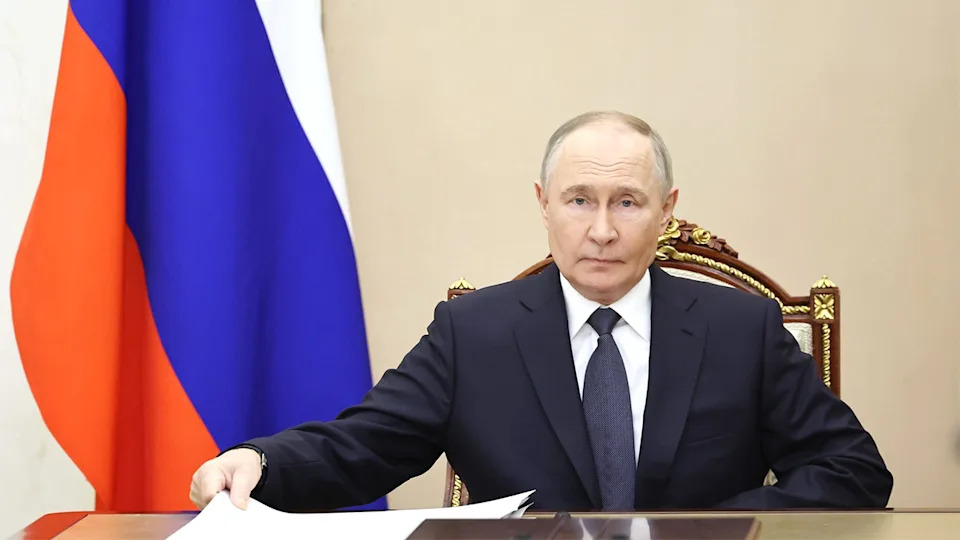
Russian President Vladimir Putin meets the Russian delegation and some officials ahead of the Istanbul talks May 14, 2025, in Moscow, Russia.
Timing and regional context: Windward noted the operation coincided with heightened military tensions in the Gulf after Operation Epic Fury, suggesting the parties involved may have exploited regional instability and reduced oversight to carry out the exchange. The incident comes amid broader volatility in energy markets tied to the escalating conflict in the Middle East and constrained traffic through the Strait of Hormuz.
Why "semi‑dark" matters: In a fully "dark" transfer neither vessel transmits AIS signals, making tracking extremely difficult. A "semi‑dark" meeting, where only one vessel is broadcasting or signals are intermittent, still creates significant operational blind spots that complicate efforts to monitor compliance with sanctions and to trace cargo movements.
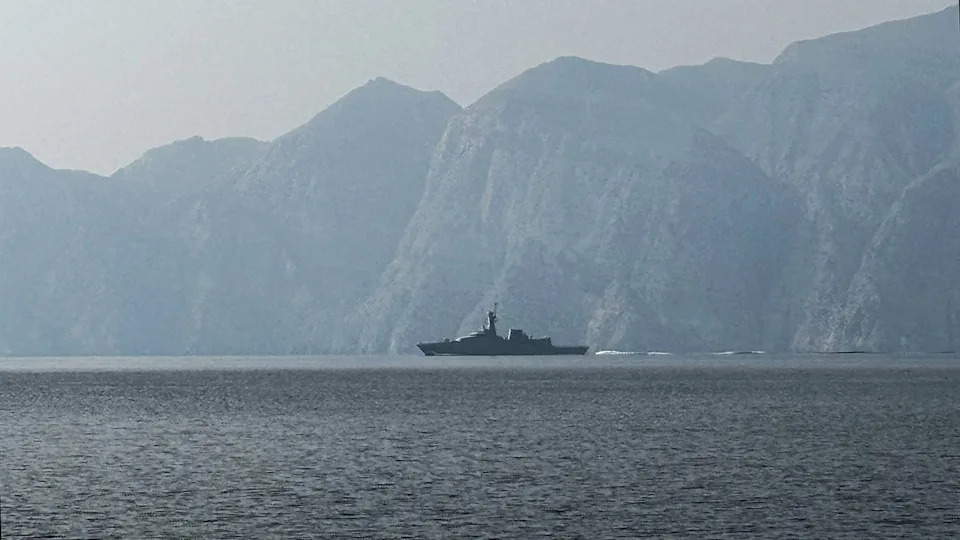
A navy vessel sails in the Strait of Hormuz, a vital waterway through which much of the world's oil and gas passes, March 1, 2026.
Windward warned that these operational blind spots enable illicit maritime activity to continue largely uninterrupted, underscoring the challenge of policing sanctioned oil flows in a tense security environment.
Market reaction has been immediate: oil prices topped $100 per barrel on March 9 as traders assessed the risk of disrupted flows through the Strait of Hormuz, which carries about one‑fifth of global oil supply. Russian President Vladimir Putin said Russia is ready to resume long‑term energy cooperation with European buyers should they choose to return. Separately, media reports have suggested Russia might be providing intelligence support to Tehran; the Kremlin has not publicly confirmed those claims.
This incident highlights a growing pattern of tactics — including AIS manipulation and ship‑to‑ship transfers in contested waters — used to move sanctioned cargoes and complicate enforcement by Western authorities.
Help us improve.