The UK Foreign Office says Russia is building a covert, ice-capable "shadow fleet" of tankers to evade sanctions and sustain revenues for its war in Ukraine. London has added several recently commissioned LNG carriers and older vessels to its sanctions list, highlighting their Arctic capability and recent movements. The measures accompany sanctions on individuals accused of torture and the forced indoctrination of Ukrainian children, while Western efforts have already blacklisted hundreds of ships linked to sanctions evasion.
UK Warns Russia Is Assembling an Ice-Capable 'Shadow Fleet' of Tankers to Evade Sanctions
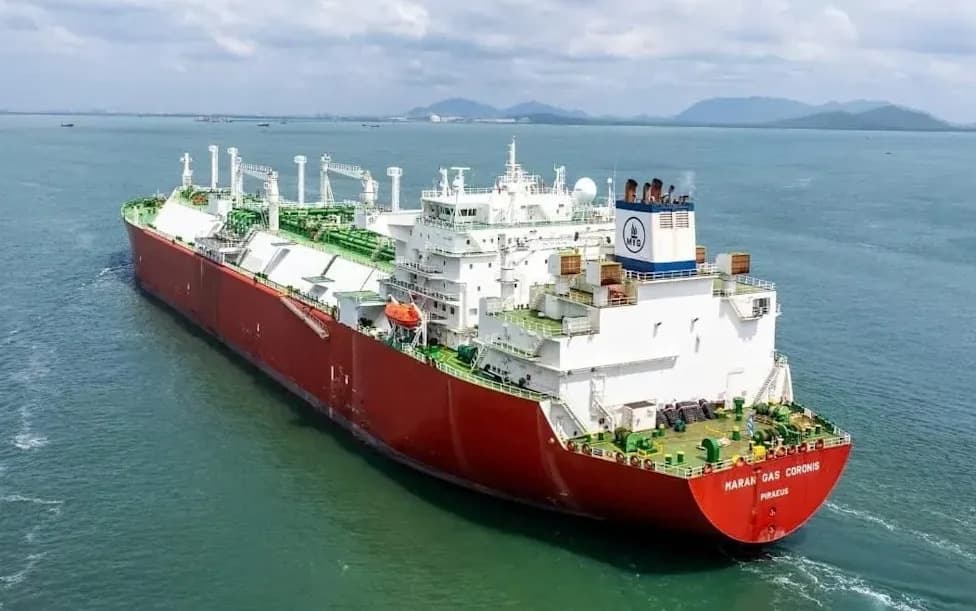
The Chaivo is one of several tankers that the UK has included in fresh sanctions against Russia
British ministers say Russia is attempting to assemble a covert "shadow fleet" of tankers to circumvent Western sanctions and preserve revenue streams that help fund its war in Ukraine. The UK Foreign Office says Moscow has commissioned new ice-capable liquefied natural gas (LNG) carriers and requisitioned other vessels to operate outside normal commercial channels.
New Ships and Targets of Sanctions
Officials say at least two newly built 984 ft LNG carriers entered service earlier this year and have been added to UK sanctions. The government named several vessels singled out in the latest measures, including the Aleksey Kosygin and Konstantin Posiet, two 127,555-ton ships reportedly designed to break ice up to two metres thick. A third recent addition, the Pyotr Stolypin, was also sanctioned, along with older tankers and support vessels such as the Portovyy, Chaivo, Avacha, Bebek-E (built 1979) and the 75 ft crew transfer vessel Galle Energy (Sri Lanka flag).
The Russian state is attempting to build a dangerous new 'shadow fleet' to circumvent sanctions and sustain revenues from its gas exports. Today's package targets several vessels acquired to support that effort, including some that entered service as recently as July this year. By targeting these ships, the UK is increasing pressure on a sector the Russian state sees as critical to its future revenues.
Movements and Arctic Capability
Tracking data cited by officials indicated that the Konstantin Posiet recently departed Bechevinka Bay, a former Soviet submarine base on the Kamchatka Peninsula, while the Aleksey Kosygin has been reported near Changtu Island in the East China Sea. The icebreaking capability of these vessels highlights Russia's push to use Arctic routes and High North passages to move energy cargoes beyond the immediate reach of some Western restrictions.
Wider Context and Enforcement
Since the 2022 invasion of Ukraine, Western nations have imposed sweeping sanctions on Russian energy firms. Authorities accuse Moscow of evading these restrictions by moving oil and gas on a shadowy network of older tankers with opaque ownership and insurance arrangements. To counter this, the EU began sanctioning individual ships in 2024 and has blacklisted roughly 670 vessels from entering European ports; the UK has identified about 600 tankers it says are being used to bankroll Moscow's war effort.
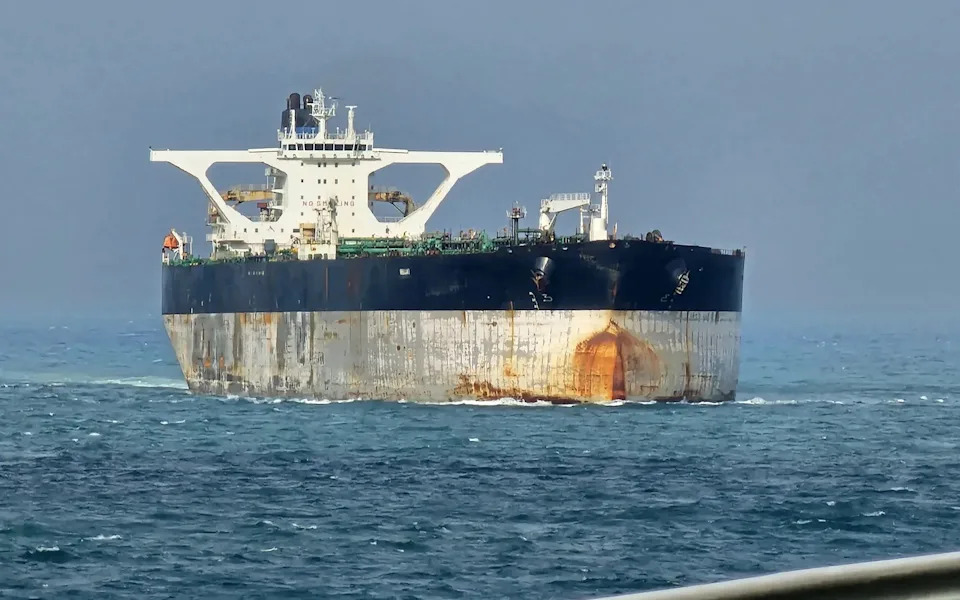
The Marinera is one of the Russia's fleet of ageing tankers being used to transport fuel and evade sanctions - AFP/Hakon Rimmereid
British forces also carried out a high-profile operation in June when Royal Marines boarded and seized the shadow-fleet vessel Smyrtos in the Channel. The UK says that operation disrupted illicit shipments and demonstrated active enforcement at sea.
People Sanctioned and Human-Rights Measures
Alongside ship sanctions, the UK imposed measures on individuals accused of arbitrary detention, torture and ill-treatment of Ukrainian civilians — including a serving member of Russia's Federal Security Service. A further group of people were sanctioned for roles in the deportation, indoctrination and militarisation of Ukrainian children; UK officials estimate around 6,000 children have been forcibly relocated into so-called 're-education' camps.
According to the UK government, international sanctions have deprived Russia of nearly $500 billion (£426.8 billion) in revenue used to support its military campaign.
Note: This article summarizes assertions and actions reported by UK government sources and does not independently verify all operational details about individual vessels.
Help us improve.