The U.S. said it destroyed 16 Iranian vessels it identified as minelayers near the Strait of Hormuz and released video of the strikes, warning of severe retaliation if mines were deployed. Israel carried out additional strikes in Beirut and Tehran as Iran signalled defiance. The conflict has driven energy prices higher—crude rose roughly 5% after earlier topping $100 a barrel—while regional attacks forced refinery closures and raised fears of wider economic disruption.
US Says It Destroyed 16 Iranian Minelayers Near Strait Of Hormuz As War Drives Oil Prices Higher
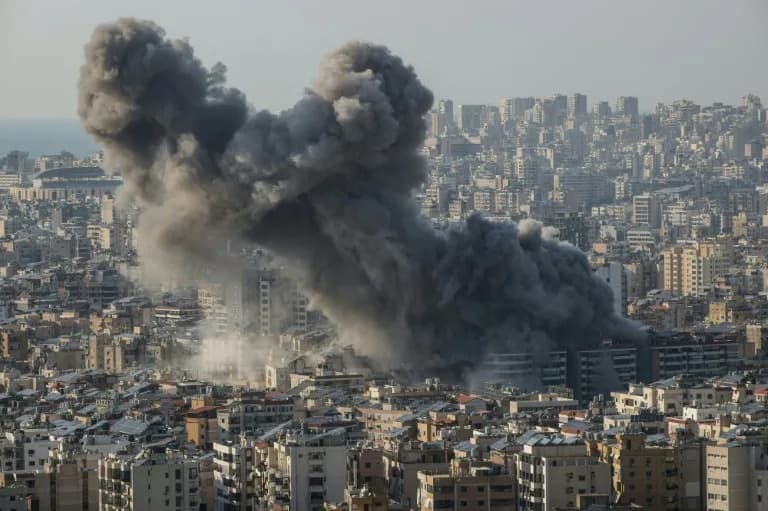
Smoke billows from an Israeli strike in the southern suburbs of Beirut on March 10, 2026 (Ibrahim AMRO)(Ibrahim AMRO/AFP/AFP)
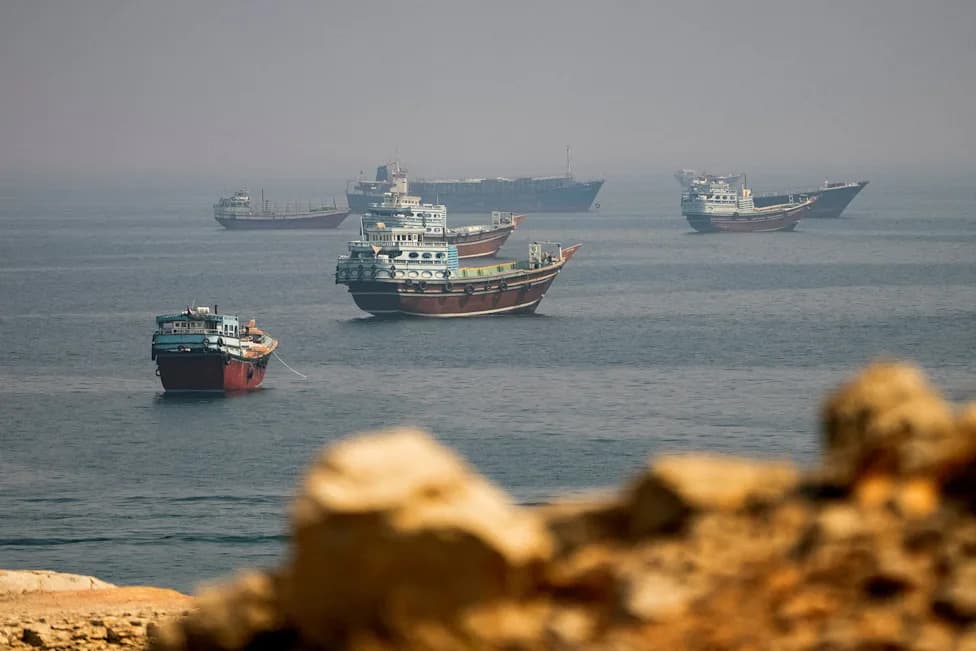
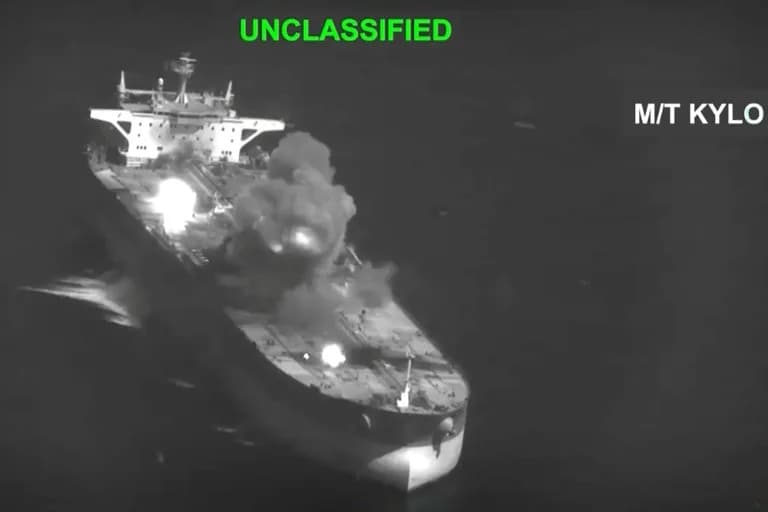
The United States said on Tuesday it had struck Iranian vessels it identified as minelayers near the strategically vital Strait of Hormuz, and released footage showing boats hit by missiles and other munitions. Washington warned of severe escalation if mines were placed in the chokepoint through which roughly one-fifth of the world's oil supply transits.
What U.S. Officials Say
The Pentagon published video it said shows Iranian boats being struck and said 16 minelaying vessels had been destroyed near the strait. U.S. leaders cautioned that any deployment of mines would bring unprecedented military consequences for Iran unless they were removed immediately.
"If for any reason mines were placed, and they are not removed forthwith, the military consequences to Iran will be at a level never seen before," a post from President Donald Trump said on social media.
Escalation Across The Region
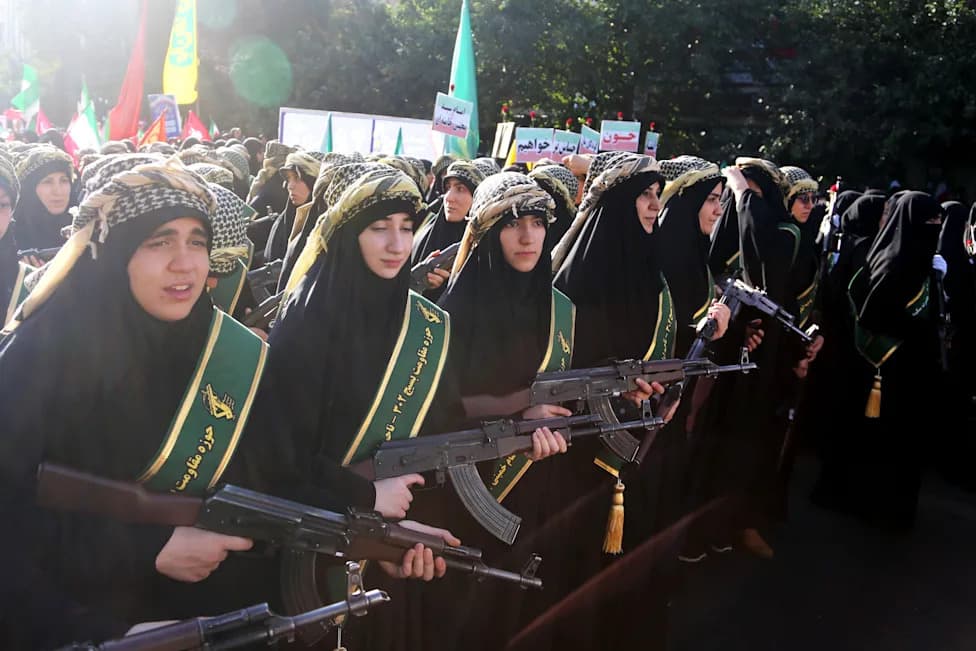
Israel launched new strikes in Beirut and Tehran in the early hours of Wednesday, while Iran reported heavy bombardment and fires at fuel depots that produced thick black smoke and rain. Iranian authorities and state-linked voices declared defiance: Parliament speaker Mohammad Bagher Ghalibaf wrote on X that Iran was not seeking a ceasefire and said attackers "must be punished and taught a lesson." The comment was carried by Iranian state media.
Media reports and official statements contain a mix of claims and counterclaims. Some widely circulated reports about changes in Iran's top leadership have not been independently verified; this article notes such claims as reported by involved parties and media outlets.
Human And Economic Toll
The conflict has already affected civilians and regional infrastructure. Lebanese authorities reported hundreds killed and more than a thousand wounded in Israeli strikes between early March and Monday, and Iran has lodged complaints with the United Nations over the deaths of diplomats in Beirut. The Pentagon said about 140 U.S. service members have been wounded since the conflict began, mostly with minor injuries, and confirmed seven U.S. deaths.
Energy infrastructure has been hit across the Gulf. The UAE temporarily closed its largest refinery at Ruwais after a drone strike caused a fire, and AFP journalists reported explosions in Doha. Markets reacted sharply: crude oil jumped about 5% late Tuesday after earlier moving above $100 a barrel, stoking concern about wider economic fallout.
"There would be catastrophic consequences for the world's oil markets the longer the disruption goes on," Amin H. Nasser, president and CEO of Saudi Aramco, told journalists. "It's absolutely critical that shipping resumes in the Strait of Hormuz."
Regional Spillover
Iraq and Lebanon have seen fighting and unrest tied to Iran-backed groups, with reports of militia casualties in Iraq and attempted assaults on diplomatic facilities. The United Nations warned that a prolonged closure of Hormuz would raise the cost of fuel and food and hit vulnerable populations hardest. In Egypt, authorities raised fuel prices by as much as 30 percent amid growing public concern.
The situation remains fluid, with many claims still being assessed by independent observers. This article summarizes official statements and reputable reports to provide a clear, neutral account of developments and their likely regional and global consequences.
Help us improve.