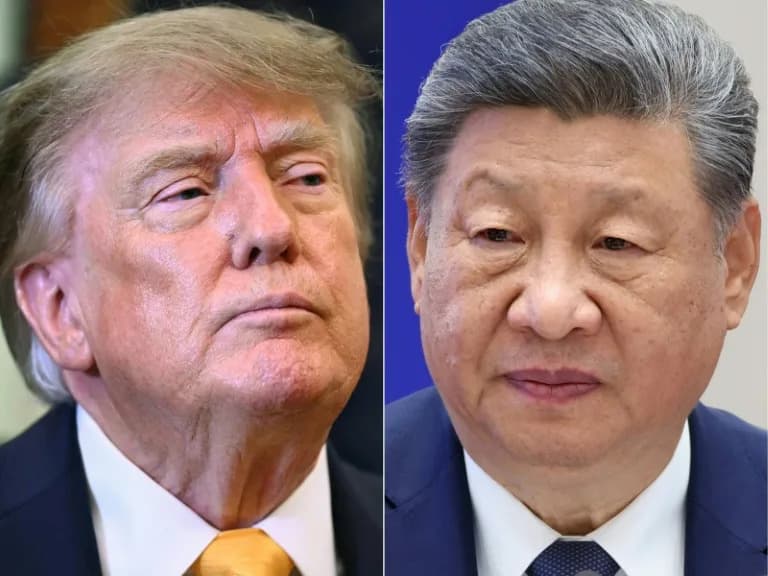
China's foreign minister urged the United States to manage differences and avoid policies — such as tariffs, decoupling and supply-chain disruption — that Beijing says will backfire. Speaking at the Two Sessions, Wang addressed the South China Sea, tensions in the Middle East and the war in Ukraine, and defended China's ties with Russia while condemning strikes on Iranian targets that escalated regional tensions. He welcomed warming ties with European partners and highlighted practical cooperation such as visa-free travel and tariff cuts. Wang reiterated that Taiwan remains a "red line" Beijing will not accept being separated from China and urged reduced interference between the two powers.
China's Foreign Minister Urges U.S. To Manage Differences, Warns Tariffs and Decoupling Will 'Backfire'
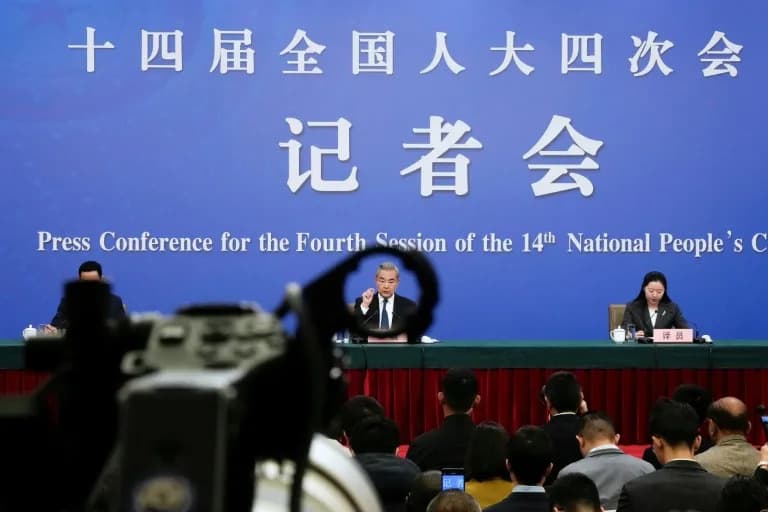
China's Foreign Minister Wang Yi, who is also a member of the Political Bureau of the Communist Party of China Central Committee, attends a press conference in Beijing (Iori Sagisawa)(Iori Sagisawa/POOL/AFP)
China's top diplomat on Sunday appealed to the United States to resolve differences with Beijing as the world's two largest economies clash over tariffs and broader geopolitical tensions.
Ties between China and the United States have been strained since U.S. President Donald Trump returned to the White House last year, a period that spawned a trade war in which both sides imposed tariffs on each other's goods. Beijing has sought to present itself as a more predictable economic partner amid Washington's shifting policies.
"We observe a certain country erecting tariff barriers and pursuing decoupling and supply chain disruption," Wang told reporters at a press conference. "These actions are akin to trying to extinguish a fire with fuel. Ultimately, they will backfire."
Wang spoke during China's annual political gathering — the "Two Sessions" — where the national legislature and the political consultative body meet to set priorities. His remarks touched on a wide range of issues, including bilateral relations with the United States, tensions in the South China Sea, conflicts in the Middle East and Ukraine, and relations with Europe and Russia.
Middle East And Ukraine
Wang criticised U.S. and Israeli military strikes on Iranian targets, saying such actions escalated tensions in the Middle East and "should never have happened." He warned against a return to the law of the jungle, arguing that military force does not equate to moral justification.
On Ukraine, Wang said China remains a steady partner to Moscow, calling the relationship "steadfast and unshakeable." While Beijing portrays itself as neutral in the conflict, Western governments accuse China of materially supporting Russia through trade and sanction-evasion assistance.
EU Relations And Outreach
Wang welcomed recent visits by leaders from France, Canada, Finland and the United Kingdom, saying they reflect a recognition that China can be a partner rather than an adversary. He said ties with the European Union have seen a "steady improvement" over the past year and pointed to practical steps such as visa-free travel arrangements for roughly 50 countries and targeted tariff reductions on exports to Canada and the U.K.
Taiwan Remains A 'Red Line'
The status of self-ruled Taiwan remains a core point of friction. Beijing regards Taiwan as part of China and has not ruled out using force to prevent formal moves toward independence. Wang reiterated that Beijing "will never allow anyone or any force to separate Taiwan from China," calling the issue a sovereign red line that could further strain U.S.-China ties.
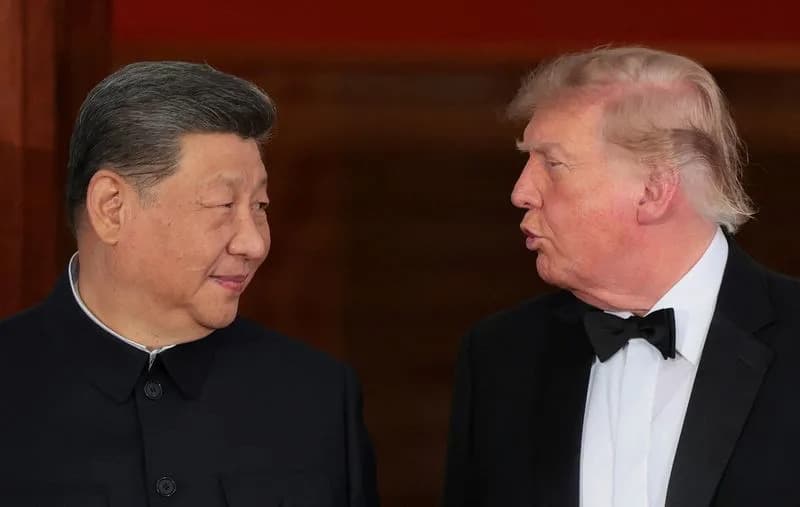
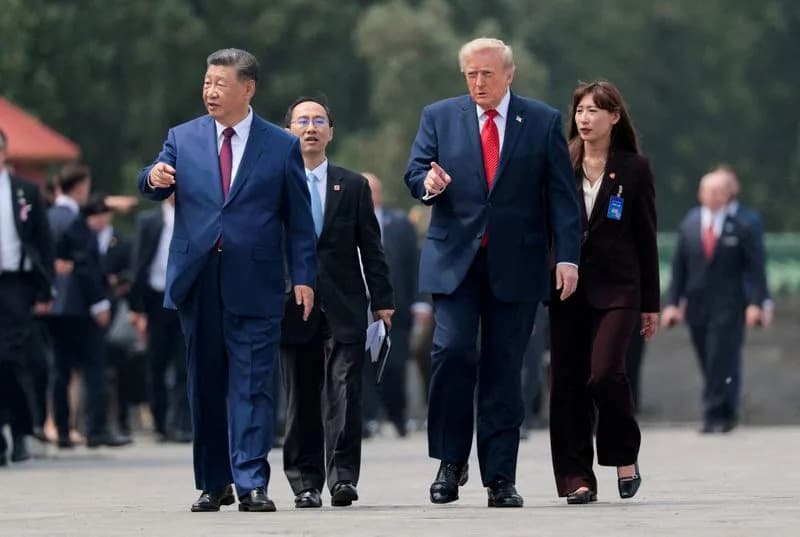
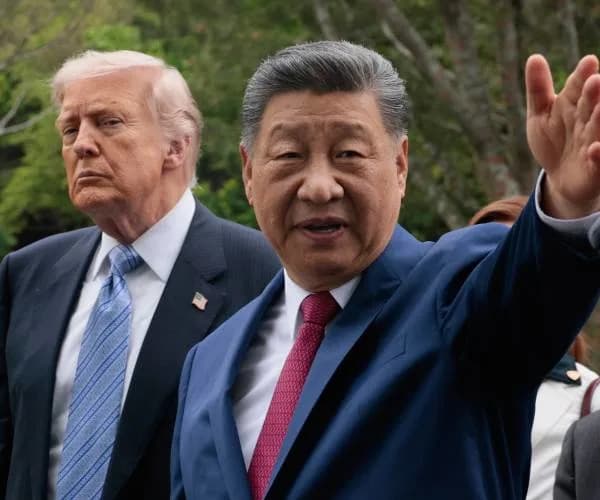
The two leaders are due to meet in Beijing in April, a high-stakes encounter that could shape the next phase of bilateral engagement. Wang urged both sides to "manage existing differences and eliminate unnecessary interference," stressing dialogue and stable interaction as the preferred path forward.
Help us improve.