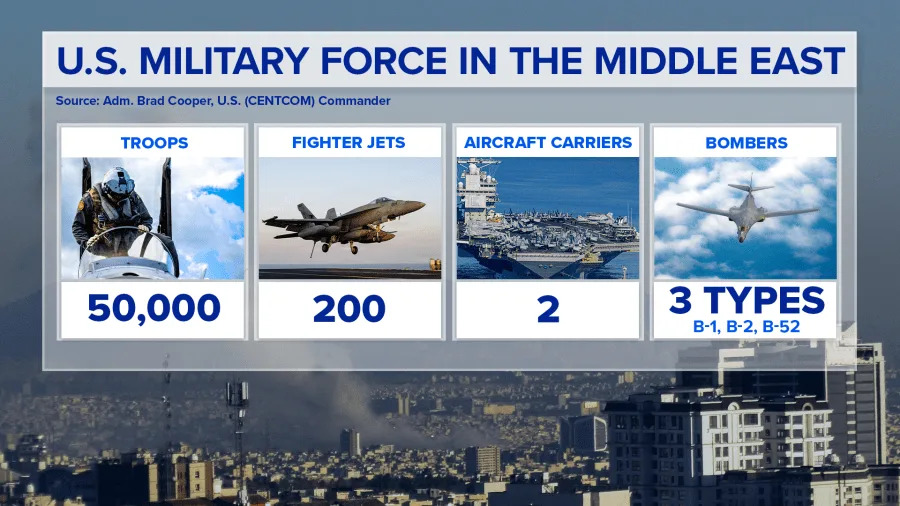
The United States says it has launched more than 2,000 strikes on Iran since President Trump ordered Operation Epic Fury, with at least six Americans and hundreds of Iranians reported killed. The Pentagon has deployed bombers (B‑1, B‑2, B‑52), roughly 200 fighters including F‑35s, new PrSM missiles (≈250 miles range) and low‑cost LUCAS kamikaze drones. Up to 50,000 U.S. service members and two carriers — USS Gerald R. Ford and USS Abraham Lincoln — are in the region, while the DOD's use of AI has prompted public debate with vendors over ethical limits.
Iran War: U.S. Deploys Jets, Missiles and Carriers in 'Operation Epic Fury' — New Weapons Enter Combat
The United States says it has conducted more than 2,000 strikes on targets in Iran since President Donald Trump ordered Operation Epic Fury nearly a week ago. Officials report that at least six Americans and hundreds of Iranians have been killed since the campaign began.
Overview
The Pentagon has publicly listed a wide array of platforms and munitions now operating in the region, from legacy bomber fleets to newly deployed precision missiles and low‑cost attack drones. Officials also hinted at additional classified capabilities that have not been disclosed.
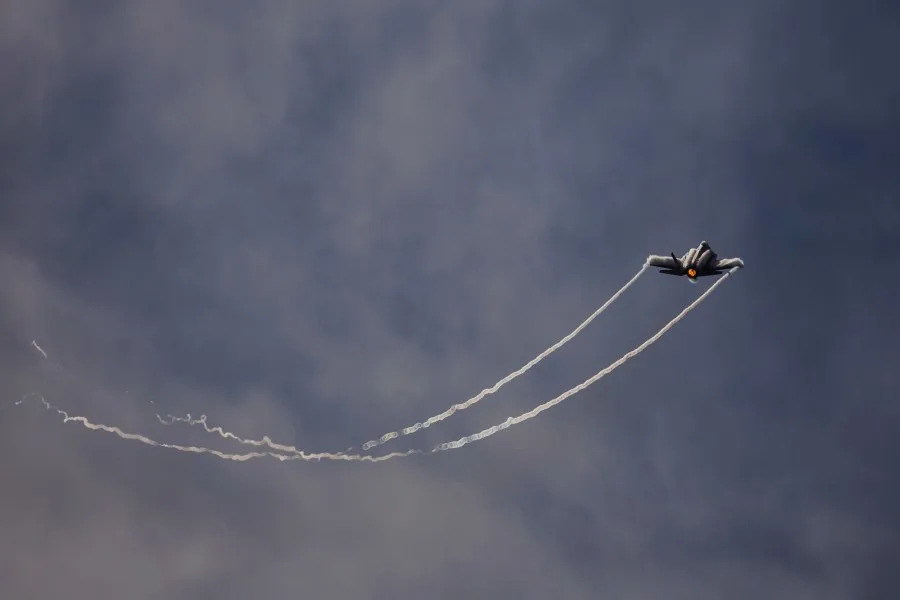
DAYTONA BEACH, FLORIDA – JANUARY 24: A Lockheed Martin F-35 Lightning II jet performs a flyover before the start of the Rolex 24 at Daytona International Speedway on January 24, 2026 in Daytona Beach, Florida. (Photo by James Gilbert/Getty Images)
Air And Strike Assets
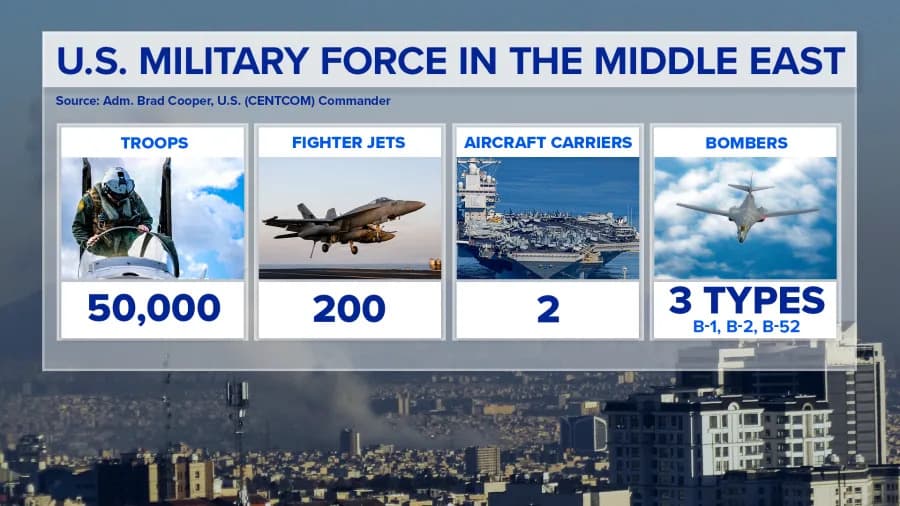
Heavy bombers have taken part in the operation, including B‑1, B‑2 and B‑52 aircraft. U.S. forces say roughly 200 fighter jets are responding; those include F‑15s, F‑16s, F/A‑18s, A‑10 attack aircraft and F‑35 stealth fighters. The F‑35 — after years of development cost issues and delays — is now flying combat missions and is described by its manufacturer as having advanced sensor suites and onboard processing that help it act as a networked command node for other platforms.
Allied forces have also used F‑35 variants in recent engagements: the Israeli Air Force’s F‑35I was credited by the Israeli Defense Forces with downing a manned fighter, described as the first such F‑35 Adir shootdown, and Royal Air Force F‑35Bs were reported to have shot down drones over Jordan.
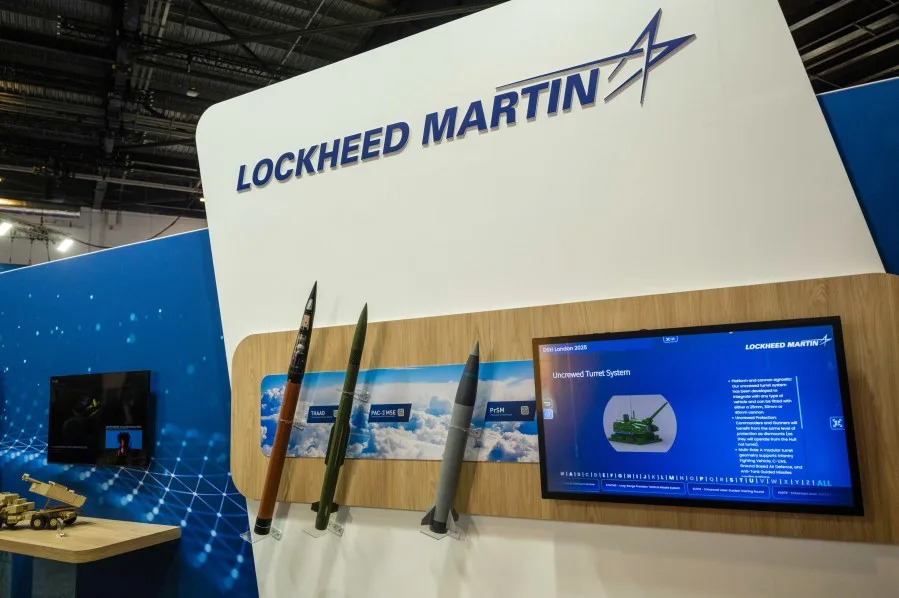
A Terminal High Altitude Area Defense (THAAD) missile, a PAC-3 air-defence missile and a PrSM precision strike missile at the Lockheed Martin Corp. stand at the Defence and Security Equipment International (DSEI) 2025 exhibition in London, UK, on Wednesday, Sept. 10, 2025. The annual conference historically has been overshadowed by alternating air shows in Paris and Farnborough, England, but the London event has gotten extra attention this year in the wake of European pledges to increase defense spending. Photographer: Jose Sarmento Matos/Bloomberg via Getty Images
Drones And New Weapons
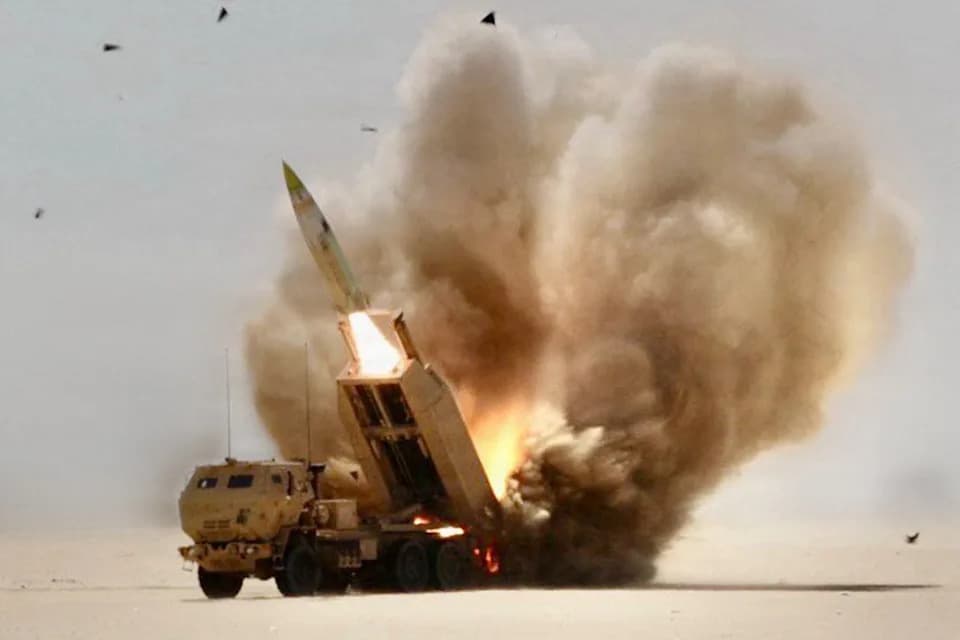
For the first time in combat, U.S. forces have employed Lockheed Martin’s Precision Strike Missile (PrSM), which can be launched from M‑142 High Mobility Artillery Rocket Systems (HIMARS) and is reported to have a range of about 250 miles. The campaign has also used a new low‑cost kamikaze drone called LUCAS (Low‑cost Unmanned Combat Attack System). The Pentagon described LUCAS as an inexpensive, expendable attack drone inspired by Iran’s Shahed designs; Central Command chief Adm. Brad Cooper said, in blunt terms, that the U.S. adapted and redeployed that concept against Iranian targets.
"We took them back to America, made them better, and fired them right back at Iran," Adm. Brad Cooper said.
Other systems active in the operation include MQ‑9 Reaper drones, P‑8 maritime patrol aircraft, RC‑135 reconnaissance planes, HIMARS launchers and guided‑missile destroyers operating in regional waters.
Forces, Carriers And Logistics
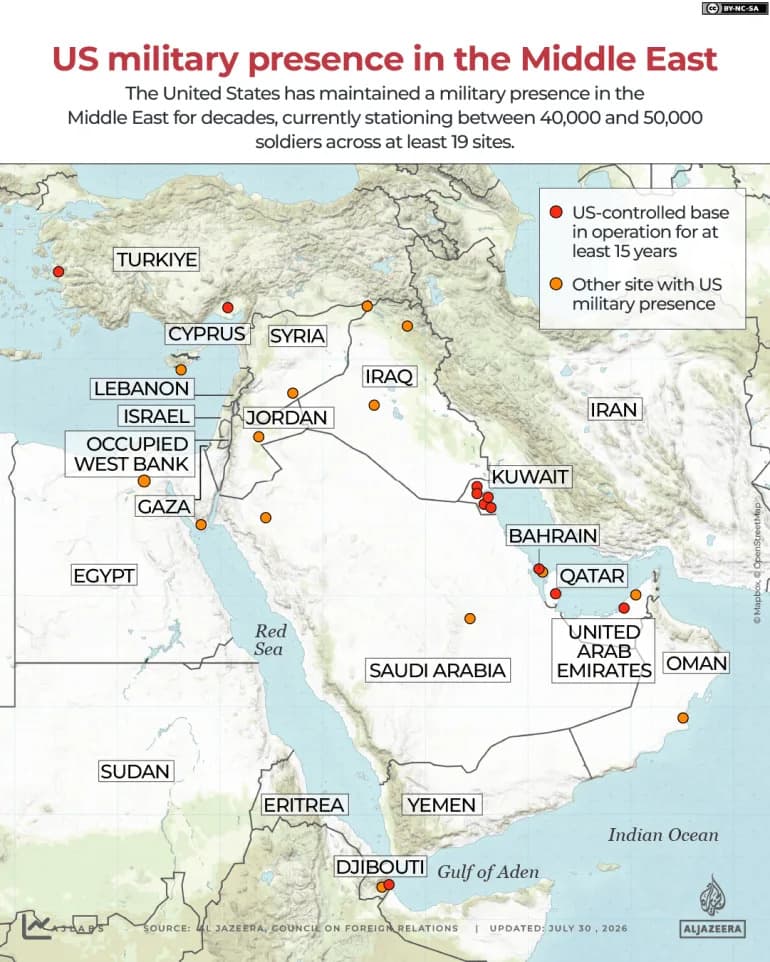
Officials estimate up to 50,000 U.S. service members are in the broader region supporting operations. Two aircraft carriers — the USS Gerald R. Ford and the USS Abraham Lincoln — are also deployed to provide air‑wing and strike capacity.
AI Use And Ethical Debate
The Wall Street Journal has reported the Defense Department is likely using artificial intelligence tools for combat support and operational tasks, though the Pentagon has not publicly detailed specific vendors. The DOD recently had a public dispute with the AI firm Anthropic, which warned that its chatbot technology should not be used for mass surveillance of U.S. citizens or to control fully autonomous weapons. Defense officials declined to confirm whether Anthropic’s Claude remains in use, citing operational security, illustrating broader ethical and legal questions as militaries integrate more capable AI into planning, targeting and battlefield management.
Analysts' Concerns
Lawmakers and analysts have raised questions about the speed of escalation, the potential depletion of U.S. weapons stockpiles and the long‑term costs of sustained high‑intensity operations. For now, the United States and its partners continue to press a mix of air, sea, missile and drone capabilities as the campaign unfolds.
Reporting contributed by NewsNation staff and The Associated Press. Copyright 2026 Nexstar Media, Inc.
Help us improve.