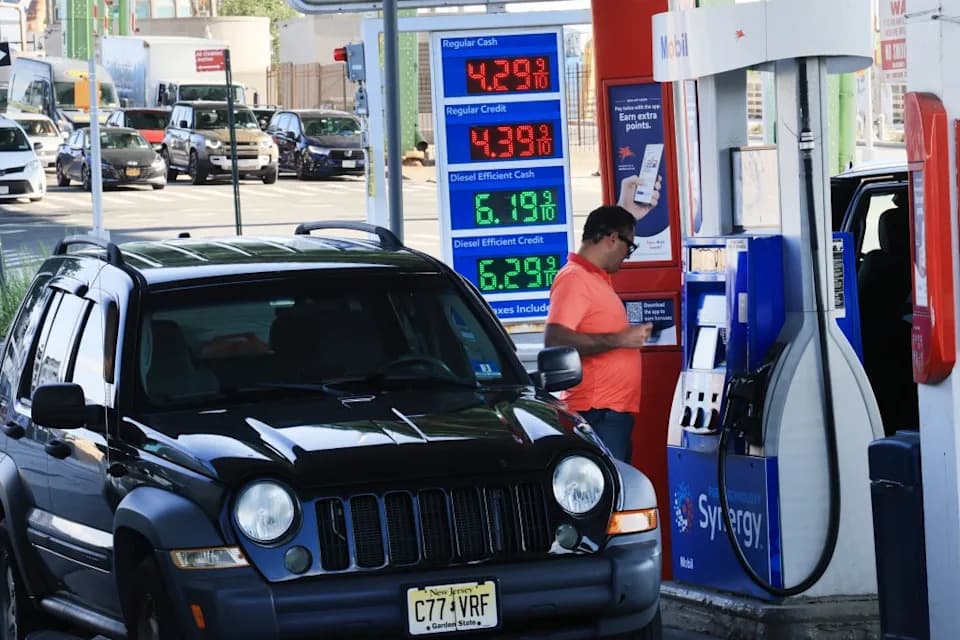
Fresh strikes on Iran caused a one-day jump in U.S. gas prices, highlighting the rapid effect geopolitical events can have on energy markets. The national average rose 12¢ to $3.15 and diesel hit its highest level since July 2024 — movements that could feed into inflation if sustained. Economists say a short disruption would likely have a modest impact on inflation, but a prolonged supply squeeze would raise serious affordability concerns.
Strikes on Iran Push Gas Prices Up — Could Energy Shock Rekindle U.S. Inflation?

What could strikes on Iran mean for US inflation?
Fresh military strikes on Iran have produced an abrupt jump in U.S. fuel prices, underscoring how quickly geopolitical turmoil can ripple through global energy markets and feed inflationary pressures at home.
What Happened
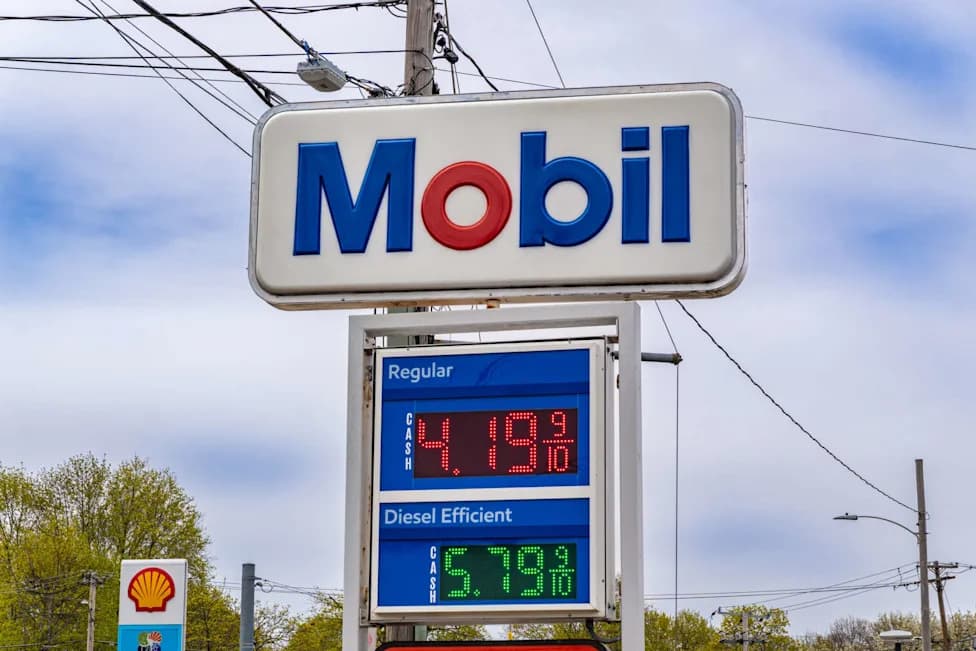
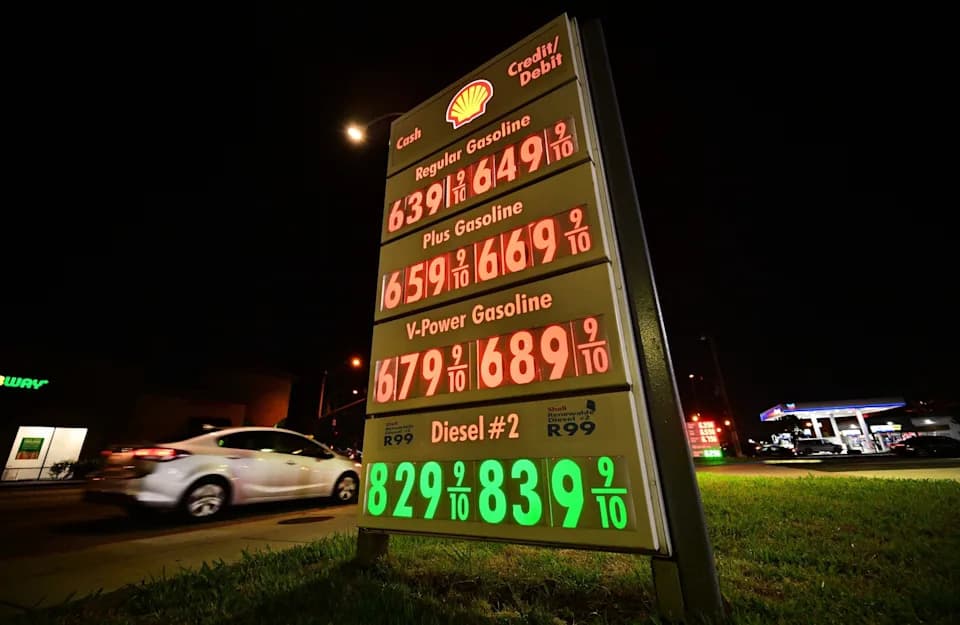
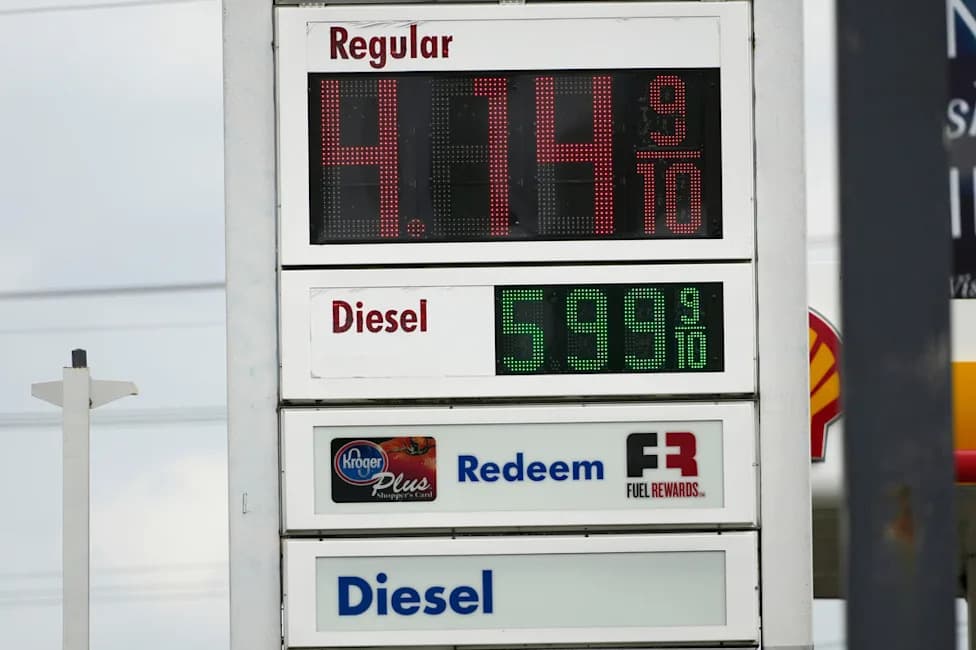
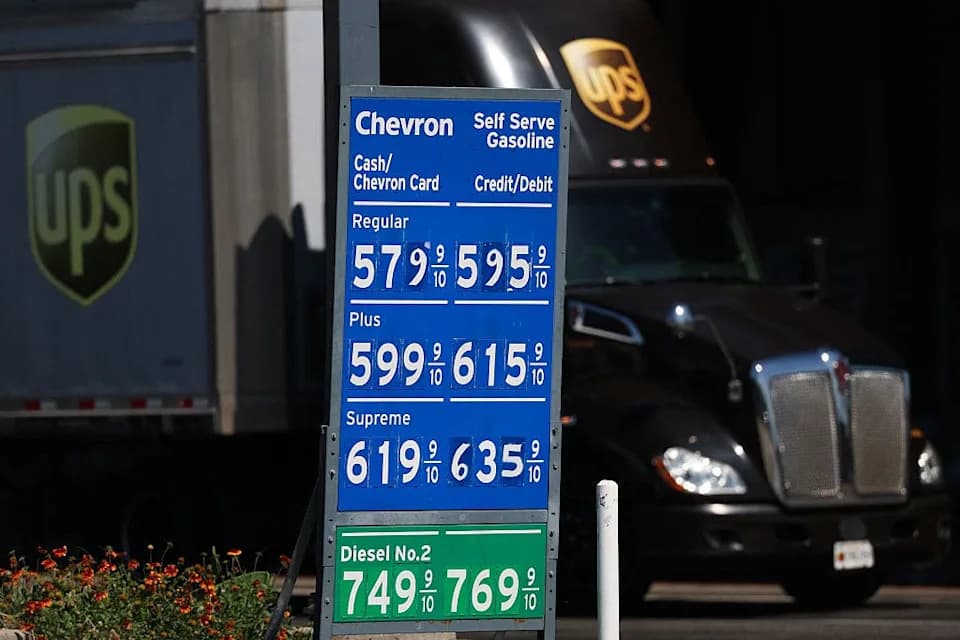
GasBuddy reported the national average price for a gallon of regular gasoline rose 12 cents in one day — the largest single-day increase since March 2022 — to $3.15 as of early Tuesday evening, up from $2.97 the previous week. U.S. diesel also climbed to its highest level since July 2024, a move analysts say could have broader effects on consumer prices.
Why It Matters
The immediate market reaction centers on the Strait of Hormuz, the narrow chokepoint through which roughly one-fifth of the world’s oil is transported. U.S.-Israel strikes on Iran and the potential for disruption to tanker traffic have unsettled traders, briefly lifting Brent crude above $84 per barrel before it settled near $81.40 — about $10 higher than a week earlier but well below the March 2022 peak near $128.
No matter what, the United States will ensure the FREE FLOW of ENERGY to the WORLD, President Donald Trump wrote on Truth Social, and the White House said the U.S. Navy would escort tankers through the strait if necessary.
Potential Inflation Impact
How much this episode affects overall inflation will depend on the duration and severity of any supply disruption. Annual inflation had eased to 2.4% in January, helped partly by gasoline prices that were 7.5% below year-ago levels. Still, a sustained rise in diesel — used widely in freight and agriculture — could push up consumer prices for groceries and delivered goods.
This right now will increase gas prices a little bit. If it's not prolonged, it's not going to be a major inflationary hit, Jamie Dimon, CEO of JPMorgan Chase, told CNBC. Patrick De Haan, head of petroleum analysis at GasBuddy, warned diesel moves are especially important for CPI calculations and household costs.
Analysts' Take
Economists offer cautious reassurance: Mark Zandi of Moody’s Analytics said modest, short-lived oil moves (on the order of roughly $5 per barrel) would produce small negative effects, while a prolonged spike would raise affordability concerns. De Haan noted that markets have largely discounted Iranian crude availability due to years of sanctions, and that consumer demand today is not poised for the same surge seen after the pandemic, reducing the odds of an explosive inflation shock.
For consumers, the immediate watch items are diesel prices and the duration of military activity affecting tanker routes. If tensions cool quickly, the inflationary fallout should be limited; if conflict drags on, energy costs could put renewed upward pressure on prices at the pump and on grocery receipts.
Data cited: GasBuddy national averages, Consumer Price Index (January), Brent crude intraweek price moves. Quotes reported by NewsNation, CNBC and Reuters/Ipsos poll results on consumer inflation concern.
Help us improve.