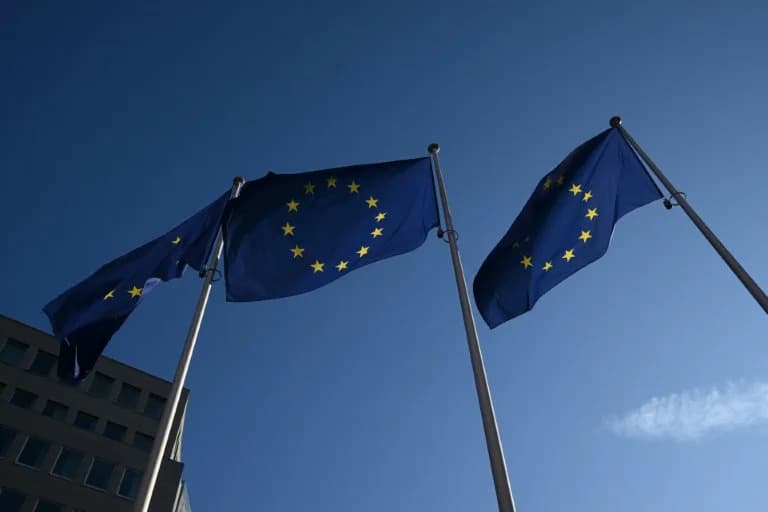
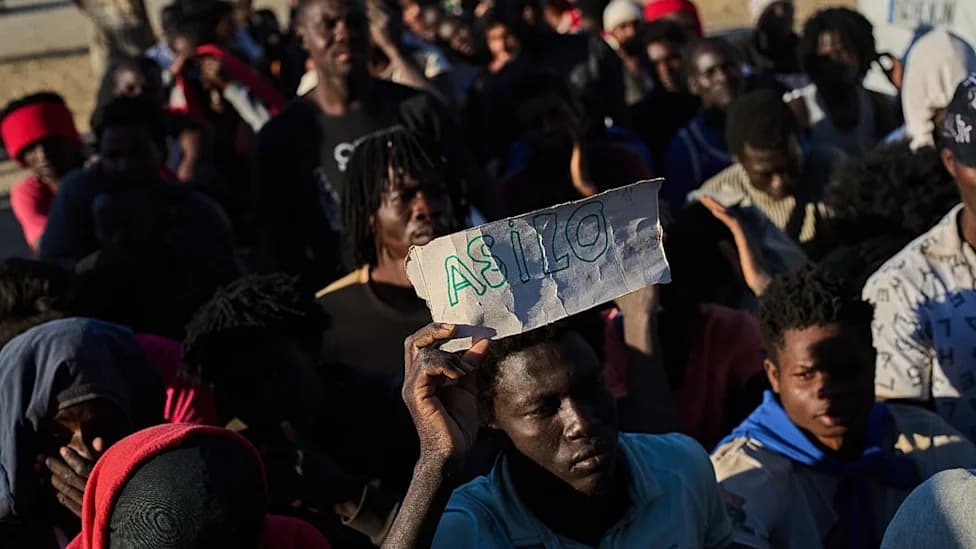
The EU Agency for Asylum (EUAA) reported a near 20% decline in asylum applications across EU countries plus Switzerland and Norway (EU+) in 2025, while warning that instability in Iran could provoke refugee movements of "unprecedented magnitude." The agency's report was finalised before the recent outbreak of hostilities involving the US, Israel and Iran.
Key Findings
The EU+ area received about 822,000 asylum applications in 2025, a 19% drop from 2024 following an 11% decline the year before. The fall was driven largely by fewer applications from Syrians, Bangladeshis and Turks, even as applications from Afghans rose sharply.
By nationality: Afghans lodged the most claims at 117,000 (up 33% year-on-year), followed by Venezuelans with 91,000 applications. Iranian nationals filed only about 8,000 claims in EU+ in 2025, ranking them 31st among applicant nationalities.
Iran: Risk of Large-Scale Displacement
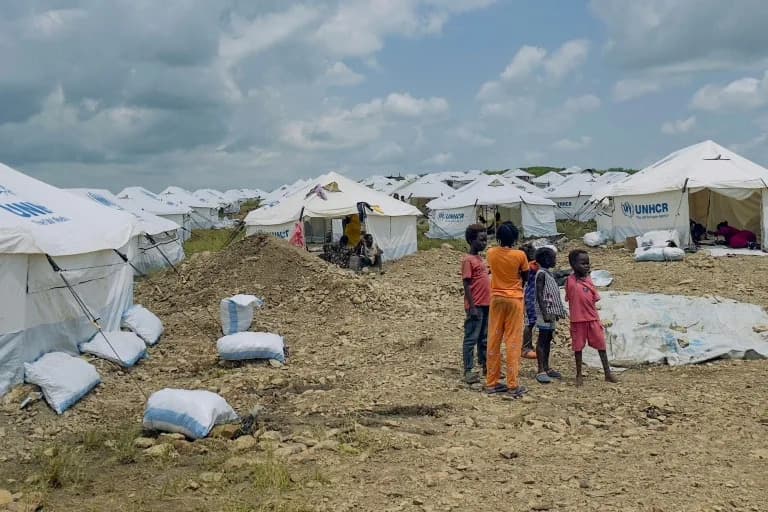
The EUAA cautioned that Iran — with a population of roughly 90 million — could become a "potential flashpoint". The report noted that even partial destabilisation could generate refugee movements comparable to the largest flows of recent decades. It emphasised, however, that scenarios such as the displacement of 10% of Iran's population are "highly speculative."
"With a population of approximately 90 million, even partial destabilisation could generate refugee movements of an unprecedented magnitude," the EUAA wrote.
The agency also highlighted Iran's existing role as a major host country: according to the UN refugee agency, Iran shelters about 2.5 million refugees — mainly Afghans. To date, the EUAA said, outward displacement from Iran has remained limited.
Policy Response and Caution
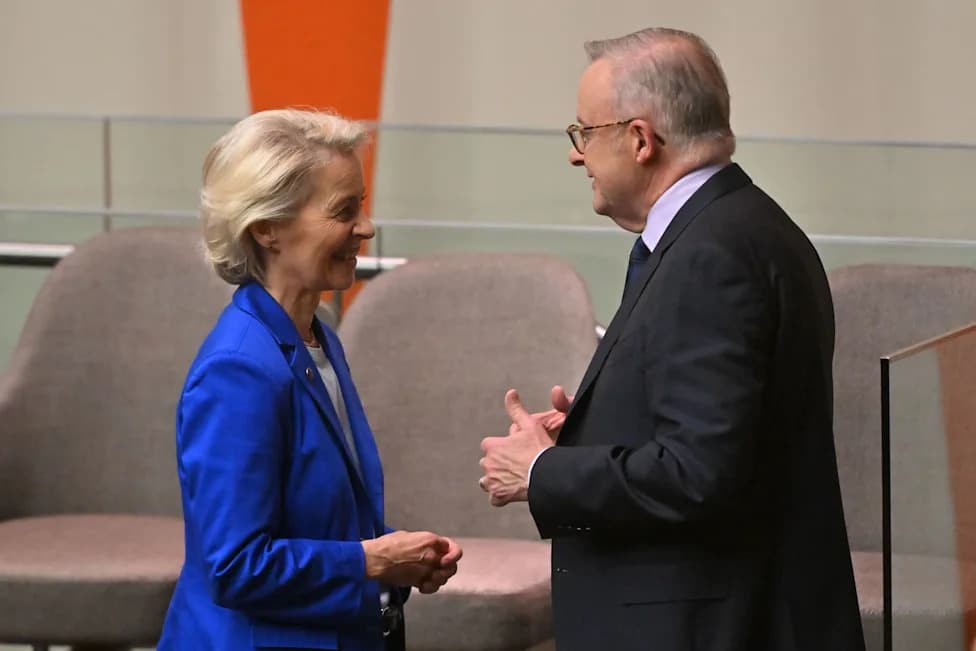
EU foreign ministers discussed the risk at an extraordinary meeting, and the issue is scheduled for debate among the EU's 27 interior ministers in Brussels. The European Commission said it is "enhancing preparedness through closer monitoring" and strengthening cooperation with relevant UN agencies and partner countries.
Asked for a fresh assessment as regional hostilities have spread, the EUAA said it was "not in a position to comment on any impact the ongoing hostilities in the Middle East may have," adding that "the situation remains very fluid" and that hypothetical projections would be irresponsible.
This report underscores a paradox in migration dynamics: overall applications to EU+ fell substantially in 2025, yet geopolitical volatility — especially centred on Iran — could rapidly reverse the trend and require swift policy responses and humanitarian coordination.