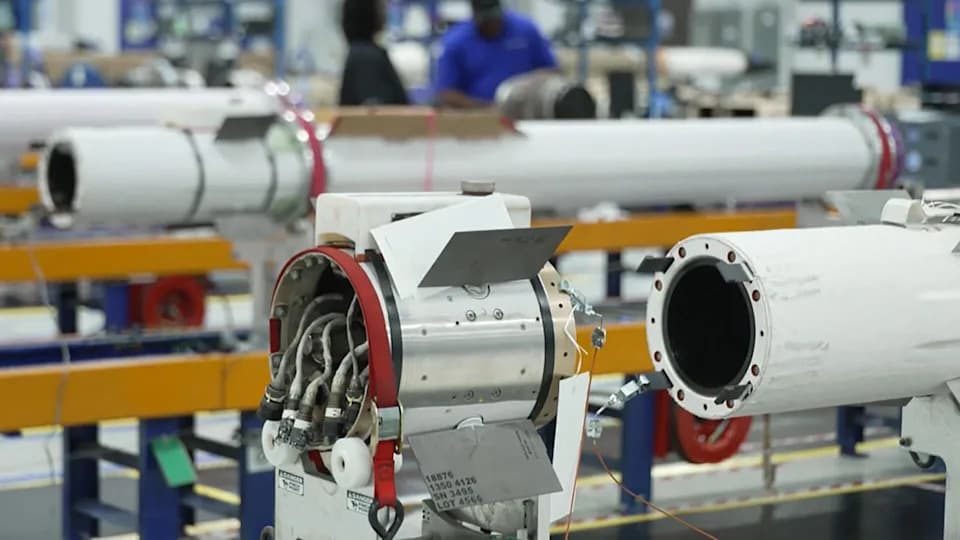
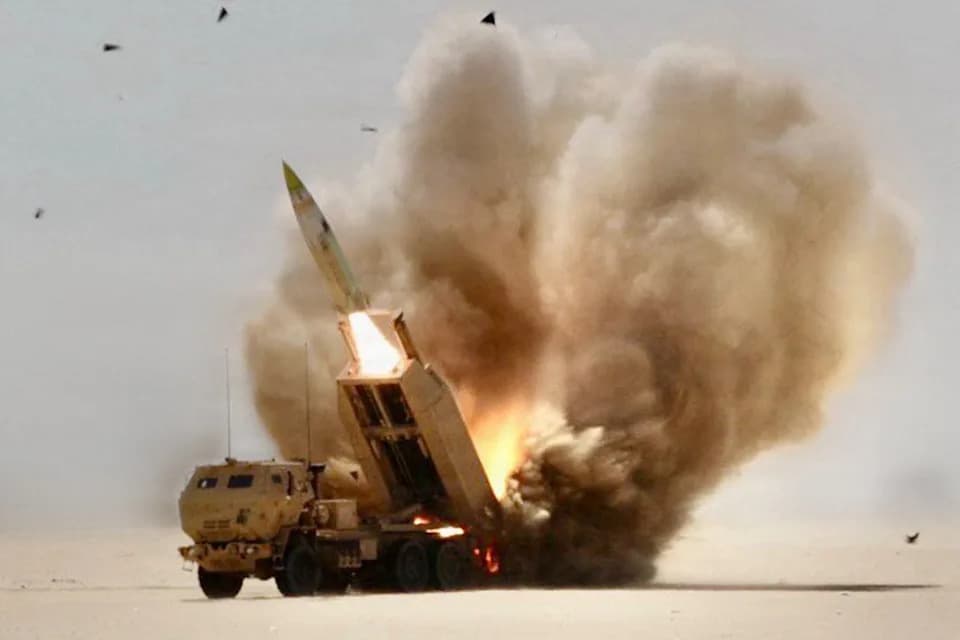
An extended U.S. campaign against Iran may be limited by dwindling munitions stocks. The Pentagon is urgently replenishing interceptors to counter missile and drone reprisals, but supplies are being used faster than they can be replaced. Combat with Iran’s proxies has reduced regional air‑defense inventories, and Israel’s involvement helps but also drains its reserves. U.S. leaders warned that weapons stockpiles could become a decisive constraint on operations.
U.S. Campaign Against Iran Threatened by Shrinking Munitions Stockpiles
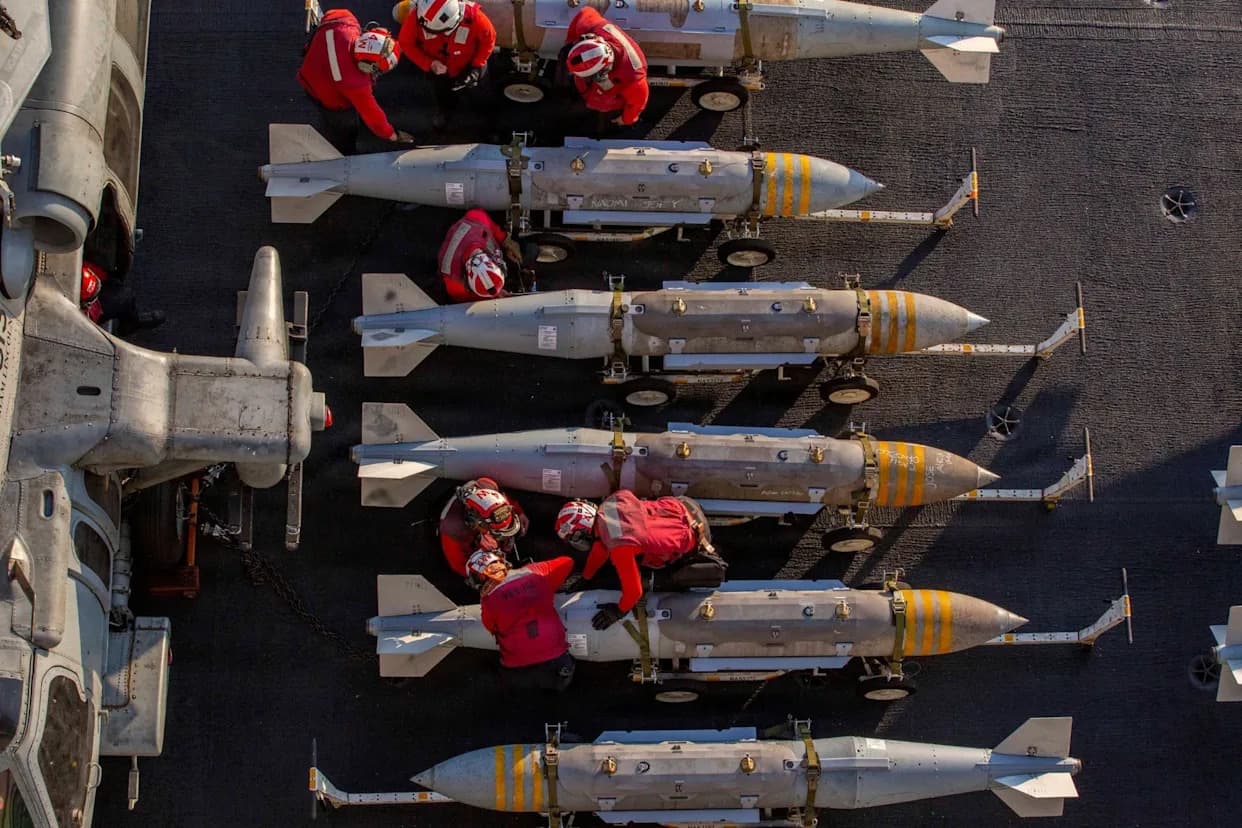
An extended U.S. military campaign targeting Iran could be constrained by dwindling munitions stocks, officials and analysts warn. The Pentagon is racing to replenish interceptor inventories needed to blunt missile and drone reprisals from Tehran, but replacement is lagging behind current consumption.
Rising Demand, Limited Supply
Fighting Iran’s proxy forces across the Middle East has already drawn down U.S. regional air-defense weapon supplies. Israel’s participation has helped shoulder some of the burden, but it is also rapidly depleting its own reserves, creating additional strain on allied capabilities.
As one analyst told The Wall Street Journal: "We're using them faster than we can replace them."
Strategic Implications
U.S. military leaders reportedly warned before the operation that any Iranian action could be more challenging than past interventions — citing munitions stockpiles as a potential limiting factor. If replenishment cannot keep pace with demand, planners may face difficult choices about force posture, rules of engagement, and the scale or duration of operations.
Replenishing interceptors and other air-defense munitions depends on production capacity, allied support, and logistics. The situation underscores how sustained or expanded conflict could rapidly exhaust inventories and complicate broader regional deterrence efforts.
Help us improve.