Analysts say Iran has avoided striking Turkey despite hitting US assets across the Middle East because attacking a NATO ally would be a high-cost strategic gamble. Key Turkish sites such as the Incirlik air base and the Kurecik early-warning radar raise the political and military stakes. Experts argue Iran values Turkey as a diplomatic channel and fears a symmetrical Turkish response or NATO escalation.
Analysts: Iran Avoids Striking Turkey — Attacking a NATO Ally Would Be Too Risky
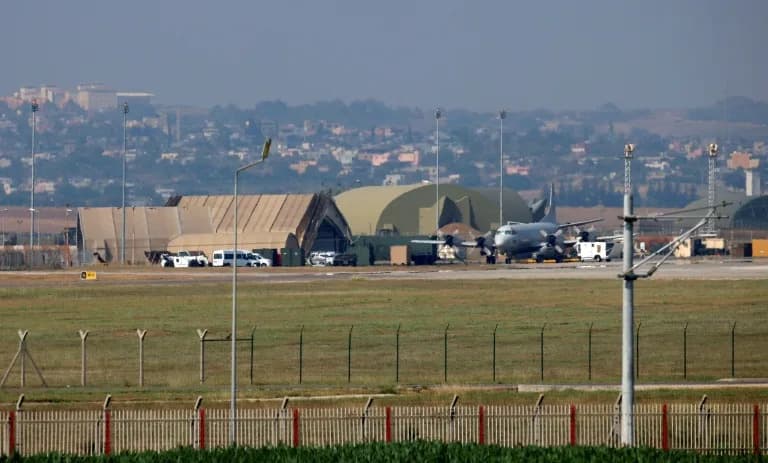
US troops have been hosted for decades at Incirlik air base near the southern Turkish city of Adana (STR)(STR/AFP/AFP)
Under sustained Israeli and US strikes, Iran has launched missiles and drones across the Middle East targeting US positions, but it has so far refrained from striking Turkey. Analysts say that decision reflects a calculated judgment that attacking a NATO member would carry unacceptable military, political and diplomatic risks.
Why Iran Has Held Back
Tehran had warned that any US action could invite reprisals against its regional assets — which in principle could include NATO-member Turkey, where US forces are stationed at multiple bases. Since the confrontation escalated, Iran has struck Israel and launched attacks across Iraq, Jordan and all six Gulf states in efforts to hit US facilities. Yet Turkey, despite hosting sensitive sites and an unspecified number of US personnel, has not been targeted.
Key Sensitive Sites
Two frequently cited facilities are Incirlik, a long-established NATO air base near Adana used by US forces, and Kurecik, a central Turkish site hosting a NATO early-warning radar capable of detecting missile launches. Although Ankara has repeatedly denied that Kurecik's radar data has been used to assist Israel, its presence has long unsettled Tehran.
'At this point, attacking a NATO country like Turkey would be an even riskier gamble for Iran,' said Gonul Tol of the Washington-based Middle East Institute.
Strategic and Diplomatic Risks
Analysts stress that strikes on Gulf states have functioned largely as calibrated 'messaging' operations. By contrast, a direct attack on Turkey — a NATO member — could trigger a symmetrical military response from Ankara and might invoke NATO's collective defence mechanisms, dramatically raising the strategic cost for Tehran.
'A direct military move against Turkey would risk triggering a symmetrical response from Ankara. This could push the conflict beyond manageable limits,' said Arif Keskin, an Iranian specialist at Ankara University. Serhan Afacan, director of the Centre for Iranian Studies (IRAM) in Ankara, added that Iran has neither the strategic incentive nor the intention to target Turkey: the political and military risks would be extremely high.
Diplomacy and De-Escalation
Beyond immediate military calculations, Tehran appears to value Turkey as a potential back-channel for negotiation and de-escalation. Analysts warn that targeting Ankara would cut off one of Iran's remaining crisis-management routes and risk pushing Turkey into an opposing camp — an outcome that would be strategically damaging for Iran given Turkey's geostrategic location.
Domestic Sensitivities in Turkey
The sensitivity of US-linked bases in Turkey has surfaced domestically: police detained three journalists after they filmed near Incirlik shortly after the Iranian strikes began. Ankara has also moved to dismiss online rumours that a US facility in Turkey was hit, stressing that there were no foreign-owned bases and no attack on Turkish territory.
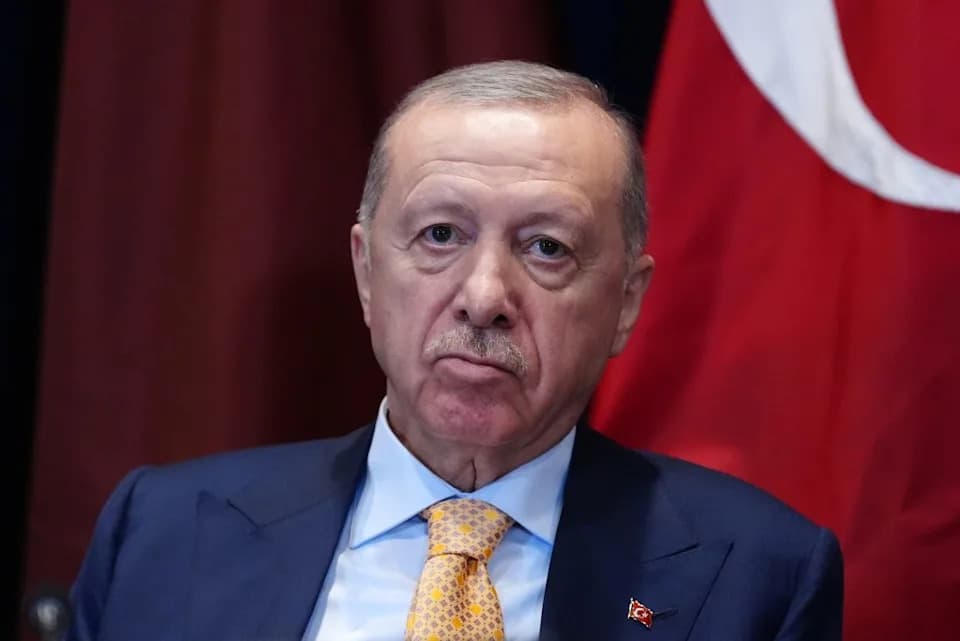
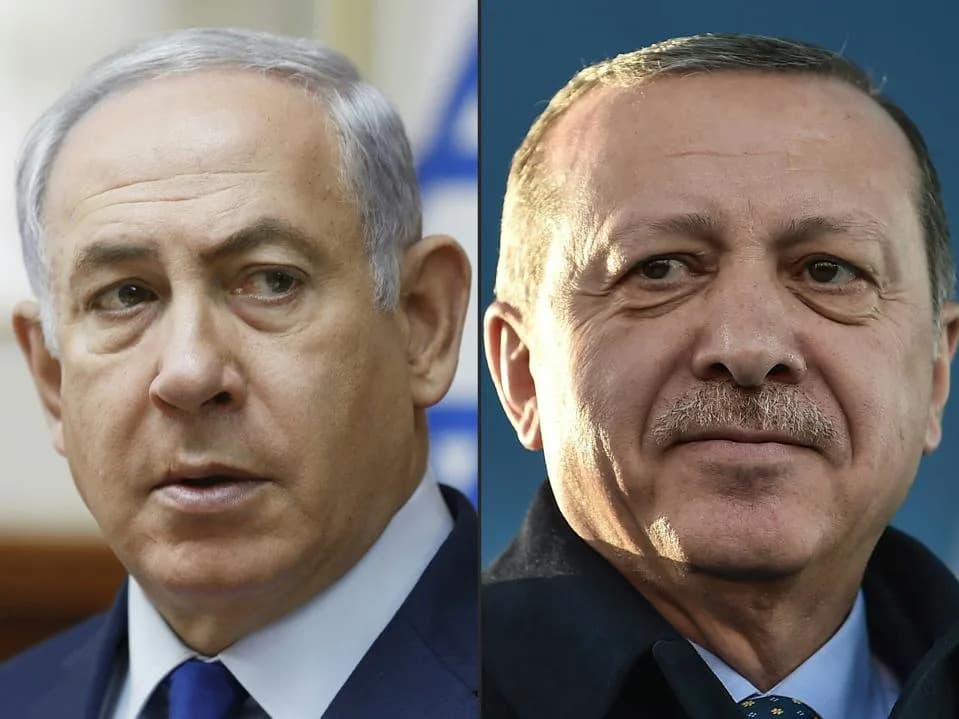
President Recep Tayyip Erdogan has described the situation as deeply disturbing, condemned the attacks, and said Turkey would intensify diplomatic efforts to bring parties back to negotiations. For now, analysts say Iran's restraint toward Turkey reflects a layered, pragmatic strategic calculation rather than goodwill.
Help us improve.