Fighting linked to Iran has disrupted oil and LNG shipments to Asia as tankers avoid the Strait of Hormuz, insurers cancel war-risk cover and freight and crude prices jump. Asia relies on the Middle East for about 60% of its oil, and roughly 20% of global oil transits the strait, exposing buyers to acute supply risk. Japan, India and other regional players are exploring contingency options — including alternative suppliers and tapping reserves — while analysts warn that prolonged disruption could force refinery cuts and drawdowns of inventories.
Iran Conflict Disrupts Asian Oil and LNG Shipments, Driving Up Prices and Insurance Costs
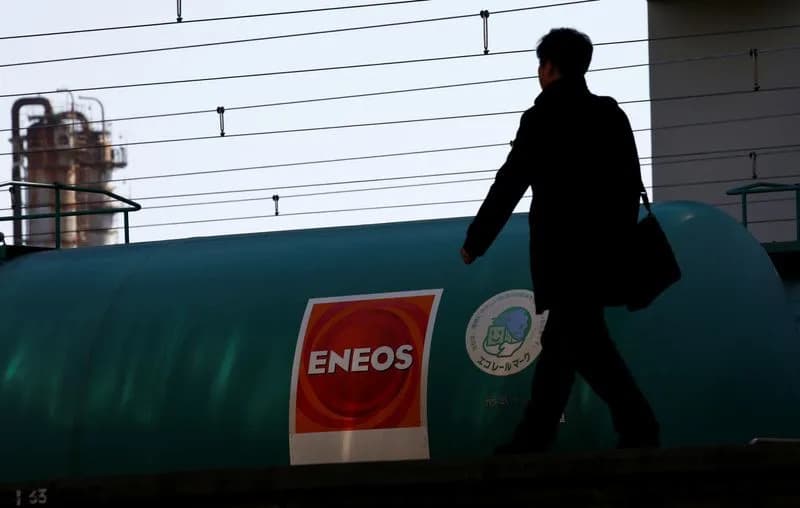
FILE PHOTO: JX Nippon Oil & Energy Corp's Eneos brand logo on a tanker lorry in a train at a station nearby its refinery in Yokohama, Japan February 7, 2017. REUTERS/Kim Kyung-Hoon/File Photo
The widening conflict linked to Iran has disrupted crude oil and liquefied natural gas (LNG) shipments to several Asian countries as tankers cluster in the Persian Gulf and shippers avoid the Strait of Hormuz, industry sources and analysts said.
Shipping Bottlenecks, Rising Costs
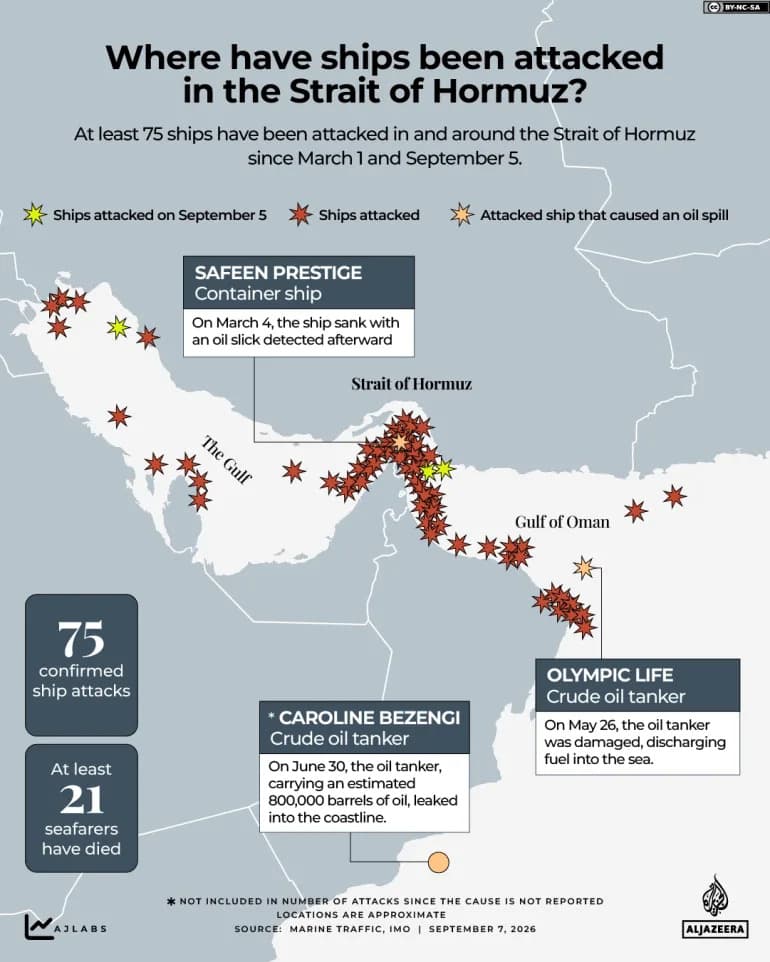
Attacks over the weekend damaged three tankers and killed one seafarer, prompting about 200 vessels to anchor near the Strait of Hormuz to avoid transit. Insurers have cancelled war-risk cover for some voyages, and market participants expect tanker freight rates and insurance premiums to rise sharply as operators steer clear of the area.
"Iran has not officially shut the Strait of Hormuz but risk aversion from shippers is a real phenomenon. Transit volumes have already declined with vessels parking outside the Strait," Citi analysts said.
Immediate Market Impact
Global oil prices rose about 9% on Monday after an earlier spike of as much as 13%, reflecting near-term supply fears. Asia — the world's largest oil-consuming region — sources roughly 60% of its oil from Middle Eastern producers, and about 20% of global oil flows transit the Strait of Hormuz, making the region particularly vulnerable to disruptions.
Responses From Buyers And Producers
Japan reported some tankers bound for the country are waiting in the Gulf to avoid the strait. Trading house Itochu said shipments of crude and petroleum products from the Gulf are being affected and it will source supplies outside the Middle East where possible. Eneos, Japan’s largest refiner, is monitoring the situation and assessing procurement impacts.
Indonesia’s state-owned Pertamina has activated mitigation measures and is optimising refinery operations to protect fuel and LPG supplies. The International Energy Agency requires members to hold oil stocks equivalent to at least 90 days of net imports; Japan said it has no immediate plans to release strategic reserves.
India, LNG Markets And Contingency Options
Some Indian refiners reported they were unable to secure ships to load crude. Indian officials and refiners met to consider energy-security options; sources said refiners may turn to Russian crude if the disruption continues beyond 10–15 days and New Delhi approves. Alternative routes and transits are costly and vessel availability is constrained because many operators are avoiding the area.
Analysts warned that an interruption to LNG flows from Qatar, Oman and the UAE would hit South Asian buyers — particularly Pakistan, India and Bangladesh — hardest. Those buyers would likely face a choice between attracting cargos from other suppliers at a premium or curtailing gas demand through fuel switching or reductions.
What Could Happen Next
If tensions persist, governments and companies are likely to draw on inventories, cut refinery runs, accelerate contingency planning and negotiate alternate shipping and supply arrangements. The combination of higher freight, constrained ship availability and rising insurance costs could force buyers to seek non-Middle East supplies or accept sharply higher import costs.
Reporting from Tokyo, New Delhi, Singapore and Jakarta. Writing and editing compiled from regional industry sources and public statements.
Help us improve.