The Security Council session turned tense when Iran’s envoy Saeid Iravani told U.S. representative Mike Waltz to "be polite," prompting Waltz to accuse Tehran of killing "tens of thousands" and imprisoning many more. The clash occurred during an emergency briefing as the United States, Israel and Iran confronted each other and diplomats debated the legality of recent military actions. Waltz defended U.S. measures as coordinated with Israel and justified under Article 51 of the U.N. Charter. The incident follows criticism of Iran’s election to a U.N. committee and a controversial message from the U.N. secretary-general.
Waltz Rebukes Iran’s UN Envoy in Tense Security Council Exchange
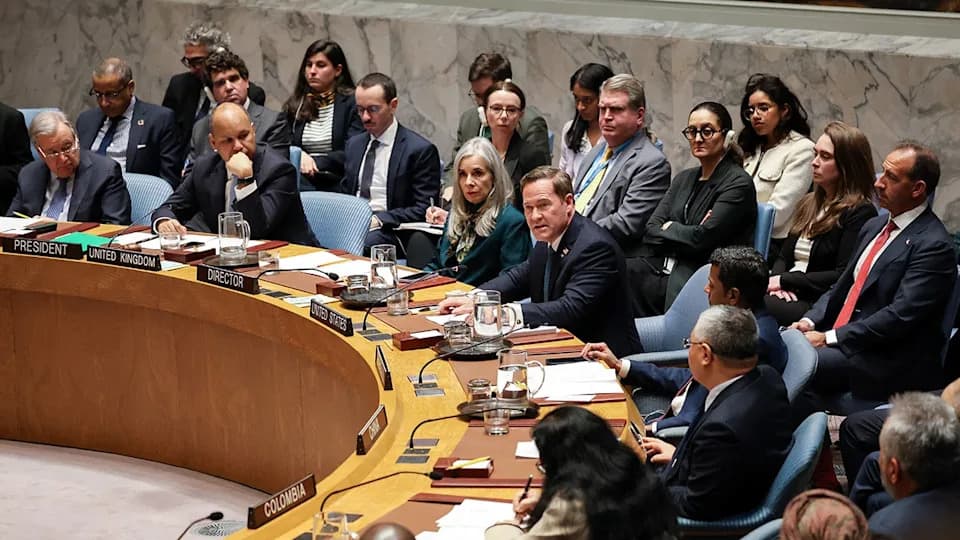
Ambassador Mike Waltz speaks during a Security Council meeting after the U.S. and Israel launched strikes on Iran, at the United Nations in New York City, Feb. 28, 2026.(Reuters)
U.S. Ambassador to the United Nations Mike Waltz and Iran’s UN envoy Saeid Iravani clashed during an emergency U.N. Security Council briefing as tensions between the United States, Israel and Iran escalated. The confrontation highlighted sharply different narratives over recent military actions and their legality under international law.
Heated Exchange
During the session, Iravani admonished his American counterpart, saying:
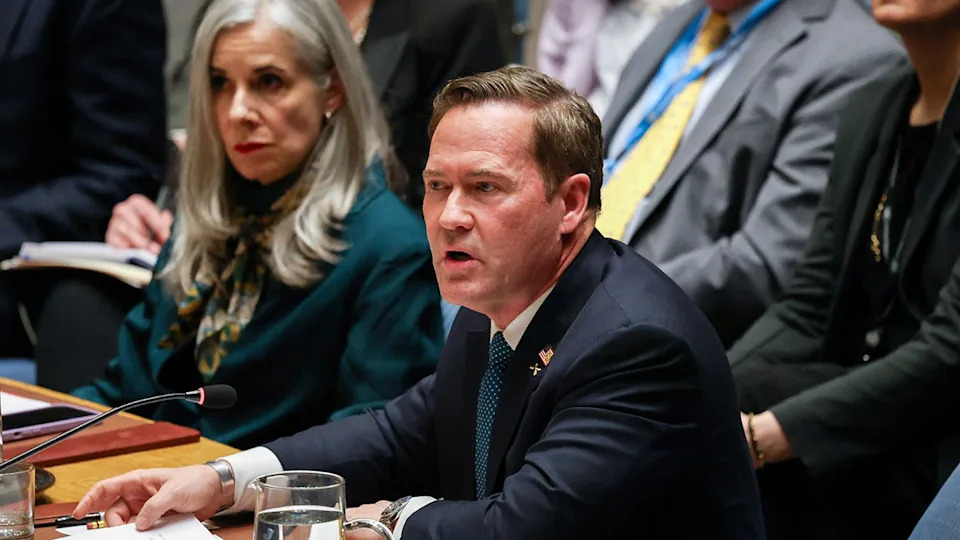
U.S. Ambassador Mike Waltz reiterated that Iran supports armed proxies across the region and has destabilized the Middle East for decades.
"I have one word only: I advise the representative of the United States to be polite."
Waltz replied forcefully, accusing Tehran of large-scale repression:
"Frankly, I’m not going to dignify this with another response, especially as this representative sits here in this body representing a regime that has killed tens of thousands of its own people and imprisoned many more simply for wanting freedom from your tyranny."
Legal and Regional Context
Waltz rejected Iran’s characterization that U.S. actions violated international law, saying the United States acted "in close coordination with the Government of Israel" and "in line with Article 51 of the Charter of the United Nations," which recognizes the inherent right of self-defense. He reiterated longstanding U.S. allegations that Iran supports armed proxies and has contributed to regional instability for decades.
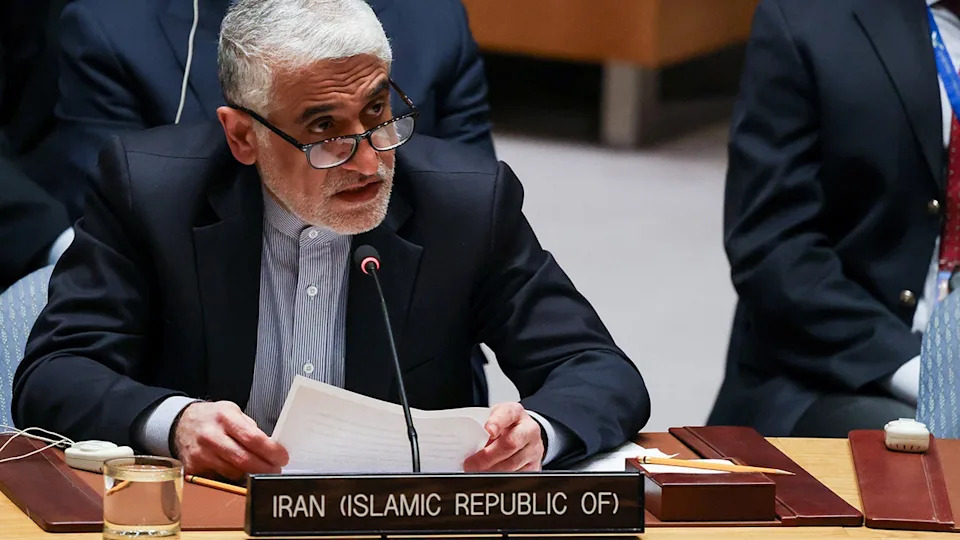
Iran's Ambassador to the United Nations, Amir-Saeid Iravani speaks at a Security Council meeting in New York City on Feb. 28, 2026.
Broader U.N. Controversies
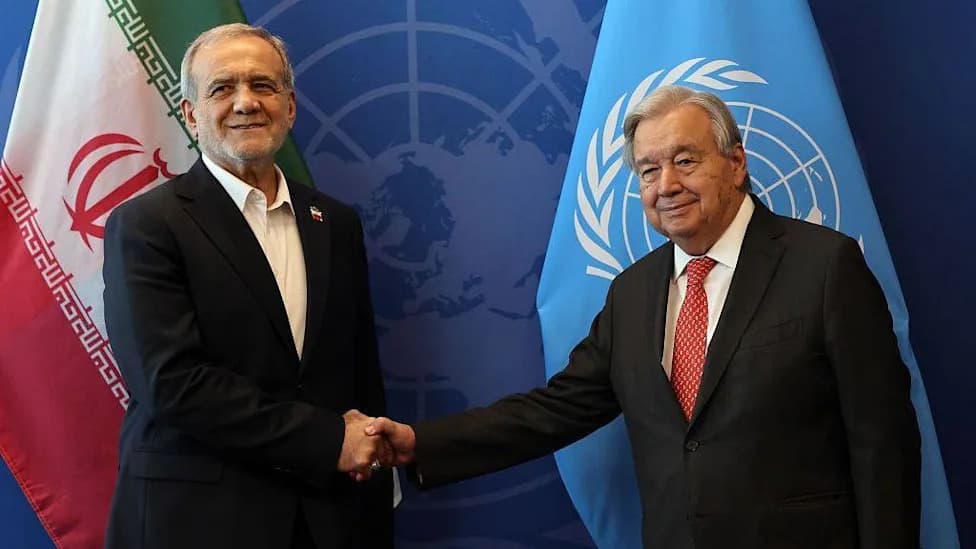
The exchange came amid wider debate over Iran’s role in U.N. bodies. Last month, Iran was elected vice chair of the U.N. Charter Committee, prompting criticism from Israeli and Western officials. Separately, the U.N. Secretary-General António Guterres faced backlash after sending a congratulatory message marking the anniversary of Iran’s 1979 Islamic Revolution, a gesture critics described as "abjectly tone-deaf" given Tehran’s human rights record.
What Comes Next
The United States is set to assume the rotating presidency of the Security Council on March 1, giving Washington procedural control over the council’s agenda for that month as diplomatic tensions remain high.
Help us improve.