The coroner's inquest into Tammy Shipley's December 2022 death at Silverwater Correctional Complex has resumed after a year‑long pause. Shipley, an Aboriginal mother of five with a history of mental illness, died from water intoxication after consuming at least 67 cups of water in about 12 hours; her autopsy cited severe hyponatremia compounded by schizoaffective disorder and its treatment. Evidence included CCTV footage of prolonged drinking and a roughly 90‑minute delay before guards noticed her collapse. The inquiry is probing police communications with corrections and whether staff responses met required standards.
Family Speaks Out As Inquest Resumes Into Death Of Aboriginal Mother Who Drank Dozens Of Cups In Custody
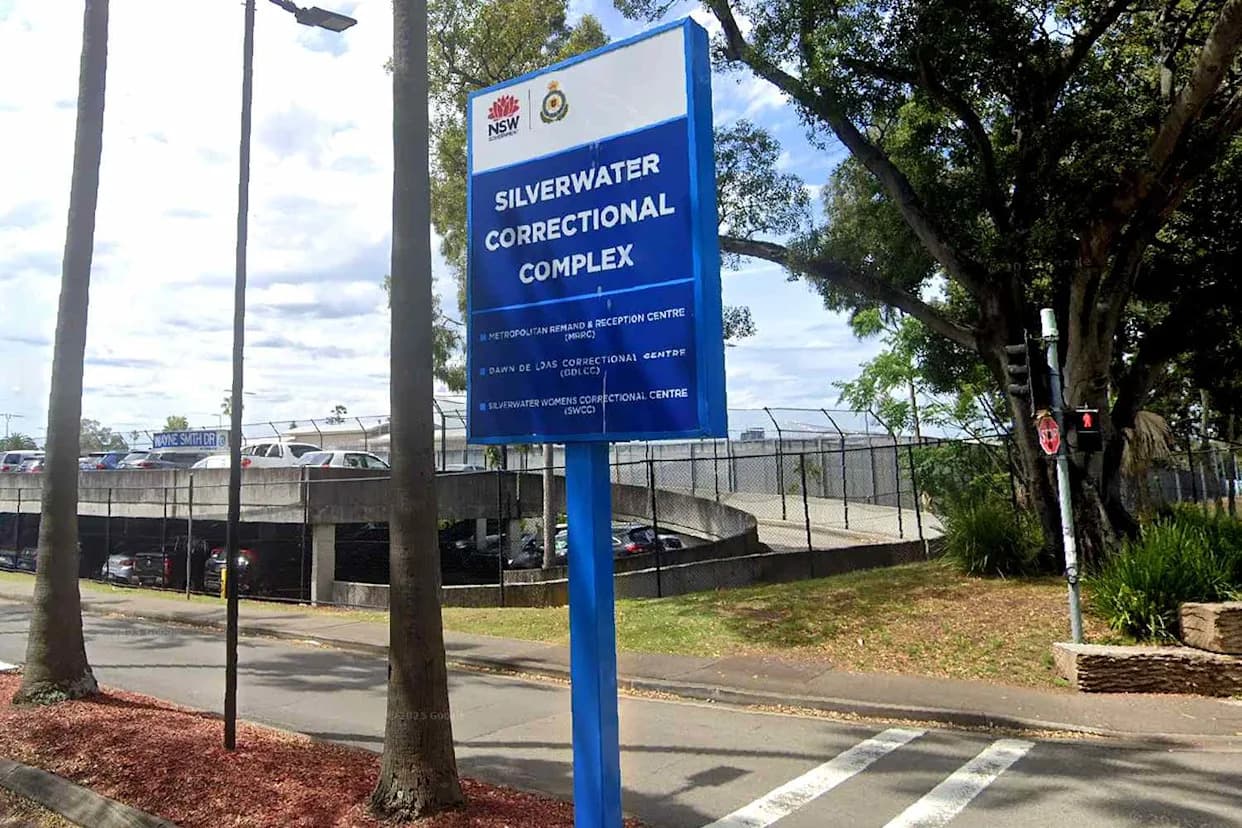
Silverwater Correctional Complexgoogle Maps
An inquest has resumed into the December 2022 death of Tammy Shipley, an Aboriginal mother of five who died while held at Silverwater Correctional Complex outside Sydney. Shipley, who was arrested on shoplifting charges, was found to have died from water intoxication after consuming at least 67 cups of water over roughly 12 hours, according to evidence presented at the coroner's inquiry.
Shipley had a documented history of mental illness, including schizoaffective disorder and previous suicide attempts. The inquest heard that police did not notify corrective services of her mental health background despite previous contacts related to those concerns. Her autopsy concluded she died from severe hyponatremia (low blood sodium) caused by excessive fluid intake, with schizoaffective disorder and its treatment contributing to the events that led to her death.
The inquest pause and legal challenge
Proceedings resumed on Feb. 23 after being paused for more than a year. The delay followed a request by New South Wales police for the Supreme Court to limit the inquest's scope so it would exclude interactions Shipley had with officers prior to her detention. That request was denied by a judge in September, allowing the coroner's inquiry to continue.
Key evidence presented
Coroner's counsel Peggy Dwyer described closed‑circuit footage showing Shipley drinking from a red cup at the cell tap from about 12:33 a.m. until shortly before midday on the day she died. The hearing heard that Shipley collapsed, began vomiting and suffered spasms shortly after the prolonged drinking episode, but corrections staff did not identify her deteriorating condition for approximately 90 minutes. Counsel said an officer walked past cell five at about 12:27 p.m. while the cell could not be seen from outside; if someone had looked into the cell they would have seen Shipley seizing on the bed.
"My mum was my safe place, my comfort and someone I confided in," one daughter said in a written statement read in court. Another daughter added: "In losing her mother, we lost a best friend."
The resumed inquest is examining the circumstances of Shipley's care in custody, communication between police and corrective services about her mental health, and whether staff responses met expected standards. Family members and advocates have called for clarity and accountability over how mental‑health information was handled and how detainees at risk are monitored in custody.
Help us improve.