Summary: The discovery of human remains at Warnimont Park triggered a murder investigation that hinged on cellphone location history and hours of security footage. Life360 data and surveillance helped place 19-year-old Sade Robinson with 33-year-old Maxwell Anderson on the night she disappeared; deleted photos, DNA on a jacket and bus footage identifying Anderson contributed to his conviction. A jury found Anderson guilty of murder, mutilation and arson; he was sentenced to life without extended supervision. Some remains, including Sade’s head, remain missing while her family pursues advocacy in her memory.
Life360 Trails and Security Video: How Investigators Solved Sade Robinson’s Murder
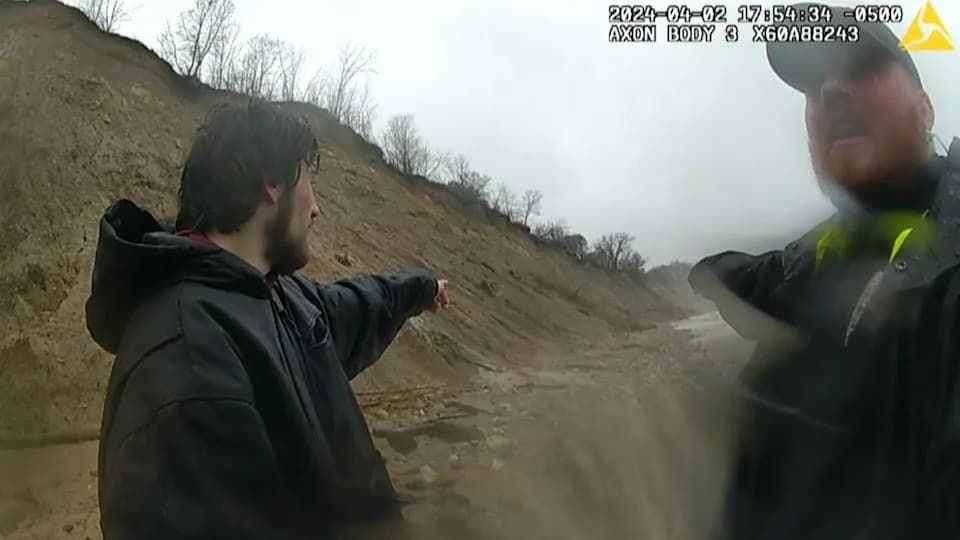
A man, left, points out where he saw a human leg while walking in Warnimont Park on April 2, 2024. / Credit: CBS 58/Trial Pool
Warnimont Park, a rocky, tree-lined stretch of Lake Michigan shoreline in Wisconsin, became the center of a homicide probe after human remains were discovered there early on April 2, 2024. The investigation that followed combined cellphone location history, hours of security camera footage and traditional detective work to identify a victim, trace her last movements and bring a suspect to trial.
How the Case Began
Detectives from the Milwaukee County Sheriff’s Office secured the scene after officers on body-worn cameras pointed out human remains on the beach. Initial evidence was sparse: no weapon at the scene and, at first, no confirmed identity. Within hours investigators began to suspect the remains belonged to 19-year-old college student Sade Robinson, who had not been seen since the previous evening after she went out on a date.
Forensic Clues From A Burned Car
Sade’s vehicle was located behind an abandoned building about three miles from her apartment; it had been set on fire. Fire investigators detected a petroleum odor consistent with arson. Although the blaze destroyed most interior traces, detectives recovered key items: Sade’s purse tucked under the driver’s seat and clothing in the trunk—the jeans appeared to have been removed by another person and were inside out, with underwear still attached—indicating the incident was neither a simple theft nor an accident.
Investigators also noted the driver’s seat position. By comparing to an identical vehicle and having people of differing heights sit in the seat, detectives determined the last driver was likely considerably taller than Sade—about six feet or taller—providing an important physical clue.
Cellphone Location History: A Critical Lead
Sade’s family provided access to her Life360 history, which stores GPS-based location data over time. That data helped investigators reconstruct her final hours: she left work on the evening of April 1, met a man identified as 33-year-old Maxwell Anderson for a date, visited a bar and later arrived at Anderson’s home around 9:30 p.m. According to Life360 and surveillance footage, Sade’s phone and car were recorded moving through the city later that night; recordings place the vehicle at Warnimont Park in the early morning hours, and the phone’s battery subsequently went dead. Nearby security cameras later showed a grainy figure carrying a large backpack toward the lake.
Building A Case
Investigators pursued multiple lines of inquiry. They obtained and executed a search warrant at Anderson’s home on April 4; although the house showed no obvious blood evidence or signs of a cleanup, officers found dozens of knives. Anderson was detained, asked for an attorney and not immediately interrogated. Detectives continued to seek direct proof linking him to the crime, while also following alternate leads and scouring missing-person databases until DNA testing confirmed the remains belonged to Sade.
Key Evidence Presented At Trial
- Surveillance footage from several locations showing Sade and Anderson together that night, the car traveling through the city and a man leaving the scene of Sade’s burning vehicle.
- Video that captured a clear bus image of a man identified as Maxwell Anderson carrying a large backpack; some clothing and the backpack seen in that footage were never recovered.
- A gray jacket found in a neighbor’s trash tested positive for Sade’s DNA on the hood and zipper pull.
- Deleted photos recovered from Anderson’s phone depicting Sade in a prone position at his home—images that detectives said strongly influenced jurors.
- Forensic confirmation that multiple recovered remains matched Sade; however, some parts, including her head, have not been recovered.
Defense, Trial, And Verdict
The defense emphasized that much of the case was circumstantial: there was no single witness to the killing, no confirmed murder weapon tied by testing to Anderson, and the exact cause of death was not established for all recovered remains. Prosecutors countered by presenting a timeline, surveillance video and the physical evidence that tied Anderson to the scene and the victim.
In May 2025 a jury found Maxwell Anderson guilty of first-degree intentional homicide, mutilation of a corpse and arson. He was sentenced to life in prison without the possibility of extended supervision. Anderson has announced plans to appeal.
Aftermath And Community Response
Sade Robinson’s family has continued advocacy work in her memory. Her mother launched a program to support crime victims and joined efforts to create a task force addressing elevated levels of violence against Black women and girls. A mural and memorial bench near Sade’s workplace honor her life; her sister accepted Sade’s associate degree at graduation in a visible tribute. Detectives continue to hope the remaining missing evidence will be recovered so the family can have complete answers.
Note: This account is based on court testimony, investigative findings and reporting from the case. Some forensic details—including the location of all remains and every piece of physical evidence—remain unresolved.
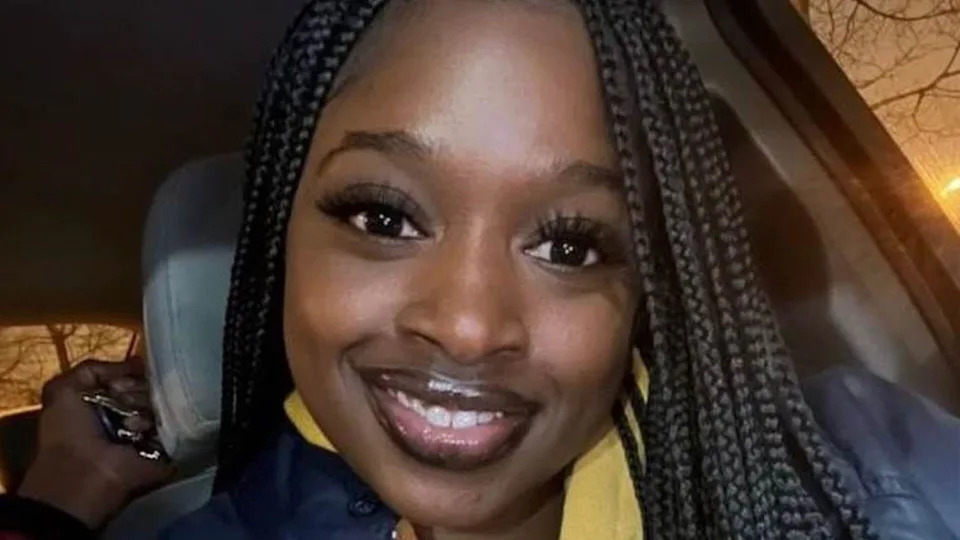
Sade Robinson / Credit: Sheena Scarbrough
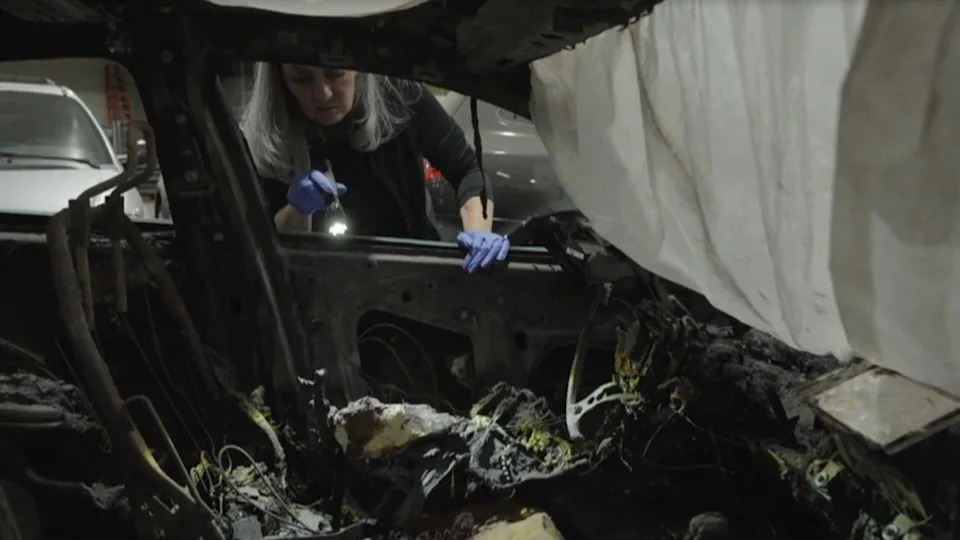
Detective Jo Donner of the Milwaukee County Sheriff's Office looks at the burned remains of Sade Robinson's car. / Credit: CBS News
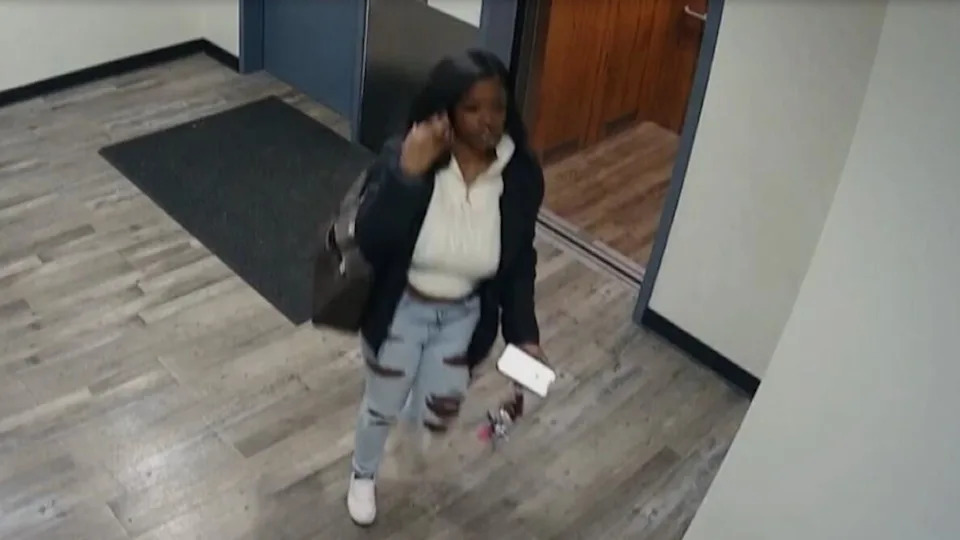
An image from security camera footage of Sade Robinson leaving her apartment on the morning of April 1, 2024. She is wearing the clothes investigators later found in the trunk of her car. / Credit: CBS 58/Trial pool

Sade Robinson, 19, was set to graduate from a local technical college with an associate's degree in criminal justice. / Credit: Sade Robinson's Facebook
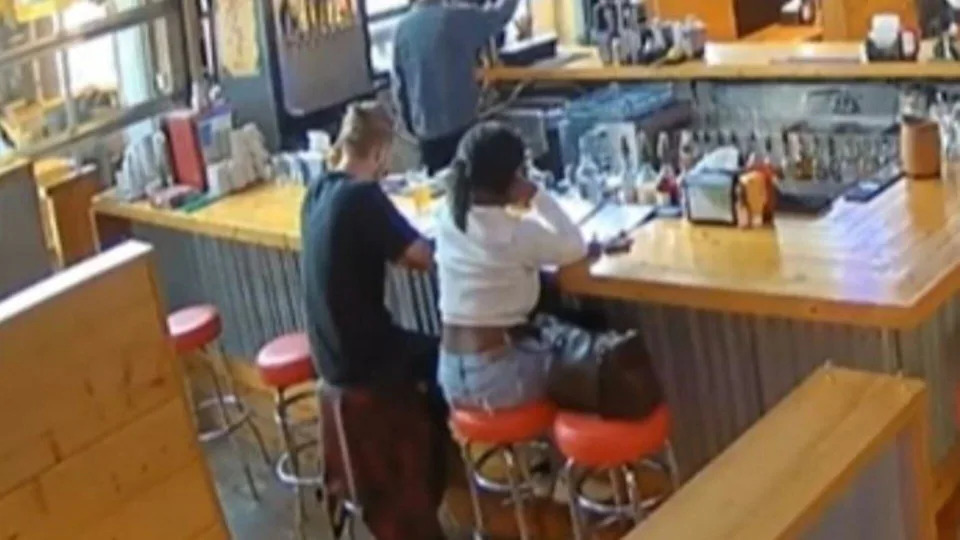
Security video shows Maxwell Anderson and Sade Robinson sitting at the bar at The Twisted Fisherman. / Credit: CBS 58/Trial Pool
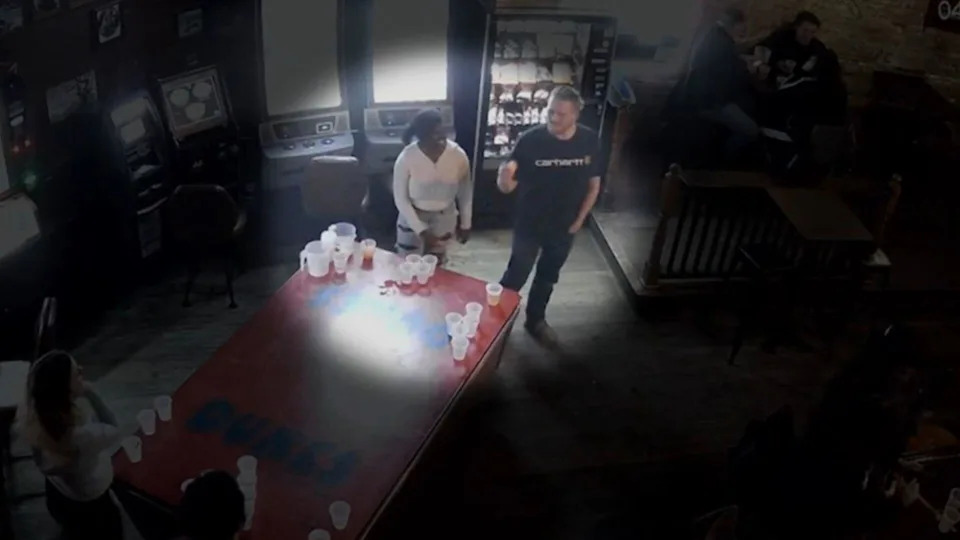
Security video shows a smiling Sade Robinson playing beer pong alongside Maxwell Anderson at a second bar on their date. / Credit: Milwaukee Police Department

Grainy footage of a person dragging something to the lake at Warnimont Park at 2:53 a.m. on April 2, 2024. / Credit: CBS 58/Trial pool
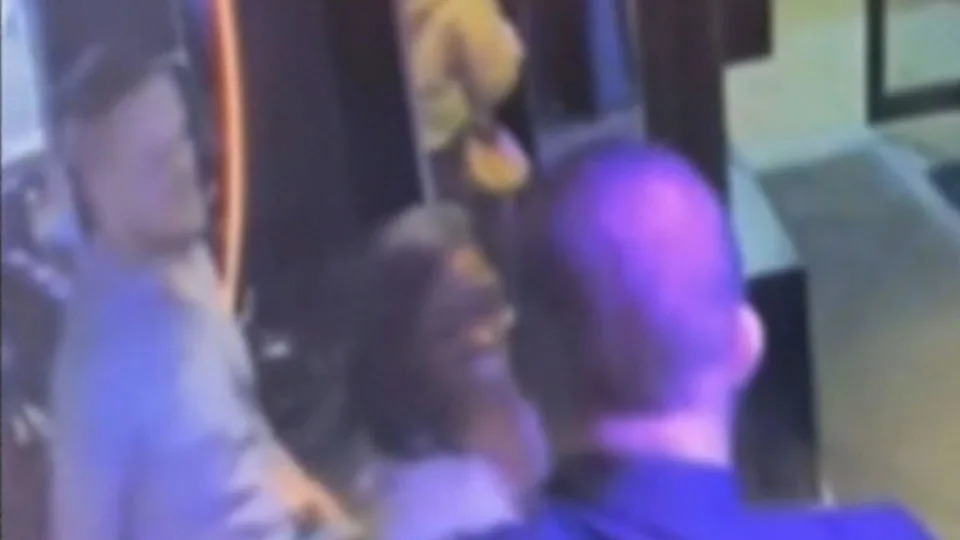
Security video shows Maxwell Anderson, left, with Sade Robinson as he walks her to her car after meeting for the first time. / Credit: CBS 58/Trial pool
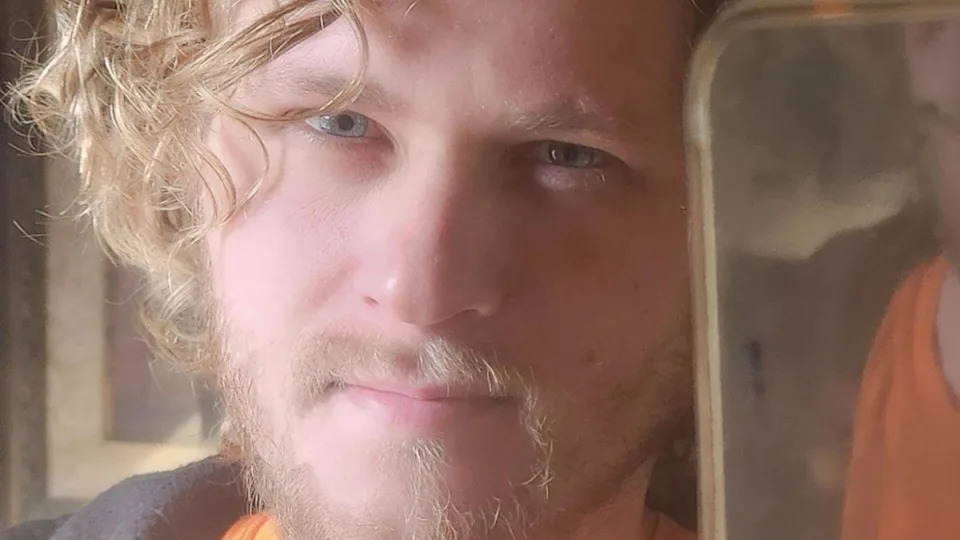
Maxwell Anderson / Credit: Maxwell Anderson's Facebook
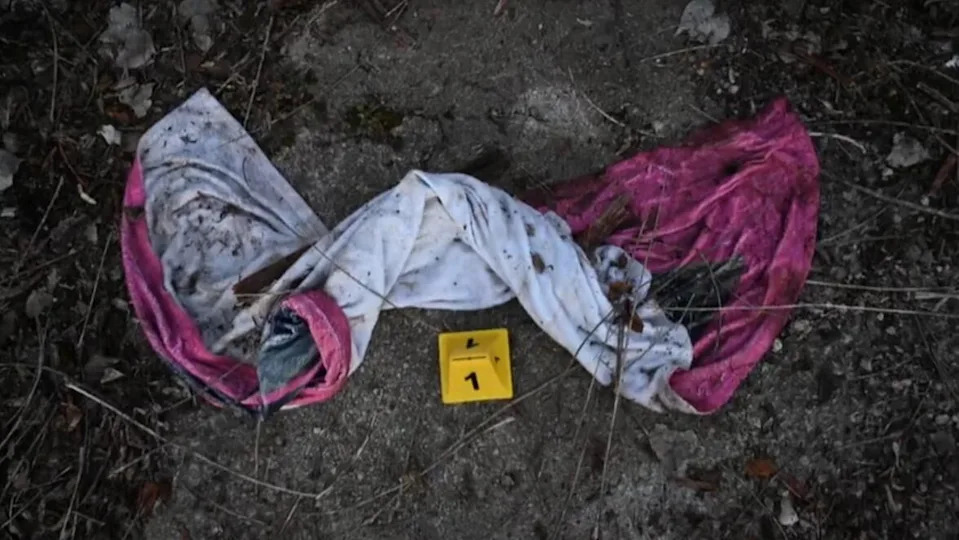
A blanket belonging to Sade Robinson was found during a search of a wooded area by one of Sade's friends. It was an area that investigators had already searched. / Credit: Milwaukee Police Department

Investigators say security footage from outside Maxwell Anderson's home shows moving shadows in the second-floor window and that two people were seen walking into the home. Det. Donner says that hours later, only one person can be seen leaving. / Credit: Milwaukee Police Department
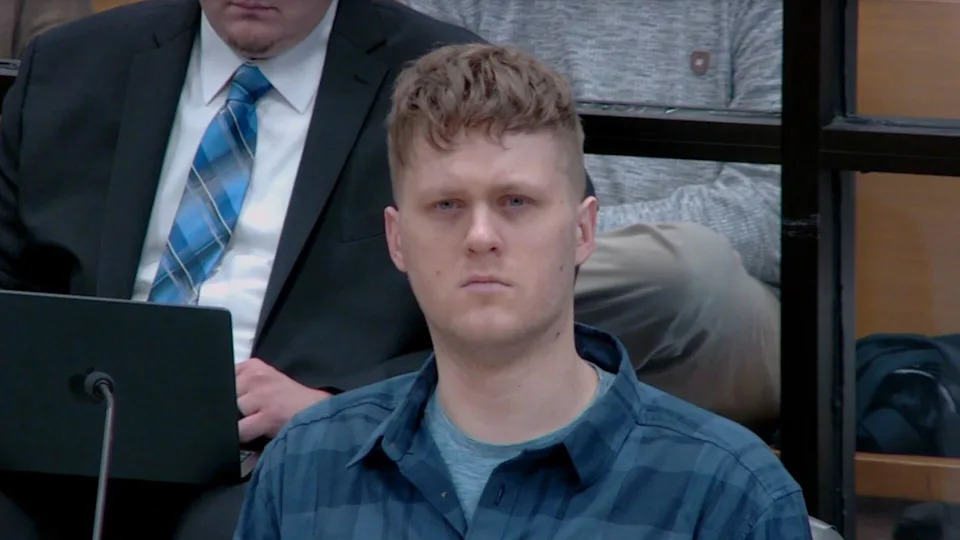
Maxwell Anderson during his trial for the murder of Sade Robinson. / Credit: CBS 58/Trial pool
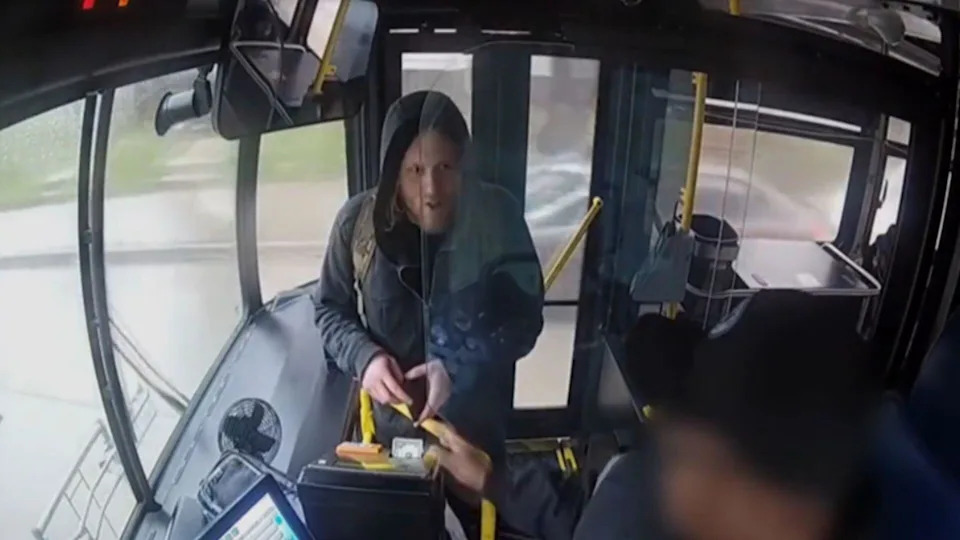
Maxwell Anderson, wearing a backpack, is seen on a city bus soon after security video captured him leaving the scene of Sade Robinson's burning car. / Credit: Milwaukee Police Department
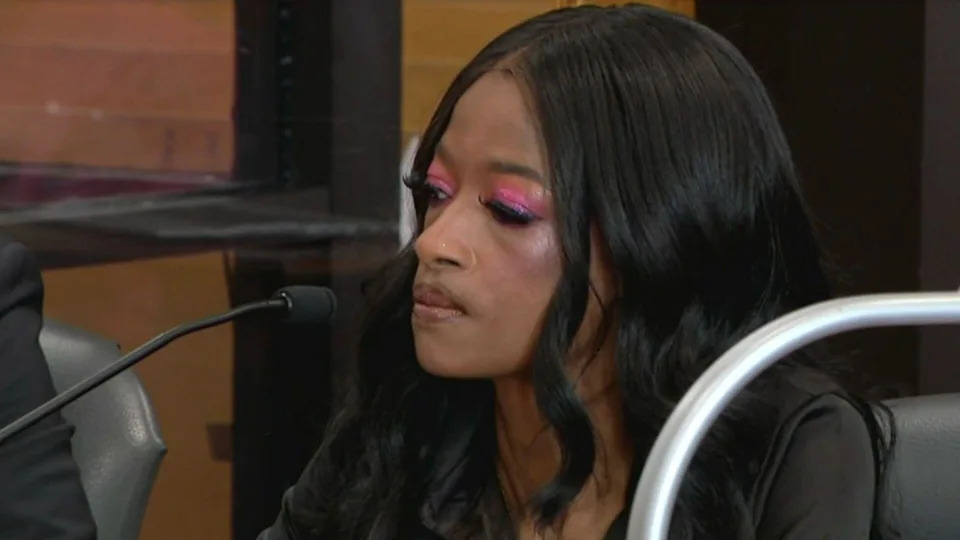
Sheena Scarbrough confronts her daughter's killer at his sentencing. / Credit: CBS 58/Trial pool
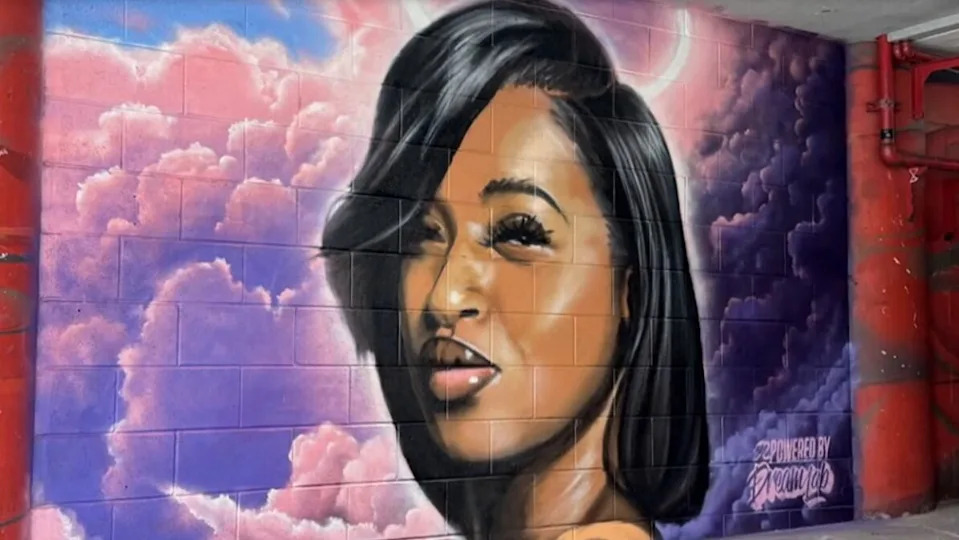
Sade Robinson is memorialized with a mural outside of the restaurant where she worked. / Credit: Artist Ruben Alcantar

Sade Robinson, left, and her younger sister, Adrianna Reams. / Credit: Adrianna Reams
Help us improve.