Murder in Glitterball City revisits the 2010 killing of James "Jamie" Carroll and the bitter legal aftermath that split lovers Jeffrey Mundt and Joseph Banis. Both men blamed the other for Carroll’s death after a night of drug use and sex; they then helped conceal the body in their home’s basement. Banis was convicted on multiple charges and given a life sentence; Mundt was acquitted of murder but convicted of tampering with evidence and served time before moving to a halfway house in 2014. The documentary examines the conflicting testimony, the discovery of counterfeit money in a later trip to Chicago, and ongoing claims of innocence.
Where Are Jeffrey Mundt and Joseph Banis Now? The Aftermath of the Jamie Carroll Murder and HBO’s 'Murder in Glitterball City'
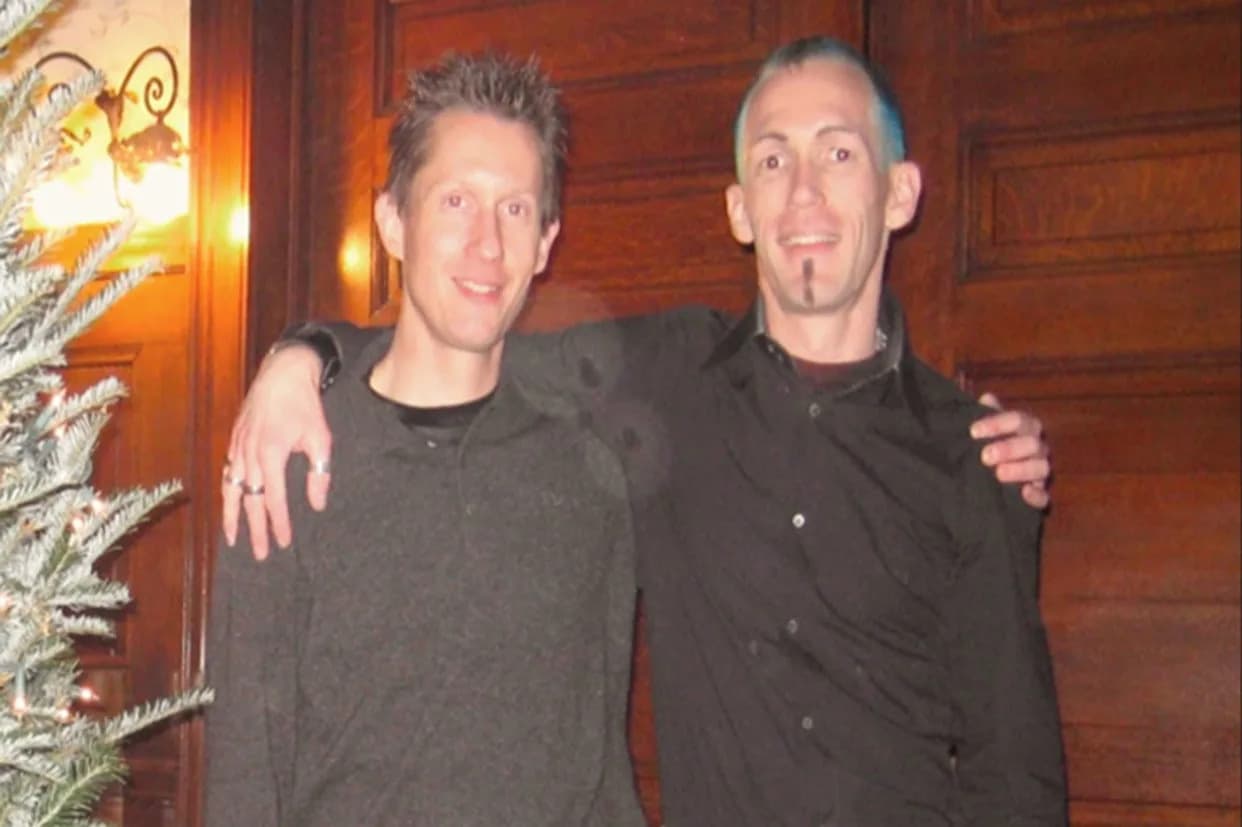
Joey Banis and Jeffrey Mundt.World of Wonder Productions/HBO
The disputed killing of James "Jamie" Carroll — a hairstylist and drag performer known onstage as Ronica Reed — and the sensational trials that followed are the subject of the HBO docuseries Murder in Glitterball City, based on David Domine’s book A Dark Room in Glitter Ball City. The case centers on lovers Jeffrey Mundt and Joseph Banis, who each accused the other of killing Carroll after a night of drug use and sex in the Louisville, Kentucky house they shared.
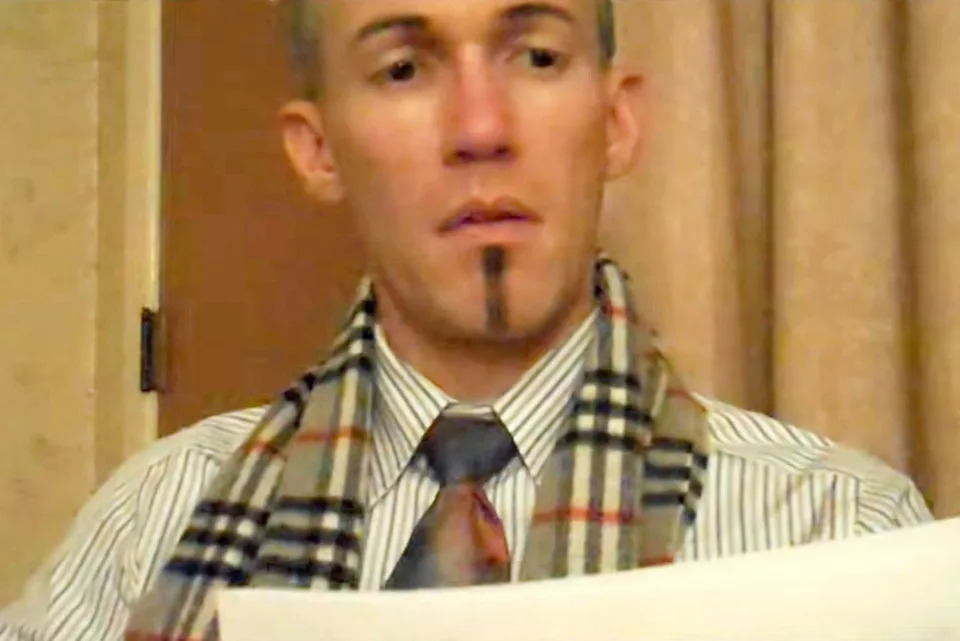
Jeffrey Mundt in 'Murder in Glitterball City'.HBO
What Happened
According to reporting and court records, Carroll joined Mundt and Banis in December 2009. The three allegedly used methamphetamine, engaged in sex, and later that night Carroll was fatally wounded. Mundt and Banis gave sharply differing accounts: Mundt said Banis stabbed Carroll in the throat and then shot him in the head; Banis said Mundt stabbed and shot Carroll. Both men claimed the other threatened them and forced them to help conceal the body.
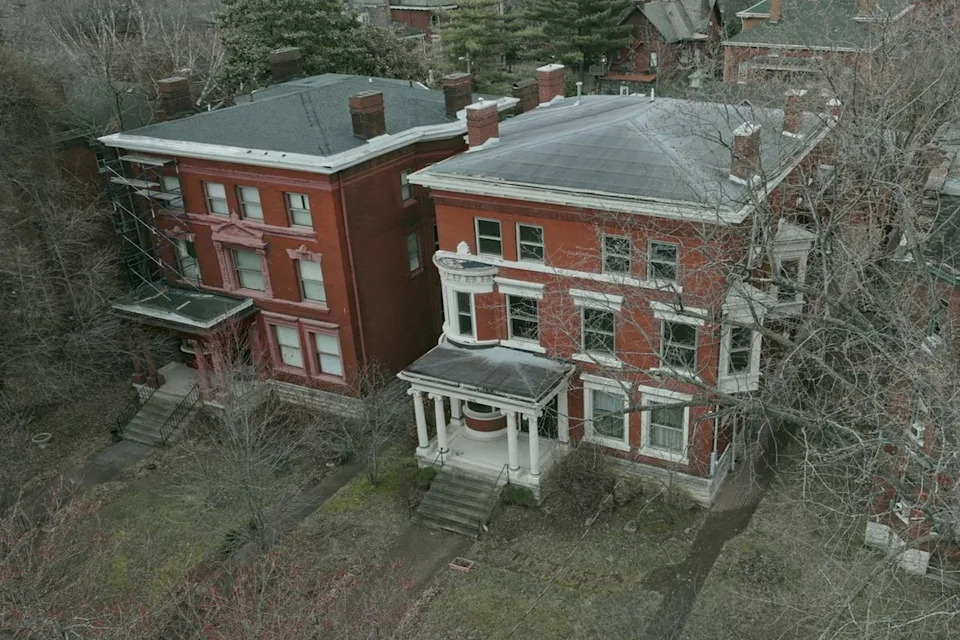
'Murder in Glitterball City'.World of Wonder Productions/HBO
Prosecutors say the pair dismembered Carroll’s body with a sledgehammer to make it fit into a plastic bin, covered the remains with lime to mask odors, and buried the container in a roughly five-foot hole in a dirt section of their basement.
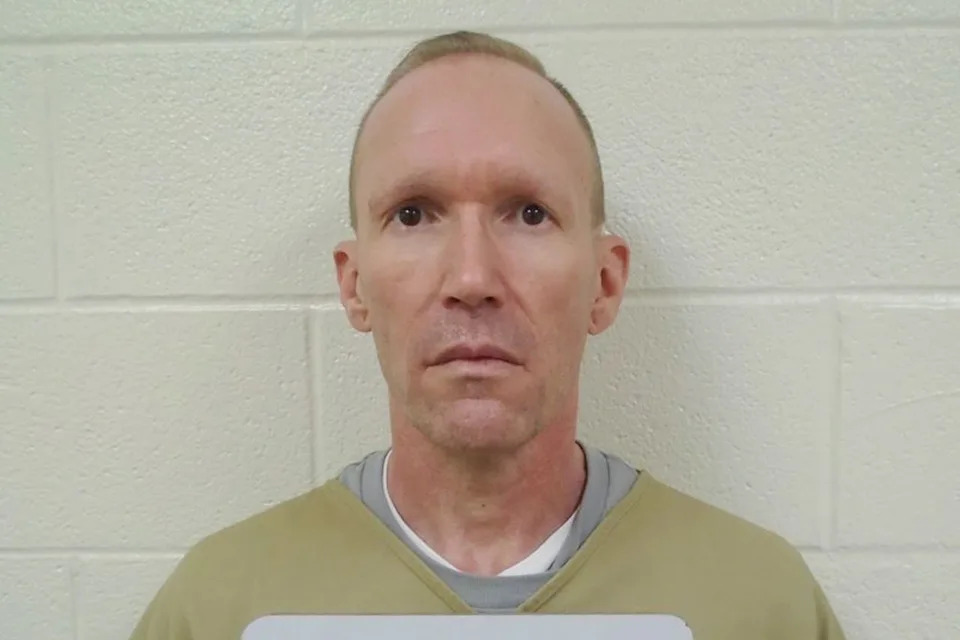
Joseph Banis.Kentucky Department of Corrections
Arrest, Evidence and Counterfeit Money
After the burial, Mundt and Banis traveled to Chicago. While there, a hotel doorman reported a suspicious $100 bill; police discovered $55,000 in counterfeit currency in the hotel room along with firearms, handcuffs and drug paraphernalia. The couple were arrested, released on bond, and later returned to Louisville.
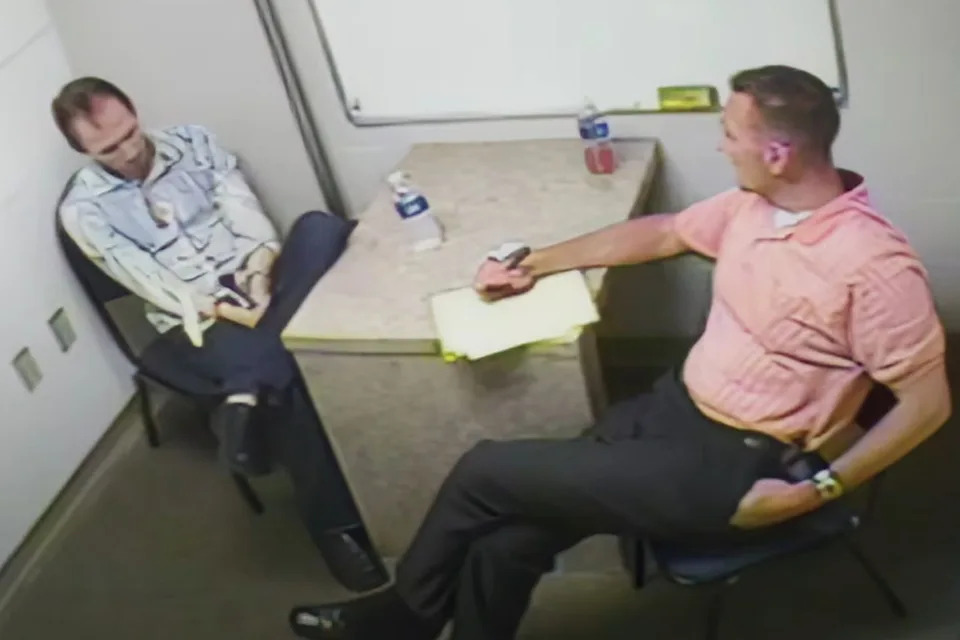
A police interview in 'Murder in Glitterball City'.World of Wonder Productions/HBO
In June 2010, following a domestic incident in which Mundt called 911 reporting fear for his life, Banis told responding officers he knew of a homicide and led police to the burial site in the basement. Both men were arrested and charged with first-degree murder, robbery and tampering with evidence.
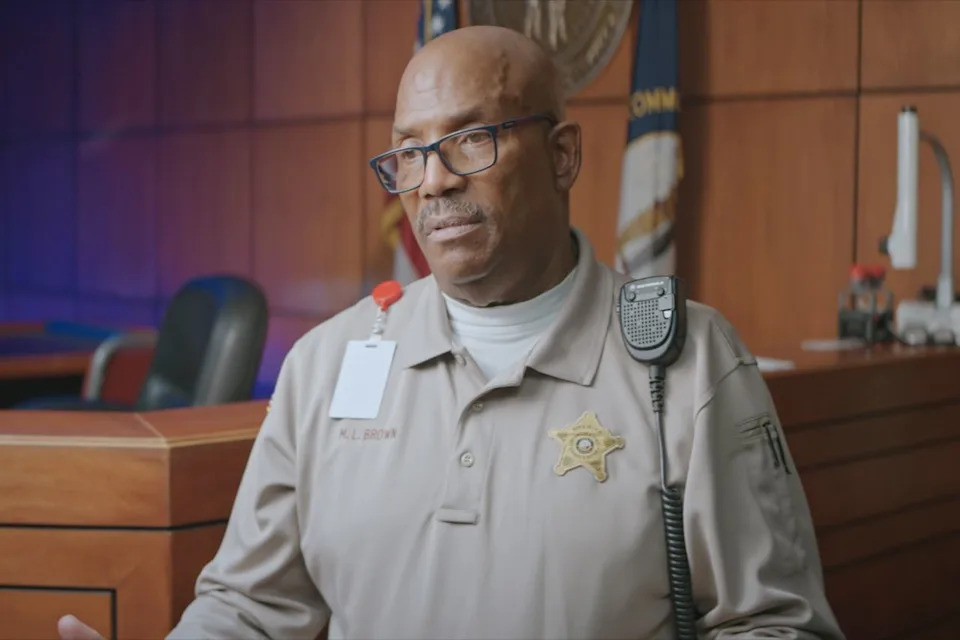
Michael Brown in 'Murder in Glitterball City'.World of Wonder Productions/HBO
Trials and Outcomes
The trials were widely described as a "he-said, he-said" battle. Both men agreed to testify against the other in exchange for prosecutors dropping capital (death-penalty) charges. That decision changed the legal landscape for both defendants.
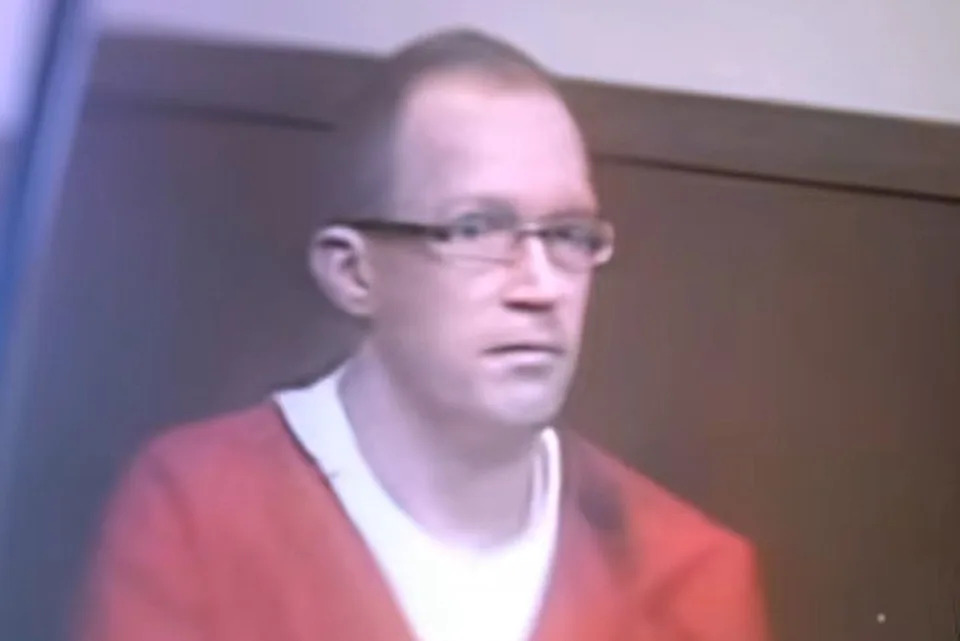
Joseph Banis in 'Murder in Glitterball City'.HBO
Joseph Banis was convicted of complicity to murder, robbery, tampering with evidence, possession of counterfeit currency, meth possession and possession of drug paraphernalia. He was sentenced to life in prison. His legal team sought a new trial alleging misconduct, but a judge denied the request. As of court records cited in reporting, Banis was serving his life term at the Lee Adjustment Center in Beattyville, Kentucky, and is eligible for parole on June 2, 2030. His attorneys have publicly maintained his innocence.
Jeffrey Mundt was acquitted of murder charges but convicted of tampering with evidence and disposing of a body. He received an eight-year sentence with credit for time served; by the end of his trial he had already spent roughly three years in jail. Mundt was moved to a halfway house in August 2014 after serving half of his sentence. He appealed his convictions, but the Jefferson Circuit Court of Appeals affirmed the rulings in December 2014.
Where They Are Now
The documentary revisits the relationship between Mundt and Banis, the events around Carroll’s death, and the courtroom drama that followed. Banis remains incarcerated with a parole eligibility date in 2030, while Mundt completed his term in the mid-2010s and was released to a halfway house in 2014. Beyond those court and incarceration milestones, neither man has a widely reported public profile today; much about the night Carroll died remains contested between the two.
"They called it the trial of 'he-said, he-said,'" author David Domine told LEX18, reflecting on the case’s sharply conflicting testimony and unresolved questions.
The HBO series and the underlying reporting compile interviews, court records and archival material that revisit the disturbing facts and unresolved disputes at the center of the case.
Help us improve.