The men accused in the 1991 Austin yogurt shop murders are seeking a formal declaration of innocence at a hearing before Judge Dayna Blazey. New DNA testing and a fresh review of old evidence have linked the killings to Robert Eugene Brashers, a serial offender who died in 1999. A formal exoneration would allow the men and their families to pursue compensation and offer long-awaited closure to a case that gripped Austin for decades.
Four Men Seek Formal Exoneration After DNA Links 1991 Austin Yogurt Shop Murders to Serial Offender
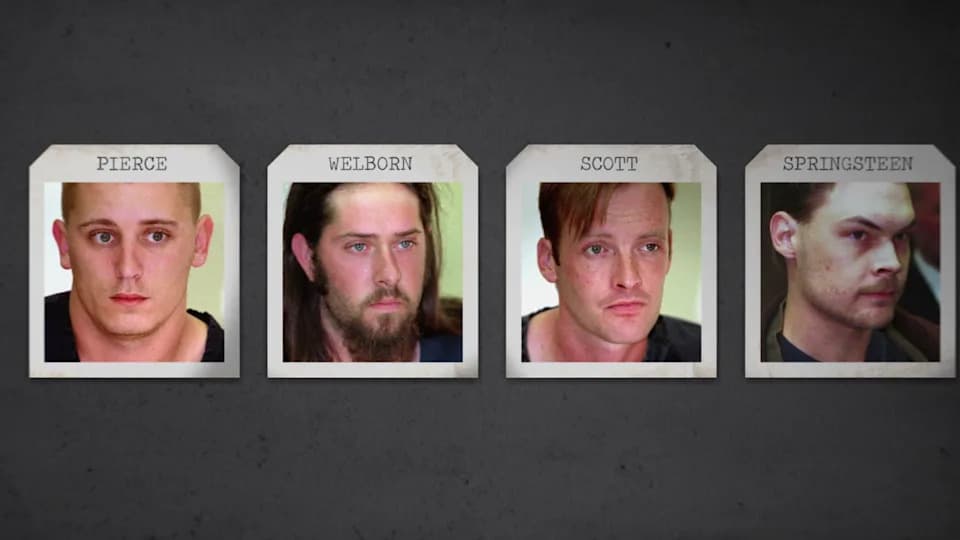
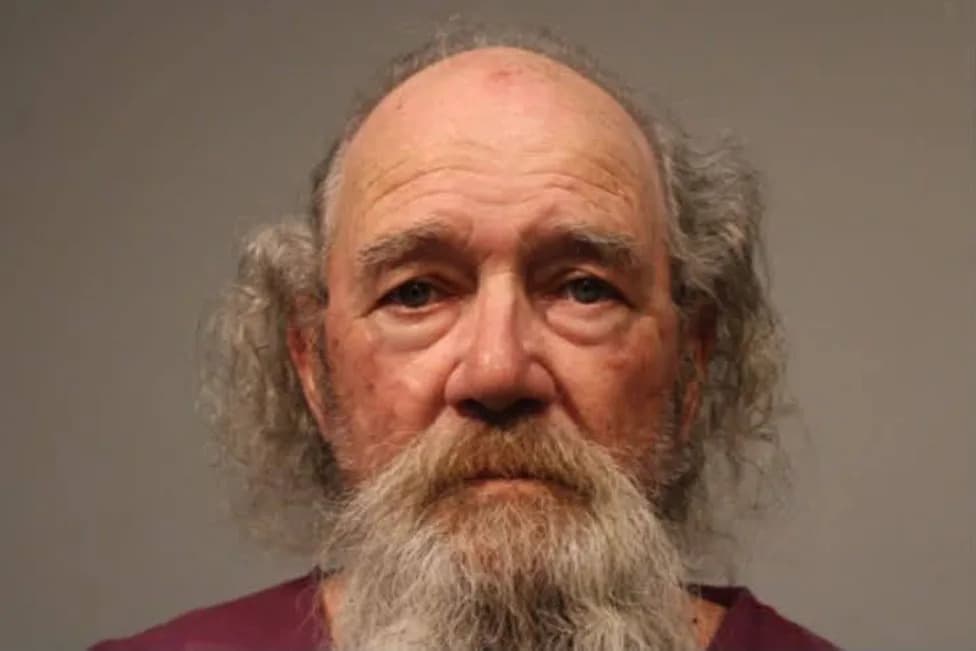
Pictured are Maurice Pierce, Forrest Welborn, Robert Springsteen and Michael Scott. / Credit: CBS News/AP(CBS News/AP)
A Texas judge is scheduled to hear a petition this Thursday seeking a formal declaration of innocence for four men who were wrongfully accused in the 1991 murders at an Austin yogurt shop. One of the four, Robert Springsteen, was convicted and sent to death row before that conviction was overturned; Maurice Pierce died in 2010.
A decision that clears their names would bring long-awaited closure to the men and their families and would be a required step before they can pursue state compensation for years spent in jail or prison.
How the Case Unfolded
On the night of the crime, victims Amy Ayers, 13; Eliza Thomas, 17; and sisters Jennifer and Sarah Harbison, 17 and 15, were found bound, gagged and shot at the "I Can’t Believe It’s Yogurt" shop where two of the victims worked. Investigators later determined that at least one victim had been sexually assaulted and that the yogurt shop had been set on fire, which destroyed potential evidence.
"There was smoke and soot on every surface, which made fingerprinting difficult," said John Jones, the first investigator on the case, in an interview with "48 Hours."
Police pursued thousands of leads and investigated several false confessions before arresting four suspects in late 1999. Springsteen and Michael Scott were convicted largely on confessions they have long said were coerced; both convictions were overturned in the mid-2000s. Forrest Welborn was charged but never tried after two grand juries declined to indict him, and Pierce spent three years in jail before the charges against him were dismissed.
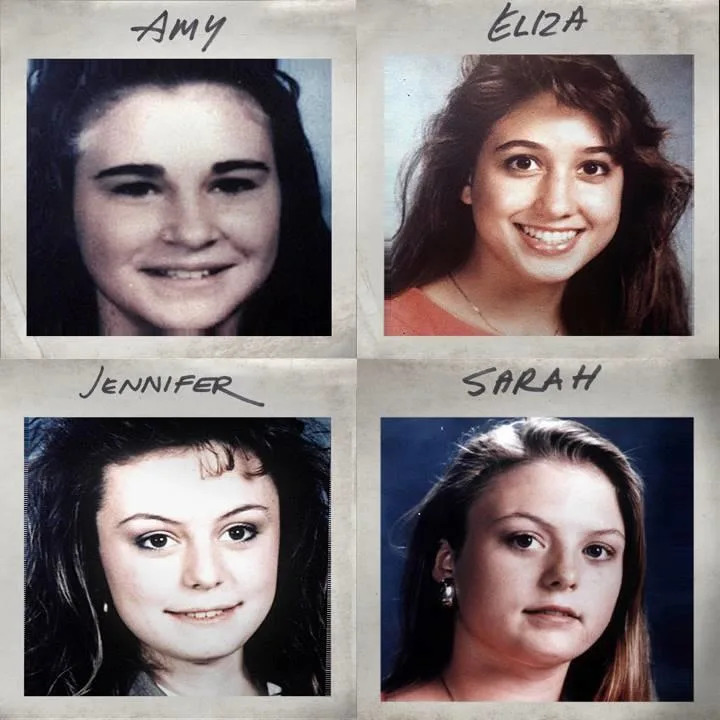
The victims clockwise from top left, Amy Ayers, Eliza Thomas, Sarah Harbison and Jennifer Harbison. / Credit: AP Images
New Evidence Points to a Different Suspect
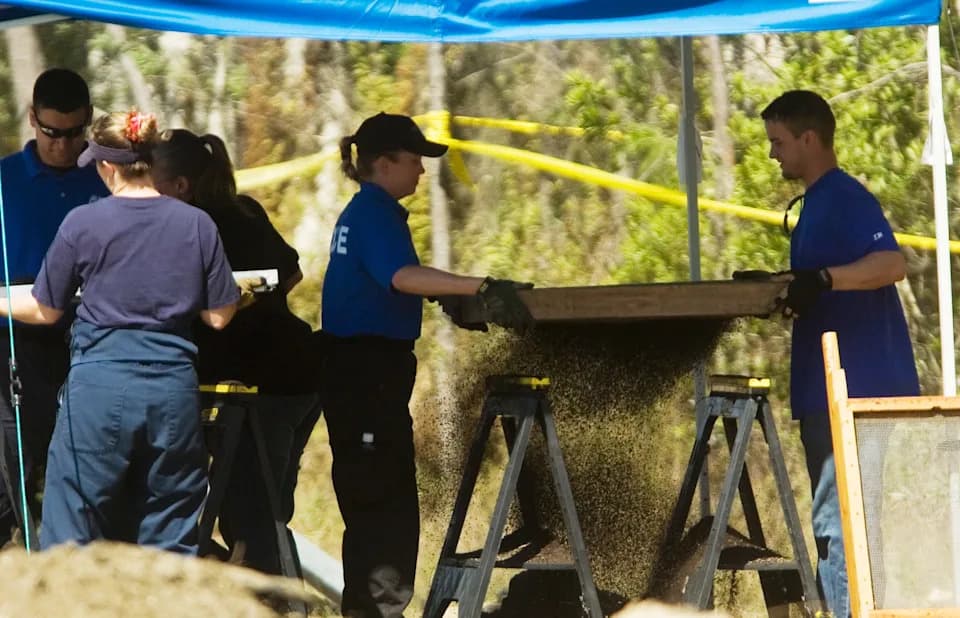
Cold-case detectives have since reexamined evidence with advanced DNA testing and other investigative techniques. In recent years investigators concluded that the killings are consistent with the work of Robert Eugene Brashers, a serial offender who died by suicide in January 1999 during a standoff with police in Missouri.
Investigators say DNA recovered from under Amy Ayers' fingernail matched Brashers' profile from an earlier case. Authorities also reported that Brashers had been stopped at a border checkpoint near El Paso two days after the yogurt shop killings; a pistol recovered from a stolen car he was driving reportedly matched the caliber used in one of the homicides. Detectives noted crime-scene similarities between the yogurt shop murders and other crimes attributed to Brashers, including victims bound with their own clothing, sexual assault, and scenes sometimes set on fire.
What Happens Next
The hearing before state District Judge Dayna Blazey will consider whether to enter a formal declaration of "actual innocence." That declaration is rare but would be crucial if the men or their families wish to pursue compensation for the years they lost because of the arrests and prosecutions.
Travis County District Attorney José Garza said when the hearing was set: "It has been more than 25 years since the four men wrongfully accused have been waiting for the criminal justice system to clear their names." Two of the original suspects, Michael Scott and Forrest Welborn, are expected to attend the hearing; Robert Springsteen is not expected to be present.
The case drew renewed public attention in recent years after documentary coverage prompted fresh review of the evidence. Investigators say modern DNA testing and the reexamination of physical evidence contributed to the identification of Brashers as a likely perpetrator.
Help us improve.