Gallup’s 2025 telephone survey of more than 13,000 U.S. adults finds that 9% now identify as LGBTQ+, a slight decline from 2024’s 9.3% but nearly triple the 3.5% recorded in 2012. Identification is highest among adults aged 18–29 (23%), higher for women (10.5%) than men (5.6%), and more common among Democrats (14.2%) than Republicans (1.9%). More than half of LGBTQ+ respondents identify as bisexual.
Gallup: 9% of U.S. Adults Now Identify as LGBTQ+, Nearly Triple 2012 Share
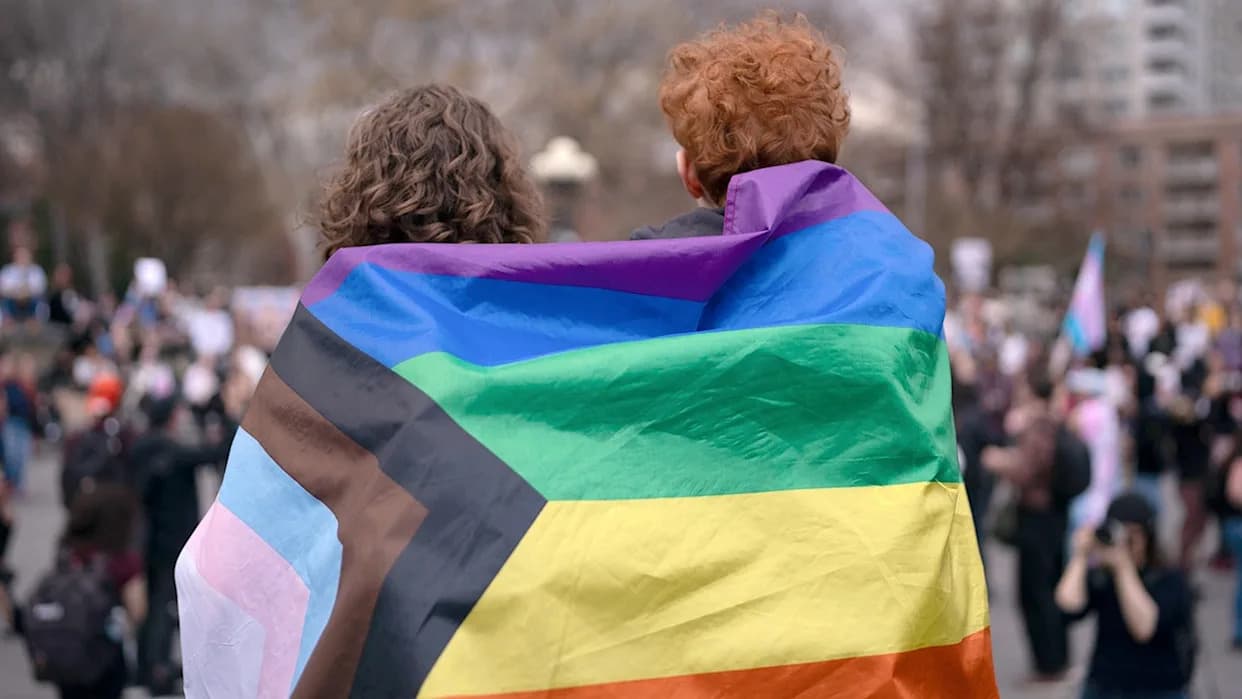
New poll finds 9% of US adults identify as LGBTQ+ — nearly triple the amount recorded in 2012
Gallup’s national survey, based on telephone interviews with more than 13,000 U.S. adults in 2025, finds that 9% of Americans describe themselves as lesbian, gay, bisexual, transgender or another non-heterosexual identity.
“The vast majority, 86%, say they are heterosexual, while 9% identify with one of the various LGBTQ+ identities and 5% do not give a response,” Gallup said when releasing the poll results.
The 9% figure is a slight dip from Gallup’s 2024 estimate of 9.3% but represents a substantial increase since 2012, when 3.5% of U.S. adults identified as LGBT — nearly a threefold rise over the period.
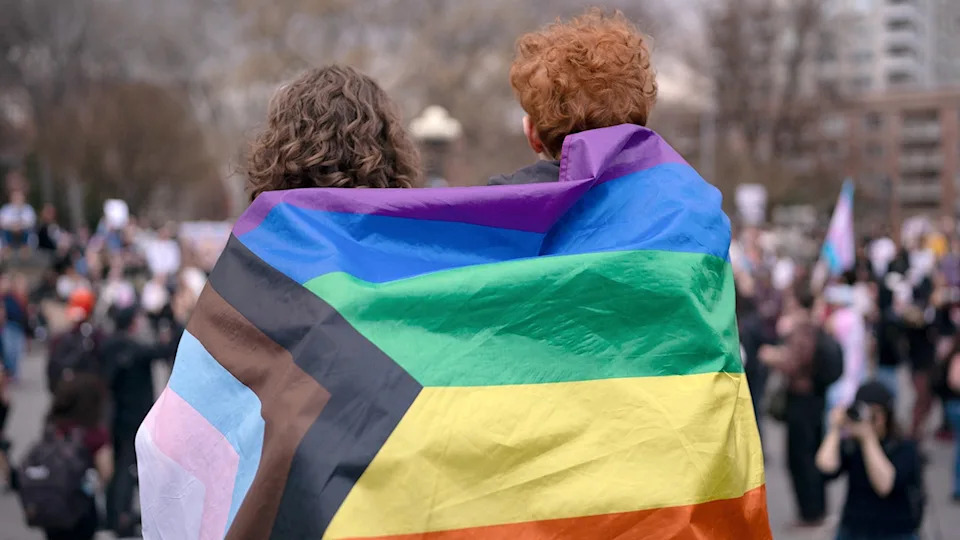
Demonstrators wrapped in a pride flag during a rally for 'Trans Day of Visibility' in New York, US, on Monday, March 31, 2025.(Getty Images)
Who Is More Likely To Identify As LGBTQ+?
Gallup’s data show that LGBTQ+ identification is concentrated among younger adults, women and Democrats:
- Age: 23% of adults aged 18–29 identify as LGBTQ+, versus 10.4% for ages 30–49, 3.1% for ages 50–64 and 2.3% for those 65 and older.
- Gender: 10.5% of women report an LGBTQ+ identity compared with 5.6% of men.
- Party Affiliation: 14.2% of Democrats identify as LGBTQ+, while 1.9% of Republicans do.
Breakdown By Identity
Among respondents who identify as LGBTQ+, the largest single group is bisexual: 58.6% of LGBTQ+ respondents chose bisexual, which corresponds to about 5.3% of all U.S. adults in the poll.
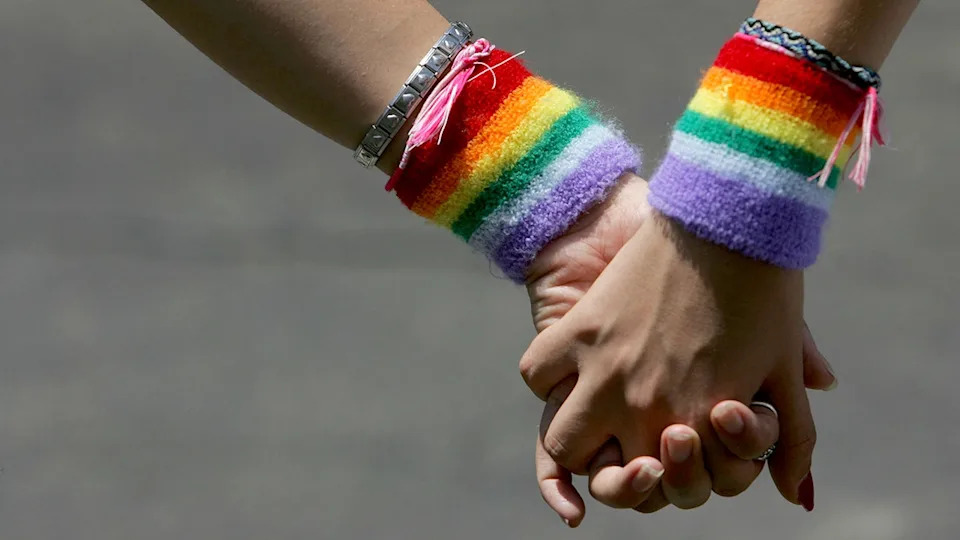
A lesbian couple hold hands during the annual Gay Pride rally, on June 8, 2007 Tel Aviv, Israel
These results reflect self-reported identity on a single-question measure and are drawn from a large telephone sample; differences across years may reflect changing social attitudes, greater willingness to report non-heterosexual identities, and cohort effects among younger adults.
Source: Gallup 2025 national telephone survey of more than 13,000 U.S. adults.
Help us improve.