Dr. Michael Baden, who observed Jeffrey Epstein’s autopsy for the estate, says the injuries are "more consistent" with homicidal strangulation than with suicide by hanging. The official autopsy recorded three neck fractures—injuries Baden says are atypical for hanging—while a redacted report left the manner of death "pending." He also criticized crime‑scene handling and the loss of a reliable time of death, and says newly released DOJ documents justify renewed scrutiny. Federal authorities maintain there is no evidence Epstein was murdered.
Autopsy Observer Says Epstein’s Neck Injuries Fit Homicidal Strangulation, Calls For Renewed Probe
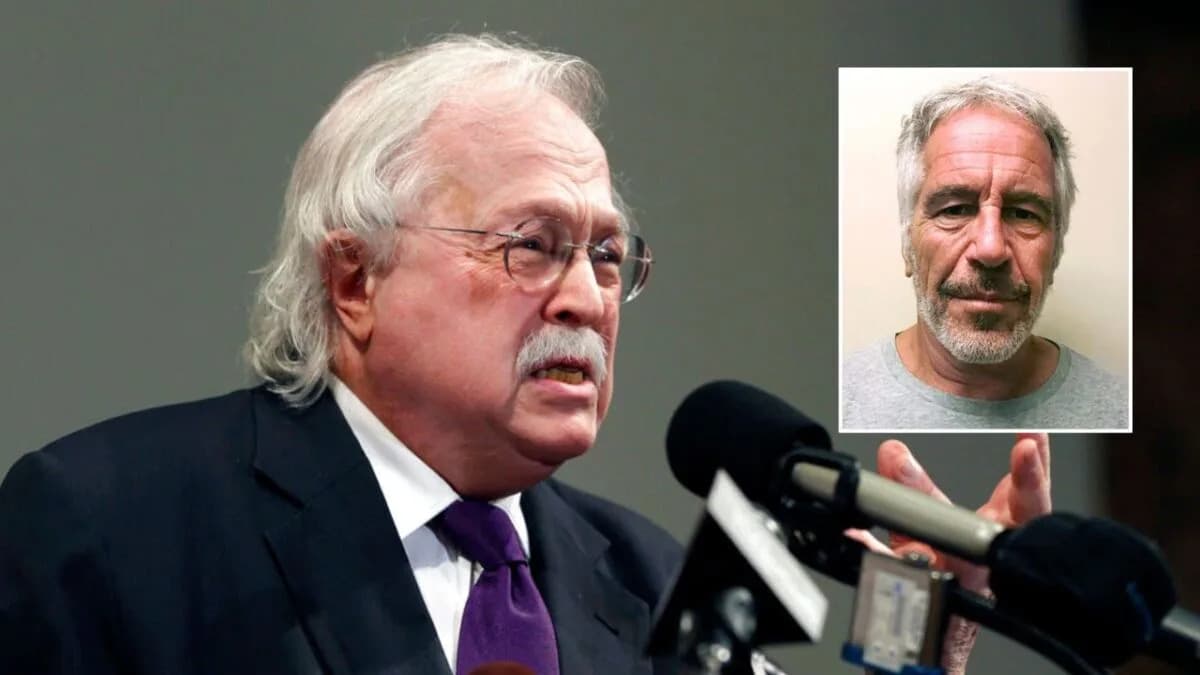
A veteran pathologist who observed Jeffrey Epstein’s autopsy on behalf of the financier’s estate says the injuries he documented are "more consistent" with homicidal strangulation than with suicide by hanging and that calls for additional investigation were effectively overridden when the death was officially ruled a suicide.
Background: Epstein was found dead in his Manhattan jail cell in August 2019 while awaiting trial on sex‑trafficking charges. At the time, New York’s chief medical examiner, Dr. Barbara Sampson, ruled the death a suicide by hanging.
Observer’s Findings and Concerns
Dr. Michael Baden, a forensic pathologist who attended the post‑mortem as an observer for Epstein’s estate, told The Telegraph that newly released Department of Justice documents justify renewed scrutiny of the case. Although Dr. Baden did not perform the autopsy, he says his independent observations led him to conclude the evidence was not typical of suicidal hanging.
"My opinion is that his death was most likely caused by strangulation pressure rather than hanging," Dr. Baden said.
The official autopsy recorded three fractures in Epstein’s neck. Dr. Baden said that in five decades of reviewing inmate deaths he had never seen such injuries in a suicide by hanging and that even one fracture would warrant investigation: "Even one fracture, we have to investigate the possibility of a homicide. Two definitely warrant a full investigation." He described the autopsy findings as "much more consistent with a crushing injury caused by homicidal strangulation than caused by hanging by suicide."
Forensic Details and Scene Handling
The report noted an orange bedsheet noose collected at the scene, but investigators later determined that particular sheet was not the ligature used in Epstein’s death. Dr. Baden said the markings on the neck did not match the texture and shape of that sheet, suggesting a different material would have caused the observed pressure marks.
Dr. Baden also criticized how the scene and body were handled, saying evidence was lost after the body was moved, correctional staff refused to explain how Epstein was found, and Epstein was transferred to the jail infirmary — an action he described as "highly unusual." He added that the time of death was effectively "lost," a lapse that could have impeded efforts to determine whether the death was homicidal.
A redacted autopsy report later released by the Department of Justice listed the "manner of death" as "pending," leaving the boxes for "suicide" and "homicide" unchecked. Federal authorities continue to state that there is no evidence Epstein was murdered.
What Dr. Baden Wants
Dr. Baden says the combination of the neck fractures, ligature-mark discrepancies and scene-handling errors warrants a renewed, thorough investigation into the cause and manner of Epstein’s death. He maintains his opinion that strangulation pressure — not a suicidal hanging — best fits the autopsy findings.
Help us improve.