Jerusalem bus driver Fakhri Khatib was detained after a 14‑year‑old, Yosef Eisenthal, died after clinging to his bus while Khatib fled an aggressive crowd. The incident has brought renewed attention to a reported rise in racist attacks on Arab bus drivers since October 2023; the union Koach LaOvdim says attacks rose 30% last year and recorded 100 physical assaults in Jerusalem. Drivers blame inadequate police responses and frequent case closures; the transport ministry has launched a pilot rapid‑response security unit to protect public transport.
After Jerusalem Tragedy, Arab Bus Drivers Say Racist Attacks Are Rising
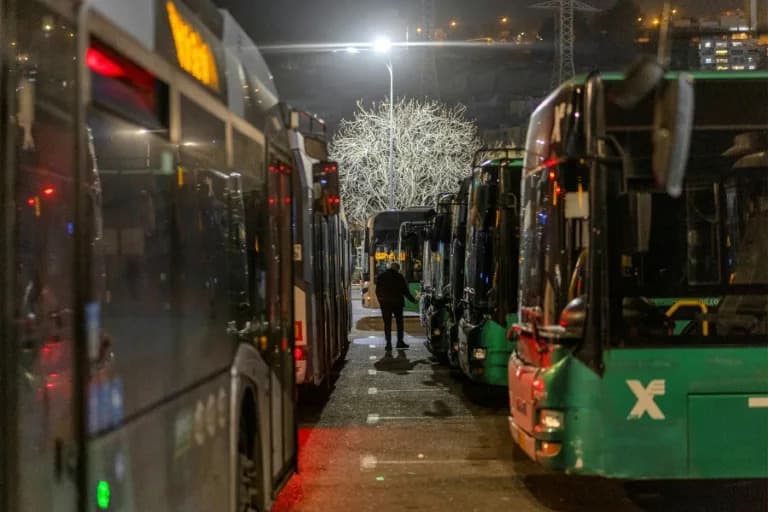
Bus drivers in Israel say racist violence against Arab drivers has spiralled since the start of the Gaza war (Ilia YEFIMOVICH)(Ilia YEFIMOVICH/AFP/AFP)
What began as an ordinary shift for Jerusalem bus driver Fakhri Khatib ended in a fatality, his arrest and a case that has drawn attention to a wider pattern of racist violence against Arab bus drivers in Israel.
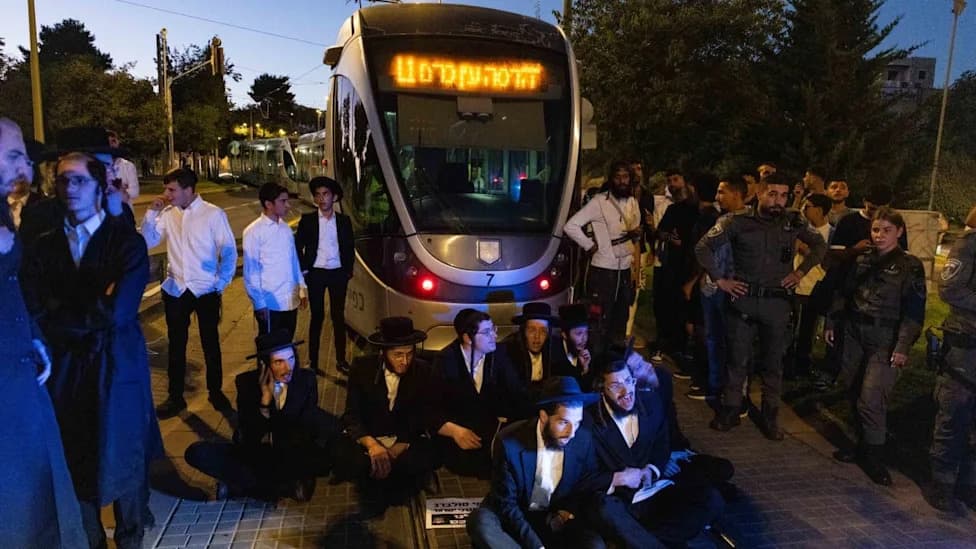
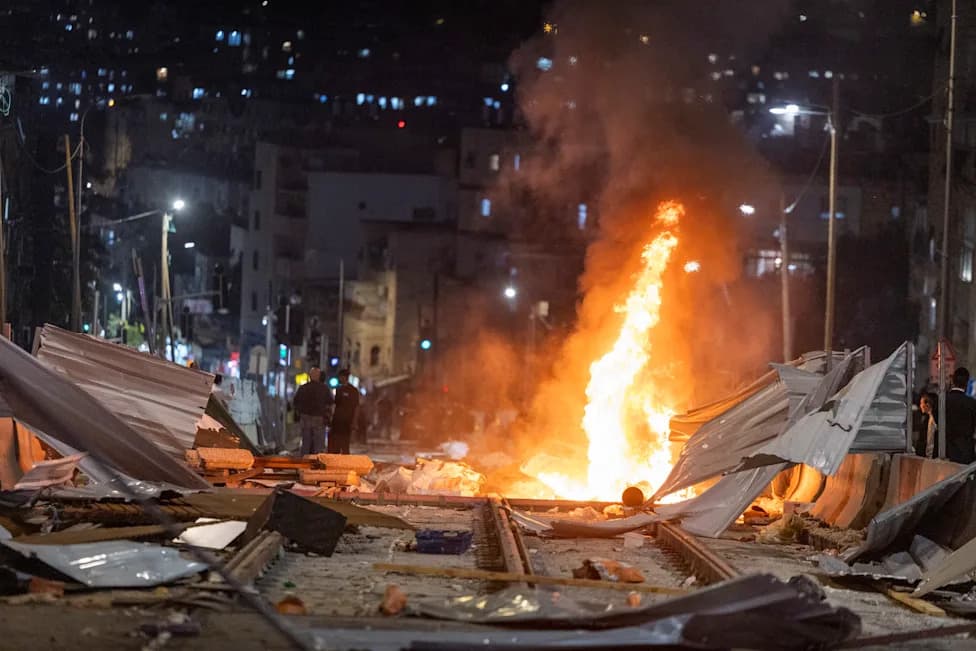
According to Khatib — a Palestinian from east Jerusalem — his bus was surrounded in early January while driving near a route used by a protest of the ultra‑Orthodox community. He says passengers and bystanders shouted and spat, and that he feared for his life. When police did not arrive after he called for help, Khatib drove away; a 14‑year‑old boy, Yosef Eisenthal, who had grabbed the bus bumper, was killed. Khatib was detained; police initially sought aggravated murder charges but later downgraded the case to negligent homicide. He was released from house arrest in mid‑January and is awaiting the final charge.
"People began running towards me and shouting at me, 'Arab, Arab!'" — Fakhri Khatib, bus driver
Trend of Violence and Who Is Affected
Drivers and advocates say the number of racist incidents against Arab drivers has risen sharply since the Gaza war began in October 2023 and continued even after the ceasefire. The attacks predominantly affect Palestinians from annexed east Jerusalem and Israel's Arab minority — communities that make up roughly 20% of Israel's population and supply a large share of drivers in cities such as Jerusalem and Haifa.
There are no official nationwide statistics for racist attacks on bus drivers. The union Koach LaOvdim (Power to the Workers), which represents about 5,000 of Israel's roughly 20,000 bus drivers, reported a 30% rise in attacks last year compared with 2024 and recorded 100 cases in Jerusalem where drivers required evacuation for medical care. Verbal abuse, the union says, was far more numerous.
Flashpoints, Responses and Community Action
Drivers told AFP that football matches are frequent flashpoints, with fans of some clubs — notably Beitar Jerusalem — repeatedly implicated in anti‑Arab aggression. Video circulated from stadiums and streets shows instances of supporters kicking, hitting and shouting at buses.
In response to the deteriorating situation, grassroots group Standing Together organised a "protective presence" on buses late last year, an approach modelled on tactics used to deter settler violence in the occupied West Bank. Activists later boarded buses outside Jerusalem's Teddy Stadium to document incidents and try to defuse confrontations.
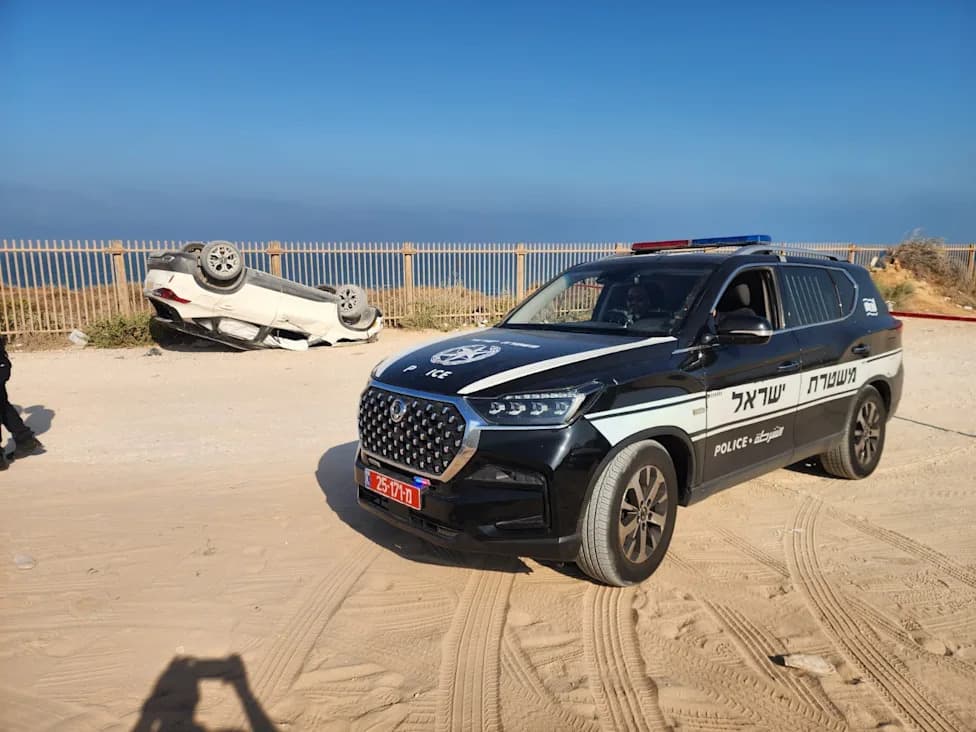
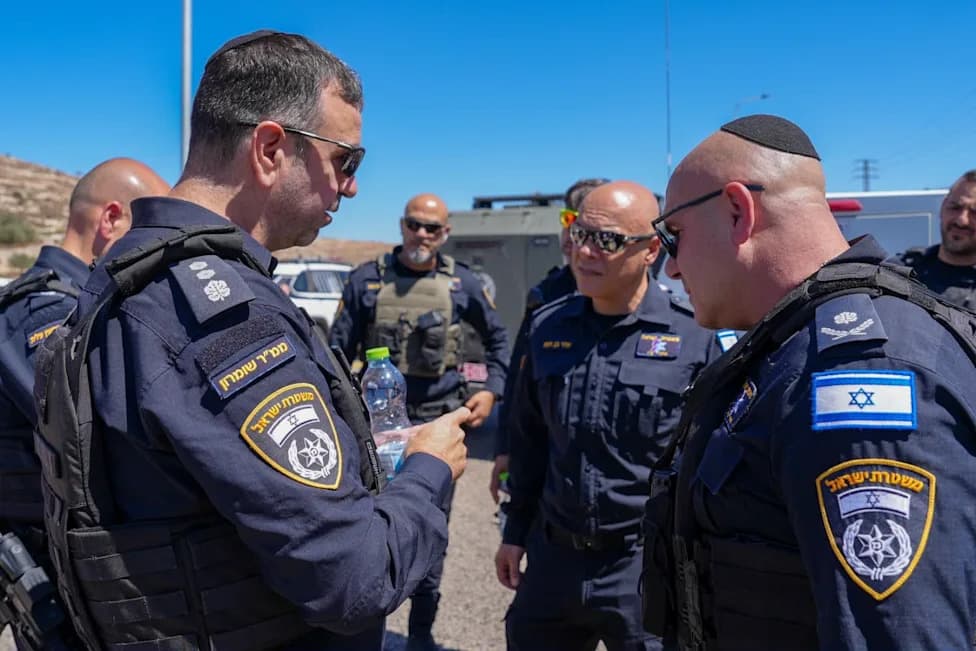
Many drivers have also criticised law enforcement. Koach LaOvdim leaders and drivers say videos of assaults often do not lead to arrests and that most cases are dropped without charges. Israeli police did not reply to AFP requests for comment on these complaints.
Official Measures And Calls For Solidarity
In early February the transport ministry launched a pilot bus security unit in several cities, including Jerusalem. The initiative deploys rapid‑response motorcycle teams to coordinate with police; Transport Minister Miri Regev called the move necessary as violence on public transport was "crossing a red line."
Union leaders from both Arab and Jewish backgrounds say driver solidarity will be essential to resist rising divisions and improve safety. "We will have to stay together," said Micha Vaknin, a Jewish‑Israeli driver and Koach LaOvdim leader. "Not be torn apart."
Legal and social outcomes remain unresolved. The investigation into the January incident continues, and drivers and advocates continue to press for stronger policing, accountability for attackers and measures to protect staff and passengers on public transport.
Help us improve.